
How Many Hours a Day Do Cats Sleep? — A Guide to Normal Sleep Times and Patterns
Cats sleep an average of 12 to 16 hours a day. We’ve outlined their normal sleep patterns, which vary depending on age, season, and health status, as well as warning signs to watch for.
Cat Sleep: How Many Hours a Day Is Normal?
Why Do Cats Sleep So Much?
Comparison of Normal Sleep Times by Age
| Item | Kitten (0–6 months) | Adult cat (1–7 years) | Senior cat (8 years and older) |
|---|---|---|---|
| Average daily sleep | Longer than adult cats (large individual variation) | 12–18 hours | Similar to or longer than adult cats |
| Proportion of deep sleep | High | Medium | High |
| Active time periods | Short and frequent | Dawn·dusk | Spread across daytime hours |
| Key characteristics | Growth·developmental stage | Retains hunting instinct | Joint protection and sufficient rest |
A cat's average daily sleep is known to be 12–18 hours, and it varies greatly by age and individual, so please compare based on your own cat's usual pattern
Two Stages of Cat Sleep
Sleep Changes That Require a Vet Visit
A sudden change in your pet’s usual sleep pattern may signal a weakened immune system or an underlying medical condition. - Sleeping almost continuously for more than 24 hours - Slow to respond or unsteady when awakened - Labored breathing or panting with an open mouth while resting - Unable to sleep through the night, vocalizing, or pacing (especially in senior cats) - Sleeping in an unusual position, such as curled up tightly or with the head tucked down If any of these signs persist for more than 24 hours, your pet needs to be seen by a veterinarian the same day.
Check for Suspected Conditions If Sleep Time Suddenly Increases
Checkpoints When Your Cat Can’t Sleep
Creating a Good Sleep Environment to Boost Immunity
A restful environment is closely linked to your cat’s overall health and well-being. - Temperature: Keep the space comfortably warm for rest, and slightly warmer for senior cats. - Location: Choose a high, quiet spot with a clear view of family activity. - Number of beds: Provide at least one more bed than the number of cats. - Noise and lighting: Turn off direct lights at night and lower the TV volume. - Routine: Engage in 5–10 minutes of hunting-style play before bedtime to burn off energy, followed by a meal. The more stable and comfortable the sleeping environment, the better your cat can rest and maintain good health.
Reviewed by a veterinarian

Dr. Tony — Punnawat Phongkittirak
VeterinarianA veterinarian who majored in veterinary medicine at Khon Kaen University, Thailand, and completed the IVSA program at North Carolina State University in the United States. Drawing on clinical experience at animal hospitals, he works in the pet healthcare field and is dedicated to building a digital care environment that connects pet parents with veterinarians.
Reviewed 2026-04-26
Frequently Asked Questions
Is it normal for a cat to sleep 18 hours a day?
Should I wake my pet if it twitches its paws or makes small vocalizations while sleeping?
Does sleep duration change depending on the season, such as summer or winter?
Do cats suffer from insomnia?
How can I tell if my pet is sleeping well?
Share
Related Guides

Primary vs. Secondary Veterinary Hospitals: A Comparison
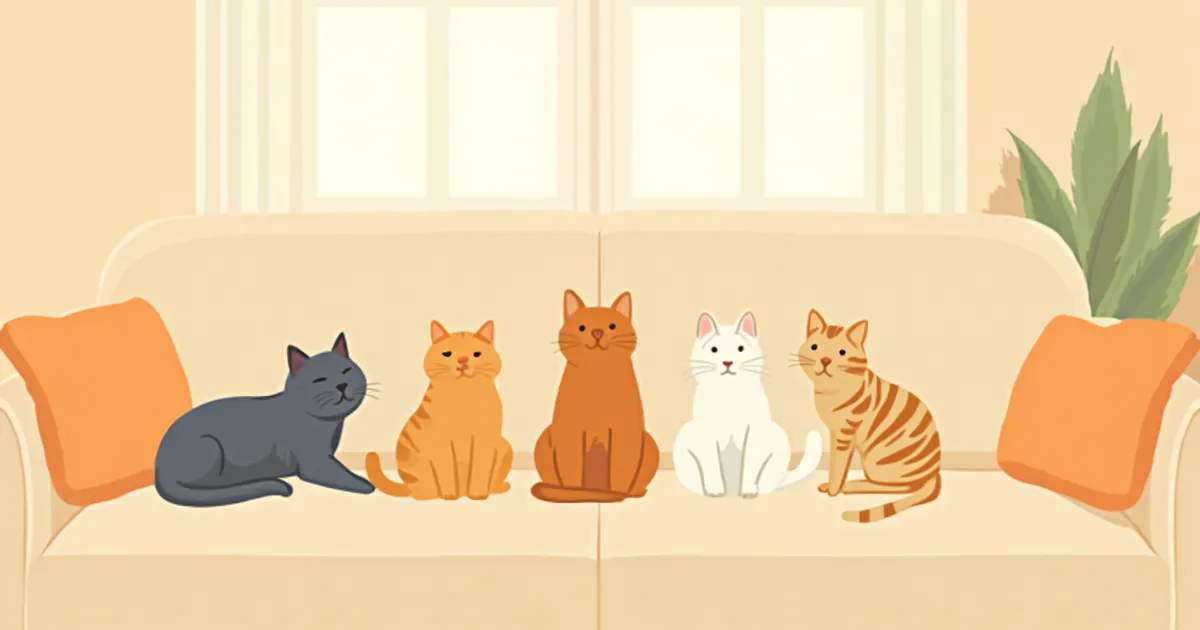
5 Easy-to-Raise Cat Breeds for First-Time Owners — Grooming Difficulty Comparison

Top 7 Short-Legged Dog Breeds

Should You Definitely Use Cyclosporine for Canine Dry Eye? — A Summary of Effects and Side Effects
Dog Fluorescein Staining Corneal Exam FAQ — Key Information Every Pet Owner Should Know

If Your Dog Has a Lump on Its Eyelid — Distinguishing Benign from Malignant Eyelid Tumors and How to Respond
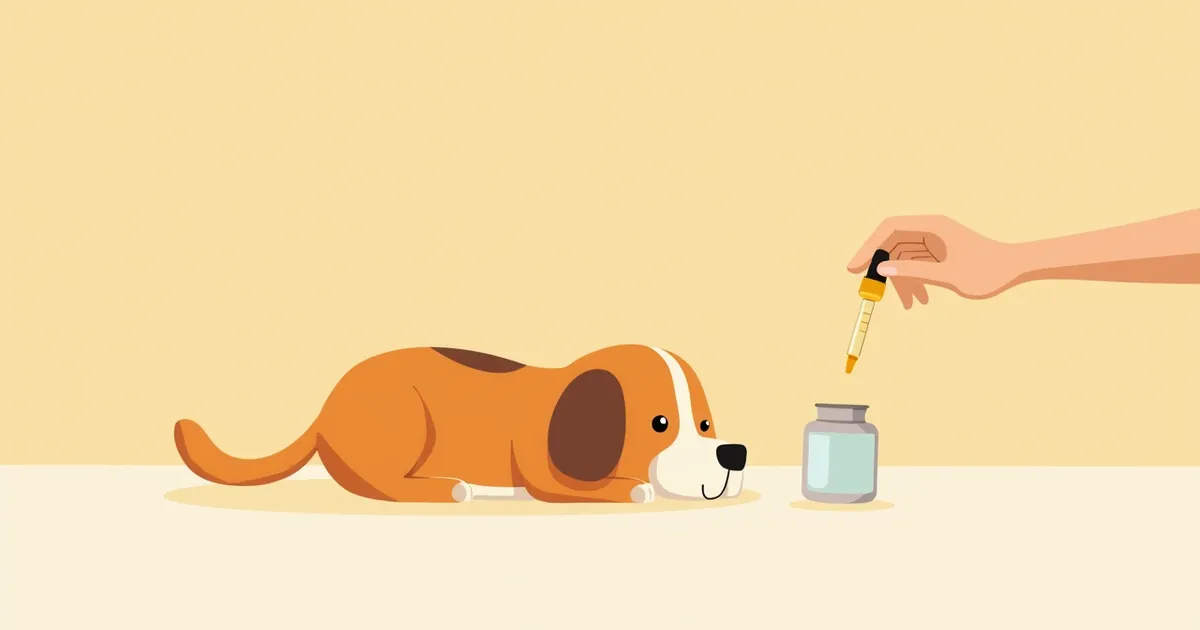
Why Is Giving Eye Drops to My Dog So Hard? — Administration Techniques That Work Even for Resistant Puppies

If Your Dog Keeps Rubbing Their Eyes — Causes of Entropion and Surgical Timing

What Are Diabetic Cataracts in Dogs? — What Signs Appear Before Vision Loss

If Your Dog Can’t Keep Its Eyes Open — Causes of Corneal Ulcers and When to Visit the Vet
References
[1] Little SE, The Cat: Clinical Medicine and Management, 2nd Edition, Elsevier, 2024
[2] Rodan I, Heath S, Feline Behavioral Health and Welfare, Elsevier, 2016
[3] Ettinger SJ, Textbook of Veterinary Internal Medicine, 8th Edition, Elsevier, 2017