Like
Share
멍실장
강아지 비만과 인슐린 저항성 자주 묻는 질문 Q&A — 보호자가 꼭 알아야 할 핵심

Canine Obesity and Insulin Resistance: Signs to Know Before Diabetes Develops

EndocrineQ&AMeongsiljang Veterinary Advisory Board

Canine obesity can lead to insulin resistance. Here’s a summary of key questions and answers that pet owners should know.

What is the relationship between canine obesity and insulin resistance?

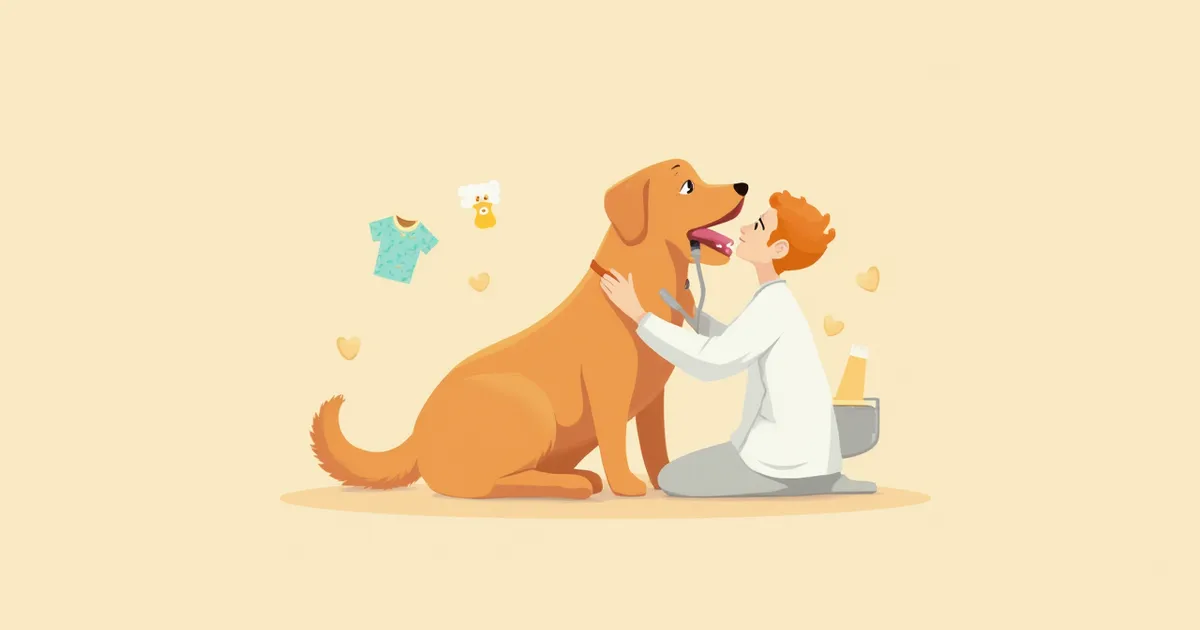
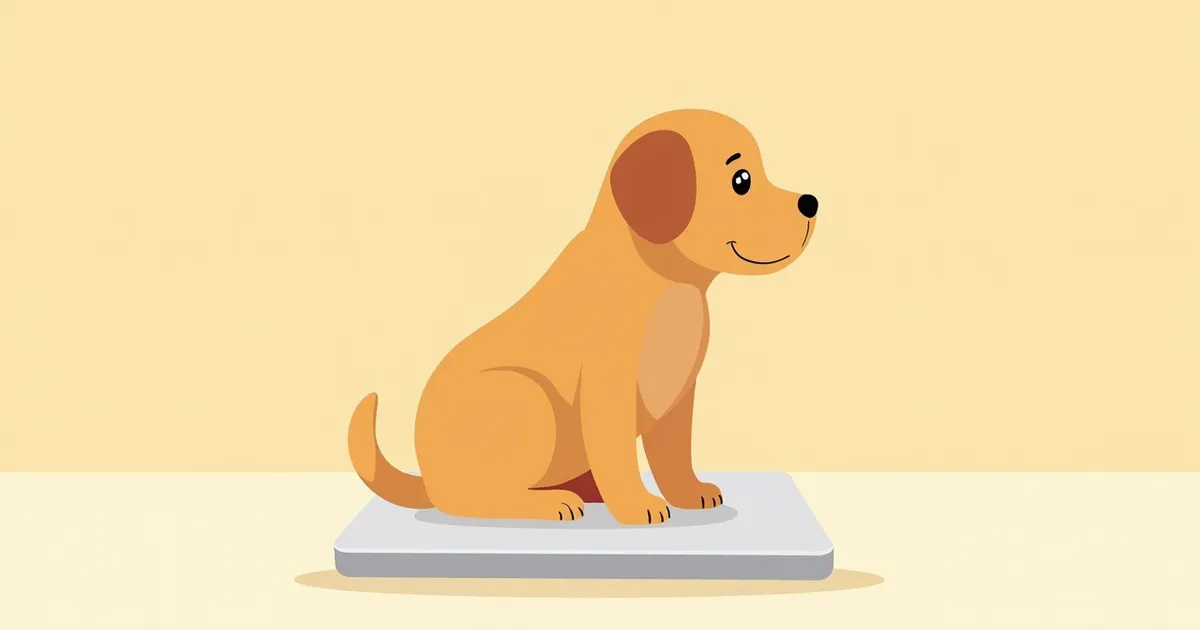
A scene showing how to check the body condition of an overweight dog.
Canine obesity is a significant risk factor that can lead to insulin resistance. Excessively accumulated adipose tissue acts not merely as an energy reserve but like an organ that influences the function of other organs; these endocrine effects can interfere with insulin action, making blood sugar regulation difficult. - Obesity: It is known that excessive fat accumulation is associated with insulin resistance, where the effectiveness of insulin is diminished. - Insulin Resistance: When insulin is secreted but its effect is reduced, blood glucose levels rise, which can lead to glucose metabolism disorders such as type 2 diabetes. - Endocrine Disorders: Obesity is linked to various endocrine and metabolic abnormalities beyond simple weight issues, including hypothyroidism, hyperadrenocorticism, diabetes, and metabolic syndrome. Early management is essential, and collaboration with a veterinarian is crucial.

What is the mechanism by which obesity leads to insulin resistance?

When adipose tissue accumulates excessively, it can act like an organ that interferes with the function of other organs and disrupts insulin action. Textbooks emphasize that the clinical significance of obesity lies not in fat accumulation itself, but in its impact on the function of other organs. - Increased adipose tissue: As fat mass increases, particularly around the abdomen, metabolic and vascular abnormalities are more likely to occur. - Insulin resistance: Even when insulin is secreted, its effectiveness is reduced, leading to poor blood sugar control. - Tendency toward metabolic syndrome: These changes can predispose pets to type 2 diabetes and cardiovascular disease. - Risk of complications: Obesity has been reported to be associated with various conditions, including diabetes and joint diseases. - Need for early intervention: It is important to manage weight through dietary control and exercise in the early stages of obesity, and it is advisable to develop a management plan in collaboration with a veterinarian.
The mechanism by which fat cells secrete inflammatory substances and block insulin receptors

What are the main symptoms of canine obesity and insulin resistance?
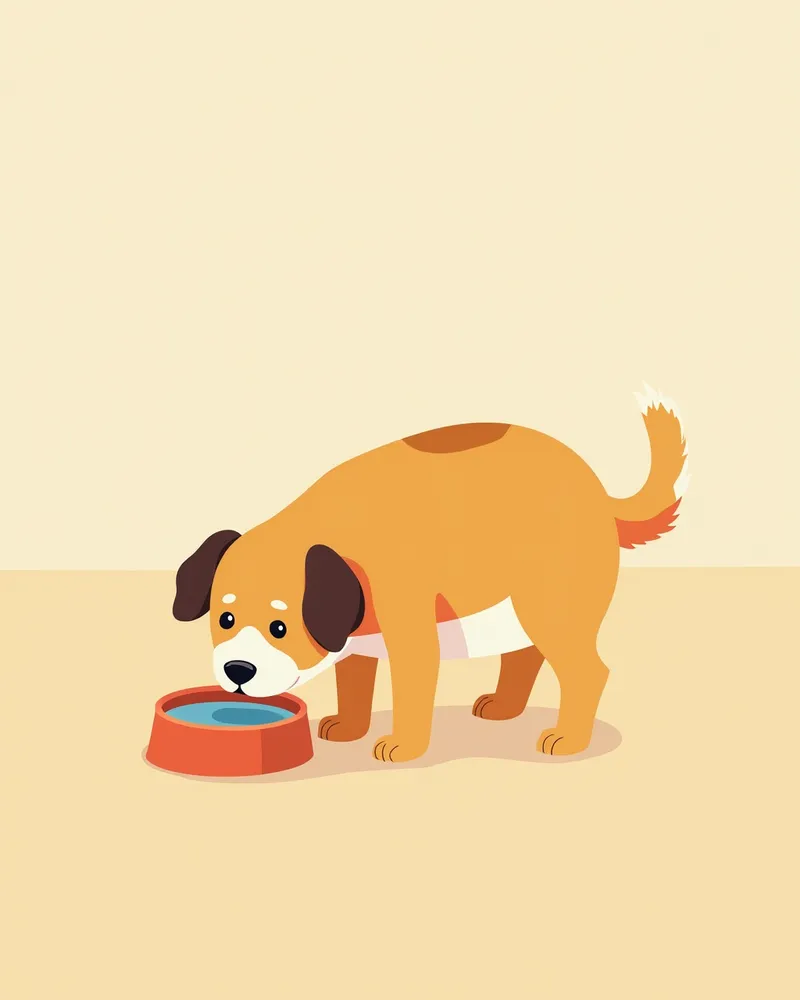
In cases of canine obesity, insulin resistance, and the potential development of diabetes mellitus, you may notice changes in weight, increased appetite, frequent urination, excessive thirst, reduced activity levels, and lethargy. - Weight changes: While obesity leads to an increase in body weight and fat mass, if the condition progresses to diabetes, your dog may actually lose weight despite having an increased appetite. - Increased appetite: Because the feeling of fullness is diminished, your dog may exhibit polyphagia, or a persistent tendency to eat. - Frequent urination and excessive thirst: When blood sugar levels rise, glucose is excreted through the urine, leading to polyuria (excessive urination). To compensate for this fluid loss, your dog will drink more water, resulting in polydipsia (excessive thirst). - Decreased activity: Reduced exercise tolerance can cause your dog to tire easily and show less interest in play. - Lethargy: Because cells cannot properly utilize glucose for energy, your dog may appear weak or lacking in vitality. Regular health check-ups are essential for early detection.
A dog showing symptoms of obesity and insulin resistance

Signs requiring immediate veterinary visit

If your dog suddenly develops an increased appetite, drinks excessive amounts of water, and urinates frequently, diabetes may be the cause. If these symptoms persist, they can lead to dehydration or ketoacidosis, so please consult a veterinarian immediately.

How are obesity and insulin resistance diagnosed?
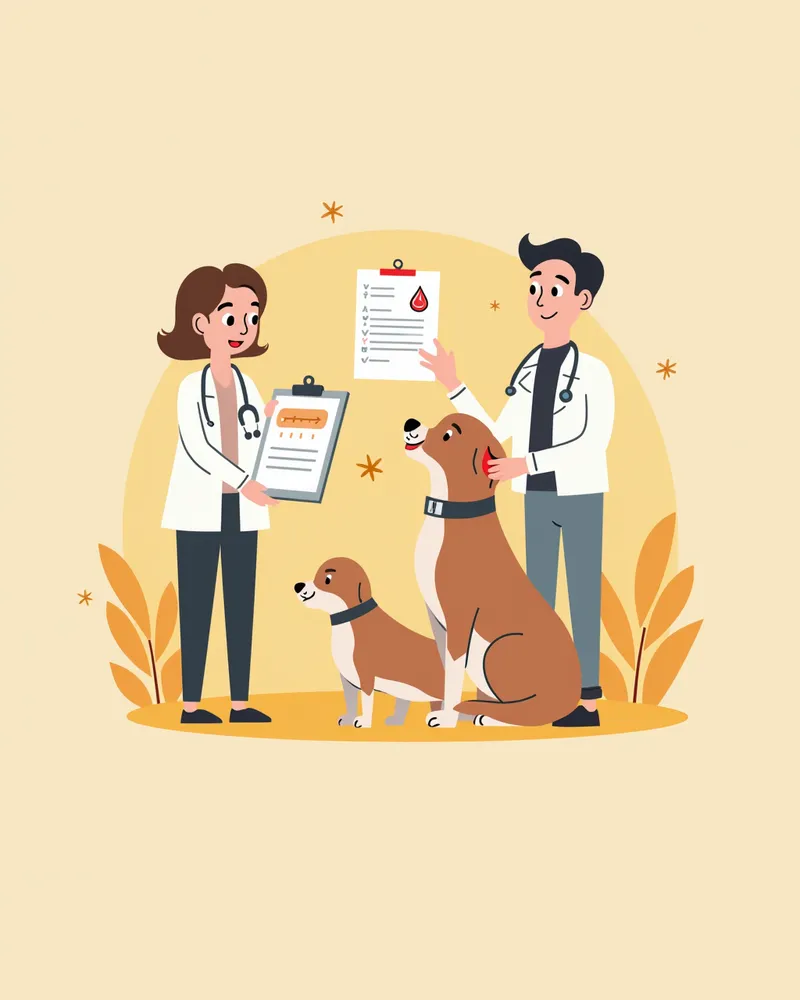
We diagnose obesity and insulin resistance through a comprehensive assessment that includes blood tests and body condition evaluation. - Blood tests: We measure blood glucose and insulin levels to assess metabolic status. Since diet can affect insulin test results, blood is typically drawn after a period of fasting. - Body Condition Score (BCS): We use a 9-point scale to quantify the degree of fat accumulation. - Insulin/Glucose assessment: We evaluate insulin status by interpreting insulin and blood glucose levels together or by using indicators such as the insulin-to-glucose ratio. - Analysis of clinical symptoms: We take into account overall symptoms, including appetite, increased thirst, and frequent urination. - Veterinary judgment: The final diagnosis is made by synthesizing these various indicators. Early diagnosis significantly improves the success rate of management.
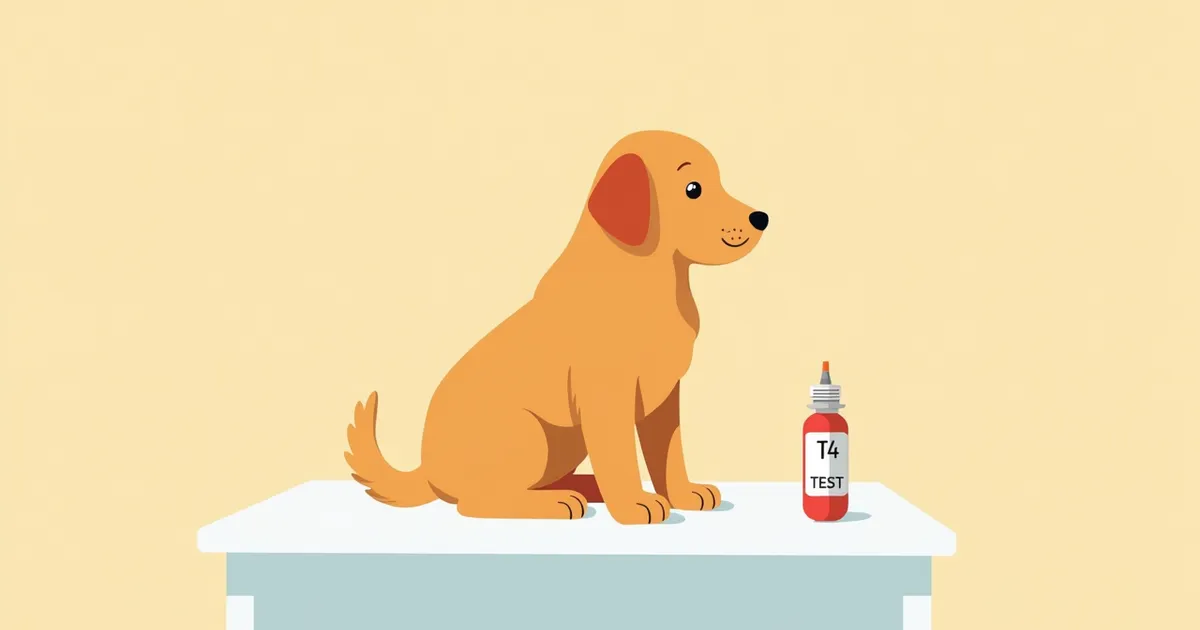
A scene showing a blood test to diagnose obesity and insulin resistance in dogs.

Treatment and management of obesity and insulin resistance

Treating obesity and insulin resistance centers on dietary management, exercise, and care guided by your veterinarian. - Dietary Management: Provide a high-protein, high-fiber diet to support weight loss while promoting satiety. - Exercise Plan: Increase energy expenditure through 15–30 minutes of walking or play daily. - Weight Monitoring: Check progress by weighing your pet once a week. - Nutritional Supplements: Use vitamin and mineral supplements recommended by your veterinarian. - Insulin Therapy: In cases of severe resistance, insulin injections may be necessary. - Regular Check-ups: Monitor your pet’s condition with blood tests every three months. Consistent care is the key to success.
A scene of walking a dog for weight management

Comparison of obesity management methods: Dietary control vs. Exercise vs. Drug therapy

ItemDietary ControlExerciseMedication Therapy
Speed of EffectMediumSlowFast
Risk of Side EffectsLowLowHigh
SustainabilityHighMediumLow
CostInexpensiveInexpensiveHigh

Dietary control is the safest and most sustainable method. Medication requires a veterinarian's prescription.

Caution: Rapid weight loss is dangerous

Rapid weight loss can put undue stress on an overweight dog’s body. In successful weight-loss cases documented in veterinary textbooks, the rate of loss was approximately 0.8% per week, so aim for a gradual pace of around 1% per week. Always work with your veterinarian to establish a safe weight-loss plan and dietary regimen.

Reviewed by a veterinarian

Dr. Tony — Punnawat Phongkittirak

Dr. Tony — Punnawat Phongkittirak

Veterinarian

A veterinarian who majored in veterinary medicine at Khon Kaen University, Thailand, and completed the IVSA program at North Carolina State University in the United States. Drawing on clinical experience at animal hospitals, he works in the pet healthcare field and is dedicated to building a digital care environment that connects pet parents with veterinarians.

Frequently Asked Questions

Is there a genetic component to obesity in dogs?
Yes, certain breeds are genetically predisposed to obesity. For example, Labrador Retrievers and Flat-Coated Retrievers have been reported to carry a mutation in the POMC gene, which is involved in regulating appetite and body weight, making them more prone to weight gain.
What is the likelihood that an overweight dog will develop insulin resistance?
While it’s difficult to pin down an exact ratio, obesity is known to be a significant risk factor for insulin resistance and diabetes. Overweight dogs are more prone to developing insulin resistance and type 2 diabetes, making early management crucial.
Can insulin resistance be improved through dietary management alone?
Yes, weight loss helps improve insulin sensitivity. In fact, there are documented cases where pets significantly improved their body condition by losing weight through a high-protein, high-fiber diet. Dietary management is the safest and most effective initial approach.
Is it okay if my dog is overweight but doesn’t have diabetes?
No. Obesity itself can lead to cardiovascular disease, joint problems, and a weakened immune system. Even if your pet doesn’t have diabetes, proper management is still essential.
Will reducing food intake solve obesity?
Simply reducing food intake isn't enough. For effective weight management, you also need to adjust the nutritional composition of the diet and the amount of exercise. Work with your veterinarian to create a tailored plan.

Share

Related Guides

References

[1] Burkholder WJ. Use of body condition scores in clinical assessment of the provision of optimal nutrition. J Am Vet Med Assoc 2000;217(5):650-4.

[2] The Veterinary Workbook of Small Animal Clinical Cases. The New Puppy Wellness Examination. 2014;244(11):1279-84.

[3] The Dog Care Handbook, Things I Wish My Vet Had Told Me. 2021. Page 123-125.

This information is based on veterinary literature and does not replace diagnosis or treatment. Please consult a veterinarian for specific health concerns.

Metapet Co., Ltd. | CEO: Park Sung-yong | Business Reg. No. 417-88-02562 | Seoul, South Korea | Customer Center

Dog Obesity & Insulin Resistance: Signs Before Diabetes Hits | Meongsiljang