Like
Share
멍실장
고양이 분리불안 자주 묻는 질문 Q&A — 보호자가 꼭 알아야 할 핵심

Can Cats Get Separation Anxiety? — How to Help Your Cat Who Cries When Left Alone

Brain & CognitionQ&AMeongsiljang Veterinary Advisory Board

Our veterinary advisory team has compiled answers to frequently asked questions from pet owners about feline separation anxiety, including its symptoms, causes, systematic desensitization and counterconditioning behavior modification techniques, and pharmacological treatments.

What Is Feline Separation Anxiety?
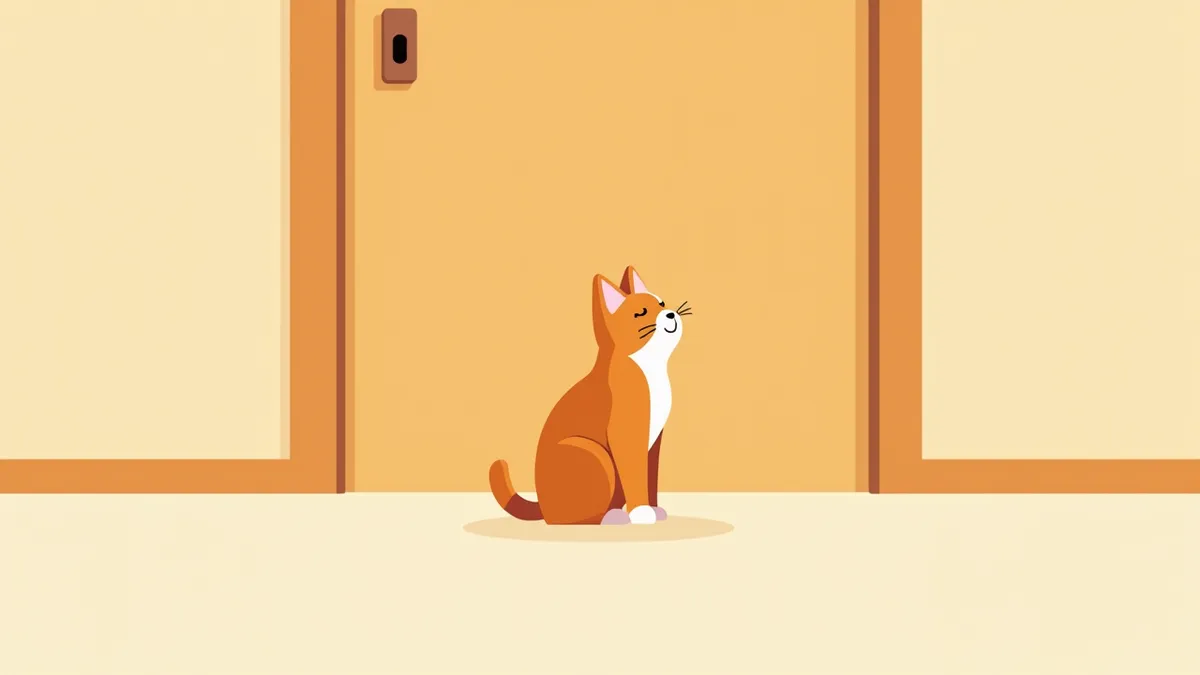
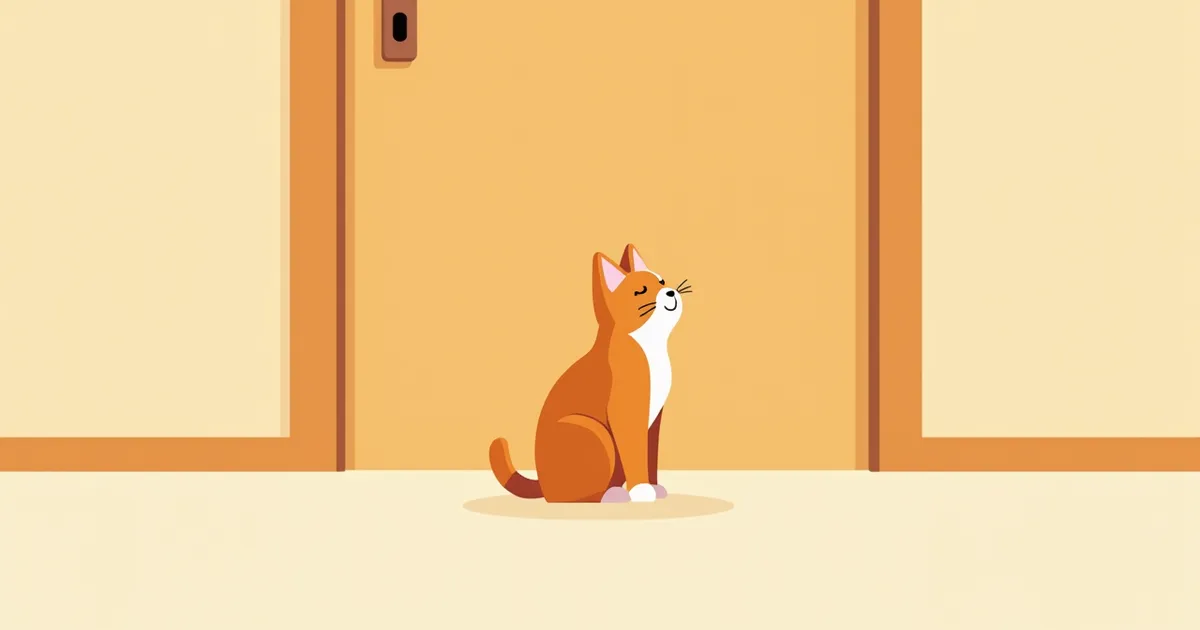
A nervous cat waiting alone by the front door
Feline separation anxiety is a behavioral issue characterized by repeated, excessive stress responses when a cat is left alone. Because cats are naturally more independent and generally adapt well to being by themselves, symptoms can be subtle and often go unnoticed for a long time. The key takeaway is that if your cat repeatedly exhibits destructive behaviors like scratching, excessive vocalization, or litter box issues while you’re away, separation anxiety should be suspected. Since the underlying causes and motivations are multifactorial, behavior modification forms the foundation of treatment, though medication may be added at the veterinarian’s discretion if symptoms are severe.

Key Symptoms of Separation Anxiety — Suspect It If You See Two or More
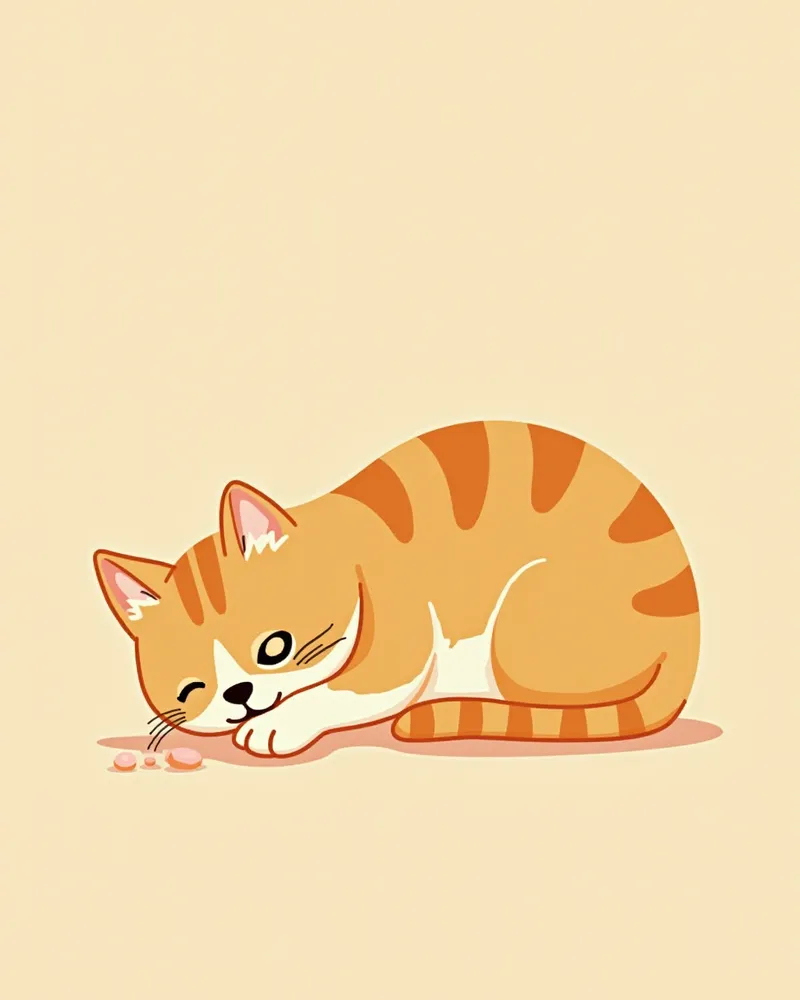
If the following symptoms recur around the time you leave or return home, it may be worth considering separation anxiety. These symptoms can range from mild anxiety to more severe manifestations.
Excessive vocalization: The pet may continuously cry or meow while you're away.
Destructive behavior: Repeatedly scratching furniture or wallpaper, or knocking things over.
Accidents outside the litter box: Urinating or defecating in places other than the designated litter area.
Changes in appetite: A noticeable difference in eating habits, such as not eating well when left alone.
Over-grooming: Excessively licking specific areas, leading to hair loss.
Cats that over-groom due to stress

Severity of Separation Anxiety — Mild vs. Severe Comparison

ItemMildSevere
Severity of SymptomsMild anxiety signs appear intermittentlyDistinct anxiety signs persist relatively long while alone
Main BehaviorsMild signs such as intermittent crying and appetite changesDistinct signs such as excessive vocalization, repetitive scratching, and litter box accidents
Reaction After Return HomeSettles down relatively quicklyExcessive attachment and excitement continue
Recommended ResponseCan start home behavioral correctionVeterinary care needed

Even if mild, if symptoms consistently recur, consulting a veterinarian is recommended.

Why Does My Cat Have Separation Anxiety?
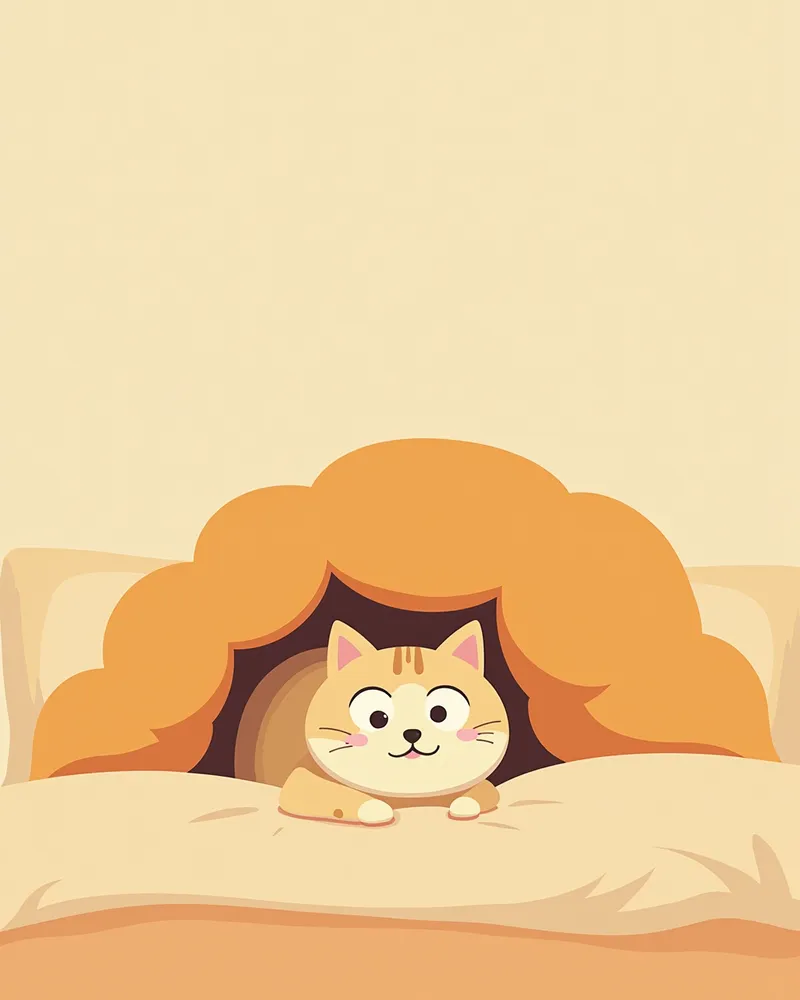
Separation anxiety isn’t caused by a single factor, but rather by a combination of several influences. Common triggers include fear, anxiety, and frustration—such as being unable to access desired resources or their caregiver—as well as a lack of environmental enrichment. Sudden changes like moving or shifts in the caregiver’s routine, or frightening experiences while alone, can also set off the condition. Cats that are overly attached or dependent on their caregivers may feel more anxious when separated, and those with prior shelter experiences or frequent environmental changes may be more sensitive to being left alone.
A cat hiding under the bed due to anxiety

Seek Veterinary Care Immediately If You See These Symptoms

If your pet’s separation anxiety has escalated to the point of self-harm, if they’ve refused food or water for more than 24 hours, or if excessive grooming has caused skin injuries, seek veterinary care immediately. Even symptoms that appear to be behavioral issues may stem from underlying medical conditions, such as pain-related disorders or other internal diseases. Therefore, rather than assuming it’s purely a behavioral problem, it’s safest to have your veterinarian conduct a thorough medical evaluation as well.

Behavior Modification You Can Start at Home — Systematic Desensitization and Counterconditioning

The key approach recommended in veterinary behavior textbooks is to combine systematic desensitization (gradual exposure) with counterconditioning (pairing the experience with positive outcomes). This works by associating pre-departure cues, such as picking up keys or putting on shoes, with treats, thereby teaching your pet that these signals are not something to fear. Start with very short absences of about 30 seconds, and only increase the duration once your pet remains calm. Leaving for too long too soon can actually backfire and worsen the problem.
A cat owner giving treats to their cat before going out as part of counterconditioning training.

What You Should Never Do for Separation Anxiety

Punishment or scolding only worsens anxiety. You should also avoid overexciting your cat when you return home. Never adopt another cat without first practicing separation, and never administer sedatives without a veterinarian’s prescription.

When Is Pharmacological Treatment Necessary?

For moderate to severe separation anxiety, behavior modification alone may lead to slow improvement. If a veterinarian deems it necessary, they may prescribe anti-anxiety or antidepressant medications, such as SSRIs like fluoxetine or paroxetine. These medications typically take several weeks to show their full effect. It is crucial to administer these drugs strictly according to the veterinarian’s prescription and instructions, avoiding any arbitrary changes to dosage or discontinuation. Most importantly, medications are known to be significantly more effective when used in conjunction with behavior modification rather than as a standalone treatment.

Reviewed by a veterinarian

Dr. Tony — Punnawat Phongkittirak

Dr. Tony — Punnawat Phongkittirak

Veterinarian

A veterinarian who majored in veterinary medicine at Khon Kaen University, Thailand, and completed the IVSA program at North Carolina State University in the United States. Drawing on clinical experience at animal hospitals, he works in the pet healthcare field and is dedicated to building a digital care environment that connects pet parents with veterinarians.

Frequently Asked Questions

How can I tell if my pet has separation anxiety or is simply a sensitive individual?
Separation anxiety is characterized by problem behaviors that occur specifically when the pet owner is absent. The most accurate way to confirm this is to record the pet’s behavior during the owner’s absence using a home camera or CCTV. If the pet behaves normally when the owner is present but exhibits repetitive problematic behaviors only when left alone, separation anxiety is highly likely.
How long does behavior modification take?
The duration varies depending on the severity of symptoms and your cat’s personality, so it’s difficult to set a fixed timeline. In most cases, consistent effort over several weeks to months is necessary. Expecting quick results can lead to frustration and giving up midway. The key is to progress gradually, celebrating small victories at each step.
Wouldn't it be better to completely eliminate the time they spend alone?
Eliminating alone time entirely can actually worsen separation anxiety. It’s essential to gradually acclimate your cat to being alone through short, positive separation exercises. The key to treatment lies in slowly reducing their dependence on you.
Are pheromone diffusers effective for separation anxiety?
Studies have shown that cat pheromone products can help reduce anxiety in some cats. However, they should be used as a supportive tool alongside behavioral modification rather than as a standalone solution for separation anxiety. If symptoms are severe, consulting a veterinarian should be the first step.
Will adopting another cat resolve my current cat’s separation anxiety?
Not necessarily. In fact, the stress of adopting a new cat can actually worsen your current cat's anxiety. It's safer to first stabilize your current cat's separation anxiety symptoms and consult with a behavior specialist before making a decision.

Share

Related Guides

References

[1] Veterinary Guide to Preventing Behavior Problems in Dogs and Cats. Counterconditioning and Desensitization chapter.

[2] Introduction to Animal Behavior and Veterinary Behavioral Medicine. Chapter 5: Counterconditioning; Chapter 15: Practice Departures with Counterconditioning; Chapter 17: Systematic Desensitization and Medications.

[3] Mazur J.E., Learning and Behavior, 2016.

This information is based on veterinary literature and does not replace diagnosis or treatment. Please consult a veterinarian for specific health concerns.

Metapet Co., Ltd. | CEO: Park Sung-yong | Business Reg. No. 417-88-02562 | Seoul, South Korea | Customer Center

Can Cats Get Separation Anxiety? How to Help Your Cat | Meongsiljang