

The Ultimate Guide to Choosing Dog Food (by Age and Constitution)
We’ve compiled the key criteria for choosing dog food based on age (puppy, adult, senior) and individual sensitivities (allergies, digestive issues), all grounded in veterinary nutrition textbooks.
How to Choose Dog Food?

Nutritional Needs Vary by Age
Key Comparison for Choosing Food by Age
| Category | Protein | Fat | Calcium | Key Points |
|---|---|---|---|---|
| Puppy | High | High | Appropriate amount | Essential to use puppy-specific food |
| Adult Dog | Moderate | Moderate | Moderate | Choose based on weight maintenance and activity level |
| Senior Dog | Moderate to High | Moderate | Moderate | Check for joint and digestive support ingredients (age at which senior stage begins varies by size) |
| Large Breed Puppy | High | Moderate | Strictly limited | Choose large-breed-specific puppy food |
How to Choose Puppy Food

Be Sure to Follow These Rules When Switching Food
When switching your pet’s food, transition gradually over at least 7 to 10 days. Slowly mix increasing amounts of the new food with the old food, gradually raising the proportion of the new diet. Sudden changes can cause digestive issues such as vomiting, diarrhea, or decreased appetite. If loose stools or vomiting persist for more than two days during the transition, consult your veterinarian.
How to Choose Food by Constitution

How to Read the Ingredient List
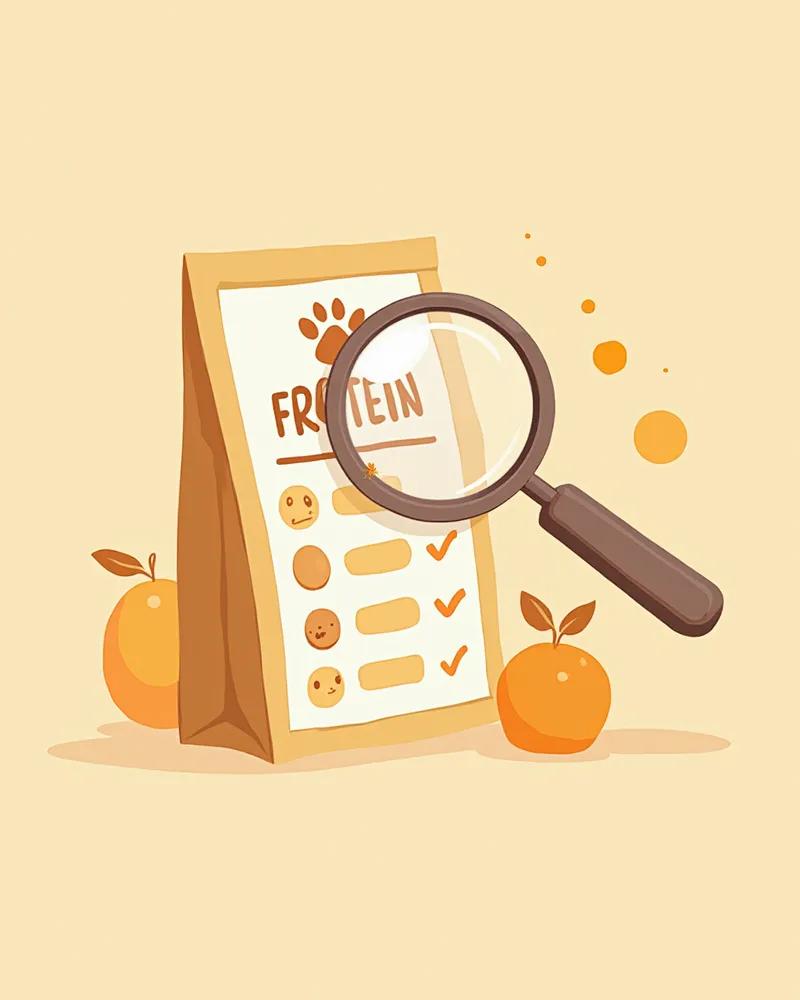
Is Grain-Free Food Really Necessary?
Grain-free diets have gained popularity recently, but according to veterinary nutrition textbooks, grains are not harmful to healthy dogs. Grains such as rice and oats serve as good energy sources. Additionally, veterinary cardiology research has reported cases of dilated cardiomyopathy (DCM) in some dogs fed grain-free diets primarily composed of legumes, potatoes, and lentils. Although a direct causal relationship has not yet been fully established, we do not recommend choosing grain-free diets without a veterinarian’s diagnosis. When you’re unsure about which food to choose, consulting with your veterinarian is the most reliable approach.
Remember This One Thing About Feeding Amounts
Reviewed by a veterinarian

Dr. Tony — Punnawat Phongkittirak
VeterinarianA veterinarian who majored in veterinary medicine at Khon Kaen University, Thailand, and completed the IVSA program at North Carolina State University in the United States. Drawing on clinical experience at animal hospitals, he works in the pet healthcare field and is dedicated to building a digital care environment that connects pet parents with veterinarians.
Reviewed 2026-04-13
Frequently Asked Questions
Which is better, dry food or wet food?
Is it safe to feed my pet homemade (natural) food?
What should I do if my pet refuses to eat its food?
What should I do if my dog’s food has passed its expiration date?
Should I change my pet’s food frequently?
Share
Related Guides

My Senior Cat Won’t Eat — A Complete Guide to Choosing Food for Cats with Weak Digestion

Top 5 Prescription Diets for Feline Pancreatitis Recommended by Veterinarians — Low-Fat, Highly Digestible Food Guide

Royal Canin vs Hill’s vs Purina vs Orijen — Which Brand Is Right for Your Pet, According to Veterinarians?

Rice-like Granules Around Your Dog’s Anus — Tapeworm Causes and When to Visit the Vet

Canine Mast Cell Tumor Treatment by Grade and Post-Operative Care — A Step-by-Step Guide for Pet Owners
Emergency First Aid for Cats Accidentally Treated with Dog Tick Medication (Pyrethrin) — Symptoms, Treatment, and Prognosis Overview
Feline Bladder Stones: Which Prescription Diet Is Right? — How Diets Differ by Stone Type

If Your Senior Cat Is Vocalizing at Night or Pacing — Symptoms and Management of Cognitive Dysfunction

What Is Dog Mange? — Demodex and Sarcoptic Mange Symptoms and Treatment

When to Deworm Cats for Roundworms: Schedules and Medication Guide for Kittens and Adults
References
[1] Applied Veterinary Clinical Nutrition, 2nd Ed — Andrea J. Fascetti, Sean J. Delaney — Chapter 8: Commercial and Home-Prepared Diets
[2] Clinical Medicine of the Dog and Cat, 4th Ed — Chapter 25: Nutritional Support
[3] The Dog Care Handbook: Things I Wish My Vet Had Told Me — Michael Little — Chapter: Nutrition and Feeding