Like
Share
멍실장
고양이 ACE억제제·ARB 신장 보호 자주 묻는 질문 Q&A — 보호자가 꼭 알아야 할 핵심

Why Use ACE Inhibitors and ARBs for Cats? — Kidney Protection Effects and Side Effects Q&A

KidneyQ&AMeongsiljang Veterinary Advisory Board

We’ve compiled the essential information pet owners need to know about the efficacy, safety, and precautions for using ACE inhibitors and ARBs in the treatment of feline chronic kidney disease.

What Is Kidney Protection with ACE Inhibitors and ARBs in Cats?

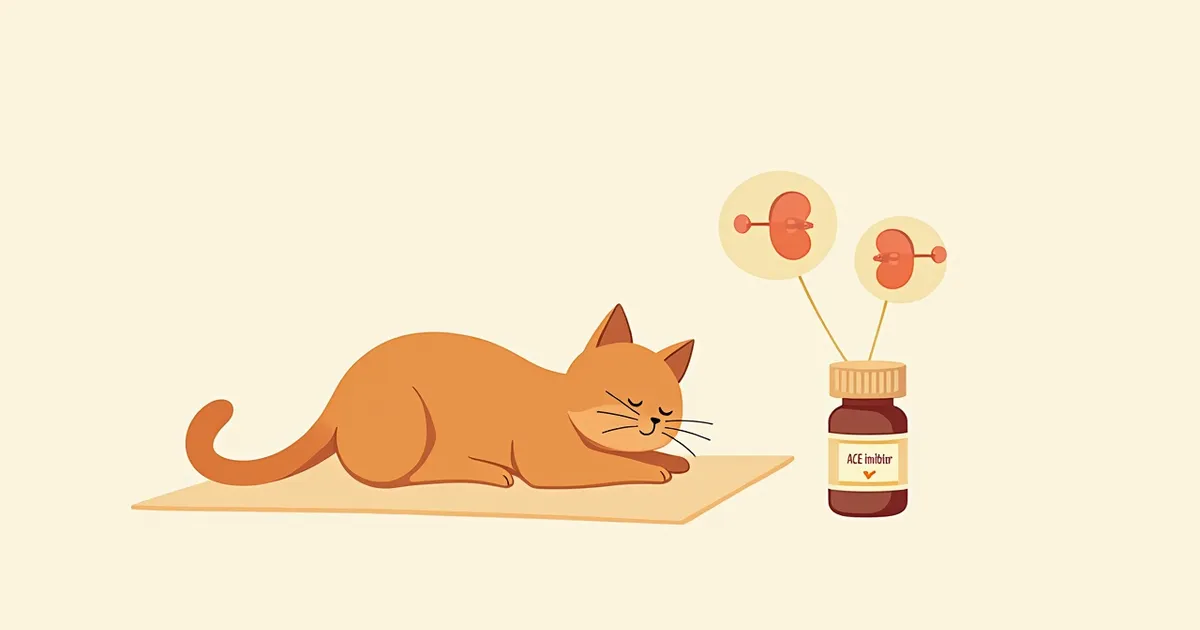
A veterinarian prepares medication alongside an image of a cat's kidneys.
ACE inhibitors and ARBs are medications used to manage chronic kidney disease in cats, helping to reduce protein loss in the urine (proteinuria). These drugs work by inhibiting the renin-angiotensin-aldosterone system (RAAS), which lowers pressure within the kidney’s glomeruli. - ACE inhibitors: These prevent the production of angiotensin II, a hormone that constricts blood vessels, thereby reducing glomerular pressure and minimizing protein loss. - ARBs: These block angiotensin II from binding to its receptors, providing similar kidney-protective effects. Both medications help slow the decline of kidney function by reducing proteinuria, but they must be administered under a veterinarian’s regular monitoring. They should not be used in cases of dehydration or low blood pressure, and kidney values and safety must be closely monitored through blood tests during treatment.

Why Are ACE Inhibitors and ARBs Effective for Feline Chronic Kidney Disease?
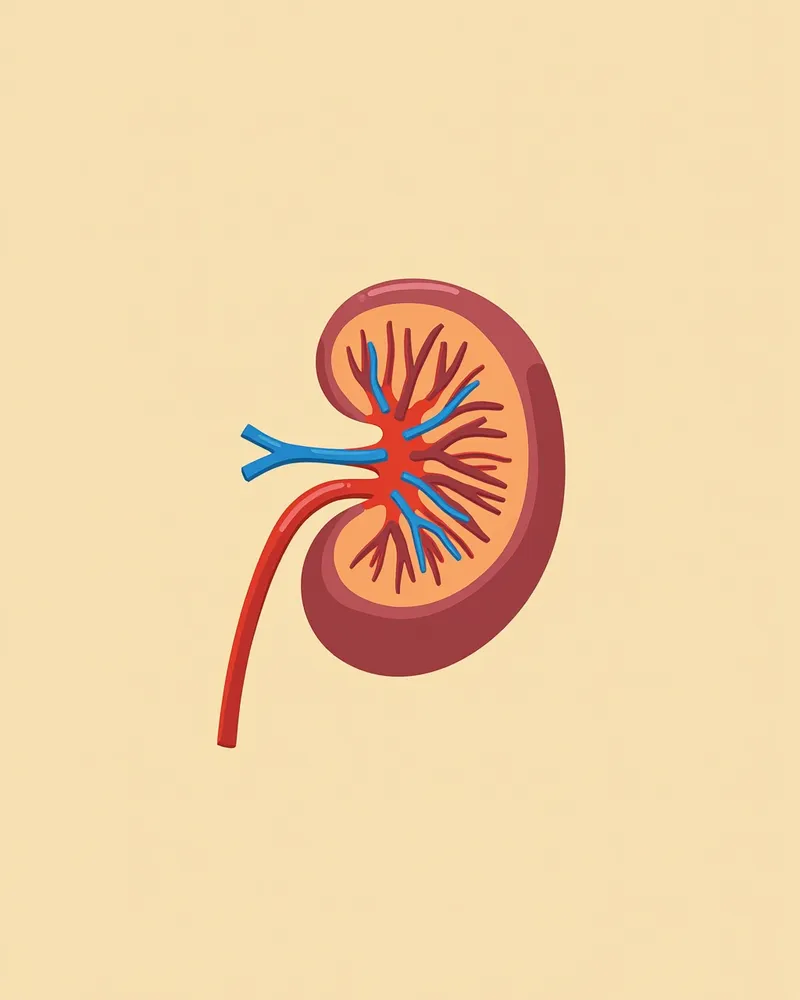
In feline chronic kidney disease, damage to the glomeruli leads to proteinuria, where protein leaks into the urine, and the remaining functional kidney units (nephrons) experience a burden of hyperfiltration. - ACE inhibitors: These drugs inhibit the production of angiotensin II, reducing the tension in the efferent arterioles (the blood vessels exiting the glomerulus). This effectively lowers intraglomerular pressure and reduces proteinuria. - ARBs (Angiotensin II Receptor Blockers): By blocking angiotensin II receptors, ARBs similarly reduce the burden on the kidneys and help slow functional decline. Both drug classes alleviate glomerular hyperfiltration, thereby minimizing tissue damage and contributing to long-term kidney protection. Veterinary internal medicine textbooks have documented the efficacy of these medications in reducing proteinuria. Regular testing and monitoring are essential when administering these drugs.
An image highlighting the blood vessels and blood flow in a cat's kidneys.

What Should You Watch Out for When Administering ACE Inhibitors and ARBs?

ACE inhibitors and ARBs can be risky for cats that are dehydrated, have low blood pressure (hypotension), or have unstable kidney function, so they are typically prescribed only after the cat’s condition has stabilized. - Low blood pressure: If the medication causes blood pressure to drop too low, it may lead to dizziness or shock. - Hyperkalemia: Elevated potassium levels in the blood can cause abnormal heart rhythms or muscle weakness. Regular blood tests are necessary to monitor kidney values and electrolytes, and the dose may need to be reduced or discontinued depending on kidney function. If your cat shows signs of loss of appetite, vomiting, or lethargy, consult your veterinarian immediately. The dosage should be adjusted based on the cat’s weight and overall condition.
A cat taking medication appears slightly uncomfortable.

ACE Inhibitors vs ARBs — Comparison of Key Differences

ItemACE inhibitorARB
Mechanism of actionInhibits production of the vasoconstrictor hormone (angiotensin II)Blocks the angiotensin II receptor (type 1)
Proteinuria-reducing effectHighHigh (telmisartan may be greater than ACE inhibitors)
Side effect frequencySlightly higher (cough is rare in cats)Low
Blood-pressure-lowering effectRelatively mildTends to be greater than ACE inhibitors

According to veterinary textbooks, both drugs help protect the kidneys by reducing proteinuria, and ARBs tend to have a greater blood-pressure-lowering effect. However, the first-line drug for feline hypertension is amlodipine, and ACE inhibitors are not recommended as a sole antihypertensive agent; the choice varies depending on side effects and indications.

When to Seek Veterinary Care for Symptoms While Taking ACE Inhibitors and ARBs

If your pet experiences a sudden loss of appetite, repeated vomiting or diarrhea, lethargy, difficulty breathing, or cloudiness in the eyes while taking the medication, seek veterinary care immediately. - Sudden drop in blood pressure: This can lead to dizziness, shock, and decreased consciousness. - Hyperkalemia: This can cause abnormal heart rhythms and muscle weakness, potentially signaling medication side effects or worsening kidney function. Prompt action can be life-saving, so consult your veterinarian immediately if these symptoms appear. Stop the medication and monitor your pet’s condition until you reach the clinic.
The cat appears anxious, with its owner and the veterinarian present together.

Emergency: Severe Side Effects Occur While Taking Medication

If your cat experiences severe vomiting, seizures, loss of consciousness, or difficulty breathing after taking medication, seek veterinary care immediately. These symptoms may indicate an allergic reaction or serious side effects. Stop administering the medication right away and provide your veterinarian with the exact dosage and time of administration.

Daily Management Tips for Administering ACE Inhibitors and ARBs

To help your pet take medication regularly, establish a routine of administering it at the same time each day. Giving the medication with treats or food can also be helpful. - Ensure adequate water intake: Place water bowls in multiple locations and always provide fresh, clean water. - Regular check-ups: Schedule regular blood tests and kidney function tests to monitor the effectiveness of the medication. - Monitor symptoms: Check your pet’s appetite, activity level, and elimination habits daily. If you notice any unusual signs, consult your veterinarian immediately. Healthy daily habits enhance the effectiveness of the medication.
A cat drinking water from a multi-tiered fountain

Reviewed by a veterinarian

Dr. Tony — Punnawat Phongkittirak

Dr. Tony — Punnawat Phongkittirak

Veterinarian

A veterinarian who majored in veterinary medicine at Khon Kaen University, Thailand, and completed the IVSA program at North Carolina State University in the United States. Drawing on clinical experience at animal hospitals, he works in the pet healthcare field and is dedicated to building a digital care environment that connects pet parents with veterinarians.

Frequently Asked Questions

Are ACE inhibitors and ARBs always safe for cats?
Not all cats are safe to use this product. It can be dangerous for cats with severely impaired kidney function or low blood pressure. A veterinarian will prescribe it based on the test results.
Will kidney function worsen if the medication is stopped?
Stopping the medication can cause proteinuria to increase again and accelerate the decline in kidney function. Discontinuing the drug is strictly prohibited; dosage adjustments must be made only under veterinary guidance.
Do ACE inhibitors cause coughing?
Coughing is uncommon in cats, but respiratory symptoms can occasionally occur. If the coughing persists, please consult your veterinarian.
My pet lost its appetite after taking the medication. Is this normal?
Loss of appetite can be a sign of side effects. Contact your veterinarian immediately, as the medication may need to be discontinued or the dosage adjusted.
Should I feed my pet before giving them medication?
It's best to administer this medication with meals. Giving it on an empty stomach may cause gastrointestinal irritation. For optimal results, try to give it at consistent times that align with your cat's regular feeding schedule.

Share

Related Guides

References

[1] Langston, C.E. et al. (2023) Small Animal Critical Care Medicine, 3rd Edition. Elsevier.

[2] The Cat, Clinical Medicine and Management, 2nd Edition (2022). Elsevier.

[3] Plumb's Veterinary Drug Handbook, 9th Edition (2023). Wiley.

This information is based on veterinary literature and does not replace diagnosis or treatment. Please consult a veterinarian for specific health concerns.

Metapet Co., Ltd. | CEO: Park Sung-yong | Business Reg. No. 417-88-02562 | Seoul, South Korea | Customer Center

Why Use ACE Inhibitors & ARBs for Cats? Benefits & Side Effects | Meongsiljang