Like
Share
멍실장
강아지 인슐린종 자주 묻는 질문 Q&A — 보호자가 꼭 알아야 할 핵심

What is Canine Insulinoma? — Hypoglycemia Signs You Must Not Miss

EndocrineQ&AMeongsiljang Veterinary Advisory Board

Canine insulinoma is a pancreatic tumor that secretes excessive amounts of insulin, leading to hypoglycemia and causing significant concern for pet owners. In this article, we’ll address the key questions you may have.

What is Canine Insulinoma?
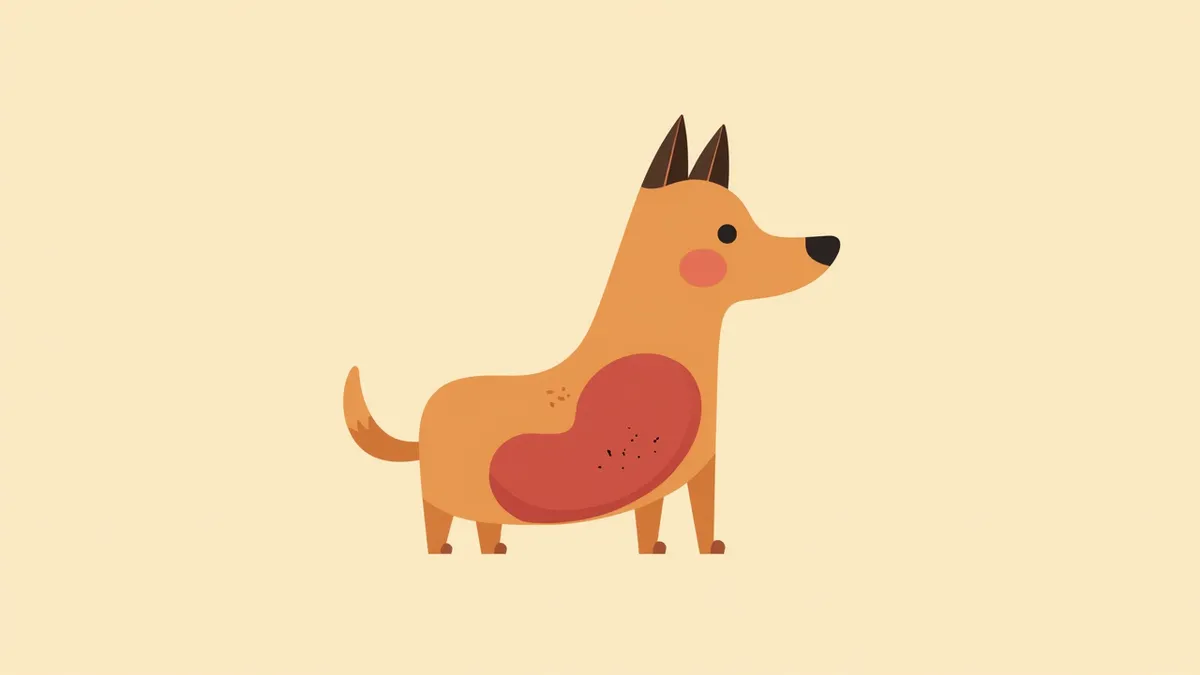
Anatomical image of an insulinoma tumor in a dog's pancreas
Canine insulinoma is a neuroendocrine tumor arising from the beta cells of the pancreas and is the most common functional pancreatic tumor in dogs. Although hypoglycemia normally signals the body to suppress insulin secretion, this tumor continues to release insulin even during hypoglycemic states, leading to persistent low blood sugar. As a result, dogs may exhibit neurological signs such as weakness, generalized lethargy, collapse, muscle tremors, behavioral changes, and confusion. Diagnosis is confirmed when inappropriately elevated blood insulin levels are detected despite hypoglycemia (blood glucose approximately 54 mg/dL or lower). Insulinomas are typically malignant, with frequent metastasis to the lymph nodes and liver, and survival rates do not appear to differ significantly based on the tumor’s location within the pancreas. While this condition can be challenging for pet owners, early detection and appropriate management can help maintain your dog’s quality of life.

What are the Main Causes of Insulinoma?

The exact cause of insulinoma in dogs remains unknown. However, this tumor is the most common functional neuroendocrine tumor in dogs, typically arising from the beta cells of the pancreas. Other neuroendocrine tumors, such as gastrinomas and glucagonomas, can also develop in the same organ. While insulinomas are frequently diagnosed in older dogs, current evidence does not confirm whether specific breeds, genetic predispositions, or dietary and environmental factors directly cause the disease. The precise mechanisms underlying tumor development still require further research. Therefore, rather than pinpointing a definitive cause, it is most important to seek early testing for diagnosis and management as soon as neurological symptoms associated with hypoglycemia appear. If you suspect symptoms, prompt confirmation through regular veterinary check-ups is recommended.
Diagram of the main risk factors for canine insulinoma

What are the Main Symptoms of Insulinoma?

The hallmark signs of an insulinoma in dogs are weakness, generalized lethargy, fainting, and muscle tremors caused by low blood sugar. These hypoglycemic episodes are often triggered by exercise or excitement, and can also occur after prolonged fasting. Because the symptoms can be intermittent, they may appear sporadically, sometimes requiring an extended fasting period (up to 72 hours) for confirmation. You may notice sudden collapse, weakness in the hind legs, behavioral changes, confusion, or an abnormal gait. In severe cases, seizures can occur. If these neurological symptoms recur, consult your veterinarian immediately, as early detection is crucial for successful treatment.
A dog that collapsed due to hypoglycemia caused by an insulinoma

Signs Requiring Immediate Veterinary Visit

If your dog suddenly collapses or has a seizure, you should take them to the vet immediately. Hypoglycemia can be life-threatening, so blood glucose levels need to be checked, and prompt emergency treatment is essential.

How is it Diagnosed?

Canine insulinoma is diagnosed by confirming hypoglycemia (typically blood glucose ≤54 mg/dL) via blood tests and simultaneously assessing whether blood insulin levels are inappropriately elevated at that time. The relationship between fasting blood glucose and insulin levels is a key diagnostic clue, and repeated fasting blood glucose measurements can be helpful when symptoms are intermittent. Ultrasound and radiography are used to locate tumors, but their sensitivity is limited to approximately 50%. CT scans, particularly contrast-enhanced CT, are better at detecting small tumors or lymph node metastasis. However, it is important to note that histological and cytological examinations alone cannot reliably predict whether a tumor is benign or malignant or assess the likelihood of metastasis. For an accurate evaluation, it is best to combine multiple diagnostic tests.
An ultrasound examination scene for diagnosing insulinoma in dogs

What are the Treatment Options?

Treatment for canine insulinoma generally falls into two categories: surgery and medical (non-surgical) management. Surgery is the preferred option when the tumor can be surgically removed, with studies showing that partial pancreatectomy can extend survival time. However, because most cases follow a malignant course, a complete cure is difficult, and hypoglycemia often recurs over time due to metastasis. If there is widespread metastasis or if hypoglycemia returns after surgery, medical management is employed. Drugs such as prednisolone (a steroid) and diazoxide are used to inhibit insulin secretion and stabilize blood glucose levels, while octreotide and toceranib may also be utilized. Dietary management is implemented alongside these treatments, and regular follow-up care is essential even after treatment begins. Close cooperation from pet owners and consistent communication with your veterinarian are key to successful management.
A dog recovering after surgery for an insulinoma

Home Care Tips

If your dog experiences hypoglycemia after meals, it’s best to divide their daily food into three to four small meals. If sudden symptoms appear, quickly give them a sugar-containing drink or honey. Regular blood glucose monitoring and veterinary check-ups are essential, and keeping a record of symptom changes can be very helpful. It’s also important to manage exercise levels and provide a low-stress environment. Medications should be administered at the correct times and in the proper doses. Consistent care from you, the pet owner, is key to maintaining your dog’s quality of life.
A scene of a dog with insulinoma being managed at home during mealtime

Comparison Table of Treatment Methods

ItemSurgeryMedical (Internal) TreatmentDietary/Conservative Management
EffectivenessHigh (though complete cure is difficult)Medium (relieves hypoglycemia/supportive)Supportive
CostVery highMediumLow
Side EffectsComplications possible such as pancreatitis, hyperglycemia/diabetes, hypoglycemiaEffect diminishes over time, steroid side effectsDoes not treat the disease itself
SuitabilityWhen the tumor is localized and resectableWhen there is metastasis or recurrence after surgeryIn combination with surgery/medication

The treatment choice depends on tumor size, presence of metastasis, and the dog's overall health condition.

Reviewed by a veterinarian

Dr. Tony — Punnawat Phongkittirak

Dr. Tony — Punnawat Phongkittirak

Veterinarian

A veterinarian who majored in veterinary medicine at Khon Kaen University, Thailand, and completed the IVSA program at North Carolina State University in the United States. Drawing on clinical experience at animal hospitals, he works in the pet healthcare field and is dedicated to building a digital care environment that connects pet parents with veterinarians.

Frequently Asked Questions

Can a dog’s insulinoma be cured?
Surgical removal of the tumor can alleviate symptoms and extend survival time. However, most canine insulinomas follow a malignant course and frequently metastasize to the lymph nodes and liver, making a complete cure difficult. As time passes, hypoglycemia often recurs, necessitating long-term management.
Is insulinoma contagious to other dogs?
No. Insulinoma is a tumor (neoplasm) that develops in the cells of the pancreas, and since it is not an infectious disease, it cannot be transmitted to other dogs.
Will the symptoms improve with dietary management alone?
Dietary management can help reduce hypoglycemia, but it does not treat the insulinoma itself. A veterinary diagnosis and active treatment, such as surgery or medication, are necessary.
Which dog breeds are more commonly affected by insulinoma?
The provided data do not support the claim that insulinomas are more common in certain breeds. However, insulinomas are the most common functional neuroendocrine tumors of the pancreas, and they are primarily diagnosed in older dogs.
What should you do if your pet shows signs of hypoglycemia?
Immediately give your pet a fast-acting sugar source, such as a sugary drink or honey. If symptoms persist, seek veterinary care; the veterinarian will check blood glucose levels and take appropriate measures, such as administering intravenous glucose.

Share

Related Guides

References

[1] Plumb, D. C. (2023). Plumb's Veterinary Drug Handbook, 10th Edition. Wiley-Blackwell.

[2] Ettinger, S. J., & Feldman, E. C. (2022). Textbook of Veterinary Internal Medicine, 9th Edition. Elsevier.

[3] American College of Veterinary Internal Medicine (ACVIM). (2021). Guidelines for Diagnosis and Management of Canine Insulinoma. ACVIM Consensus Statement.

This information is based on veterinary literature and does not replace diagnosis or treatment. Please consult a veterinarian for specific health concerns.

Metapet Co., Ltd. | CEO: Park Sung-yong | Business Reg. No. 417-88-02562 | Seoul, South Korea | Customer Center

What Is Canine Insulinoma? Hypoglycemia Signs Not to Miss | Meongsiljang