Like
Share
멍실장
강아지·고양이 수술 후 통증 관리 약물과 방법

Medications and Methods for Postoperative Pain Management in Dogs and Cats

ImmunityQ&AMeongsiljang Veterinary Advisory Board

Here’s a veterinary-evidence-based overview of the types of medications used for pain management in pets after surgery, along with home care guidelines.

Why Is Postoperative Pain Management Important?

Puppies and kittens recovering after surgery
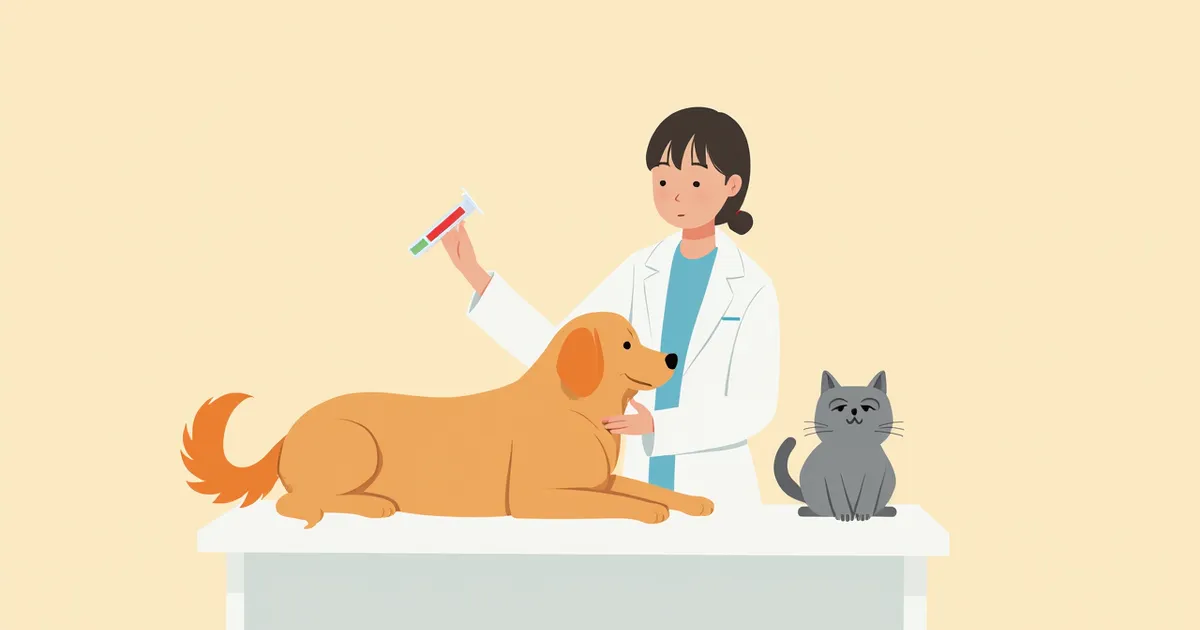
Postoperative pain management is a veterinary treatment process designed to reduce the pain pets experience after surgery, helping them recover more quickly. The most important aspect is actively managing pain right from the moment the surgery ends. If pain isn’t properly controlled, recovery can slow down, and discomfort may last longer. That’s why many clinics now use a “preemptive analgesia” approach, giving pain relief before the surgery even begins. According to veterinary anesthesia textbooks, techniques like administering pure mu-opioid analgesics or oral anti-inflammatory pain relievers before surgery, along with using multiple medications together in a balanced way, are effective in improving postoperative pain management. For this reason, it’s recommended to combine different methods rather than relying on just one medication.

How Can You Tell If Your Pet Is in Pain?

Pets instinctively hide their pain, so owners need to observe them closely. If you notice any of the following signs, your pet is likely experiencing discomfort.
Decreased appetite: Eating less than usual or showing no interest in treats.
Postural changes: Crouching or lying down as if protecting the surgical site.
Excessive licking: Continuously licking or biting at the surgical area.
Vocal reactions: Whining or growling when touched.
Reduced activity: Reluctance to move and staying in corners.
Cat-specific signals: Hiding, avoiding interaction with people, decreased or increased grooming, and changes in facial expressions (ear position and facial muscles).

Types of Medications Used for Postoperative Pain Management

Veterinarians combine various medications depending on the type of surgery and the pet’s condition. Here’s a breakdown of the main drug classes:
Nonsteroidal anti-inflammatory drugs (NSAIDs): These are the most commonly used medications, as they reduce both inflammation and pain. They are frequently prescribed as oral medications after surgery.
Opioid analgesics: Used for moderate to severe pain, these are often administered via injection on the day of surgery.
Local anesthetics: Injected directly into the surgical site to block pain in that specific area. In small animal practice, local anesthetics like lidocaine are used as part of multimodal anesthesia protocols to help manage postoperative pain.
Adjuvant analgesics: Additional medications used to treat nerve pain or chronic pain.

Non-Pharmacological Pain Management Methods
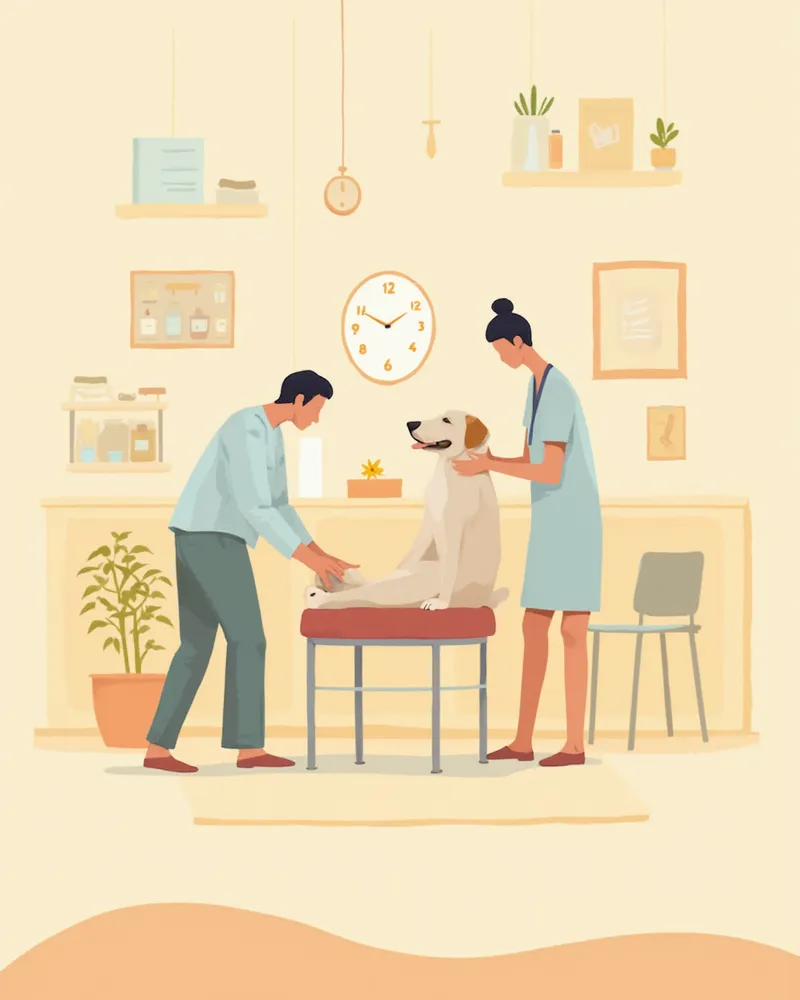
Combining non-pharmacological therapies with medication can lead to faster recovery than relying on drugs alone.
Cold Compresses: Applying a cold compress to the surgical site immediately after surgery can help reduce swelling and discomfort. Always wrap ice in a towel before use, and follow your veterinarian’s specific instructions regarding application time and method.
Environmental Adjustments: Providing non-slip flooring, low beds, and a quiet space can minimize pain during movement.
Activity Restriction: Limit running and stair climbing for the duration specified by your veterinarian.
Rehabilitation Therapy: Depending on the type of surgery, physical therapy administered by a veterinary rehabilitation specialist can significantly aid recovery.
A puppy receiving cold compress therapy after surgery

Go to the Vet Immediately If You See These Symptoms

If any of the following symptoms appear after surgery, they may indicate side effects from pain medication or surgical complications. Contact your veterinarian immediately. • Vomiting or diarrhea lasting more than 24 hours • Bleeding or discharge of pus from the surgical site • Pale gums or a body temperature exceeding 39.5°C • Pain that does not subside or worsens despite administering pain medication • Rapid or labored breathing

Rules to Follow When Administering Pain Relievers at Home
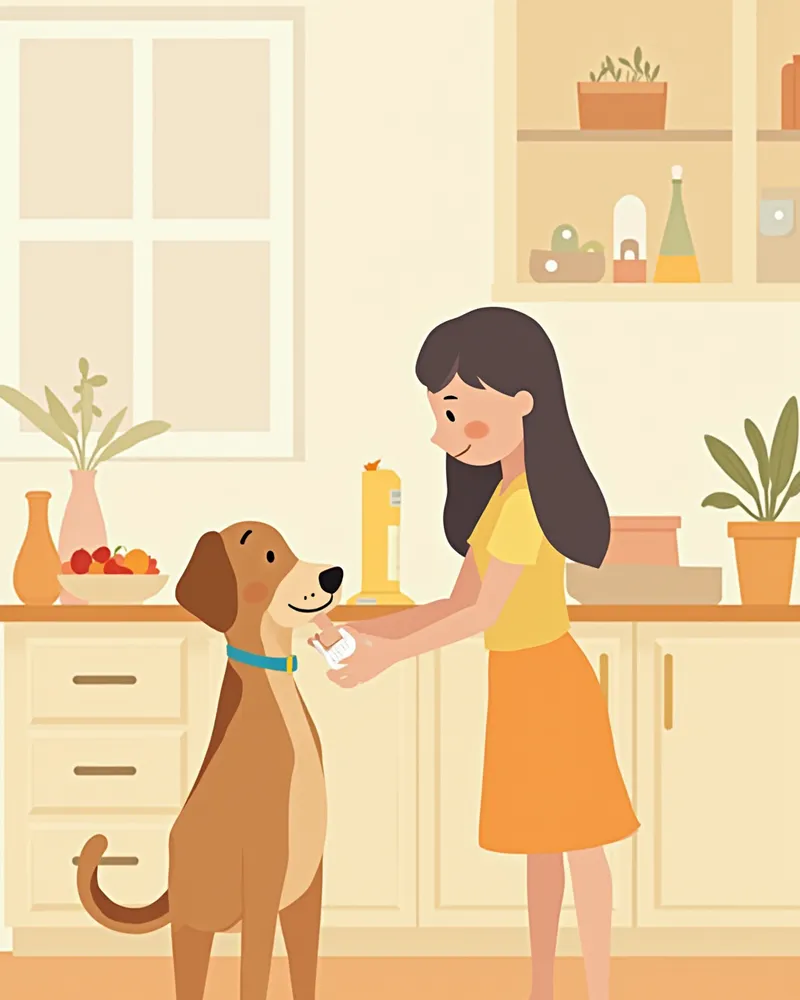
When administering a veterinarian-prescribed pain reliever at home, there are a few important rules to follow.
Accurate dosage: Always adhere strictly to the dosage and dosing interval prescribed by your veterinarian. Do not increase the amount on your own, even if it seems ineffective.
Record dosing times: Keep a note of when you gave the medication so you don’t miss the next scheduled dose.
Give with food: Nonsteroidal anti-inflammatory drugs (NSAIDs) can cause gastrointestinal upset if given on an empty stomach, so it’s best to administer them with a small amount of food.
Do not stop early: Even if your pet seems to be doing well, continue the medication for the full duration prescribed by your veterinarian. Stopping early can lead to a recurrence of pain.
Pet owners administering medication to their dogs at home

Never Give Human Pain Relievers

Giving your pet human pain relievers when they seem unwell can be life-threatening. Ibuprofen can cause serious side effects in both dogs and cats, including gastrointestinal ulcers, kidney damage, and liver toxicity. Acetaminophen (the active ingredient in Tylenol) is extremely toxic to cats and should never be administered under any circumstances. While dogs may be prescribed acetaminophen by a veterinarian in limited cases, owners should never administer it without veterinary guidance due to the risk of toxicity from overdose. Other human pain relievers, such as naproxen and aspirin, can also cause severe adverse reactions in pets. Always use only medications prescribed by a veterinarian.

Duration of Pain Management by Surgery Type

The duration of pain management varies depending on the scope and type of surgery. Veterinary textbooks explain that the frequency and duration of postoperative pain assessment and analgesic management are determined by the type of surgery, the animal’s preoperative condition, and the analgesic protocol.
Neutering surgery: Recovery is relatively quick, so the pain management period is typically shorter.
Orthopedic surgery (fractures, cruciate ligament): Recovery takes longer, often requiring extended pain management and concurrent rehabilitation therapy.
Tumor removal surgery: The larger the excision area, the longer the pain management period may need to be.
Dental surgery (extractions, etc.): Pain is usually managed with prescribed nonsteroidal anti-inflammatory drugs (NSAIDs).
The exact duration should be determined by your veterinarian based on the type of surgery and your pet’s condition, so it’s important to follow the recommended timeframe. Additionally, extra caution is needed when using NSAIDs in senior animals or those with underlying conditions, especially kidney disease, requiring careful selection of medications and precise dosage adjustments.
An elderly dog resting while wearing a recovery cone

Reviewed by a veterinarian

Dr. Tony — Punnawat Phongkittirak

Dr. Tony — Punnawat Phongkittirak

Veterinarian

A veterinarian who majored in veterinary medicine at Khon Kaen University, Thailand, and completed the IVSA program at North Carolina State University in the United States. Drawing on clinical experience at animal hospitals, he works in the pet healthcare field and is dedicated to building a digital care environment that connects pet parents with veterinarians.

Frequently Asked Questions

How long should I give my pet pain medication after surgery?
The type and extent of the surgery, as well as your pet’s condition, will determine the duration. For quick-recovery procedures like neutering, pain medication may only be needed for a short time, whereas surgeries with longer recovery periods, such as orthopedic procedures, may require pain relief for a more extended period. Your veterinarian will determine the exact duration, so please strictly follow the prescribed timeframe.
What should I do if my pet vomits after taking pain medication?
A single episode of vomiting is often caused by giving medication on an empty stomach. Try administering the next dose with a small amount of food, and if the vomiting persists, contact your veterinarian to discuss adjusting the medication.
Can cats take the same painkillers as dogs?
No, cats metabolize medications differently, so pain relievers intended for dogs can be toxic to them. Acetaminophen, in particular, is extremely toxic to cats and should never be administered under any circumstances. Some nonsteroidal anti-inflammatory drugs (NSAIDs) can also cause severe toxicity in cats. Always obtain a prescription from your veterinarian for medications specifically formulated for cats.
Is it normal for my pet to keep licking the surgical site?
Licking can occur due to pain or discomfort. Excessive licking increases the risk of infection, so have your pet wear an Elizabethan collar (e-collar) and consult your veterinarian to ensure their pain is well managed.
Does effective pain management shorten the recovery period?
Yes, proactive pain management helps reduce your pet’s discomfort and maintain their appetite and activity levels, which supports the recovery process. Veterinary textbooks also support the use of preemptive analgesia and multimodal (balanced) drug combination protocols as effective for postoperative pain management and recovery.

Share

Related Guides

References

[1] Fossum TW. Preoperative and intraoperative care of the surgical patient. In: Fossum TW, Duprey LP, O'Connor D, editors. Small Animal Surgery. 3rd ed. Boston, MA: Elsevier; 2007.

[2] Reader RC, McCarthy RJ, Schultz KL, et al. Comparison of liposomal bupivacaine and 0.5% bupivacaine hydrochloride for control of postoperative pain in dogs undergoing tibial plateau leveling osteotomy. J Am Vet Med Assoc. 2020;256:1011-19.

[3] Ko JC. Small Animal Anesthesia and Pain Management: A Color Handbook. 3rd ed. CRC Press; 2018.

[4] Hosgood G, Scholl DT. Evaluation of age as a risk factor for perianesthetic morbidity and mortality in the dog. J Vet Emerg Crit Care. 1998;8(3):222-36.

This information is based on veterinary literature and does not replace diagnosis or treatment. Please consult a veterinarian for specific health concerns.

Metapet Co., Ltd. | CEO: Park Sung-yong | Business Reg. No. 417-88-02562 | Seoul, South Korea | Customer Center

Post-Op Pain Management in Dogs & Cats: Meds & Methods | Meongsiljang