Like
Share
멍실장
강아지 수면 중 호흡수(RR) 모니터링 심장 자주 묻는 질문 Q&A — 보호자가 꼭 알아야 할 핵심

Dog Sleep Respiratory Rate (RR) Monitoring Heart FAQ — Key Points Owners Must Know

RespiratoryQ&AMeongsiljang Veterinary Advisory Board

A dog’s respiratory rate (RR) during sleep is an important indicator for indirectly assessing heart health. Knowing the normal range can help you catch early signs of abnormalities.

Why is monitoring your dog’s respiratory rate (RR) during sleep important for heart health?

The sight of a puppy’s chest gently rising and falling as it sleeps
Monitoring your dog’s respiratory rate (RR) during sleep is a valuable way to indirectly assess heart and lung function. Knowing the normal range helps you catch early signs of illness. In the early stages of heart disease, symptoms may not appear during activity, but the respiratory rate during sleep can increase. This may indicate that the heart is not pumping blood effectively, causing blood to accumulate in the lungs. By simply checking your dog’s respiratory rate during sleep each day, you can help detect problems early.

What is the normal respiratory rate (RR) during sleep?
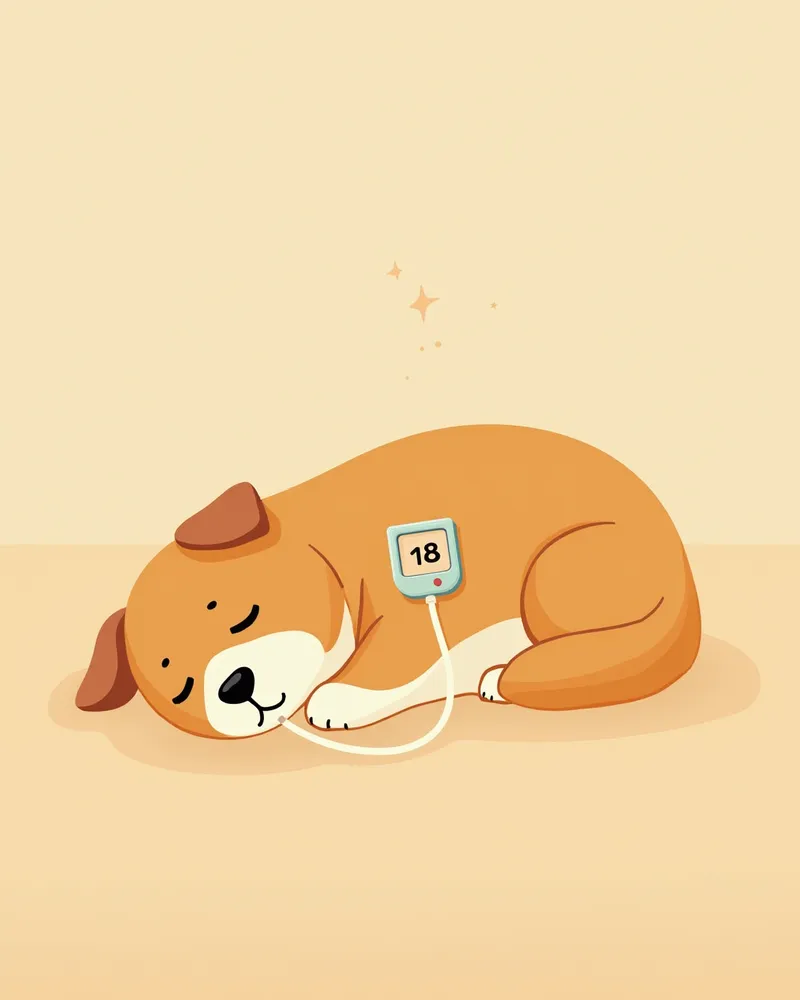
A dog’s normal respiratory rate during sleep is typically 20 to 30 breaths per minute. While this range may vary slightly depending on breed, weight, and age, rates consistently exceeding this range warrant attention. In particular, a sustained rate of more than 30 breaths per minute may indicate potential heart or lung issues. An elevated respiratory rate during sleep can stem from increased respiratory burden, reduced cardiac function, or a stress response. Knowing the normal range helps you quickly recognize any abnormal signs.
A puppy with a respiratory rate monitor attached to its chest while sleeping

What causes an increased respiratory rate during sleep?
There are many reasons why a dog’s breathing rate may increase during sleep. One of the most common causes is heart disease: when the heart cannot pump blood effectively, fluid can accumulate in the lungs, making it difficult to breathe. Respiratory conditions such as pneumonia or bronchitis can also lead to faster breathing. Additionally, pain, anxiety, or an elevated body temperature can temporarily cause rapid breathing. However, it is difficult to pinpoint the exact cause based on these general factors alone. If your dog’s breathing rate remains consistently high during sleep, do not dismiss it as simple fatigue or environmental factors; it is important to have a veterinarian determine the underlying cause. Even veterinarians often find it challenging to diagnose the cause of respiratory distress based solely on clinical examination and medical history, so additional diagnostic tests may be necessary.
A worried owner checking on their dog’s breathing while it sleeps

Symptoms and responses by stage of respiratory rate (RR) during sleep

ItemRespiratory rateKey signsResponse
Normal20–30 breaths per minuteQuiet, regular breathing; smooth chest movement; deep sleepCheck the sleeping respiratory rate regularly, as usual
CautionPersistently exceeds 30 breaths per minute while asleepBreathing is faster or more labored than usual, and energy is reducedRecord the changes in the numbers and consider a veterinary exam
SeriousRapid breathing accompanied by respiratory distressOpen-mouth panting, restlessness and inability to lie down, pale or bluish mucous membranesGo to the vet immediately without delay

If the respiratory rate stays persistently high during sleep, you should consider the possibility of a heart or lung problem. The normal range is 20–30 breaths per minute, and a slower rate is usually nothing to worry about. The stage-by-stage numbers are not absolute cutoffs; what matters is noticing a 'change' toward a higher-than-usual rate.

How to accurately measure your dog’s respiratory rate during sleep?
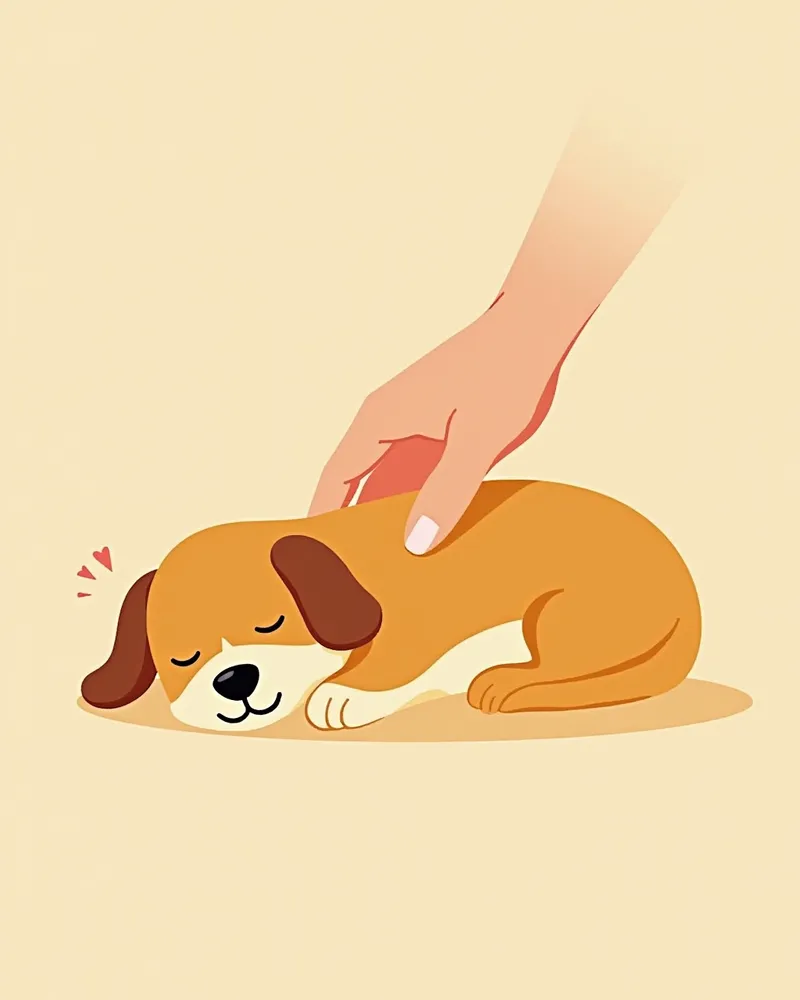
To measure your dog’s respiratory rate during sleep, count the number of chest rises and falls over one minute in a quiet environment. It’s difficult to get an accurate reading if your dog is awake or moving, so the key is to carefully count each rise and fall of the chest while they’re asleep. A normal resting respiratory rate is 20–30 breaths per minute. If you notice an elevated rate during sleep, monitor your dog closely. If the symptom persists or worsens, consider visiting your veterinarian. Regular monitoring helps you detect changes early.
A pet owner gently placing a hand on their sleeping dog’s chest to count its breathing rate.

Signs requiring immediate veterinary visit

If your dog’s breathing rate stays above 30 breaths per minute during sleep, if they’re panting with their mouth open, or if their lips or gums turn pale or bluish, take them to the vet immediately. These are serious signs of heart dysfunction or pulmonary edema. A rapid increase in breathing rate during sleep along with a sudden drop in energy levels requires urgent treatment. Quick recognition and response by the owner can be life-saving.

The relationship between heart disease and respiratory rate during sleep
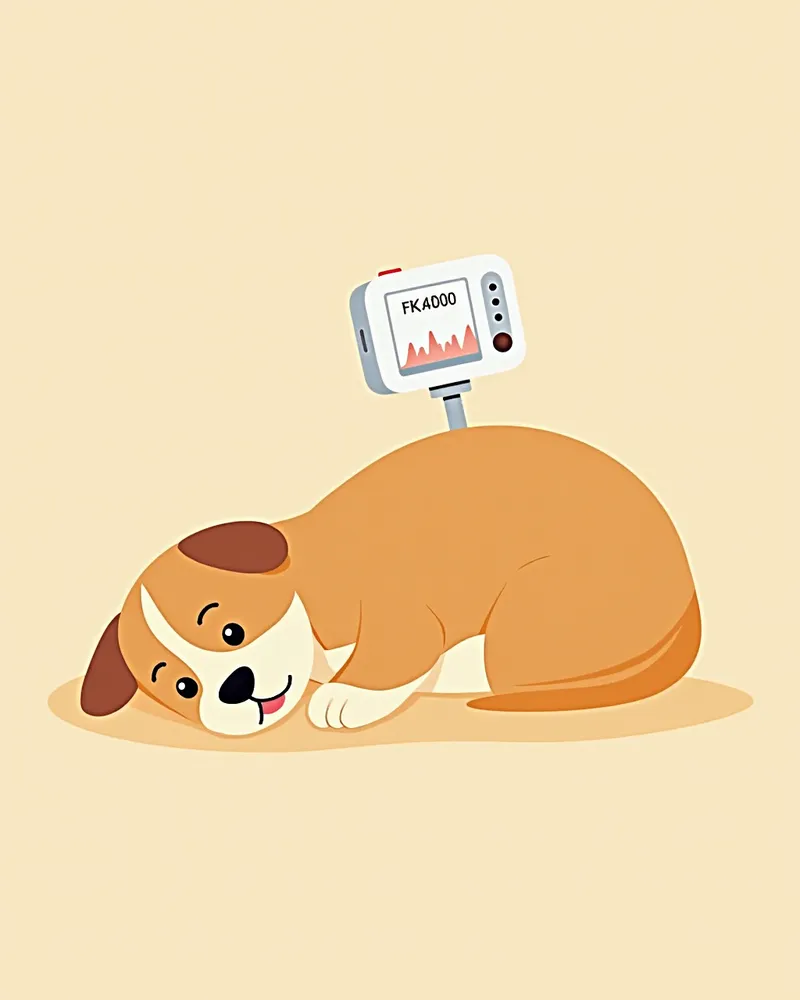
Heart disease is a primary cause of increased respiratory rate in dogs during sleep. When the heart fails to pump blood effectively, blood accumulates in the lungs, making breathing difficult. This condition is known as pulmonary edema. A persistently elevated respiratory rate during sleep suggests a high likelihood of declining cardiac function. Regular monitoring is essential, especially for middle-aged and older dogs or breeds predisposed to heart disease. Early detection significantly improves treatment success rates.
Monitoring a dog suspected of having heart disease for an elevated respiratory rate during sleep

Tips for monitoring respiratory rate during sleep

To accurately measure your dog’s respiratory rate during sleep, count the chest movements for one minute in a quiet environment. It’s difficult to get an accurate reading if your dog is awake or moving. If you notice an elevated respiratory rate during sleep, monitor it closely, and consider visiting the vet if the symptoms persist or worsen. Regular measurements help you detect changes quickly. An increased respiratory rate during sleep may indicate heart or lung issues, so it’s important for pet owners to consistently check and track this vital sign.
The guardian is shown with a logbook recording the puppy’s respiratory rate during sleep.

Reviewed by a veterinarian

Dr. Tony — Punnawat Phongkittirak

Dr. Tony — Punnawat Phongkittirak

Veterinarian

A veterinarian who majored in veterinary medicine at Khon Kaen University, Thailand, and completed the IVSA program at North Carolina State University in the United States. Drawing on clinical experience at animal hospitals, he works in the pet healthcare field and is dedicated to building a digital care environment that connects pet parents with veterinarians.

Frequently Asked Questions

What should I do if my pet’s breathing rate exceeds 30 breaths per minute while sleeping?
A normal respiratory rate during sleep is 20 to 30 breaths per minute. If your pet consistently exceeds 30 breaths per minute while asleep, it may be a warning sign that warrants attention. In particular, if they appear to be struggling to breathe or their mucous membranes look pale or bluish, it could indicate a heart problem causing fluid accumulation in the lungs, so a veterinary visit is recommended.
What should you pay attention to when measuring respiratory rate during sleep?
Your dog should be asleep and still. Respiratory rate is most accurately measured during sleep, so it’s important to count the chest movements precisely for one minute in a quiet environment.
Why does a puppy’s breathing rate increase during sleep?
Heart disease, respiratory conditions such as pneumonia and bronchitis, stress, and pain can all be potential causes. However, it’s difficult to pinpoint the exact cause through examination alone, so if the symptoms persist, a visit to the vet for further testing is recommended.
What is the normal respiratory rate range?
A dog’s normal breathing rate during sleep is 20 to 30 breaths per minute. Breathing slower than this is usually nothing to worry about, but if it consistently exceeds this range, it warrants attention.
When should you take your pet to the vet if their breathing rate increases during sleep?
If your pet’s breathing rate exceeds 30 breaths per minute while asleep, or if you notice labored breathing, open-mouth panting, or pale or blue mucous membranes, seek veterinary care immediately.

Share

Related Guides

References

[1] Hahn, G. (1990). Resonant frequency of the chest-lung system by analysis of the respiratory flow curve. Am. J. Vet. Res. 50 (7): 1106–1109.

[2] Canine and Feline Respiratory Medicine, 3rd Edition. (2021). Elsevier Health Sciences.

[3] Advanced Monitoring for Small Animal Emergency and Critical Care, 2nd Ed. (2019). Wiley-Blackwell.

This information is based on veterinary literature and does not replace diagnosis or treatment. Please consult a veterinarian for specific health concerns.

Metapet Co., Ltd. | CEO: Park Sung-yong | Business Reg. No. 417-88-02562 | Seoul, South Korea | Customer Center

Dog Sleeping Respiratory Rate (RR) & Heart Health FAQ | Meongsiljang