
Like
Share
멍실장
강아지 간경변·섬유증 자주 묻는 질문 Q&A — 보호자가 꼭 알아야 할 핵심

What is Canine Cirrhosis and Hepatic Fibrosis? — Can It Be Reversed? Key Progression and Management

Liver HealthQ&AMeongsiljang Veterinary Advisory Board

Canine cirrhosis and hepatic fibrosis are conditions in which liver function gradually deteriorates, and early detection along with appropriate management can significantly improve survival rates. Here’s a summary of the essential information every pet owner should know.

What is Canine Cirrhosis and Hepatic Fibrosis?

A clinical setting where the veterinarian and pet owner are together.
Canine cirrhosis and hepatic fibrosis are chronic conditions in which liver tissue is progressively replaced by fibrous scar tissue due to repeated injury, leading to a gradual decline in normal liver function. - Impaired liver function: Damage to liver cells reduces the organ’s ability to detoxify and metabolize substances, affecting the entire body. - Progressive fibrosis: As damaged liver tissue fails to heal and transforms into fibrous tissue, the liver’s structural integrity is compromised. - Chronic progression: Early stages often show few or no symptoms, making early detection difficult; however, as the disease advances, it can become life-threatening. - Importance of early diagnosis: Early detection is possible through blood tests and ultrasound imaging, even before clinical signs appear. - Prognosis and management: With appropriate treatment and ongoing care, disease progression can be slowed, helping to maintain your dog’s quality of life.

What Are the Main Causes of This Condition?
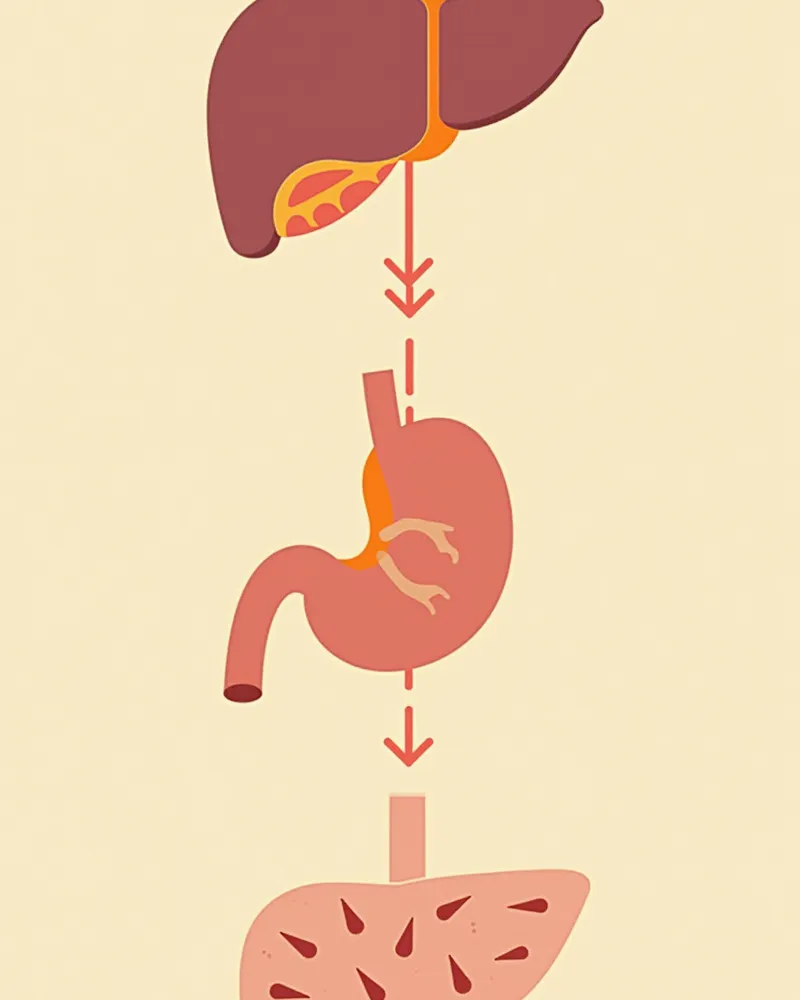
The main causes of canine cirrhosis and hepatic fibrosis are highly varied, including chronic hepatitis, as well as infectious, metabolic, toxic, and immune-mediated diseases. In many cases, however, no clear cause is identified, and the condition is classified as idiopathic (of unknown origin).
Chronic hepatitis: Inflammatory responses persisting in the liver for more than six months gradually damage liver tissue, leading to fibrosis.
Genetic and immune factors: Certain breeds, such as Doberman Pinschers, have been reported to have a predisposition to autoimmune conditions (e.g., anti-histone antibodies), which may increase their risk of developing the disease.
Drug and toxic exposure: Exposure to specific medications or toxic substances can damage hepatocytes, leading to impaired liver function.
Failed recovery: If inflammation is not properly controlled, the damaged liver fails to heal, and fibrosis progresses.
Combined risk factors: Since multiple causes can act in combination, early management is essential.
A medical illustration showing the progression from hepatitis to fibrosis and then to cirrhosis.

What Are the Main Symptoms?

The main symptoms of liver cirrhosis and fibrosis in dogs include:
Loss of appetite: Reduced liver function leads to decreased interest in food.
Weight loss: Body weight gradually declines due to impaired nutrient metabolism.
Vomiting and diarrhea: These may occur repeatedly as a result of compromised gastrointestinal function.
Jaundice: The eyes, lips, and gums take on a yellowish tint.
Hepatic encephalopathy (neurological symptoms): As liver function declines, toxins such as ammonia accumulate, potentially causing disorientation, ataxia, and decreased consciousness.
Ascites: Fluid accumulation causes the abdomen to swell.
If these symptoms persist, immediate veterinary attention is required.
A close-up photo of a dog's face showing symptoms of jaundice

Signs Requiring Immediate Veterinary Care

Seek immediate veterinary care if your pet develops jaundice, persistent vomiting, refuses food for more than 24 hours, experiences a rapid accumulation of abdominal fluid, or shows signs of altered consciousness. These symptoms indicate severe liver damage and can be life-threatening.

How Is It Diagnosed?
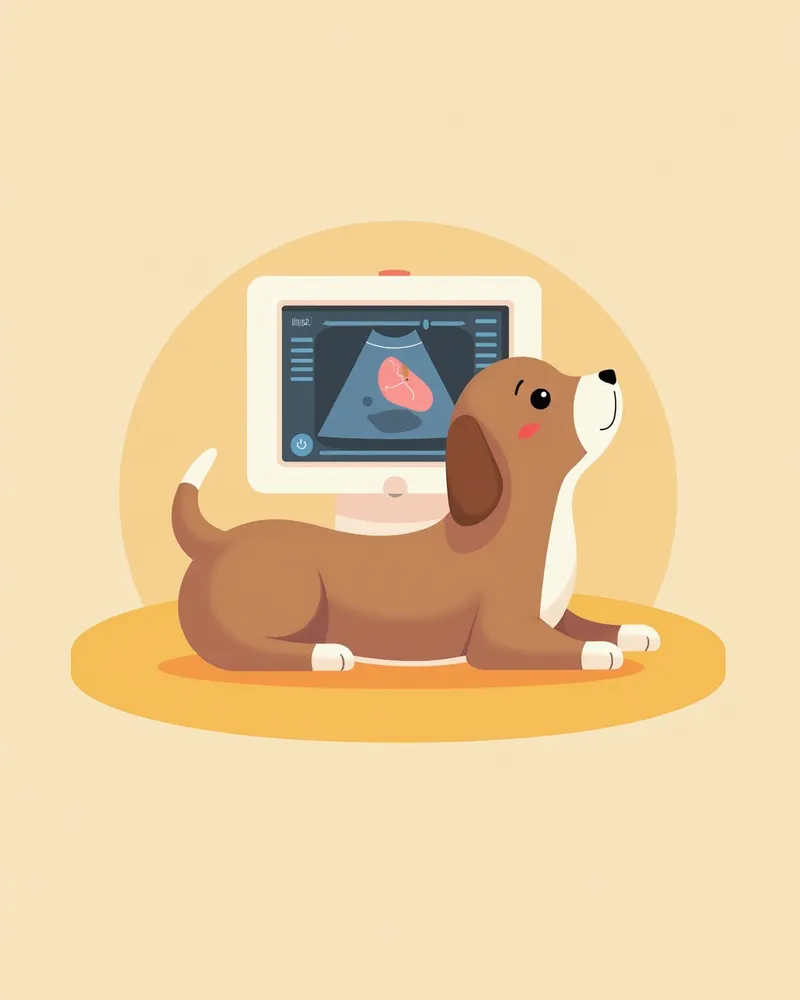
Diagnosing canine cirrhosis and hepatic fibrosis requires a comprehensive approach using multiple tests.
Blood tests: Liver enzyme levels (ALT, AST) tend to rise, while albumin levels typically decrease.
Ultrasound: This imaging can reveal abnormal changes, such as a stiffened liver structure and a roughened surface.
Liver biopsy: By directly sampling liver tissue, we can accurately assess the degree of fibrosis and the extent of damage.
Advanced imaging: CT or MRI scans help provide a more detailed evaluation of the lesion’s scope and severity.
Comprehensive assessment: A final diagnosis is made by integrating results from these various tests. This holistic evaluation is essential for determining the most accurate treatment plan.
An ultrasound image of a dog's abdomen.

What Are the Treatment Options?

Treatment aims to eliminate the underlying cause, alleviate symptoms, and restore liver function.
Medication: Hepatoprotectants, anti-inflammatory drugs, and anti-fibrotic agents are used.
Dietary management: A low-protein, low-fat, high-vitamin diet is recommended.
Ascites management: Diuretics are used to reduce ascites.
Liver transplantation: Considered only in severe cases, but currently very limited in availability.
Treatment is long-term, and consistent care from the pet owner is essential.
A photo showing special food for liver health

Home Management Points

Managing canine cirrhosis and hepatic fibrosis at home is crucial.
Dietary Management: Provide small amounts of specialized prescription food at regular intervals.
Medication Adherence: Ensure your dog takes their medication exactly as prescribed and on schedule.
Activity Regulation: Avoid excessive exercise and ensure your dog gets plenty of rest.
Regular Check-ups: Schedule blood tests and ultrasound examinations every 1 to 3 months.
Stress Reduction: Maintain a quiet environment and avoid sudden changes in routine.
These management strategies play a significant role in slowing the progression of the disease.
A dog resting comfortably in a quiet environment.

Comparison of Responses by Symptom Stage

ItemMain SymptomsMain ManagementNeed for Hospital Visit
MildSlightly decreased appetite, fatigueDietary control, liver protectant medicationRegular check-ups are sufficient
ModeratePersistent vomiting, weight loss, early jaundiceMedication, special diet, regular check-upsHospital visit every 1–2 weeks
SevereAscites, decreased consciousness, severe vomitingInpatient care, diuretics, nutritional supplementationImmediate hospital visit essential

If symptoms worsen, an immediate hospital visit is necessary.

Precautions: Contraindications and Side Effects

Dogs with compromised liver function may experience added strain on their livers when taking standard medications or supplements. In particular, acetaminophen (the active ingredient in Tylenol) is a well-known hepatotoxic drug in dogs that can cause liver damage and jaundice, so it must never be used. Acetaminophen is entirely different from aspirin, and other pain relievers like aspirin should also never be administered without veterinary guidance. Additionally, it is advisable to avoid high-fat meals, and owners should always consult their veterinarian before giving any medication to their dog.

Reviewed by a veterinarian

Dr. Tony — Punnawat Phongkittirak

Dr. Tony — Punnawat Phongkittirak

Veterinarian

A veterinarian who majored in veterinary medicine at Khon Kaen University, Thailand, and completed the IVSA program at North Carolina State University in the United States. Drawing on clinical experience at animal hospitals, he works in the pet healthcare field and is dedicated to building a digital care environment that connects pet parents with veterinarians.

Frequently Asked Questions

Can canine cirrhosis be cured?
While a complete cure may be difficult, appropriate treatment and care can slow the progression of the disease and maintain quality of life. Early detection is key.
What kind of special diet would be best?
A low-protein, low-fat, high-vitamin diet that supports liver function is recommended. Choosing a product recommended by a veterinarian is the safest option.
How long can a pet live with cirrhosis?
The prognosis for liver cirrhosis varies widely, making it difficult to predict a specific lifespan. The course of the disease can differ significantly depending on the underlying cause, response to treatment, and stage of progression, so early diagnosis and consistent management play a crucial role in extending your pet’s life.
What should I do if my pet has a genetic predisposition?
If your pet belongs to a specific breed, we recommend regular liver function tests. Even if there are no symptoms, it’s best to have them checked every six months.
How can you check your pet’s liver health at home?
Monitor your pet’s appetite, weight, eye and lip color, and activity levels daily. If you notice any abnormalities, seek veterinary care immediately.

Share

Related Guides

References

[1] Hall-Fonte DL, Genter SA, McDonough SP et al. (2016) Hepatocutaneous syndrome in Shih Tzus: 31 cases (1996–2014). Journal of the American Veterinary Medical Association, 248(8), 802–813.

[2] Washabau RJ, Day MJ (2012) Canine and Feline Gastroenterology. Elsevier Saunders.

[3] Torner K, Staudacher M, Tress U et al. (2020) Histopathology and pancreatic lipase immunoreactivity in inflammatory, hyperplastic and neoplastic pancreatic diseases in cats. Journal of Comparative Pathology, 174, 63–72.

This information is based on veterinary literature and does not replace diagnosis or treatment. Please consult a veterinarian for specific health concerns.

Metapet Co., Ltd. | CEO: Park Sung-yong | Business Reg. No. 417-88-02562 | Seoul, South Korea | Customer Center

Dog Cirrhosis & Fibrosis: Can It Be Reversed? Progress & Care | Meongsiljang