Like
Share
멍실장
강아지·고양이 귀 구조 (외이도·고막·중이)

Dog and Cat Ear Structure (External Ear Canal, Eardrum, Middle Ear)

Skin & CoatQ&AMeongsiljang Veterinary Advisory Board

Dogs and cats have an L-shaped ear structure composed of three parts: the outer, middle, and inner ear. Here’s a clear breakdown of each part’s function and how they relate to common ear conditions, explained in a way that’s easy for pet parents to understand.

What Do Dog and Cat Ears Look Like?
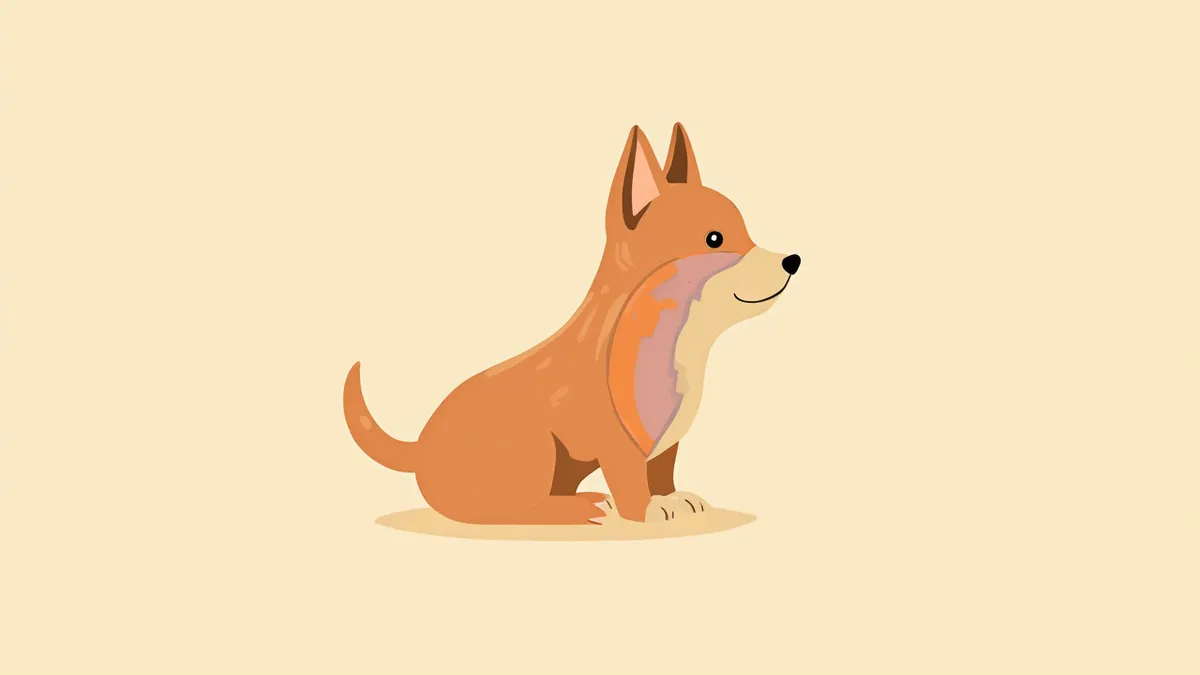
Cross-sectional diagram of the entire structure of a dog's ear
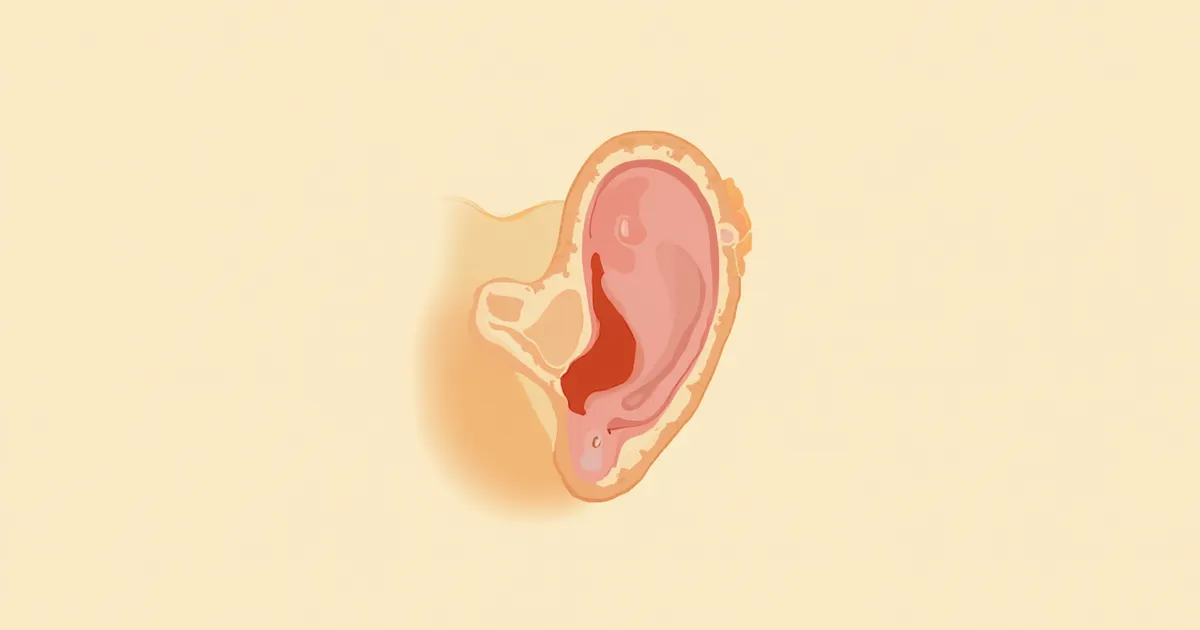
Dogs’ and cats’ ears are L-shaped sensory organs composed of three sections: the outer, middle, and inner ear. They collect sound and transmit it to the brain, while also serving as the vestibular system responsible for maintaining balance. A key difference from human ears is their L-shaped anatomy: the external auditory canal descends vertically before turning horizontally. This structure allows moisture and secretions to easily accumulate deep inside, making otitis externa and otitis media particularly common. Below, we’ll break down the structure and function of each part.

The Ear Is Divided Into Three Main Sections: Outer, Middle, and Inner Ear

The ear is anatomically divided into three parts: the outer, middle, and inner ear. - Outer ear: Consisting of the pinna (ear flap) and the ear canal, it collects sound and channels it to the eardrum. - Middle ear: A small space behind the eardrum that amplifies sound vibrations and transmits them to the inner ear; it is also connected to the nose via the Eustachian tube. - Inner ear: Contains the cochlea and semicircular canals, which convert sound signals into electrical impulses and help maintain balance. Because these three sections form a continuous structure, inflammation in one area can easily spread to the next.

Key Comparison Table of Outer, Middle, and Inner Ear

ItemOuter EarMiddle EarInner Ear
Main StructuresPinna, external ear canal (L-shaped)Eardrum, ossicles, tympanic cavityCochlea, semicircular canals
Key RoleSound collection · transmissionVibration amplificationHearing · balance sensing
Representative DiseasesOtitis externa, aural hematomaOtitis media, eardrum perforationVestibular syndrome, deafness
Owner Observation PointsOdor · discharge · scratchingHead tilt · painStaggering · eye tremor (nystagmus)

Outer Ear — The L-Shaped External Ear Canal Is Where Problems Begin
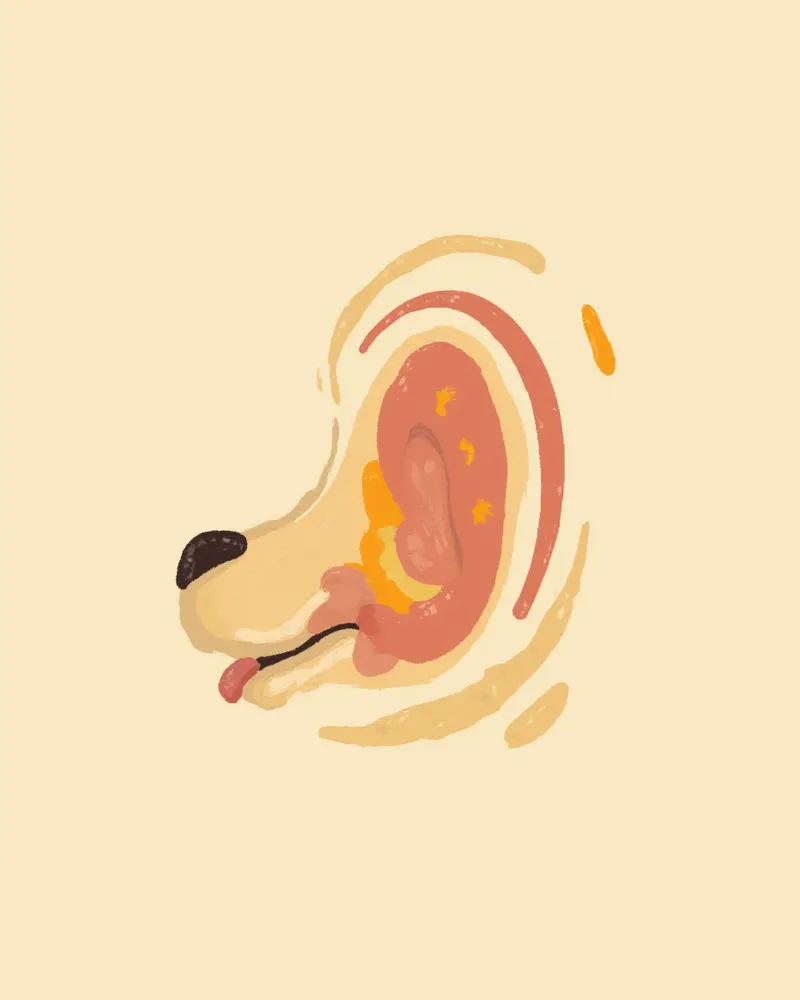
The external ear consists of the pinna (ear flap) and the external ear canal. The ear canal is L-shaped, descending vertically before turning horizontally, which slows air circulation and allows moisture to accumulate. Moreover, the skin lining the inner ear canal of dogs and cats is densely populated with sebaceous and ceruminous glands that produce earwax. Excessive secretions can create an ideal environment for the proliferation of bacteria and Malassezia (yeast). Breeds with folded ears (such as Cocker Spaniels and Scottish Folds) or those with abundant hair in the ear canal (such as Poodles) have even poorer ventilation, making them more prone to recurrent otitis externa.
Illustration of the L-shaped ear canal structure

Eardrum and Middle Ear — The Passage That Amplifies Vibrations and Connects to the Nose

The eardrum is a thin, semi-transparent membrane located at the end of the external ear canal. When this membrane vibrates, it moves the ossicles (three tiny ear bones) within the middle ear, amplifying sound. The middle ear is a small, hollow space (the tympanic cavity) behind the eardrum, connected to the back of the nose (the nasopharynx) via the Eustachian tube (auditory tube). This connection helps equalize pressure inside and outside the ear, but it also allows inflammation from the nose or throat to travel up the tube into the middle ear. Cats, in particular, have a well-developed tympanic bulla in the middle ear, making them more prone to developing nasopharyngeal polyps.

Signs of a Possible Ruptured Eardrum — Do Not Clean at Home!

If you notice yellow, pus-like discharge from the ears, severe head tilting to one side, or unsteady gait, suspect a ruptured eardrum or otitis media. In such cases, applying standard ear cleaners can allow the solution to flow into the middle and inner ear, potentially causing hearing loss or vestibular syndrome. Never attempt to deep-clean the ear canal with cotton swabs at home. A veterinarian must examine the eardrum using an otoscope and prescribe medications proven safe for use with a compromised tympanic membrane.

Inner Ear — The Organ Responsible for Hearing and Balance
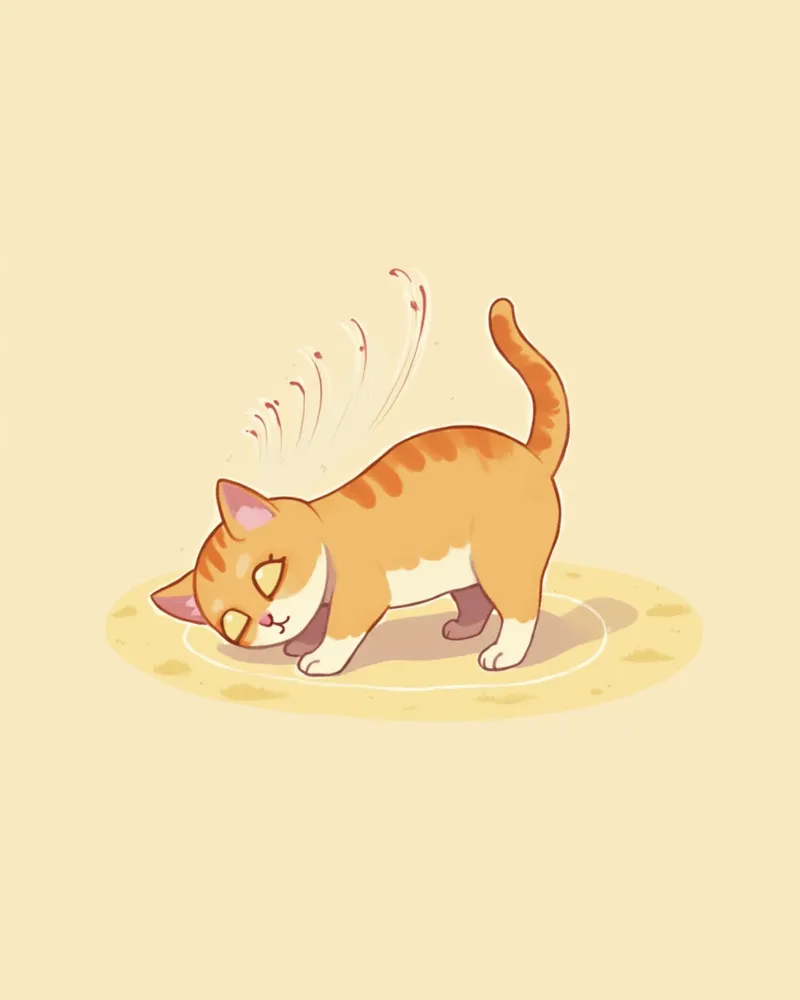
The inner ear houses the cochlea, which detects sound, and the semicircular canals and vestibular organs, which maintain balance. Thanks to this structure, your pet can sense head position and movement even with their eyes closed. Therefore, inflammation or dysfunction in the inner ear can lead to vestibular syndrome. Key signs include head tilting, staggering, and nystagmus, where the eyes shake side to side. Vestibular syndrome has diverse causes, including trauma, infection, middle ear disease, and toxic substances. Most importantly, it is difficult to distinguish its symptoms from those of central (brain) diseases. So, if you notice these signs, do not try to diagnose the issue yourself; always consult a veterinarian to determine the underlying cause.
An illustration of a cat tilting its head due to vestibular syndrome.

How Is It Different From Human Ears? — Three Key Differences

While dogs and cats share the same basic ear structure as humans, there are some key differences. - Outer ear canal length and shape: The human outer ear canal is relatively short and nearly straight, whereas in pets it forms an L-shaped structure with a vertical and a horizontal segment. This design slows down air circulation and allows secretions to accumulate more easily deep inside. - Hearing range: Dogs and cats are known to detect high-frequency sounds beyond the range of human hearing. However, since exact audible frequency values vary across sources, please treat these figures as general reference points. - Ear flap movement: Human ear flaps are mostly fixed in place, but pets have multiple muscles that allow them to move their ears and actively locate the direction of sounds. Because of these structural and functional differences, hearing protection and ear care practices for pets differ from those for humans.

Reviewed by a veterinarian

Dr. Tony — Punnawat Phongkittirak

Dr. Tony — Punnawat Phongkittirak

Veterinarian

A veterinarian who majored in veterinary medicine at Khon Kaen University, Thailand, and completed the IVSA program at North Carolina State University in the United States. Drawing on clinical experience at animal hospitals, he works in the pet healthcare field and is dedicated to building a digital care environment that connects pet parents with veterinarians.

Frequently Asked Questions

What does it mean when a dog’s ear canal is described as L-shaped?
This refers to the structure of the ear canal, which consists of a vertical section that runs straight down from the ear opening and a horizontal section that turns toward the eardrum at the end. Because ventilation is poor, moisture tends to accumulate easily, making ear infections more likely.
Is it safe to clean deep inside my pet’s ears with cotton swabs at home?
No, that’s not recommended. Cotton swabs can push earwax deeper into the ear canal or irritate the eardrum. Gently wipe only the visible folds of the outer ear with soft gauze, and use a veterinarian-recommended ear cleaner to care for the inner ear canal.
Does a cat suddenly tilting its head always indicate vestibular syndrome?
Not necessarily. Otitis media, nasopharyngeal polyps, and ear parasites can also cause similar symptoms. Since treatment varies significantly depending on the underlying cause, it is essential to have your pet examined by a veterinarian.
Can frequent ear scratching cause problems with the structure of the external ear canal?
Yes, recurrent otitis externa can thicken the walls of the ear canal, leading to **ear canal stenosis**, which narrows the canal. In severe cases, surgery may be necessary, so early treatment is important.
How often should I clean my pet’s ears?
There’s no one-size-fits-all rule; it depends on your pet’s ear condition. If the ears are healthy, frequent cleaning isn’t necessary. However, for pets with a history of otitis externa or breeds with floppy ears that have poor ventilation, more regular checks are recommended. That said, if there’s excessive discharge or a strong odor, have a vet identify the cause before attempting home cleaning, and then use a cleaning solution recommended by your veterinarian.

Share

Related Guides

References

[1] Noxon JO, Chapter: Diseases of the Ear, in Ettinger's Textbook of Veterinary Internal Medicine, 8th Edition, Elsevier, 2017

[2] Paterson S, Tobias KM, Manual of Ear Diseases of the Dog and Cat, Wiley-Blackwell, 2013

[3] Harvey RG, Paterson S, Otitis Externa: An Essential Guide to Diagnosis and Treatment, CRC Press, 2014

This information is based on veterinary literature and does not replace diagnosis or treatment. Please consult a veterinarian for specific health concerns.

Metapet Co., Ltd. | CEO: Park Sung-yong | Business Reg. No. 417-88-02562 | Seoul, South Korea | Customer Center

Dog & Cat Ear Anatomy: Ear Canal, Eardrum & Middle Ear | Meongsiljang