Like
Share
멍실장
강아지 간 보호제(SAMe·밀크시슬) 자주 묻는 질문 Q&A — 보호자가 꼭 알아야 할 핵심

When to Administer SAMe and Milk Thistle for Dogs: Effects and Selection Points

Liver HealthQ&AMeongsiljang Veterinary Advisory Board

We’ve compiled the essential information every pet owner should know about the effects, administration, and safety of SAMe and milk thistle—two popular liver-support supplements for dogs.

What Are Dog Liver Protectants (SAMe and Milk Thistle)?
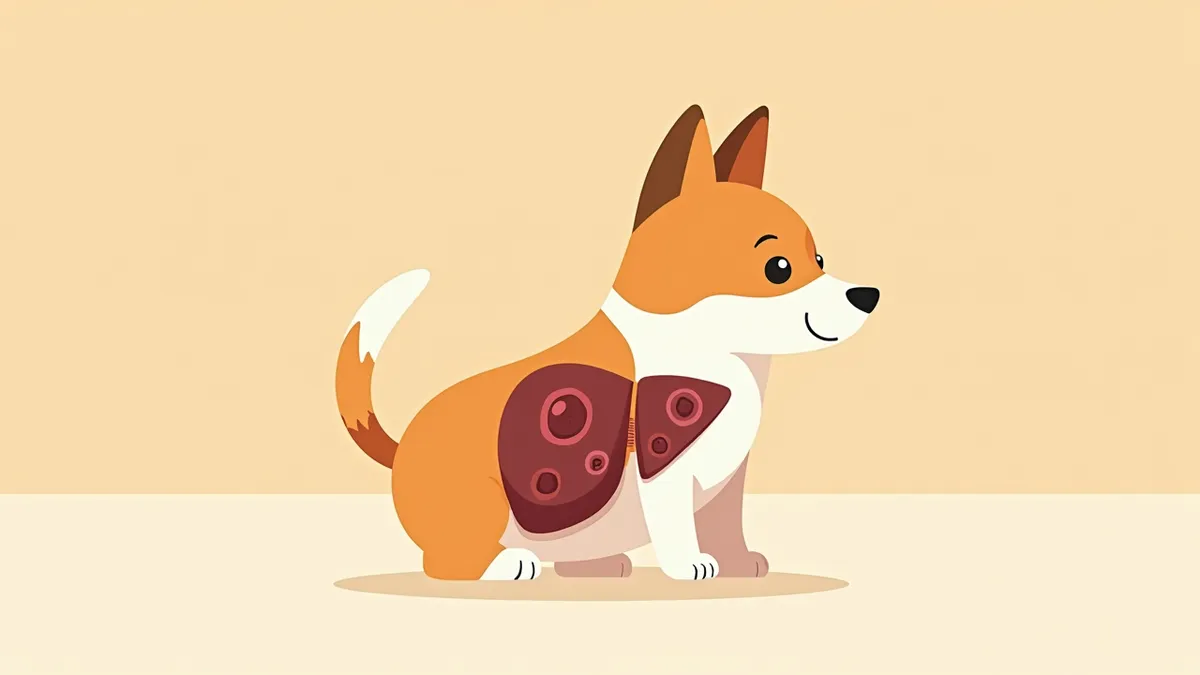
An image visualizing how SAMe and milk thistle protect liver cells
Dog liver protectants are supplements designed to support liver function and safeguard liver cells. SAMe (S-adenosylmethionine) aids in the synthesis of glutathione, a key antioxidant in the body, stabilizes cell membrane function, and acts as a methyl group donor to provide antioxidant and hepatoprotective effects. Milk thistle (silymarin extract, with silybin as the active component) protects liver cells by neutralizing free radicals through its antioxidant activity. However, because silybin has low oral bioavailability, its absorption is significantly improved when formulated with phosphatidylcholine. While combination products containing both ingredients (such as those in the Denamarin line) are available, large-scale clinical studies demonstrating the superiority of their combined effect remain limited. These supplements can be used as adjunctive therapy, particularly for senior dogs or those on medication. It is essential to consult your veterinarian before starting any supplement.

Why Do Dogs Need Liver Protectants?

A dog’s liver is a vital organ responsible for metabolizing medications, eliminating toxins, and storing nutrients. Its function can decline when the liver is under stress from aging, long-term medication use, or exposure to harmful chemicals. Certain breeds are genetically prone to copper accumulation in the liver, which increases their risk of chronic hepatitis; notable examples include Bedlington Terriers, Doberman Pinschers, Labrador Retrievers, and West Highland White Terriers (this risk is linked to breed-specific traits, not body size). Liver supplements may help support and protect liver cells in these situations. However, because controlled clinical studies demonstrating their efficacy are limited, you should always consult your veterinarian before deciding whether to use them and how to plan their administration.
An image depicting a puppy taking a liver protectant supplement.

Key Effects of SAMe and Milk Thistle

Dog liver protectants work in a variety of ways. - SAMe: It helps synthesize glutathione, an antioxidant in the body, stabilizes cell membrane function, and acts as a methyl group donor to protect liver cells. - Milk thistle (silymarin): Its active ingredient, silybin, reduces oxidative stress by removing free radicals through its antioxidant effects. However, since silybin has low oral bioavailability, absorption is improved in formulations combined with phosphatidylcholine. While these ingredients play a supportive role in protecting liver cells, clinical studies confirming their preventive or therapeutic effects for liver disease remain limited. They can be used as supplements for senior dogs or those with compromised liver function, and regular health check-ups during use are recommended for added safety.
A visual representation of a dog's liver function being protected and strengthened

Timing and Administration of Dog Liver Protectants
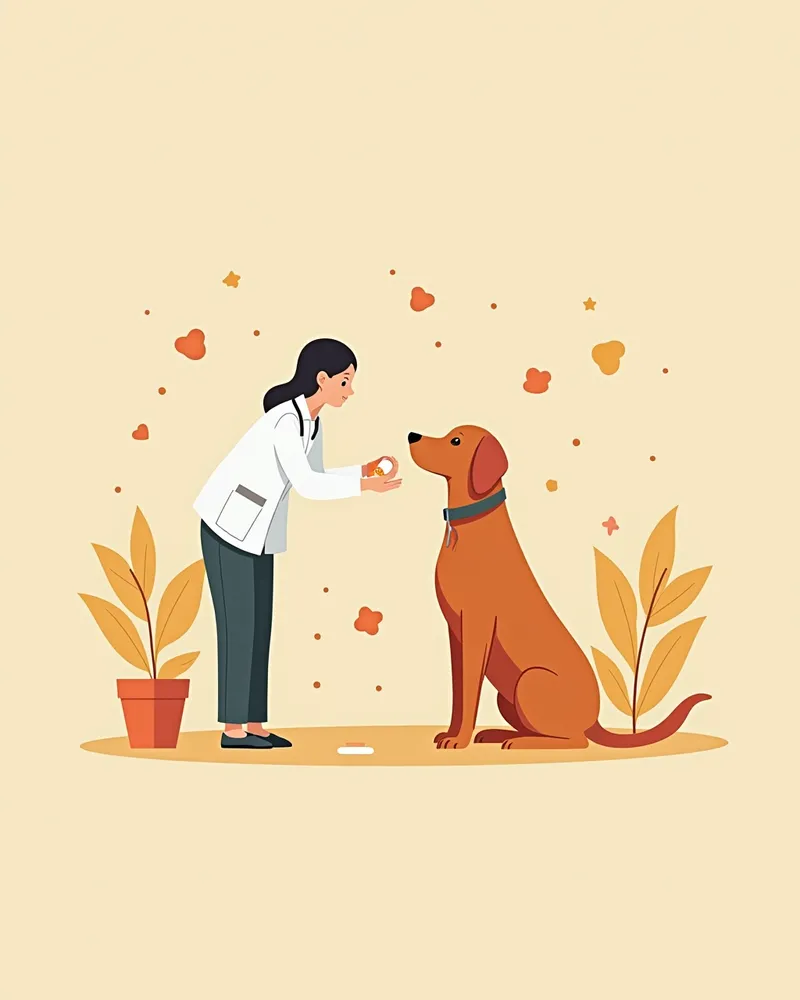
For liver support supplements in dogs, especially SAMe, it’s best to administer them on an empty stomach. SAMe should be given at least one hour before meals to ensure optimal absorption. Additionally, since enteric-coated tablets lose their effectiveness if crushed or broken, they should be given whole. However, some ingredients, such as milk thistle, may have different administration guidelines depending on the product, so always follow the instructions provided. Dosages are typically determined based on body weight (for example, approximately 18–20 mg/kg for SAMe), and your veterinarian will recommend the appropriate amount based on your dog’s weight and health condition. Generally, it’s advisable to administer the supplement consistently for 2–4 weeks while monitoring progress, and any changes to the dosage or discontinuation should be discussed with your veterinarian rather than decided independently.
A scene in which a veterinarian explains to a pet owner how to administer a liver protectant.

Caution: Liver Protectants Are Not Medications

Liver protectants are supplements, not treatments. If you suspect liver dysfunction, it is essential to consult a veterinarian. Always discuss with your vet before administering any supplement.

Precautions When Administering Dog Liver Protectants
While liver protectants for dogs are generally considered safe, as with any supplement, they can sometimes cause gastrointestinal symptoms such as diarrhea, vomiting, or decreased appetite, so it’s important to monitor your pet closely. Additionally, since we can’t completely rule out potential interactions with other medications, please inform your veterinarian about all the drugs and supplements your dog is currently taking. Keep in mind that liver protectants are supportive supplements, not treatments, so if you suspect liver dysfunction, don’t rely solely on supplements—be sure to consult your veterinarian for a proper evaluation, including blood tests. If any unusual symptoms occur while using the supplement, stop administration immediately and contact your veterinarian.
An image showing a puppy in a stable condition after taking a liver protectant.

SAMe vs. Milk Thistle — Key Comparison

ItemIngredientMain ActionDosing FrequencyWeight-Based Dose
SAMeS-adenosylmethionineSupports glutathione synthesis, antioxidant, stabilizes cell membranesOnce dailyAbout 18–20 mg per 1 kg of body weight (no minimum weight limit)
Milk thistleSilybin (silymarin extract)Antioxidant and hepatocyte protectionOnce dailyAbout 5–15 mg per 1 kg of body weight (no minimum weight limit)
Combination productSAMe + milk thistleApplies both ingredients simultaneouslyOnce dailyPer the weight-based dose on the product label

A combination product can apply both ingredients simultaneously. The dose is determined per body weight (mg/kg) rather than by a set minimum weight threshold; choice of product and dose should be decided after consulting your veterinarian.

Ingredients to Take Alongside Dog Liver Protectants

Evidence-based antioxidants often used alongside canine liver protectants include vitamin E, N-acetylcysteine (NAC), and vitamin C. - Vitamin E: An antioxidant that protects hepatocytes in cholestatic and inflammatory liver diseases, typically administered at a dose of 10–15 IU per kilogram of body weight. - N-acetylcysteine (NAC): A precursor to the antioxidant glutathione, it helps replenish depleted glutathione levels and protects hepatocytes from oxidative damage. - Vitamin C (ascorbic acid): Can be used as an adjunctive antioxidant to support hepatocyte protection. These ingredients can help maintain hepatocyte stability. However, the optimal combination varies by individual dog, so please consult your veterinarian to determine the appropriate supplement regimen before starting treatment.
Supplements that can be taken alongside liver protectants for dogs

Reviewed by a veterinarian

Dr. Tony — Punnawat Phongkittirak

Dr. Tony — Punnawat Phongkittirak

Veterinarian

A veterinarian who majored in veterinary medicine at Khon Kaen University, Thailand, and completed the IVSA program at North Carolina State University in the United States. Drawing on clinical experience at animal hospitals, he works in the pet healthcare field and is dedicated to building a digital care environment that connects pet parents with veterinarians.

Frequently Asked Questions

When should I start giving my dog a liver supplement?
There is no specific starting point for this. As your pet ages or if they need to take medications that may burden the liver, you can consider it as a supplementary option after consulting with your veterinarian. For breeds with a genetic predisposition to liver disease, such as Bedlington Terriers, Doberman Pinschers, and Labrador Retrievers, it is advisable to determine whether to administer it based on your veterinarian's assessment, alongside regular liver function tests.
Can SAMe and milk thistle be taken together?
Yes, these two ingredients are commonly used together in combination products (such as those in the Denamarin line). However, since large-scale clinical studies demonstrating enhanced efficacy when taken together are still limited, it’s best to consult your veterinarian to determine the appropriate product and dosage.
Will giving a liver protectant improve liver function?
Liver supplements can help protect liver cells and support liver function. However, they are not a cure and cannot reverse existing liver damage, so if you suspect liver issues, it’s important not to rely solely on supplements but to seek an accurate diagnosis from a veterinarian.
Are there any side effects from giving liver protectants?
While generally considered safe, these medications can sometimes cause gastrointestinal side effects like diarrhea or vomiting. For the safest outcome, your veterinarian will determine the appropriate dosage based on your dog's weight.
Is it safe to give liver protectants long-term?
While some pets may need to take this medication long-term, there is limited research confirming the effectiveness and safety of prolonged use. Therefore, it's best to regularly consult with your veterinarian and monitor your pet's condition through blood tests, such as liver function tests, while continuing the treatment.

Share

Related Guides

References

[1] Blackwell's Five-Minute Veterinary Consult Clinical Companion, Small Animal Toxicology, 3rd Edition

[2] Clinical Medicine of the Dog and Cat, 4th Ed

[3] Plumb's Veterinary Drugs, 10th Edition

This information is based on veterinary literature and does not replace diagnosis or treatment. Please consult a veterinarian for specific health concerns.

Metapet Co., Ltd. | CEO: Park Sung-yong | Business Reg. No. 417-88-02562 | Seoul, South Korea | Customer Center

SAMe & Milk Thistle for Dogs: When to Give and How to Choose | Meongsiljang