
What is canine cholecystitis? — Causes of abdominal pain and jaundice, and when to visit the vet
Cholecystitis in dogs is a condition where bile flow is obstructed or inflammation occurs, making early detection crucial. We’ve compiled the essential information every pet owner should know in a Q&A format.
Canine cholecystitis is a condition where the normal flow of bile is obstructed
The main causes of cholecystitis include gallstones, inflammation, and blood flow disorders
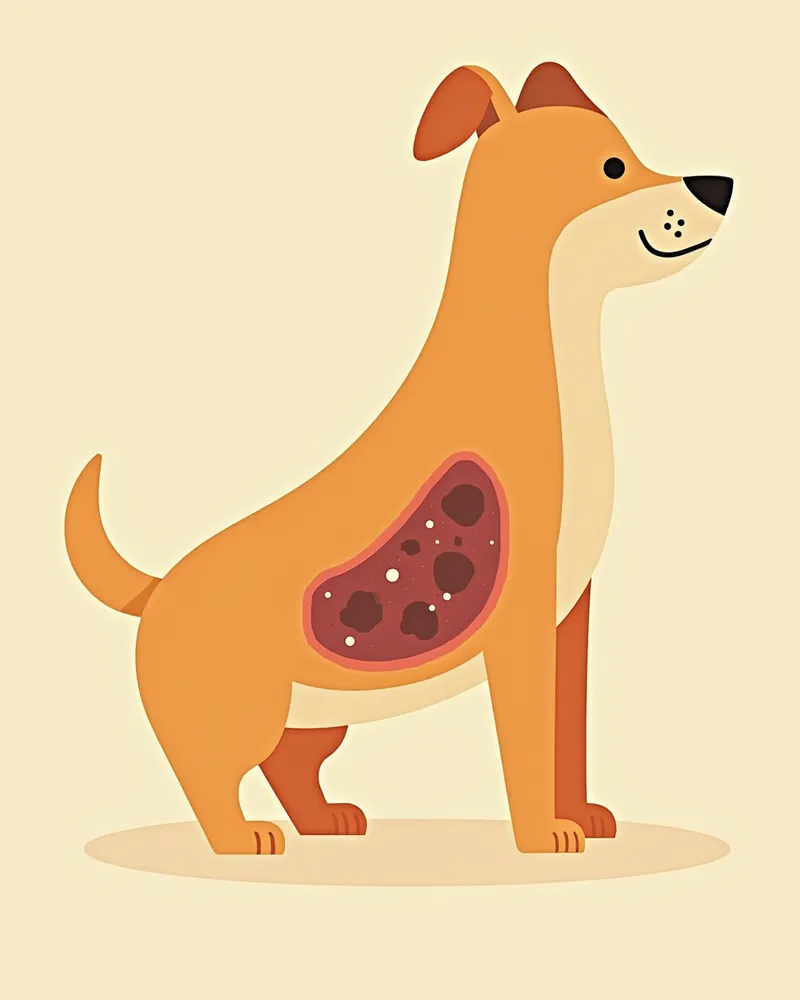
Four representative symptoms of cholecystitis
If jaundice occurs or there is persistent vomiting, immediate veterinary visit is required
Jaundice can be an important sign of bile flow problems or bile duct obstruction. Prolonged vomiting can lead to dehydration. If the gallbladder ruptures or gallstones block the common bile duct, the condition can worsen rapidly along with jaundice. If you notice these signs, don’t ignore them—consult your veterinarian immediately.
Diagnosis is accurately confirmed through ultrasound and blood tests
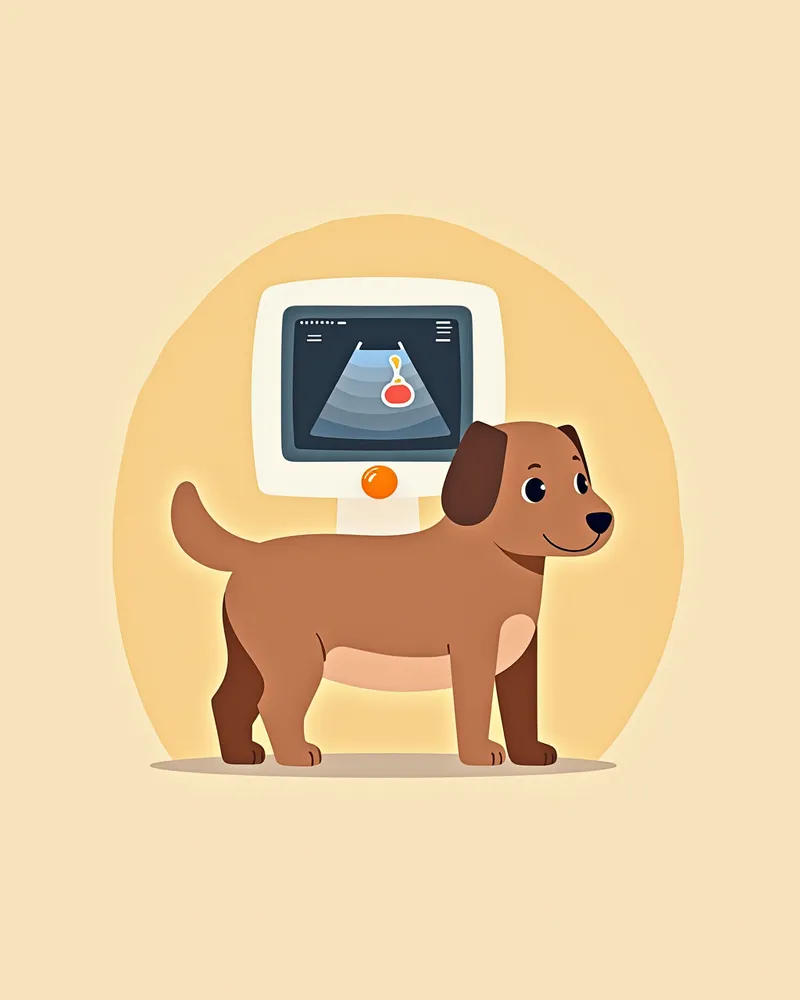
Treatment progresses step-by-step with medication, dietary management, and surgery
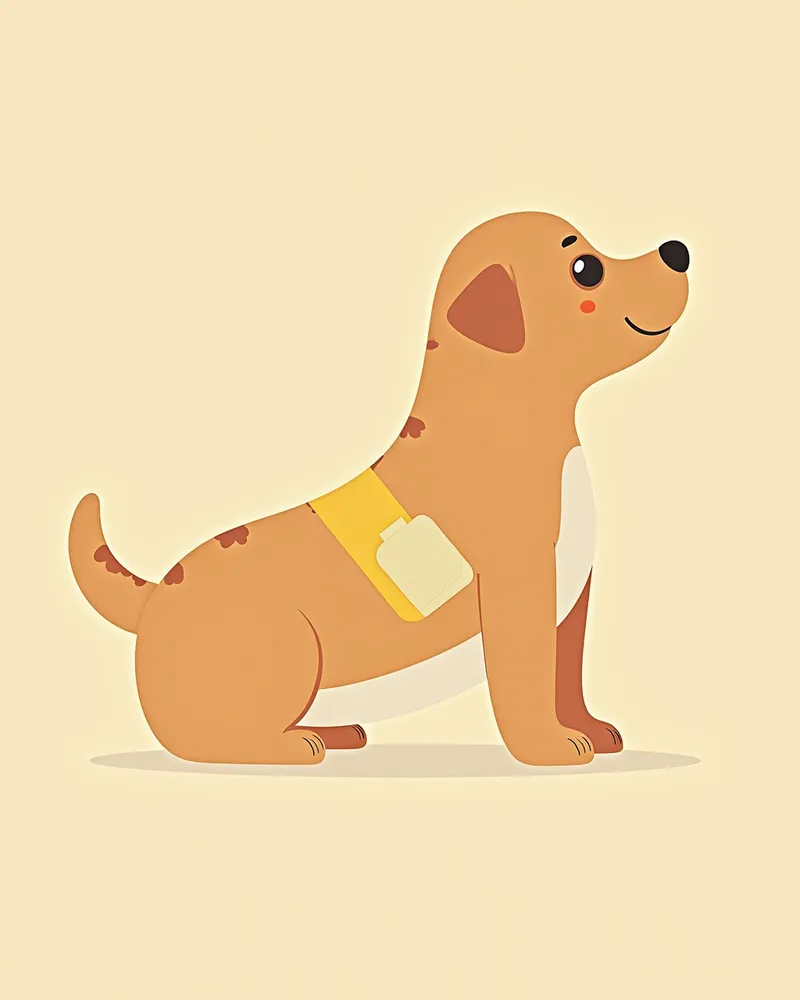
Key to home care is dietary management and regular check-ups
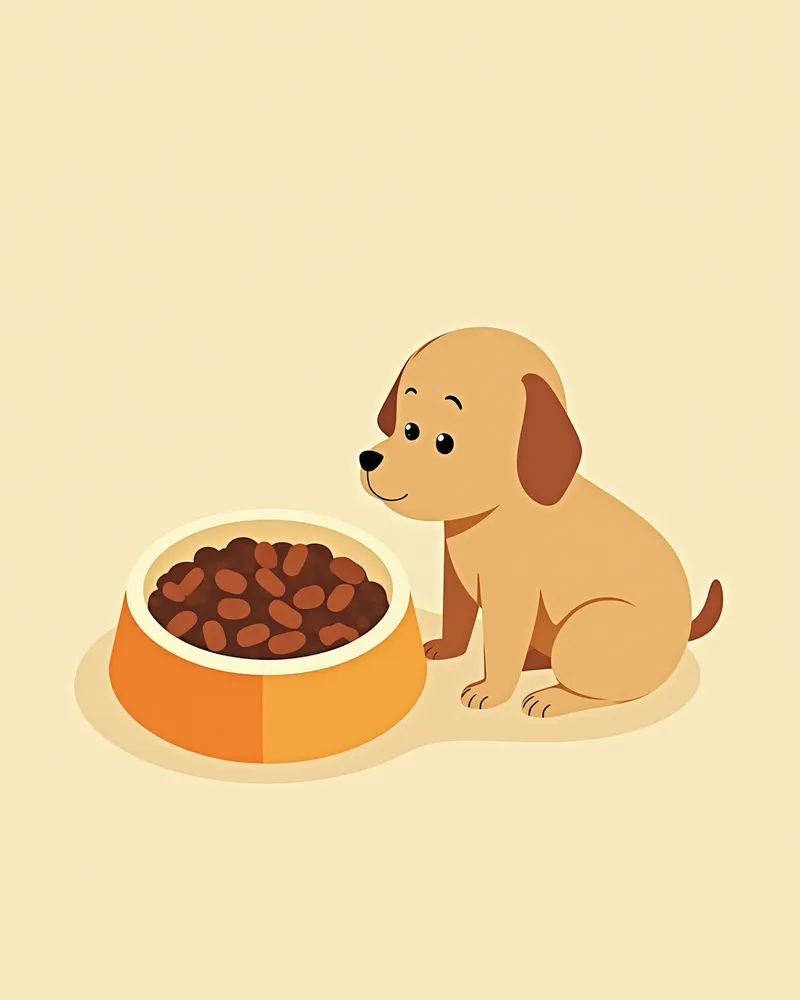
Continuing obesity or a high-fat diet increases the risk of recurrence
Dogs with a history of cholecystitis are at risk of recurrence or complications, so consistent care is essential. Please watch closely for the return of symptoms such as fever, jaundice, or changes in appetite. Follow your veterinarian’s instructions for prescribed diets and medications, and schedule regular check-ups to monitor gallbladder health—these steps help prevent recurrence and worsening of the condition.
Reviewed by a veterinarian

Dr. Tony — Punnawat Phongkittirak
VeterinarianA veterinarian who majored in veterinary medicine at Khon Kaen University, Thailand, and completed the IVSA program at North Carolina State University in the United States. Drawing on clinical experience at animal hospitals, he works in the pet healthcare field and is dedicated to building a digital care environment that connects pet parents with veterinarians.
Reviewed 2026-06-07
Frequently Asked Questions
Can a dog’s cholecystitis be treated?
How should I manage my pet’s diet if they have cholecystitis?
Can cholecystitis recur?
Which dogs are more commonly affected by cholecystitis?
Is an ultrasound alone sufficient for diagnosing cholecystitis?
Comparison of management strategies for each stage of cholecystitis treatment
| Item | Main Symptoms | Main Treatment Methods | Prognosis |
|---|---|---|---|
| Mild | Appetite changes, mild vomiting | Antibiotic therapy, supportive care | Good with management |
| Moderate | Persistent vomiting, abdominal discomfort, jaundice | Antibiotics + supportive care + regular check-ups | Fair |
| Severe | Fever, abdominal pain, jaundice, suspected gallbladder rupture | Cholecystectomy, inpatient care | Recovery expected if surgery is successful |
Treatment and prognosis vary greatly depending on the timing of diagnosis and the condition, such as whether the gallbladder has ruptured or become obstructed.
Share
Related Guides
7 Key Symptoms and Management Essentials for Canine Cholecystitis Recommended by Veterinarians
Top 5 Milk Thistle (Silymarin) Liver Supplements for Dogs — A Comparison Guide Based on Silybin Content and Absorption Rates
Top Prescription Diets for Dogs with Liver Disease and Selection Criteria
Complete Guide to Post-Tooth Extraction Care for Dogs — Key Points for Pet Owners
How to Administer Insulin to Cats — Key Precautions to Prevent Hypoglycemia
Complete Guide to Dog Insulin Administration and Precautions — Key Points for Pet Owners
Cat Anticonvulsant Medication: Key Points on Side Effects and Administration Management
The Ultimate Guide to the Causes of Canine Stereotypic Behavior and Behavior Modification/Treatment Methods

What is Canine Compulsive Disorder? — From Causes to Behavioral Modification and Treatment Timing

Dog SDMA Test — Early Detection of Kidney Failure and Cost Guide
References
[1] Plumb's Veterinary Drug Handbook, 9th Edition, 2022
[2] Clinical Medicine of the Dog and Cat, 4th Edition, 2021
[3] Small Animal Critical Care Medicine, 3rd Edition, 2019