

What to Feed Your Dog with Poor Liver Function — Key Q&A on Liver-Support Diets
A liver-support diet for dogs is a crucial nutritional management approach that pet owners must understand when their dog experiences impaired liver function. We’ve compiled key questions and veterinarian-recommended strategies to help you navigate this important aspect of care.
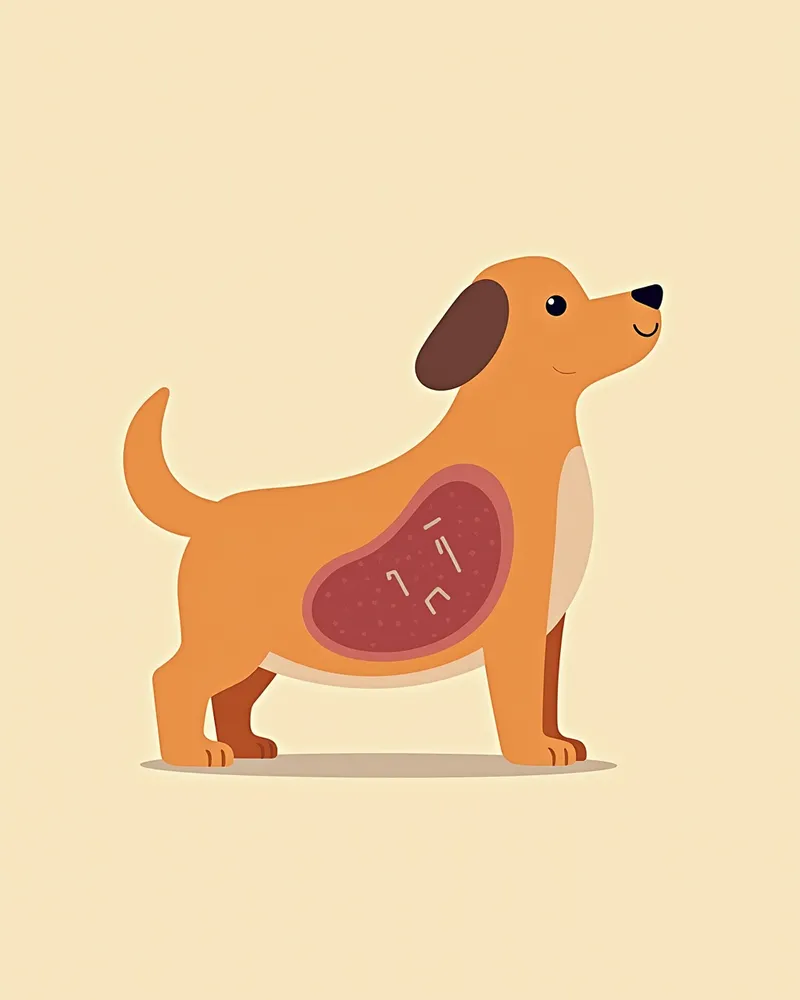
What Is a Liver-Support Diet for Dogs?

Why Is a Liver-Support Diet Necessary?
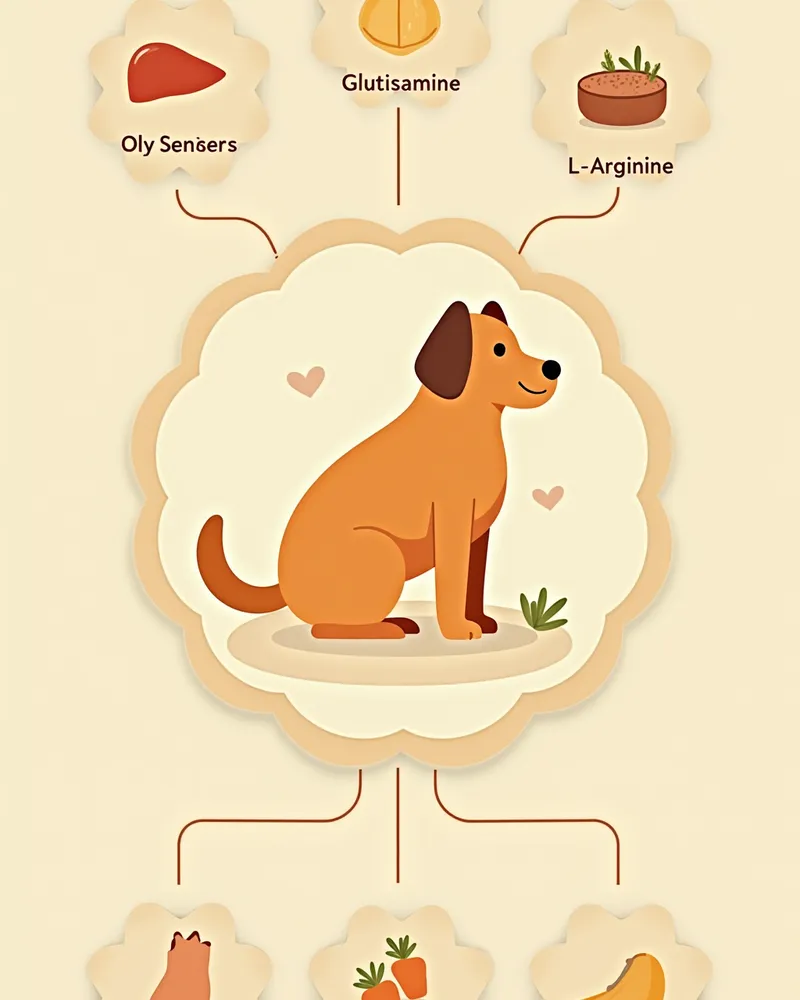
Key Ingredients in Liver-Support Diets
Comparison of Liver-Support Diet Types
| Item | Main Ingredients | Recommended Timing | Precautions |
|---|---|---|---|
| Adequate-protein type | Adequate protein, appropriate fat/carbohydrate | Early-stage liver disease without hepatic encephalopathy | Only with veterinary prescription |
| Low-sodium diet | Sodium restriction, antioxidants, maintain adequate protein | When ascites (fluid retention in the abdominal cavity) develops | Watch salt intake |
| Special formulated diet | Vitamin E, SAMe, milk thistle, L-carnitine | Cirrhosis or chronic liver disease | Monitoring required with long-term use |
It is important for the veterinarian to choose according to the condition. No self-prescribing.
When Should You Avoid a Liver-Support Diet?

Sudden Diet Changes Are Risky
Sudden diet changes can cause digestive upset or worsen conditions in dogs with compromised liver function. Always transition gradually over 7–10 days under veterinary guidance.
Good Habits to Pair with a Liver-Support Diet

Can You Use Supplements Alongside It?
Reviewed by a veterinarian

Dr. Tony — Punnawat Phongkittirak
VeterinarianA veterinarian who majored in veterinary medicine at Khon Kaen University, Thailand, and completed the IVSA program at North Carolina State University in the United States. Drawing on clinical experience at animal hospitals, he works in the pet healthcare field and is dedicated to building a digital care environment that connects pet parents with veterinarians.
Reviewed 2026-06-07
Frequently Asked Questions
Will feeding a liver-support diet help the liver recover?
Can I make a liver-support diet at home?
Could feeding a liver-support diet make the condition worse?
How long should I feed a liver-support diet?
Will feeding a liver-support diet change my pet’s stool?
Share
Related Guides

7 Key Symptoms and Management Essentials for Canine Cholecystitis Recommended by Veterinarians

Top 5 Milk Thistle (Silymarin) Liver Supplements for Dogs — A Comparison Guide Based on Silybin Content and Absorption Rates

Top Prescription Diets for Dogs with Liver Disease and Selection Criteria

Puppy Basic Vaccination Schedule FAQ — Key Points Every Pet Owner Should Know

Dog Age Conversion Formula FAQ — Key Points Every Owner Must Know

Dog Neutering Surgery Optimal Timing FAQ — Key Information Every Pet Owner Must Know
Frequently Asked Questions on Puppy Nutritional Counseling and Diet Selection — Key Information Every Pet Owner Should Know

Dog Indoor Safety Check FAQ — Key Points Owners Must Know

Dog Heartworm Preventive Selection & Comparison FAQ — Key Points Every Pet Owner Must Know

Frequently Asked Questions About Your Puppy’s First Vet Visit — Key Essentials for Pet Owners
References
[1] Applied Veterinary Clinical Nutrition, 2nd Ed. (2023). Chapter 12: Nutritional Management of Hepatic Disease in Dogs.
[2] Plumb's Veterinary Drug Handbook, 9th Ed. (2022). Section on Hepatoprotective Nutrients and Dietary Considerations.
[3] AAFCO Nutrient Profiles for Canine Diets (2023). Guidelines for Therapeutic Diets Supporting Liver Function.