
Like
Share
멍실장
강아지 바이러스성 간염(개 전염성 간염) 자주 묻는 질문 Q&A — 보호자가 꼭 알아야 할 핵심

What is Canine Infectious Hepatitis? — Key Q&A from Symptoms to Vaccine Prevention

Liver HealthQ&AMeongsiljang Veterinary Advisory Board

Canine viral hepatitis is a highly contagious viral disease that can cause severe liver damage, especially in young dogs. Vaccination is the most important preventive measure.

What is Canine Viral Hepatitis?

Dogs diagnosed with canine viral hepatitis and their owners
Canine infectious hepatitis is a systemic infectious disease caused by canine adenovirus type 1 (CAV-1), which can lead to severe liver damage, particularly in puppies and dogs with weakened immune systems. The virus is shed in the urine and respiratory secretions of infected dogs, and even recovered dogs may continue to excrete the virus for several weeks to months, making contact with infected dogs or contaminated environments the primary route of transmission. Additionally, because adenoviruses can survive for extended periods in the external environment, maintaining good hygiene is essential. Early signs include high fever exceeding 40°C, loss of appetite, lethargy, and vomiting. As the disease progresses, jaundice, bleeding tendencies, and liver failure may develop, and severe liver damage can lead to hepatic encephalopathy (neurological symptoms resulting from impaired liver function). Early diagnosis and appropriate treatment are critical for saving lives, and vaccination is the most effective preventive measure.

What is the Main Cause of This Disease?

The primary cause of canine viral hepatitis is canine adenovirus type 1 (CAV-1). This virus is mainly shed in the urine and respiratory secretions of infected dogs, and even dogs that have recovered can continue to excrete the virus for several weeks to months. Consequently, direct contact with infected dogs or exposure to contaminated environments is the main route of transmission. Puppies, immunocompromised dogs, and those lacking adequate protective immunity are particularly susceptible to infection. Since adenovirus can survive for extended periods in the external environment, thorough cleaning and disinfection are essential. Vaccination remains the most effective preventive measure.
Transmission route of canine viral hepatitis: contact with contaminated environments

What Are the Main Symptoms?

The main symptoms of canine viral hepatitis include a sudden high fever exceeding 40°C, loss of appetite, lethargy, and repeated vomiting and diarrhea. As liver damage progresses, jaundice may develop, causing the eyes and lips to turn yellow. Vascular damage can lead to petechial hemorrhages, a tendency to bleed, and thrombocytopenia. In cases of CAV-1 infection, corneal edema may occur, resulting in a cloudy appearance of the eyes known as "blue eye." In severe cases, shock or decreased consciousness may develop, and significant liver impairment can lead to hepatic encephalopathy, making early detection crucial. If symptoms appear, immediate veterinary care is essential, as early treatment significantly improves the chances of recovery and survival.
Jaundice symptoms in dogs with viral hepatitis

Signs Requiring Immediate Veterinary Visit

If your dog suddenly loses its appetite, experiences repeated vomiting or diarrhea, develops yellowing of the eyes or lips, collapses, or becomes disoriented, seek veterinary care immediately. These signs indicate severe liver damage, and delayed treatment can be life-threatening.

Comparison of Responses by Symptom Severity

ItemMildModerateSevere
Main symptomsMild fever, slightly decreased appetitePersistent vomiting, diarrhea, corneal edema (blue eye)Jaundice, reduced consciousness, bleeding tendency
ManagementObserve after consulting the veterinarianHospitalization required, start drug therapyEmergency treatment and administration of hepatoprotective agents essential
PrognosisRecovery possible in most casesTiming of treatment is important, recovery is possibleHigh risk of death, immediate treatment required

If symptoms worsen, an immediate veterinary visit is essential.

How Is It Treated?
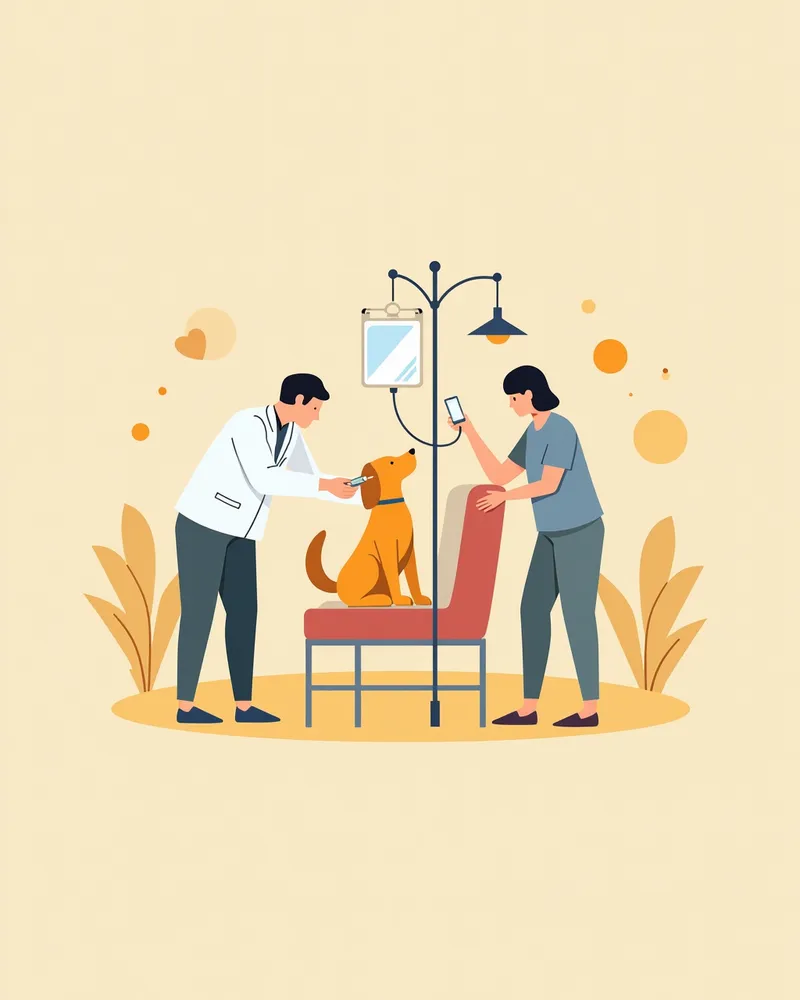
Since there is no specific antiviral medication for canine viral hepatitis, treatment focuses on managing symptoms. - Fluid therapy: Prevents dehydration and maintains the body’s fluid balance. - Hepatoprotective agents: Help reduce liver damage and support functional recovery. - Nutritional support: Provides adequate nutrition to aid recovery in weakened patients. - Antibiotics: May be necessary to prevent secondary infections. - Hospitalization: Essential for severe cases or slow recovery. Early detection and consistent care significantly impact the outcome.
Intravenous fluid therapy during the treatment of canine viral hepatitis

How Can It Be Prevented?

Canine viral hepatitis can be effectively prevented through vaccination. The currently used vaccine is the attenuated live CAV-2 vaccine, which offers excellent cross-protection. Vaccination should begin in puppyhood and be completed with multiple doses administered at two- to three-week intervals, as directed by your veterinarian, to ensure adequate immunity. Even after the final dose, it takes some time for full immunity to develop, so it’s important to minimize exposure to the outdoors and avoid public places or contact with other dogs during this period. Regular vaccinations are the most reliable way to protect your dog’s health, and you should carefully monitor your dog’s condition before and after each shot. Consult your veterinarian to determine the appropriate timing and number of doses for your dog.
Procedure for vaccinating dogs against canine viral hepatitis

Caution: Pre- and Post-Vaccination Precautions

It’s best to postpone vaccination if your dog is sick or has a fever. After vaccination, limit your dog’s activity for 24 hours, and contact your veterinarian immediately if any adverse reactions occur, such as coughing, rash, or vomiting. While vaccinations are generally safe, individual responses can vary, so close observation is important.

Reviewed by a veterinarian

Dr. Tony — Punnawat Phongkittirak

Dr. Tony — Punnawat Phongkittirak

Veterinarian

A veterinarian who majored in veterinary medicine at Khon Kaen University, Thailand, and completed the IVSA program at North Carolina State University in the United States. Drawing on clinical experience at animal hospitals, he works in the pet healthcare field and is dedicated to building a digital care environment that connects pet parents with veterinarians.

Frequently Asked Questions

Can canine viral hepatitis be transmitted to humans?
Canine viral hepatitis is a disease in dogs caused by canine adenovirus, and there are no known reports of it being transmitted to pet owners. However, it’s always a good idea to maintain good hygiene practices.
If I don’t vaccinate my pet, when could they get sick?
Skipping vaccinations significantly increases the risk of infection. Puppies, immunocompromised dogs, and those with insufficient maternal antibodies are especially vulnerable, so it’s crucial to stay up to date with the recommended vaccination schedule.
How long does immunity last after vaccination?
The duration of immunity varies depending on the type of vaccine and your dog's individual health status. Rather than relying on a fixed timeframe, the safest approach is to consult with your veterinarian for regular check-ups and adhere to the recommended booster schedule.
Is it safe for my dog to interact with other dogs?
It’s safest to avoid contact with other dogs until your pet has completed all vaccinations. Since full immunity takes time to develop after each shot, there’s still a risk of infection in the meantime, so extra caution is important.
Can dogs that have had this condition get it again?
While immunity typically develops after recovering from an infection, extra caution is needed for pets with weakened immune systems. Regular health check-ups and staying up-to-date with vaccinations are essential.

Share

Related Guides

References

[1] Clinical Medicine of the Dog and Cat, 4th Ed, 2021

[2] Plumb's Veterinary Drug Handbook, 9th Ed, 2022

[3] American Veterinary Medical Association (AVMA) Guidelines on Canine Infectious Diseases, 2023

This information is based on veterinary literature and does not replace diagnosis or treatment. Please consult a veterinarian for specific health concerns.

Metapet Co., Ltd. | CEO: Park Sung-yong | Business Reg. No. 417-88-02562 | Seoul, South Korea | Customer Center

What Is Canine Infectious Hepatitis? Symptoms, Vaccines & Prevention | Meongsiljang