Like
Share
멍실장
강아지 요비중 검사 자주 묻는 질문 Q&A — 보호자가 꼭 알아야 할 핵심

Dog Urine Specific Gravity Test FAQ — Key Information Pet Owners Must Know

UrinaryQ&AMeongsiljang Veterinary Advisory Board

The urine specific gravity test is a key diagnostic tool for evaluating kidney function in dogs. We’ve compiled the most important questions and answers that pet owners should know.

What is a dog urine specific gravity test?

Scene showing the results of a urine specific gravity test strip.
A urine specific gravity test is a key diagnostic tool that measures urine concentration to assess the kidney’s ability to concentrate urine. - Urine Specific Gravity: This value reflects urine concentration and helps determine how effectively the kidneys regulate water balance. - Kidney Function Assessment: Healthy kidneys can either concentrate or dilute urine as needed. This test allows for early detection of potential kidney dysfunction. - Importance of Early Detection: Kidney disease may show no symptoms in its early stages, but this test can identify issues before they progress. - Testing Procedure: The test requires only a simple urine sample and can be performed without any special preparation. Results are interpreted alongside other clinical signs to determine if immediate veterinary care is needed.

Why is urine specific gravity testing important?
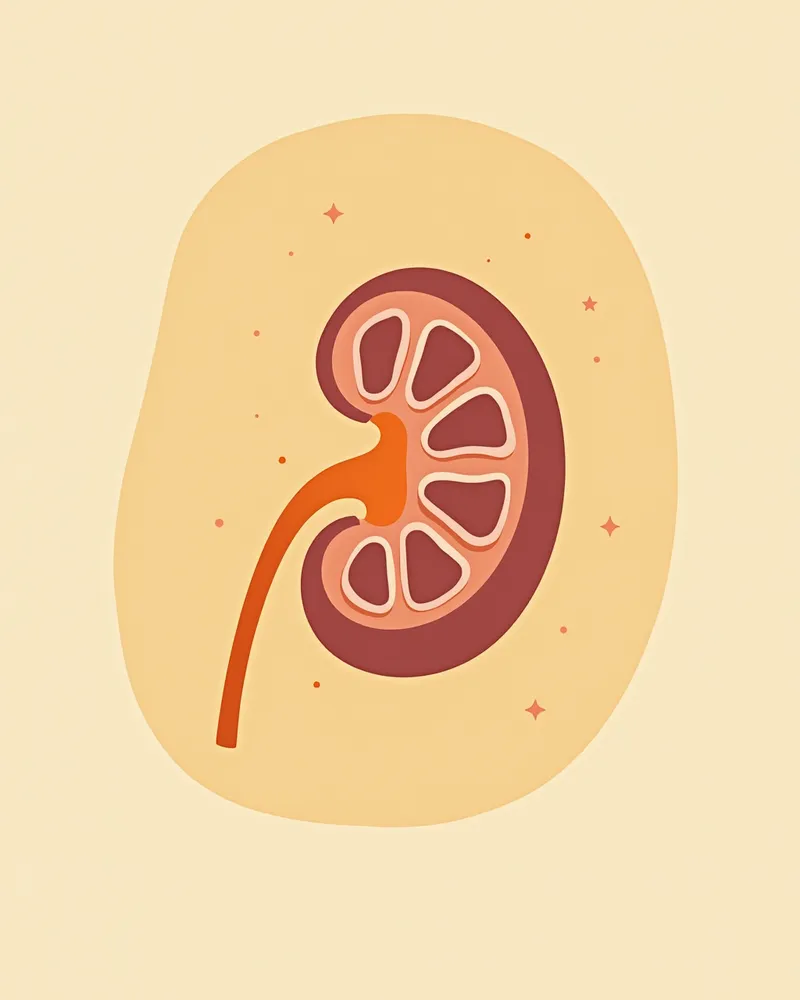
Urine specific gravity testing is a key tool for the early detection of kidney disease. - Low urine specific gravity: A value below 1.008 indicates isosthenuria, a state in which the kidneys are unable to concentrate urine significantly. This may suggest dehydration, reduced kidney function, diabetes mellitus, or endocrine disorders such as diabetes insipidus. - Normal range: In dogs with normal kidney function, urine is typically concentrated to a specific gravity above 1.030. While a value of 1.030 or higher suggests that concentrating ability is preserved, it should be interpreted in conjunction with the dog’s physiological status and other test results. - High urine specific gravity: A value of 1.035 or higher may indicate dehydration or physiological stress, but it is important to note that this alone is not a direct indicator of kidney disease. - Reference range: In dogs, urine specific gravity can vary widely, approximately from 1.001 to 1.070. - Value of early diagnosis: Abnormalities can be detected through testing even in the absence of clinical signs. - Improved treatment outcomes: Early detection leads to better response to treatment and improved prognosis. - Foundation for comprehensive assessment: Kidney health is evaluated holistically alongside blood tests and ultrasound imaging. - Note for pet owners: Regular testing supports effective health management.
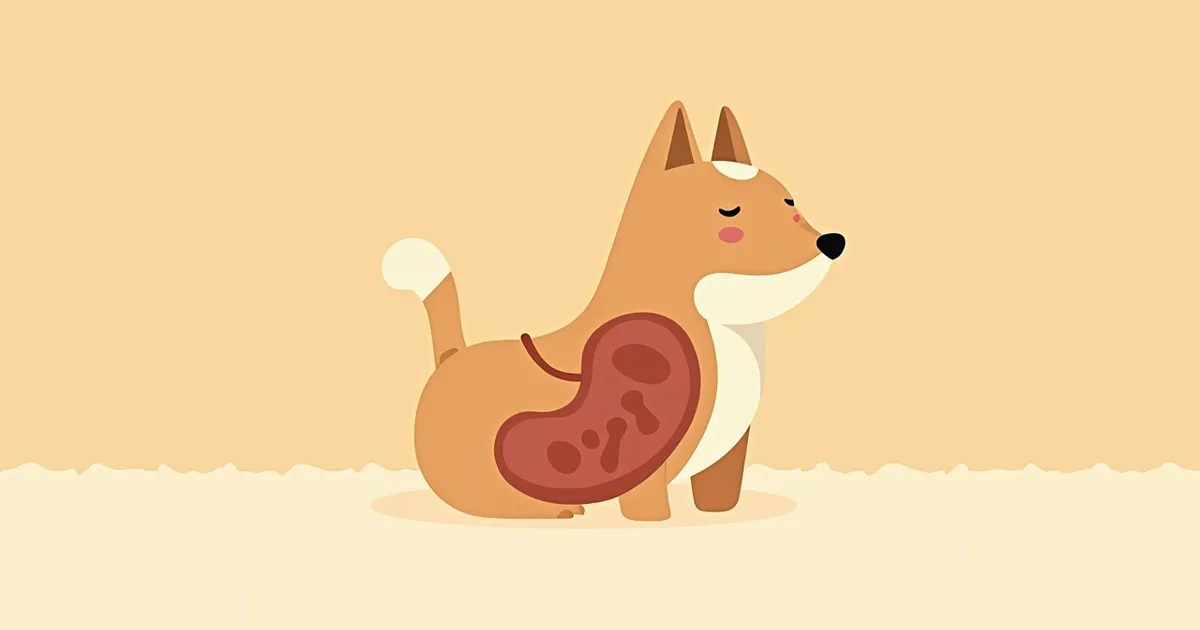
An explanation of the concentrating function of a dog’s kidneys

How to prepare for a urine specific gravity test?

Specific gravity testing can be performed without fasting. - Timing of urine collection: It is important to collect urine within 2–3 hours before the test. - Sample storage: The sample should be tested as soon as possible after collection. Leaving it for an extended period can alter its concentration and skew the results. - Refrigeration: If immediate testing is not feasible, store the sample in the refrigerator. - Sample condition check: The veterinarian will assess the freshness of the sample before interpreting the results. - Owner’s role: To ensure accurate results, please carefully follow the instructions regarding collection time and method.
A puppy being prepared for a specific gravity test

Urine specific gravity test result interpretation criteria

ItemMeaningRecommended Additional Testing
Below 1.008Hyposthenuric (dilute) urine; suspected reduced concentrating ability or kidney diseaseRenal function tests and blood tests needed
1.008–1.012Isosthenuric urine, same concentration as glomerular filtrateRenal function tests and blood tests needed
1.012–1.030Borderline zone with insufficient concentrationFollow-up monitoring recommended
1.030 and aboveSuggests normal concentrating ability in dogs; if very high, possible dehydrationIf accompanied by symptoms, add blood tests and ultrasound

The results are interpreted by the veterinarian in conjunction with the overall symptoms.

What to do if urine specific gravity test results are low?
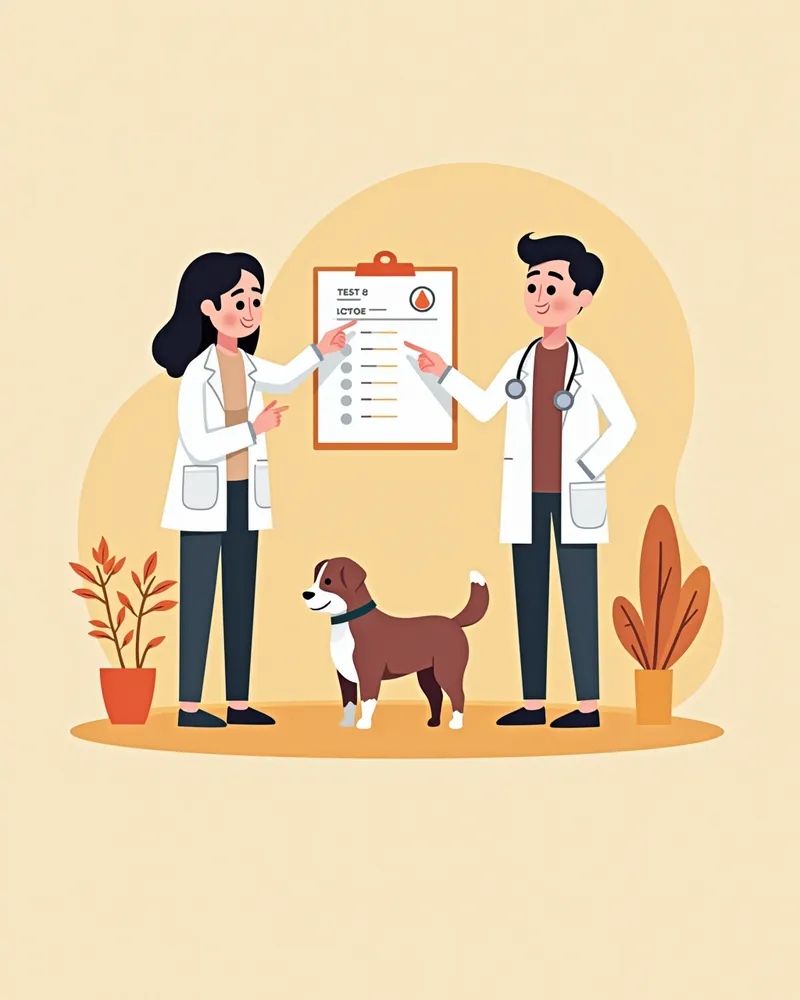
Low urine specific gravity can stem from various underlying causes. - Potential dehydration: While insufficient water intake may temporarily dilute urine, persistently low specific gravity can signal kidney issues. - Reduced kidney function: The kidneys may fail to regulate water properly, resulting in urine that is not adequately concentrated. - Endocrine disorders: Hormonal imbalances or osmotic diuresis associated with conditions like diabetes mellitus or diabetes insipidus can lower urine specific gravity. - Further diagnostics: Consult your veterinarian to perform blood tests, urine cultures, and ultrasound imaging. - Hydration support: Owners can help by encouraging increased water intake. - Ongoing monitoring: Closely observe any changes in symptoms and adhere to regular check-ups.
Consultation scene regarding low urine specific gravity results

Signs requiring immediate veterinary visit

If your pet is urinating very little, producing very dilute urine, showing a loss of appetite, or experiencing repeated vomiting, it may indicate kidney dysfunction. Immediate veterinary care is necessary.

How accurate is urine specific gravity testing?

Urine specific gravity testing is a simple and quick procedure, but its accuracy is highly dependent on the condition of the sample. - Immediate testing: Testing the sample promptly after collection yields the most reliable results. - Fresh samples: Ideally, samples should be tested as soon as possible after collection. If immediate testing isn’t feasible, store the sample in the refrigerator. Prolonged storage can alter the concentration and appearance of the sample. - Sample degradation: Leaving a sample out for too long can cause changes in concentration. Cloudy samples may make it difficult to read the boundary line on the refractometer, interfering with accurate measurement. - Veterinary assessment: Your veterinarian will evaluate the freshness and condition of the sample before interpreting the results. - Comprehensive evaluation: Rather than relying on this test alone, results should be considered alongside clinical symptoms and blood test findings. - Regular testing recommended: Periodic testing is advised to ensure accurate monitoring over time.
Scene of using a spectrometer to measure specific gravity

Summary of frequently asked questions
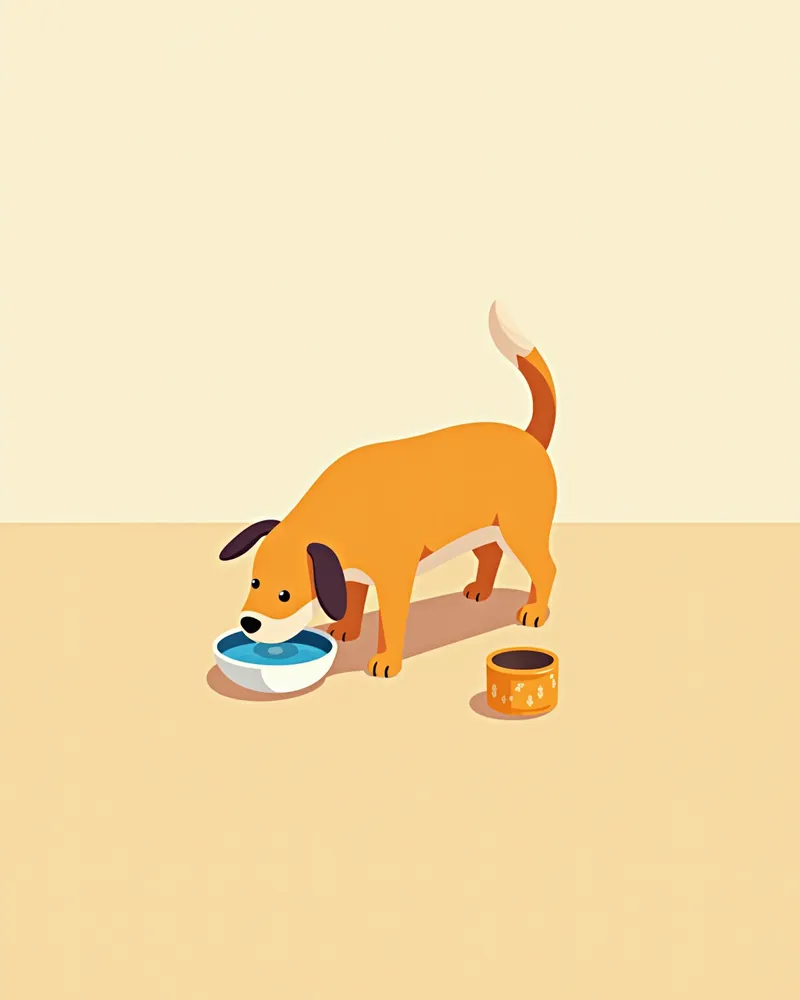
Urine specific gravity testing can be performed without fasting. - Water intake: It is fine for your pet to drink water before the test. However, since specific gravity is influenced by fluid intake, please consider how much water your pet has consumed prior to the test. - Urine collection timing: It is important to collect urine within two hours before the test. Early morning urine is particularly advantageous for assessing the kidneys' concentrating ability. - Interpreting results: Your veterinarian will interpret the results in conjunction with your pet’s clinical signs. - Routine testing: Regular testing is recommended for senior dogs or those with chronic conditions. - Owner’s role: To ensure accurate results, please carefully follow the instructions regarding collection methods and timing.
A dog drinking water before a urine specific gravity test

Reviewed by a veterinarian

Dr. Tony — Punnawat Phongkittirak

Dr. Tony — Punnawat Phongkittirak

Veterinarian

A veterinarian who majored in veterinary medicine at Khon Kaen University, Thailand, and completed the IVSA program at North Carolina State University in the United States. Drawing on clinical experience at animal hospitals, he works in the pet healthcare field and is dedicated to building a digital care environment that connects pet parents with veterinarians.

Frequently asked questions

Does the urine specific gravity test cause pain?
A urine specific gravity test is completely painless and only requires collecting a urine sample. Your dog just needs to wait comfortably.
What should I do if the urine specific gravity test results are unstable?
If the results are inconsistent, your veterinarian may recommend a retest. By comparing multiple samples, they can make a more accurate diagnosis.
Should urine specific gravity testing be done annually?
Healthy dogs should be checked about once a year, while senior dogs should be checked every six months. This is recommended by veterinarians.
Is fasting required before a urine specific gravity test?
Specific gravity testing doesn’t require fasting. It’s fine for your pet to drink water, but it’s important to collect urine within two hours before the test.
What could be the reason for a low urine specific gravity result?
Dehydration, decreased kidney function, diabetes, and endocrine disorders can all be underlying causes. Your veterinarian will perform additional tests to pinpoint the exact cause.

Share

Related Guides

References

[1] Plumb's Veterinary Drug Handbook, 9th ed. (2021). Wiley-Blackwell.

[2] Ettinger, S.J. and Feldman, E.C. (2017). Textbook of Veterinary Internal Medicine, 8th ed. Elsevier.

[3] American College of Veterinary Internal Medicine (ACVIM). Guidelines for Urinalysis in Dogs and Cats (2020).

This information is based on veterinary literature and does not replace diagnosis or treatment. Please consult a veterinarian for specific health concerns.

Metapet Co., Ltd. | CEO: Park Sung-yong | Business Reg. No. 417-88-02562 | Seoul, South Korea | Customer Center

Dog Urine Specific Gravity Test: Answers to All Your Questions | Meongsiljang