
Dog Urethral Obstruction FAQ — Key Information Every Pet Owner Must Know
Urethral obstruction in dogs is a life-threatening emergency. Here’s a clear overview of the causes, symptoms, and what you should do—essential knowledge for every pet owner.
Urethral Obstruction in Dogs Is a Life-Threatening Emergency
Why Are Male Dogs at Higher Risk?
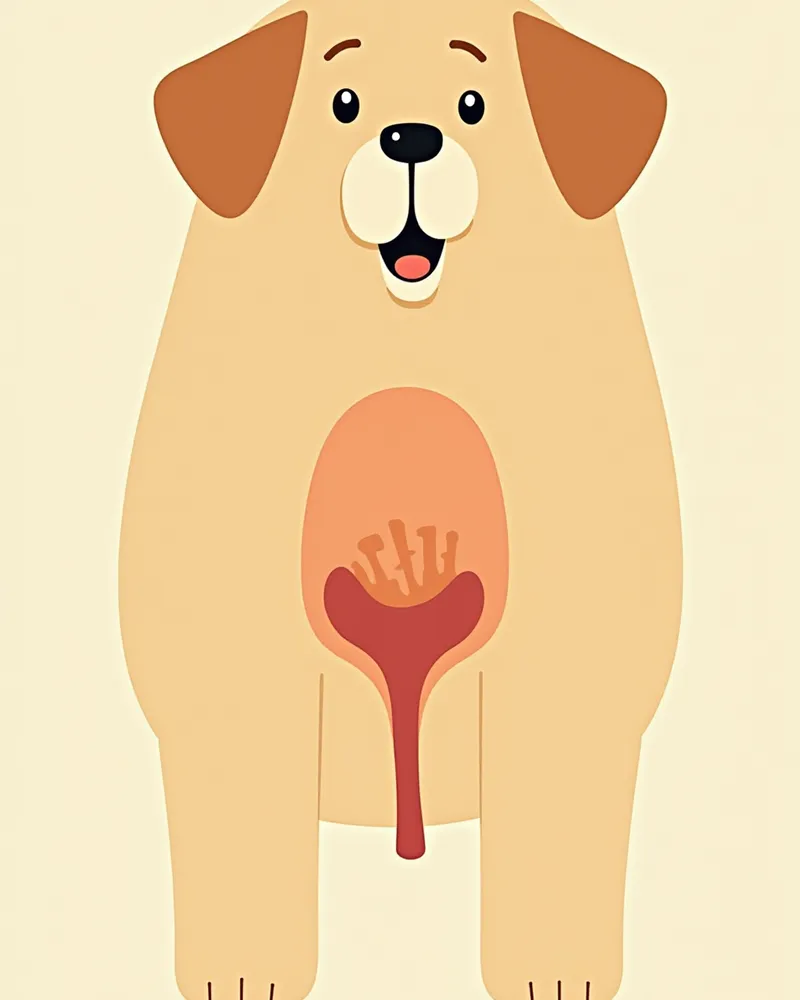
Learn the Main Causes of Urethral Obstruction
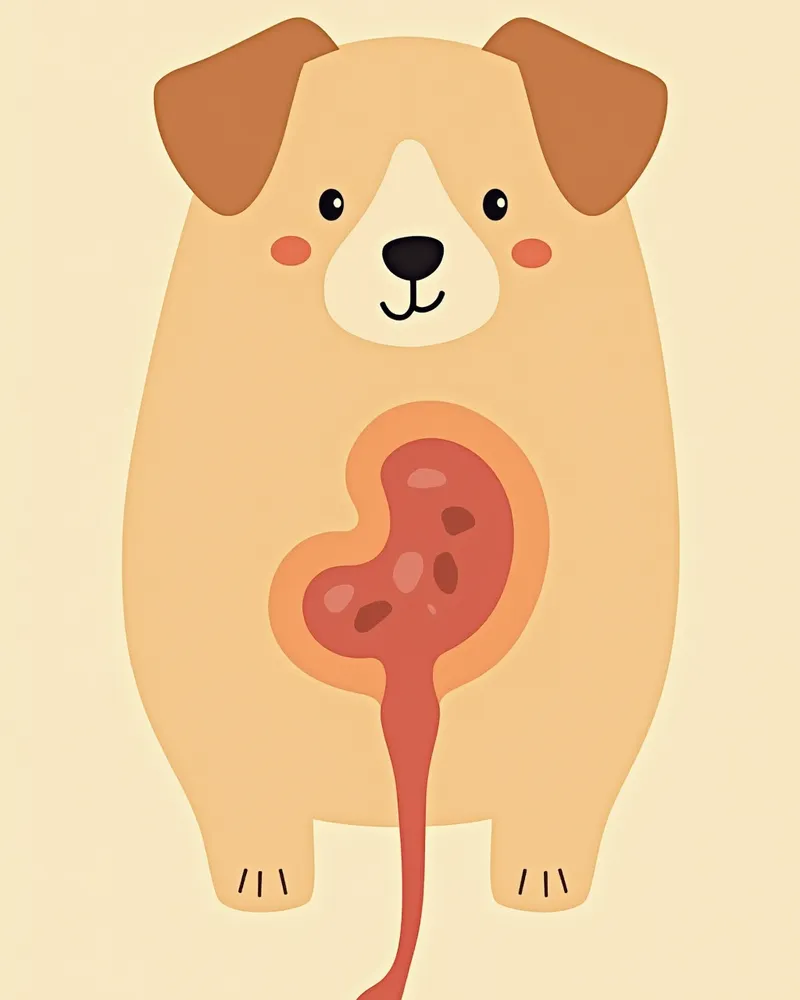
5 Main Symptoms of Urethral Obstruction

Emergency Signs Requiring Immediate Veterinary Visit
If your dog is straining to urinate but little or no urine comes out, seek veterinary care immediately. Urethral obstruction is a medical emergency that must be ruled out first, as it requires prompt treatment; if left untreated, it can lead to kidney damage or even death. Do not wait—contact your veterinarian right away.
How Is Urethral Obstruction Diagnosed?
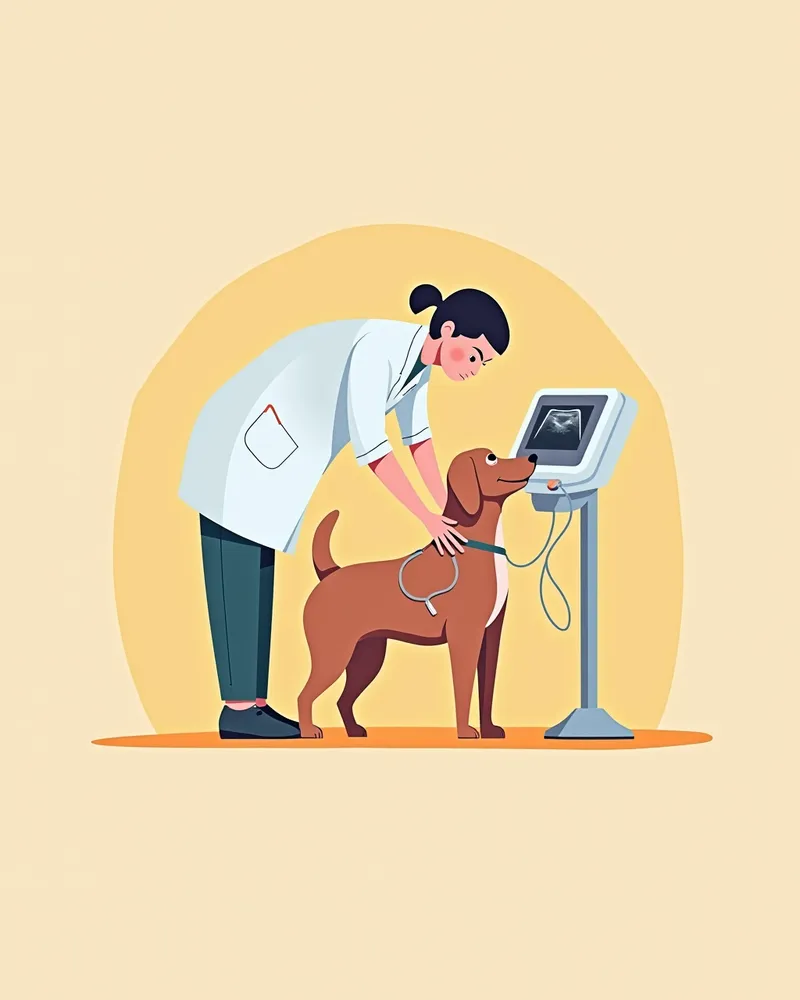
Treatment Is Conducted in Stages
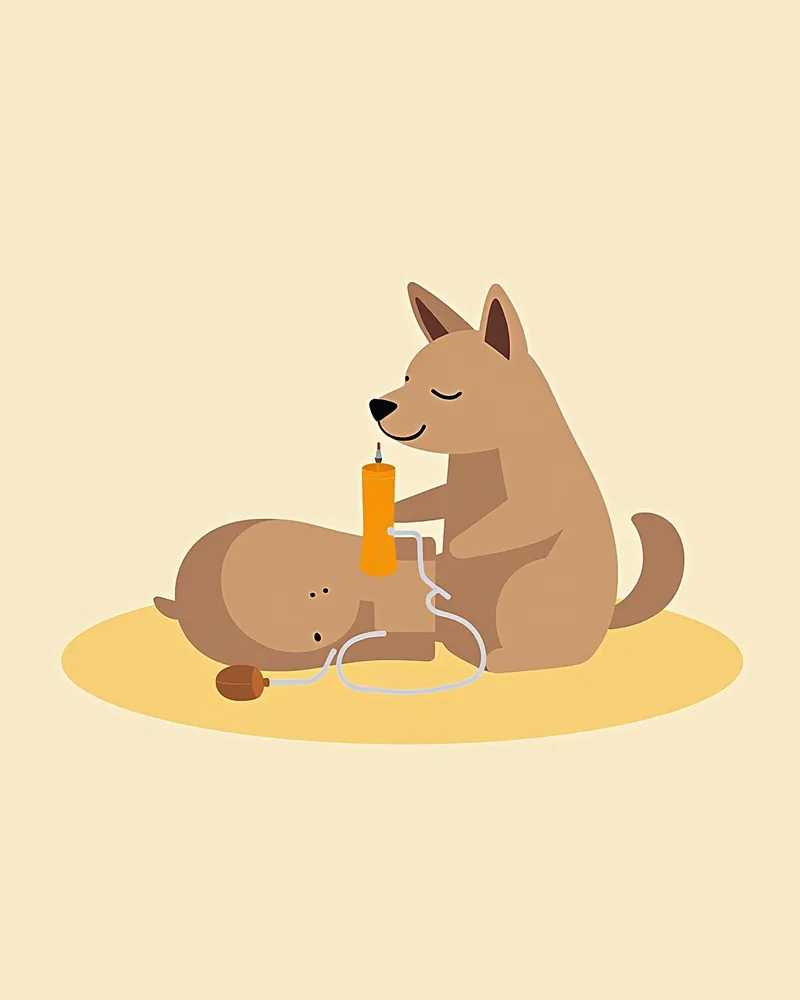
Home Care Points
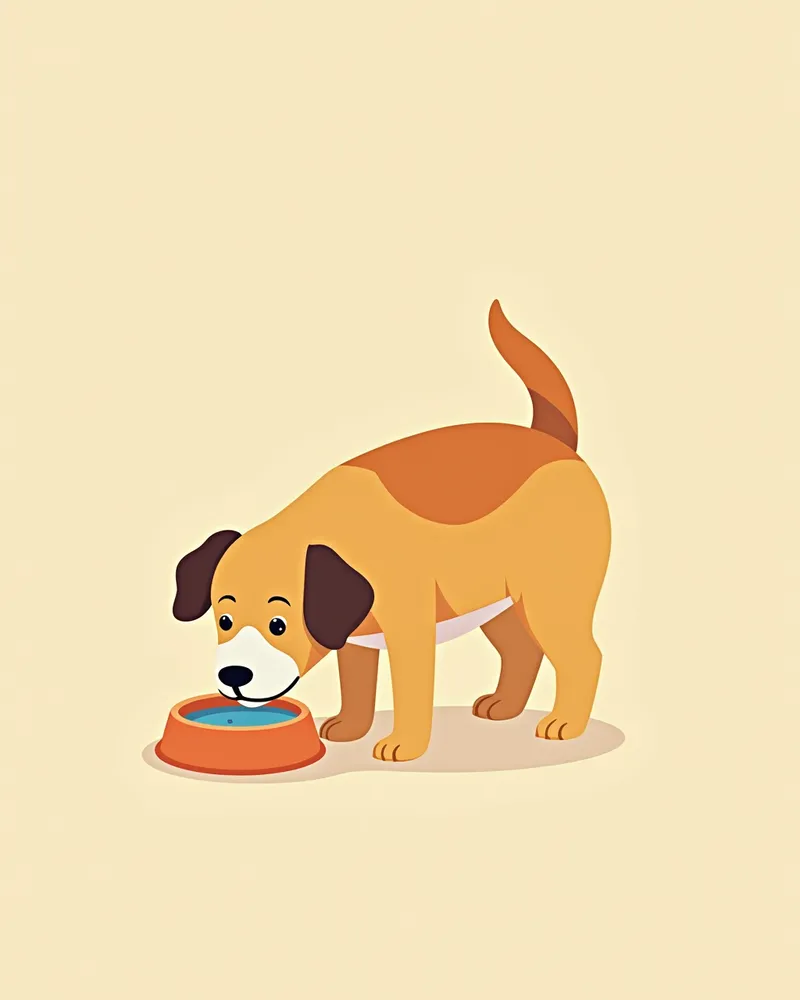
Precautions to Prevent Recurrence
Urethral obstruction has a high likelihood of recurrence. Pet owners must diligently manage their pet’s diet, ensure adequate water intake, and schedule regular veterinary check-ups. If the obstruction was caused by uroliths, it is essential to consistently feed the special therapeutic diet recommended by your veterinarian.
Reviewed by a veterinarian

Dr. Tony — Punnawat Phongkittirak
VeterinarianA veterinarian who majored in veterinary medicine at Khon Kaen University, Thailand, and completed the IVSA program at North Carolina State University in the United States. Drawing on clinical experience at animal hospitals, he works in the pet healthcare field and is dedicated to building a digital care environment that connects pet parents with veterinarians.
Reviewed 2026-06-29
Frequently Asked Questions
Why is urethral obstruction more common in male dogs?
What should I do if I suspect a urethral obstruction?
Can urethral obstruction recur after treatment?
Can a special diet help prevent urethral obstruction?
How do veterinarians treat a urethral obstruction?
Diet Comparison for Preventing Urethral Obstruction
| Item | Food name | Main ingredients | Suitable breeds | Price (1kg) |
|---|---|---|---|---|
| Special food A | Reduced magnesium, pH control | Vitamin E, omega-3 | Small male dogs | $20 |
| Special food B | Reduced calcium, acidification | Glucosamine, collagen | Medium male dogs | $30 |
| Special food C | Inflammation relief, antioxidant | Probiotics, pectin | Senior male dogs | $40 |
Choose according to veterinary recommendation criteria. If the risk of recurrence is high, use of a specialized food is strongly recommended.
Share
Related Guides
Top 5 Prescription Diets for Feline FLUTD — Comparison by Struvite and Calcium Oxalate Stones
Top Recommended Diets for Preventing Canine Urinary Tract Stones and Key Selection Criteria
Top 7 Prescription Diets for Feline Bladder and Urinary Tract Health Recommended by Veterinarians — Including Selection Criteria
A Complete Guide to Puppy Teething: Timing and Care
Kitten Growth Chart by Month: Average Weight and Height
Complete Guide to Puppy Monthly Height and Weight Development Charts
Holter Monitor (24-Hour ECG)
Immunofluorescence Antibody Test (IFA): What Is It and When Is It Needed?
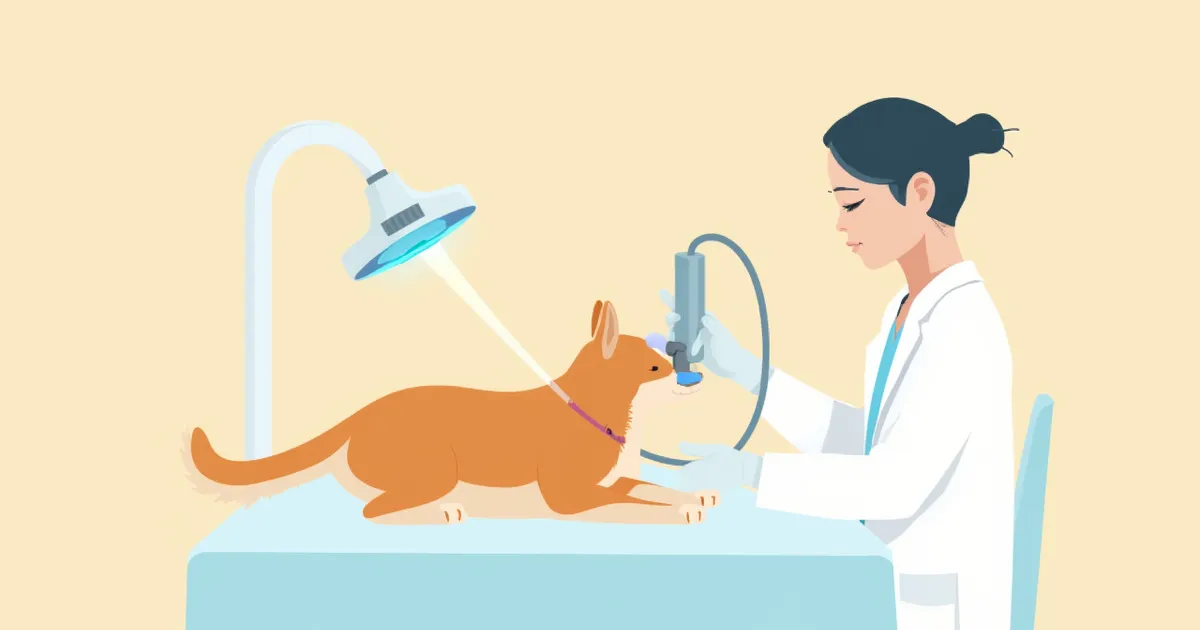
How is nasal endoscopy performed?
The Ultimate Guide to Gastroscopy and Colonoscopy for Dogs and Cats: Procedure and Costs
References
[1] Plumb's Veterinary Drug Handbook, 9th Edition, 2022
[2] Veterinary Internal Medicine: A Textbook of Small Animal Medicine, 8th Edition, 2021
[3] BSAVA Manual of Canine and Feline Urology, 2nd Edition, 2019