Like
Share
멍실장
강아지 소변 배양 검사 자주 묻는 질문 Q&A — 보호자가 꼭 알아야 할 핵심

Dog Urine Culture Test FAQ — Key Information Every Pet Owner Should Know

UrinaryQ&AMeongsiljang Veterinary Advisory Board

A urine culture test for dogs is a key diagnostic tool that accurately identifies the bacteria causing urinary tract infections. We’ve compiled the essential questions and answers every pet owner should know.

What Is a Dog Urine Culture Test?
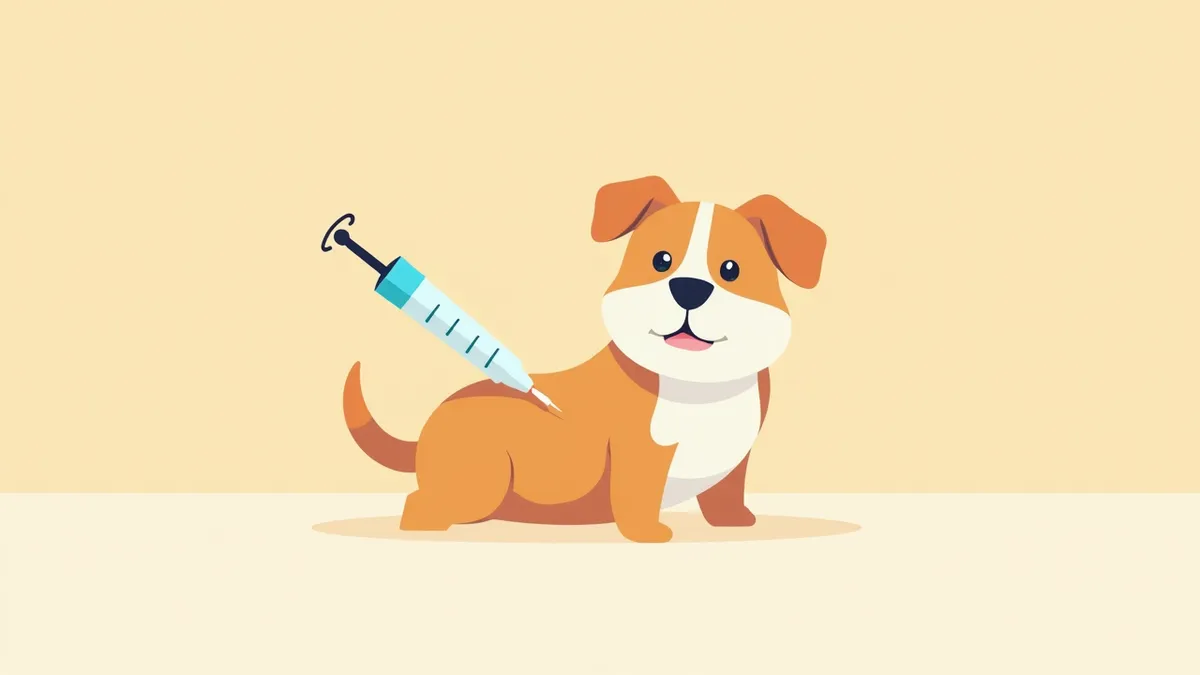
A veterinarian collecting a dog's urine sample via cystocentesis
A urine culture test for dogs involves culturing a urine sample to accurately identify the bacteria causing a urinary tract infection. - Urine Culture Test: This is a key diagnostic procedure that isolates bacteria from the urine to determine which specific bacteria are causing the infection. - Accurate Identification of the Cause: A standard urinalysis alone cannot identify the specific bacteria responsible, making this test necessary. - Targeted Treatment: The test reveals which antibiotics are effective, helping to prevent the use of inappropriate medications. - Improved Treatment Outcomes: Selecting the right medication reduces the risk of reinfection. - High Reliability of Results: When the sample is collected via cystocentesis (bladder aspiration), there is minimal external contamination, ensuring high accuracy.

Why Is a Urine Culture Test Necessary?
If your dog is urinating frequently, showing signs of pain during urination, or producing cloudy or strongly odorous urine, a urinary tract infection may be suspected. - Limitations of routine urine tests: A standard urinalysis alone cannot identify the specific bacteria causing the infection. - Need for accurate diagnosis: Without identifying the causative pathogen, effective treatment becomes difficult. - Preventing antibiotic misuse: Using the wrong medication can lead to antibiotic-resistant bacteria and complicate treatment. - Enabling targeted therapy: Culture results allow selection of the most effective antibiotic. - Preventing reinfection: Accurate treatment helps ensure the infection is completely eradicated.
A container holding a sterile urine sample

How Is the Urine Culture Test Performed?
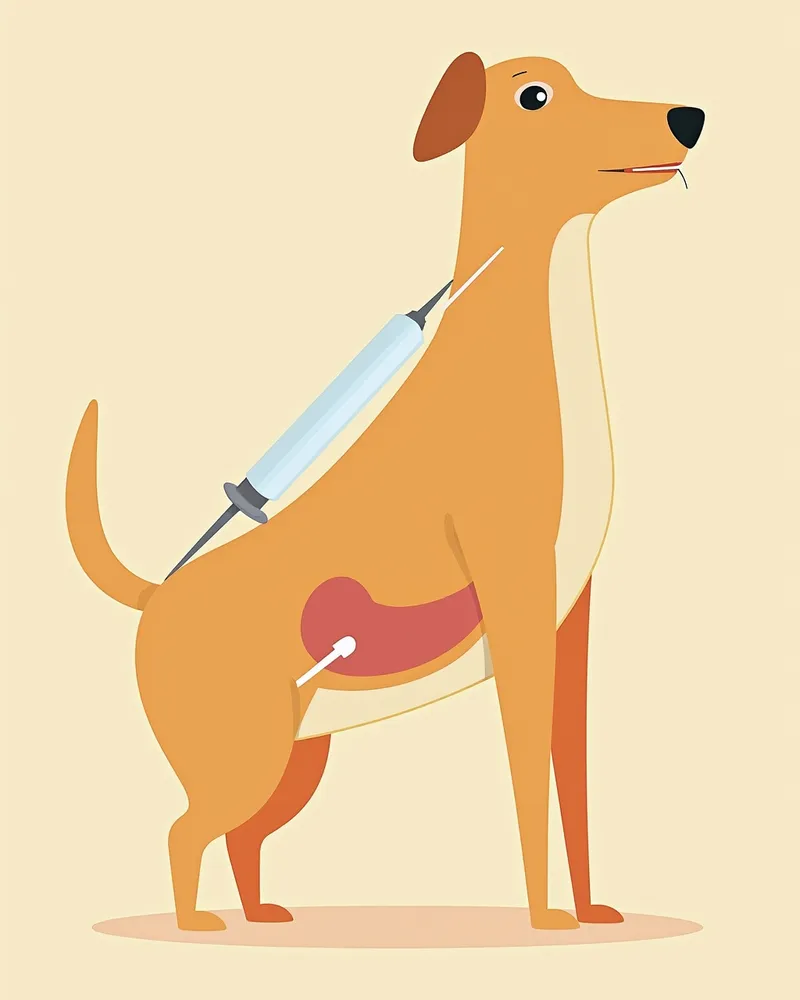
The most accurate method for a urine culture test is bladder aspiration. - Bladder aspiration: Urine is collected directly from the bladder to minimize external contamination. - Post-collection testing: The collected urine is sent to the lab immediately, and the culture is completed within 24 to 48 hours. - Identification of causative bacteria: The specific bacteria causing the infection are accurately identified. - Antibiotic susceptibility testing: This determines which antibiotics the bacteria are sensitive to. - Treatment planning: The veterinarian uses the results to initiate effective treatment.
A veterinarian collecting urine through bladder aspiration

Urine Test vs. Urine Culture Test Comparison

ItemUrinalysisUrine Culture
PurposeIdentify physical and chemical abnormalities in the urineIdentify the causative organism and check drug sensitivity
AccuracyModerate (possible contamination)High (accurate identification of the cause)
Time RequiredAbout 30 minutes24–48 hours
Required MethodTesting after cystocentesis or collectionCystocentesis essential (for accurate results)

Cystocentesis is the most accurate method of urine collection. Urine collected externally has a high chance of contamination, so the reliability of the results is lower.

How to Interpret Urine Culture Test Results

The results consist of the identified causative pathogen and its antibiotic susceptibility profile. - Identification of the Causative Pathogen: For instance, if the report lists "Escherichia coli (E. coli)," it indicates the specific bacterium causing the infection. E. coli is one of the most commonly cultured bacteria in canine urinary tract infections. - Susceptibility Results: If a specific antibiotic is marked as "susceptible," it suggests a high likelihood of efficacy. However, because susceptibility testing is performed in vitro, the actual clinical response to treatment may vary. - Assessment of Infection: The isolation of a causative pathogen in culture raises suspicion of infection. A definitive diagnosis is made by considering both the bacterial colony count and the clinical signs. - Treatment Planning: The veterinarian uses this information to initiate effective therapy. - Prevention of Reinfection: Completing appropriate treatment based on accurate diagnostic information reduces the risk of recurrent infection.
A researcher observing bacteria on a culture plate

Signs Requiring Immediate Veterinary Visit

If your puppy tries to urinate but nothing comes out, cries out in pain while attempting to urinate, or has blood in its urine, this is an emergency. You should take your puppy to the vet immediately. If cystitis worsens, it can lead to bladder rupture or kidney damage.

Precautions Before the Test
Do not administer antibiotics before a urine culture test. - Antibiotics must be withheld: Because antibiotics inhibit or kill bacteria, they can interfere with test results. Therefore, urine samples for culture should ideally be collected before antibiotic therapy begins. - Timing of discontinuation: If your pet is already on antibiotics, they must be stopped for a specific period before the test. Consult your veterinarian to determine the exact timing. - Importance of collection method: Urine collected from the outside environment has a high risk of contamination, which can compromise result accuracy. Cystocentesis (bladder tap) is the preferred method. - Ensuring accurate results: Proper preparation ensures reliable and trustworthy outcomes. - Improving treatment efficacy: Accurate test results are the first step toward effective treatment.
A veterinarian prepares the tools for a urine culture test.

Post-Test Care Tips

Based on the test results, your pet will be prescribed antibiotics. It is crucial to administer the medication consistently for the entire prescribed duration. - Complete the full course of medication: Stopping the medication early can allow bacteria to survive and cause a reinfection. - Encourage water intake: Ensuring your pet drinks plenty of water helps increase urine output. - Encourage frequent bathroom breaks: Allowing urine to remain in the bladder for too long can promote bacterial growth. - Prevent recurrence of infection: Consistent care helps maintain urinary tract health. - Consult your veterinarian: Contact us immediately if you notice any unusual symptoms while your pet is taking the medication.
A puppy drinking clean water

Reviewed by a veterinarian

Dr. Tony — Punnawat Phongkittirak

Dr. Tony — Punnawat Phongkittirak

Veterinarian

A veterinarian who majored in veterinary medicine at Khon Kaen University, Thailand, and completed the IVSA program at North Carolina State University in the United States. Drawing on clinical experience at animal hospitals, he works in the pet healthcare field and is dedicated to building a digital care environment that connects pet parents with veterinarians.

Frequently Asked Questions

Does a urine culture test cause pain?
Bladder catheterization may cause some discomfort, but most dogs tolerate it well since the procedure is over quickly. Male dogs can usually undergo the procedure without sedation, while female dogs or more sensitive individuals may require sedation.
Can't urine samples be collected outside?
Urine collected from outside the body is highly susceptible to contamination by external bacteria, making it difficult to obtain accurate results. Cystocentesis is the most reliable method.
How many days will it take for the test results to come back?
Results are typically available within 24 to 48 hours, though some clinics may provide them within one to two days.
Can I get tested after taking antibiotics?
It’s best to avoid this. Antibiotics can suppress or kill bacteria, which may affect culture results. Therefore, urine for culture should ideally be collected before starting antibiotic treatment. If your pet is already on antibiotics, consult your veterinarian about the best timing for the test.
Is a urine culture test expensive?
While the cost is relatively high, this test is essential for accurate diagnosis and treatment. Using the wrong medication can end up costing more time and money.

Share

Related Guides

References

[1] Sørensen, T.M., Jensen, A., Damborg, P. et al. (2016). Evaluation of different sampling methods and criteria for diagnosing canine urinary tract infection by quantitative bacterial culture. Vet. J. 216: 168–173.

[2] Manfredi, S., Gnudi, G., Miduri, F. et al. (2003). Diagnostic and therapeutic cystocentesis in dogs and cats: considerations. Crit. Care 12: 183–187.

[3] Plumb's Veterinary Drug Handbook, 9th ed. (2022). Wiley-Blackwell. Chapter on Urinary Tract Infections and Antimicrobial Therapy.

This information is based on veterinary literature and does not replace diagnosis or treatment. Please consult a veterinarian for specific health concerns.

Metapet Co., Ltd. | CEO: Park Sung-yong | Business Reg. No. 417-88-02562 | Seoul, South Korea | Customer Center

Dog Urine Culture Test: Your Complete Guide to Common Questions | Meongsiljang