Like
Share
멍실장
마취 중 모니터링 항목, 병원에서 어떻게 확인하나요?

How do clinics check monitoring parameters during anesthesia?

ImmunityQ&AMeongsiljang Veterinary Advisory Board

Monitoring during anesthesia involves real-time tracking of vital signs such as heart rate, blood pressure, oxygen saturation, respiration, and body temperature to detect complications early. We’ve put together a simple guide for pet owners explaining why each of these parameters is important.

What is monitoring during anesthesia?
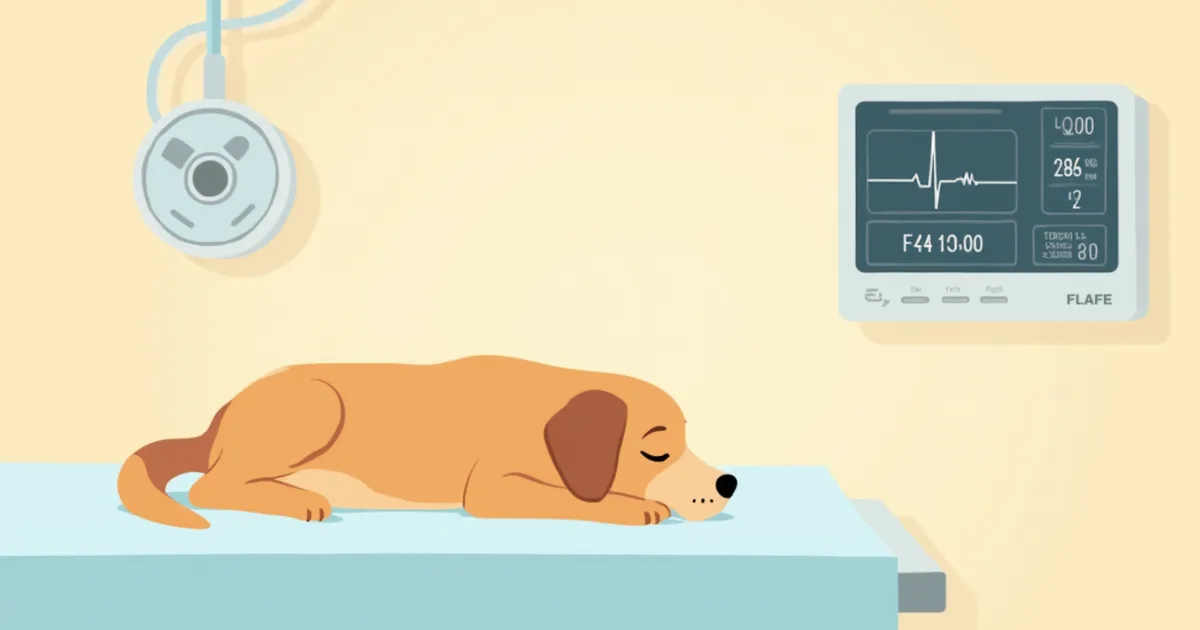
The anesthesia monitor screen and the pet undergoing surgery
Monitoring during anesthesia is a safety management process that involves real-time tracking of vital signs such as heart rate, blood pressure, oxygen saturation, respiration, and body temperature in dogs and cats undergoing surgery. What must not be overlooked is that even the healthiest pets still face some anesthesia risk; therefore, safety largely depends on how quickly subtle changes are detected and addressed. According to veterinary anesthesiology textbooks, the key to patient safety lies in the early detection and appropriate management of cardiovascular and respiratory changes during anesthesia, and it is recommended to systematically record and manage vital signs using standardized anesthesia record sheets.

Why is such careful monitoring necessary?

Anesthesia is not simply "deep sleep"; it is a state in which brain activity, heart function, and respiration are simultaneously suppressed. Because of this, even minor changes can rapidly worsen. There is no such thing as a completely "zero" risk of anesthesia-related complications, even in healthy animals, so it is crucial to detect and respond to any changes in condition quickly. Cats, in particular, can deteriorate rapidly after anesthesia, making close observation during the postoperative recovery period essential. Monitoring must continue uninterrupted until the animal is fully awake.

The five essential monitoring parameters

ItemWhat is monitored?Why is it important?
Heart rate / ECGNumber of heartbeats per minute, rhythmEarly detection of arrhythmia and cardiac arrest
Blood pressureSystolic and diastolic blood pressureHypotension risks kidney and brain damage
Oxygen saturation (SpO2)Percentage of oxygen in the bloodRisk of hypoxia when oxygen levels drop
Respiratory rate / end-tidal CO2Breaths per minute, exhaled CO2Detection of inadequate ventilation and airway problems
Body temperatureCore body temperatureHypothermia causes delayed recovery and arrhythmia

Based on the basic monitoring parameters recommended by the American College of Veterinary Anesthesia and Analgesia (ACVAA).

A closer look at each parameter

- Electrocardiogram (ECG): This device displays the heart’s electrical signals as a graph, making it the most effective tool for detecting arrhythmias early. - Blood Pressure: Anesthetics can dilate blood vessels and lower blood pressure. If blood pressure drops too low, blood flow to vital organs decreases. - Oxygen Saturation: A clip-like sensor attached to the tongue or ear noninvasively monitors oxygen saturation levels in the blood in real time. - End-Tidal Carbon Dioxide: This measurement confirms that the endotracheal tube is properly placed and that breathing is proceeding normally. - Body Temperature: Small dogs and cats are especially prone to hypothermia, so we closely monitor their temperature and use warming mats to keep them comfortable.
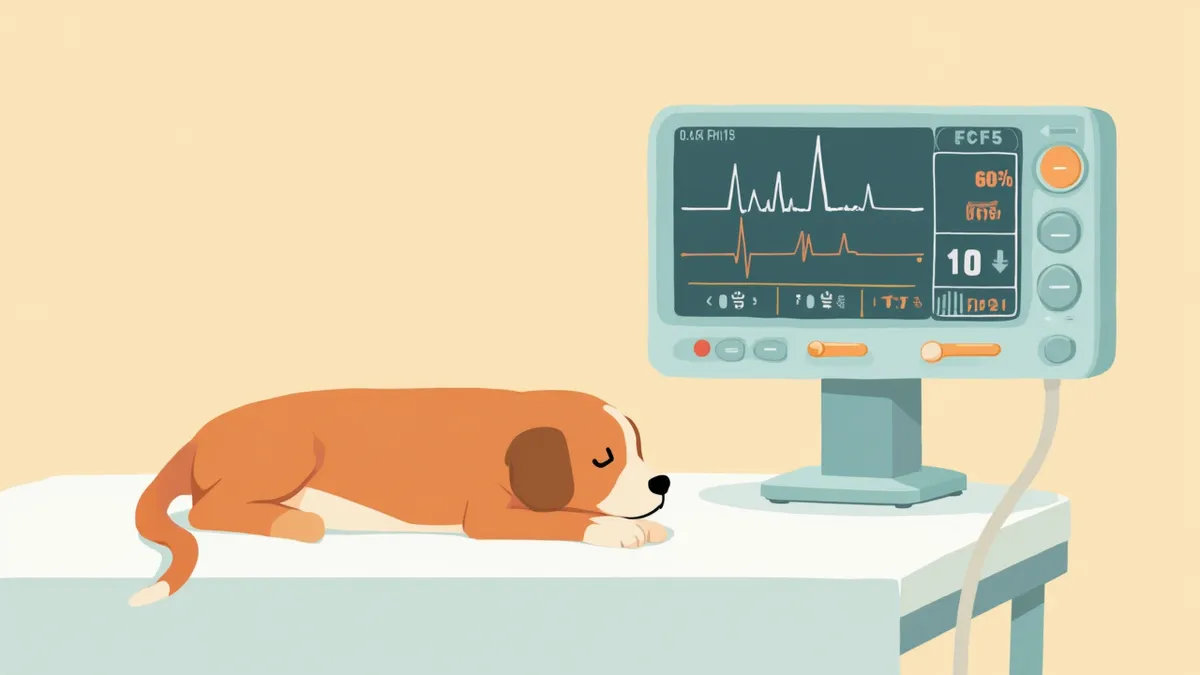
An anesthetized pet with an oxygen saturation sensor and blood pressure cuff attached

Three things to ask the clinic before surgery

1) Is there a dedicated anesthesia professional? When the surgeon and the anesthesiologist are the same person, their focus can be divided. 2) Do you use a multi-parameter monitor? For safety, equipment that simultaneously tracks heart rate, blood pressure, oxygen, carbon dioxide, and body temperature is essential. 3) How long is the post-anesthesia recovery monitoring? Close observation is crucial because risks persist during the recovery phase after anesthesia. Veterinary anesthesia guidelines recommend at least three hours of meticulous monitoring after anesthesia ends.

High-risk patients require additional monitoring
For patients at higher anesthetic risk—such as those with heart or kidney disease, senior pets, or brachycephalic breeds like Bulldogs, Pugs, and Persians—additional monitoring may be added to the standard five vital parameters. This can include arterial blood gas analysis, invasive (direct) arterial blood pressure measurement, urine output monitoring, and lactate levels. Invasive arterial blood pressure measurement provides continuous and accurate blood pressure readings, which is particularly beneficial for high-risk patients. If you’ve been told that your pet’s health screening results are inconclusive, it is much safer to perform pre-anesthetic blood tests and an echocardiogram first.
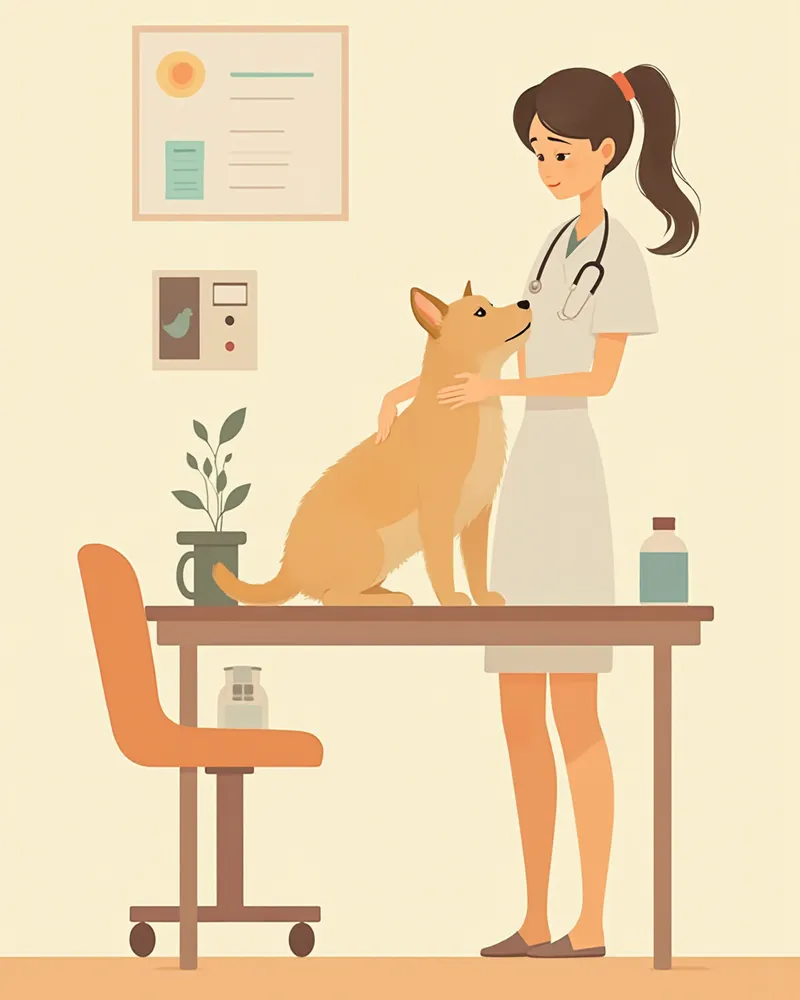
An elderly dog undergoing pre-anesthesia blood tests and an echocardiogram

Cats have specific differences to note

Cats are more sensitive to anesthesia and their condition can deteriorate rapidly. This makes close monitoring especially critical during the postoperative recovery period. As a result, proper endotracheal tube management, prevention of hypothermia, and oxygen supplementation in the recovery room are particularly important in feline surgeries. As a cat owner, be sure to confirm whether oxygen levels and body temperature are being maintained in the recovery room. The standard isn’t simply that the cat has “woken up,” but that they have “woken up stably.”

Signs of a clinic with proper monitoring

- Anesthesia records: Many clinics manually record or automatically save vital signs every five minutes. - Dedicated anesthesia staff: A veterinary technician or a veterinarian specializing in anesthesia is assigned to monitor the patient. - Emergency drugs and equipment: The operating room is stocked with emergency medications such as epinephrine and atropine, as well as a defibrillator. - Recovery room environment: The area features warming mats, oxygen-supplied cages, and nursing staff to assist during recovery. Asking about these aspects naturally during your pre-surgical consultation can help you gauge the clinic’s safety standards. For more detailed pre-surgery preparation tips, please refer to the Dog Pre-Surgery Checklist.

Symptoms that require immediate notification

If you notice any of the following symptoms after your pet returns home from anesthesia, please contact your veterinarian immediately: - Your pet remains unconscious for more than six hours or continues to stagger unsteadily. - Your pet's gums appear pale or purple. - Your pet's breathing is shallow and rapid, or panting does not stop. - Your pet's body temperature feels abnormally low or high (please provide the measured temperature to the clinic if available). - Bleeding from the surgical site does not stop, or swelling increases rapidly.

Reviewed by a veterinarian

Dr. Tony — Punnawat Phongkittirak

Dr. Tony — Punnawat Phongkittirak

Veterinarian

A veterinarian who majored in veterinary medicine at Khon Kaen University, Thailand, and completed the IVSA program at North Carolina State University in the United States. Drawing on clinical experience at animal hospitals, he works in the pet healthcare field and is dedicated to building a digital care environment that connects pet parents with veterinarians.

Frequently Asked Questions

Do all small animal clinics use the same equipment?
Not necessarily. Facilities vary widely, from those with only basic equipment to those equipped with multi-parameter monitors and automated anesthesia record-keeping. The most reliable approach is to ask directly about the types of monitoring equipment used before surgery.
Is monitoring necessary even for short procedures under anesthesia, such as dental scaling?
Yes, it is absolutely necessary. Vital signs can change rapidly and unexpectedly during anesthesia, regardless of the procedure's duration. Veterinary anesthesia textbooks emphasize the need for basic monitoring throughout the entire anesthetic process, as a shorter duration does not equate to lower risk.
Is it better to avoid anesthesia for senior dogs?
What matters most isn’t your pet’s chronological age, but rather the current condition of their organs. We assess risk through blood tests and an echocardiogram, and if surgery is necessary, we proceed with enhanced monitoring to ensure the safest long-term outcome.
What should I prepare before my pet’s anesthesia?
Follow the fasting instructions provided by your veterinarian (which may vary depending on your pet’s condition and the type of surgery), share a list of any medications or supplements they’ve recently taken, and provide any past medical records related to heart or kidney health. Taking care of these three basics alone can significantly improve anesthesia safety.
Are there any special insurance plans for anesthesia or additional costs?
Anesthesia monitoring fees can vary from clinic to clinic. Check whether your estimate includes a line item for “anesthesia monitoring.” If it’s missing altogether, it’s a good idea to ask what monitoring equipment they’ll be using.

Share

Related Guides

References

[1] Brodbelt DC et al., The risk of death: the confidential enquiry into perioperative small animal fatalities, Vet Anaesth Analg, 2008

[2] Pypendop BH, Ilkiw JE, Drugs and Techniques in Feline Anesthesia, The Cat: Clinical Medicine and Management 2nd Edition

[3] American College of Veterinary Anesthesia and Analgesia, Monitoring Guidelines Update, 2009

This information is based on veterinary literature and does not replace diagnosis or treatment. Please consult a veterinarian for specific health concerns.

Metapet Co., Ltd. | CEO: Park Sung-yong | Business Reg. No. 417-88-02562 | Seoul, South Korea | Customer Center

Anesthesia Monitoring Checklist for Pet Surgery | Meongsiljang