Like
Share
멍실장
강아지 이소성 ACTH 증후군 자주 묻는 질문 Q&A — 보호자가 꼭 알아야 할 핵심

What is ectopic ACTH syndrome in dogs? — How does it differ from Cushing’s disease?

EndocrineQ&AMeongsiljang Veterinary Advisory Board

Ectopic ACTH syndrome in dogs is a condition that causes hormonal imbalance due to the abnormal production of ACTH. We’ve compiled the key information pet owners should know in a Q&A format.

What is ectopic ACTH syndrome in dogs?

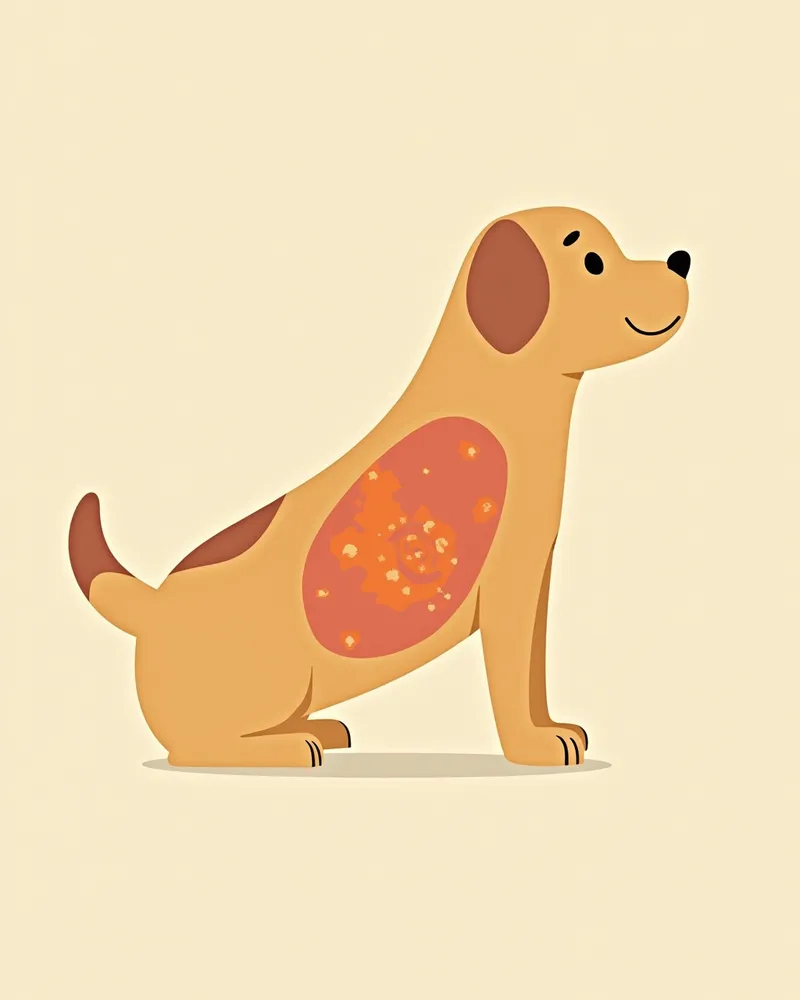
Image showing abnormal growth of the adrenal cortex in a dog
Ectopic ACTH syndrome in dogs is a form of hyperadrenocorticism (Cushing’s disease) in which a tumor outside the pituitary gland abnormally secretes ACTH, stimulating both adrenal cortices (causing hyperplasia) and leading to excessive cortisol production. Although this condition has been well recognized in humans for a long time, it is very rarely reported in companion animals such as dogs and cats. Persistently elevated cortisol levels affect cells throughout the body, resulting in various Cushing’s symptoms. In the early stages, these signs can be subtle and are easily overlooked by pet owners. - Ectopic ACTH syndrome: ACTH is secreted by tumor tissue outside the pituitary gland, stimulating the adrenal glands and causing hormonal imbalance. - Excess cortisol: Sustained increases in cortisol act on cells throughout the body, potentially leading to metabolic disturbances, weakened immunity, and muscle weakness. - Rare condition: Because this disease is rarely reported in companion animals, careful differentiation from other forms of hyperadrenocorticism with similar symptoms and prudent diagnosis through multiple tests are essential.

What are the main causes of this condition?
Ectopic ACTH syndrome in dogs is caused by tumor tissue outside the pituitary gland abnormally secreting ACTH. Because the tumor produces ACTH outside the pituitary, it is termed “ectopic,” and it stimulates the adrenal glands, leading to excessive cortisol production. Cushing’s disease (hyperadrenocorticism) is generally more common in middle-aged to senior dogs. - ACTH secretion by tumors: Tumors in tissues other than the pituitary gland secrete ACTH, stimulating the adrenal cortex and raising cortisol levels. - Rare occurrence: Ectopic ACTH secretion is very rarely reported in companion animals, and it is difficult to specify which organ is consistently involved. - Age factor: Hyperadrenocorticism is generally observed more frequently in middle-aged to senior dogs. - Diagnostic challenges: Early symptoms are vague and hard to distinguish from other adrenal disorders, so multiple tests are needed to accurately identify the cause. If symptoms appear, consult your veterinarian promptly.
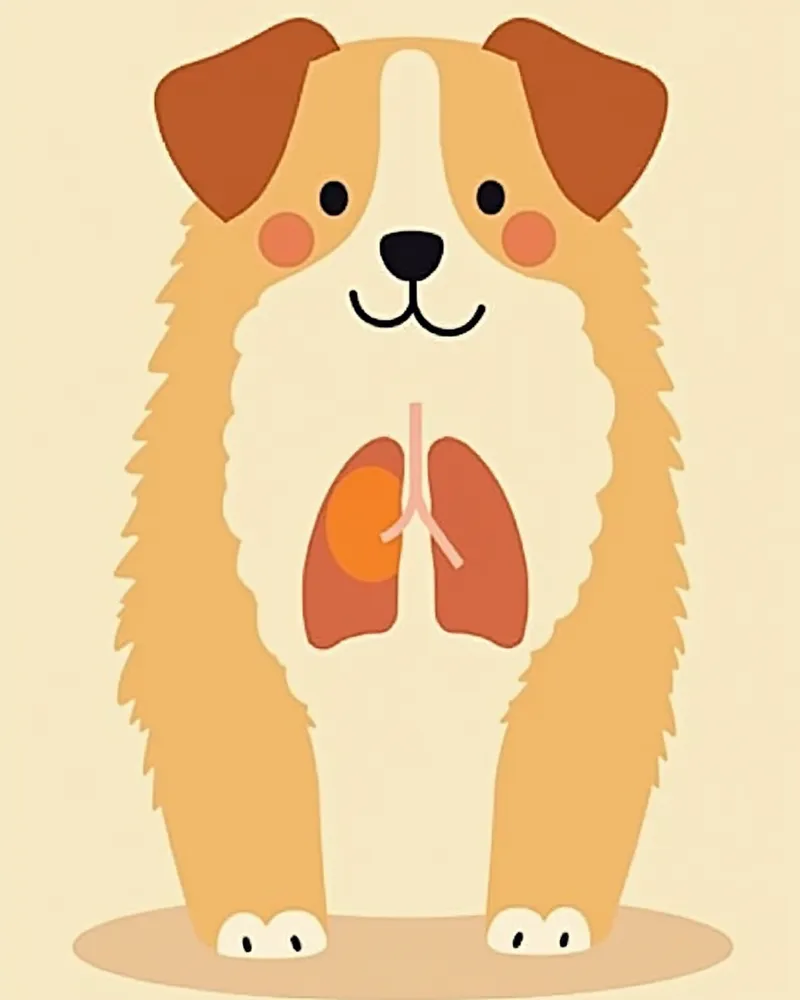
Image of an ectopic ACTH tumor located in a dog’s lungs and lymph nodes

What are the main symptoms?

The main symptoms of ectopic ACTH syndrome in dogs are similar to those of hyperadrenocorticism (Cushing’s disease) caused by excess cortisol. These may include increased thirst and urination (polydipsia and polyuria), increased appetite, a distended “frog-belly” appearance, symmetrical hair loss, muscle weakness, and recurrent skin infections. These signs result from metabolic disturbances and impaired immune function due to elevated cortisol levels. You may also notice respiratory changes such as panting, or behavioral changes like lethargy. Because symptoms develop gradually, it’s important for pet owners to carefully monitor their dog’s daily behavior and physical condition for any changes.
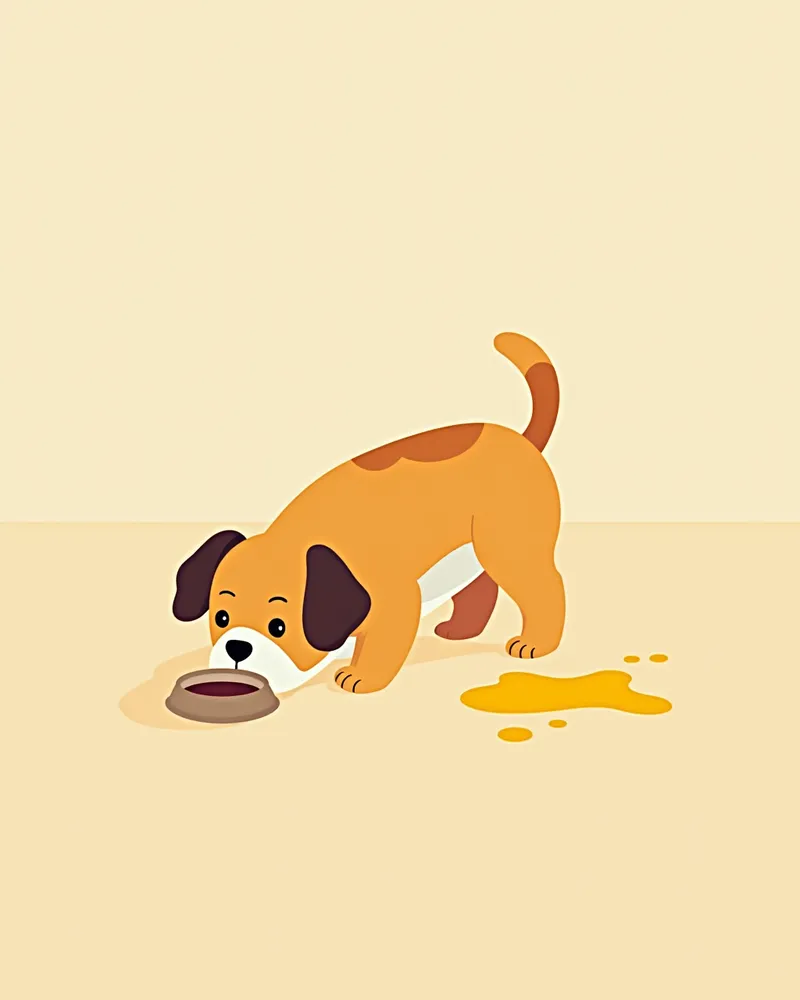
Your dog drinking excessive amounts of water and urinating frequently

Signs requiring immediate veterinary care

If your dog suddenly becomes too weak to stand or experiences severe breathing difficulties, seek veterinary care immediately. These symptoms may indicate serious muscle atrophy or respiratory issues caused by excessive cortisol levels. Additionally, severe vomiting, bloody stools, or decreased consciousness are emergency signs that require immediate consultation with a veterinarian.

What tests are needed for an accurate diagnosis?
To accurately diagnose hyperadrenocorticism, including ectopic ACTH syndrome in dogs, it is essential to combine blood tests, dynamic hormone tests, and imaging studies. Baseline cortisol levels alone are insufficient for a definitive diagnosis, so dynamic tests such as the dexamethasone suppression test or the ACTH stimulation test are required. - Dynamic hormone tests: These evaluate cortisol response through dexamethasone suppression and ACTH stimulation tests to confirm the diagnosis and differentiate between adrenal and pituitary causes. - Blood tests: While baseline cortisol and ACTH levels provide reference points, their variability means they cannot be used alone for a definitive diagnosis. - Imaging studies: CT, MRI, or ultrasound scans help determine the location and size of tumors, as well as check for metastasis. - Biopsy: Tissue biopsies may be performed to assess the nature of the tumor. Because a single test is rarely enough for a diagnosis, multiple tests must be conducted in parallel. An accurate diagnosis is the cornerstone of developing an effective treatment plan.
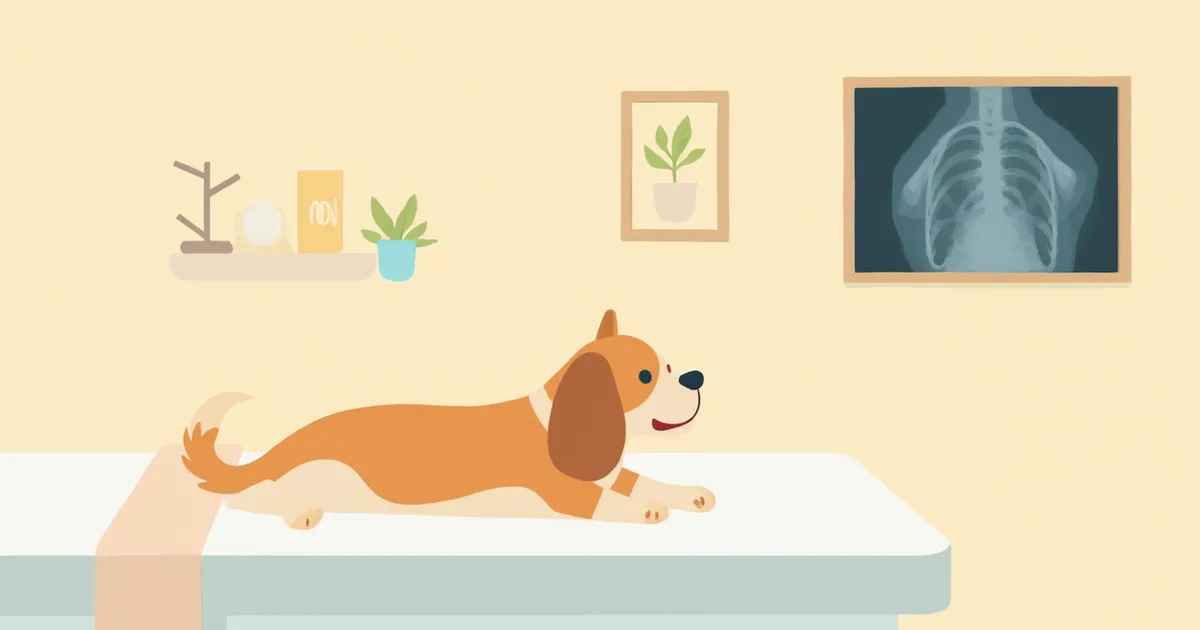
A tumor image near the lungs in a dog's chest CT scan

What are the treatment options?

Treatment depends on the tumor’s location and size, whether it has metastasized, and the type of hyperadrenocorticism. In some cases, such as with adrenal tumors, surgical removal is possible; however, in many cases, medications that suppress hormone production by the adrenal glands are used to control excess cortisol. - Hormone-suppressing medications: Trilostane inhibits steroid (cortisol) synthesis in the adrenal glands to alleviate symptoms. Mitotane is a medication that acts on the adrenal cortex and is used to treat hyperadrenocorticism. - Surgical treatment: If an adrenal tumor is localized, surgery (adrenalectomy) may be considered. - Long-term medication management: Medication therapy may need to continue long-term, requiring regular monitoring of the dog’s condition and dose adjustments through tests such as the ACTH stimulation test. - Individualized treatment plans: Treatment plans vary depending on each dog’s specific situation, so ongoing communication with your veterinarian is essential. - Maintaining quality of life: Throughout treatment, maintaining your dog’s quality of life should remain the top priority.
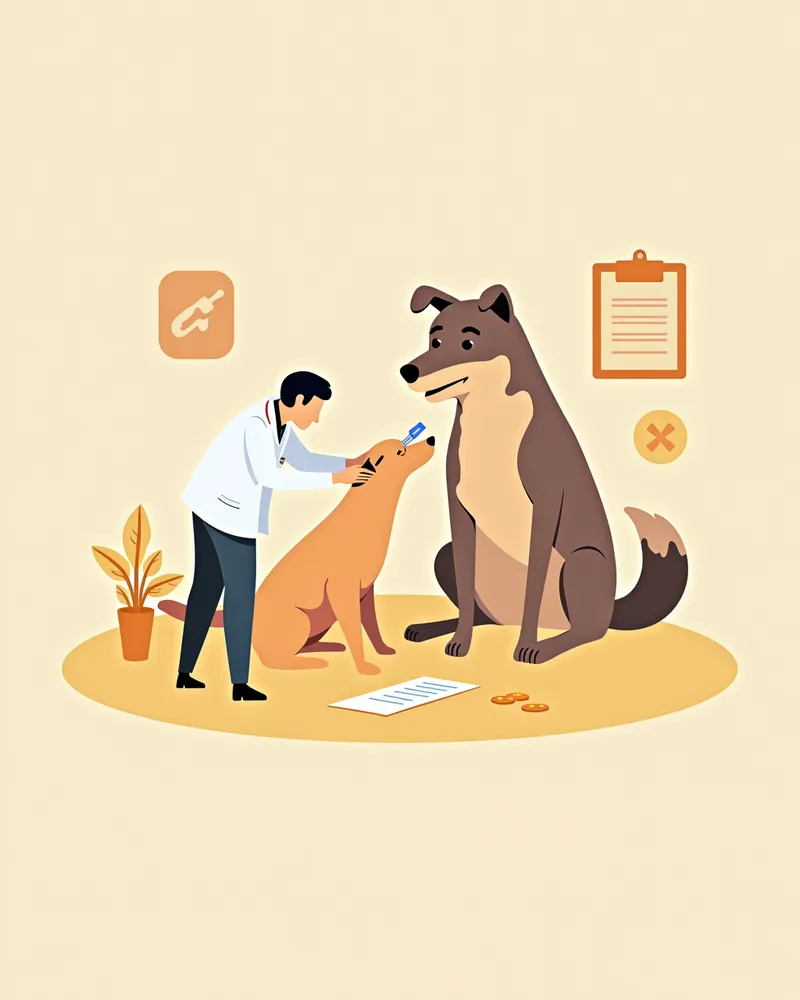
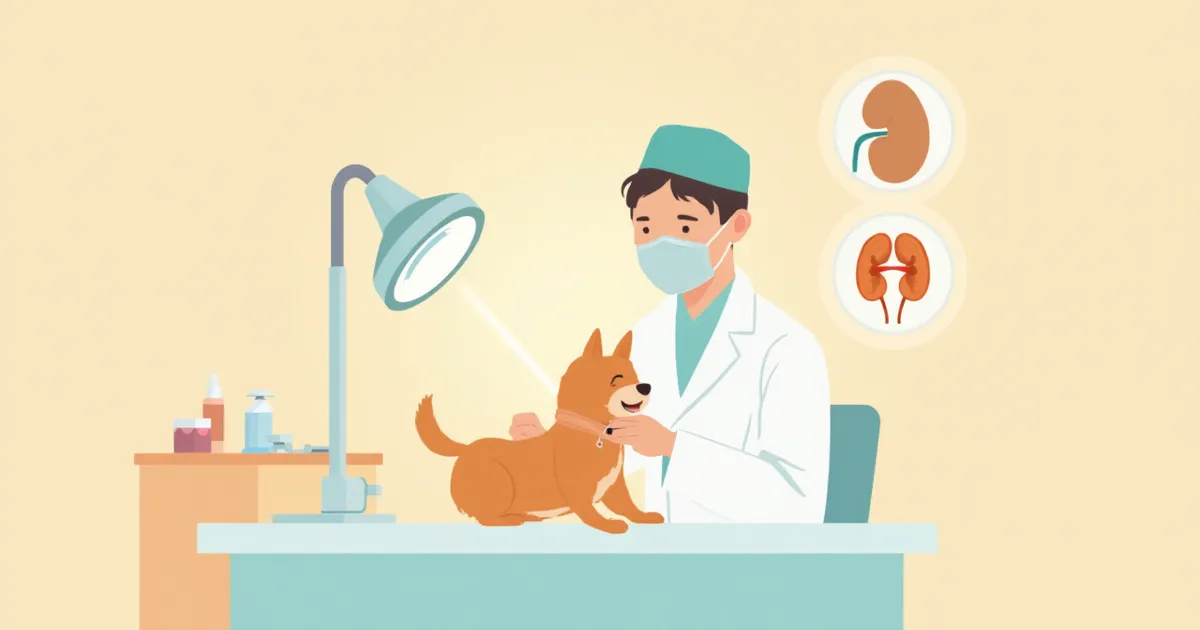
A veterinarian administering an injection to a puppy

How can you manage it at home?

Ectopic ACTH syndrome in dogs is a condition that is difficult to cure completely, so consistent home care is essential. Regular medication administration, routine check-ups, and dietary management are all critical components of treatment. - Medication Management: Never miss a dose or adjust the dosage on your own; administer the medication at the same time every day. - Environmental Management: Provide a quiet, stable environment to minimize stress. - Exercise Management: Due to muscle weakness, avoid strenuous exercise and limit activity to light walks. - Symptom Monitoring: Carefully track changes in appetite, lethargy, and breathing abnormalities, and share these records with your veterinarian. - Owner’s Role: Active participation in regular veterinary visits and medication management is key to successful treatment.
A puppy resting peacefully in a quiet home.

Precautions when administering medication

Drugs like trilostane and mitotane, which suppress adrenal hormones, can cause side effects if cortisol levels drop too low. If you notice lethargy, loss of appetite, weakness, vomiting, or diarrhea, contact your veterinarian immediately. Never stop or change the dosage on your own; always follow your vet’s instructions. Also, be cautious of interactions with other medications, such as ketoconazole, and make sure to inform your vet about all the medications your pet is currently taking.

Reviewed by a veterinarian

Dr. Tony — Punnawat Phongkittirak

Dr. Tony — Punnawat Phongkittirak

Veterinarian

A veterinarian who majored in veterinary medicine at Khon Kaen University, Thailand, and completed the IVSA program at North Carolina State University in the United States. Drawing on clinical experience at animal hospitals, he works in the pet healthcare field and is dedicated to building a digital care environment that connects pet parents with veterinarians.

Frequently Asked Questions

Is ectopic ACTH syndrome in dogs treatable?
While some adrenal tumors can be surgically removed, and symptoms can often be managed with medications that suppress adrenal hormones (such as trilostane or mitotane), a complete cure is generally difficult. Therefore, the primary goals are usually symptom management and improving your pet's quality of life.
Which dog breeds are more commonly affected by this condition?
While there isn't clear evidence that certain breeds are more prone to it, Cushing's disease is generally more common in middle-aged to senior dogs. Age is considered a more significant factor than breed.
Is this condition hereditary?
The exact genetic cause of ectopic ACTH syndrome in pets has not yet been clearly identified. While certain hereditary adrenal diseases have been reported in humans, it is difficult to definitively conclude that the condition is inherited in dogs.
What is the prognosis for this condition?
The prognosis depends on the tumor’s response to treatment and whether it has metastasized. Malignant adrenal tumors (carcinomas) can spread to organs such as the liver, lungs, and kidneys, leading to a poorer prognosis, whereas benign adenomas do not metastasize and generally have a more favorable course.
What are the ways to detect this condition early on?
Baseline hormone levels can vary significantly, so a single blood test is often insufficient for diagnosis. Instead, dynamic tests such as the dexamethasone suppression test or the ACTH stimulation test are used to confirm the condition. For senior dogs, regular health check-ups are helpful in detecting any abnormalities at an early stage.

Ectopic ACTH syndrome vs. pituitary-dependent Cushing’s disease

ItemEctopic ACTH syndromePituitary-dependent Cushing's disease
CauseACTH secretion from a tumor in tissue other than the pituitary (very rare in companion animals)ACTH secretion from a pituitary tumor (usually a microadenoma)
ACTH levelHighHigh
Cortisol levelHighHigh
TreatmentVaries depending on the state of the primary tumor; cortisol is controlled with adrenal hormone-suppressing drugsDrug therapy with trilostane or mitotane, or surgery
Possibility of metastasisVaries depending on the malignancy of the primary tumorLow (usually a benign microadenoma)

Ectopic ACTH syndrome is rarely reported in companion animals, and if the primary tumor is malignant, the prognosis may worsen due to metastasis.

Share

Related Guides

References

[1] Plumb's Veterinary Drug Handbook, 9th Edition, 2022

[2] Small Animal Endocrinology, 3rd Edition, 2021

[3] Textbook of Veterinary Internal Medicine, 8th Edition, 2020

This information is based on veterinary literature and does not replace diagnosis or treatment. Please consult a veterinarian for specific health concerns.

Metapet Co., Ltd. | CEO: Park Sung-yong | Business Reg. No. 417-88-02562 | Seoul, South Korea | Customer Center

Ectopic ACTH Syndrome in Dogs: How It Differs From Cushing's | Meongsiljang