Like
Share
멍실장
강아지 범하수체기능저하증 자주 묻는 질문 Q&A — 보호자가 꼭 알아야 할 핵심

Why isn't my puppy growing? — Causes and diagnostic timing for canine hypopituitarism

EndocrineQ&AMeongsiljang Veterinary Advisory Board

Canine hypopituitarism is a rare condition in which the pituitary gland’s overall function declines, leading to insufficient hormone production. Early diagnosis and management are key.

What is canine hypopituitarism?
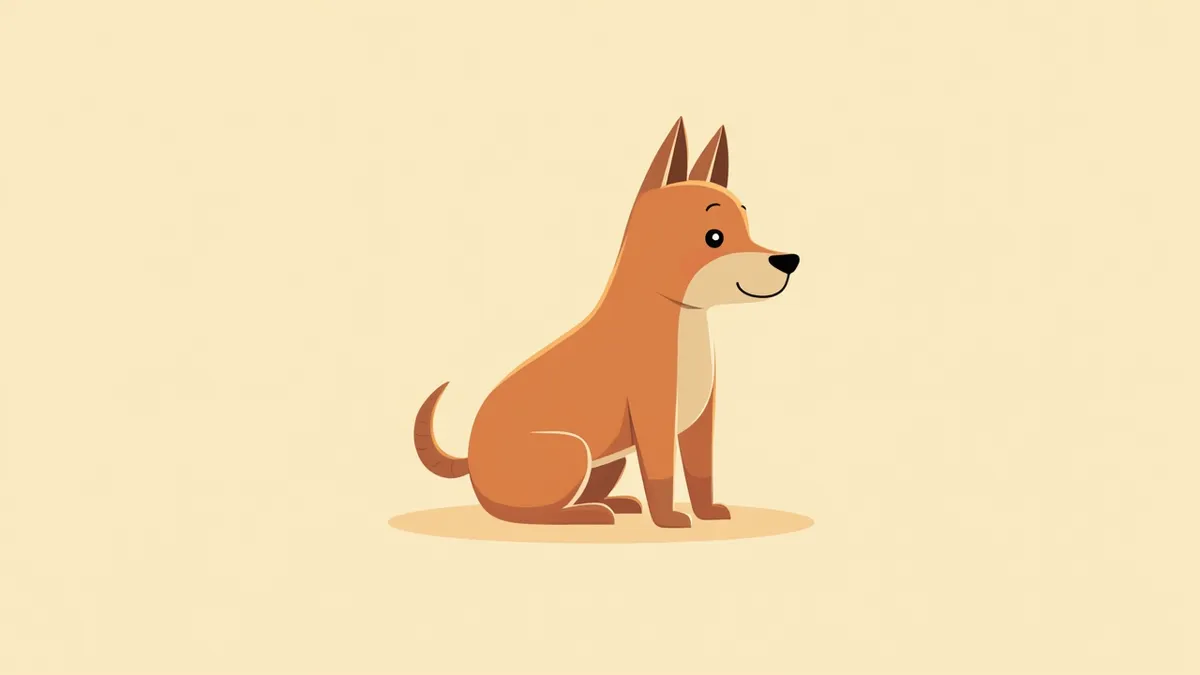
An anatomical illustration showing the location of the pituitary gland in dogs
Pituitary dwarfism in dogs is a rare congenital disorder caused by the underdevelopment of the anterior pituitary gland, leading to a deficiency of multiple hormones. It typically presents not as an isolated growth hormone deficiency, but as a combined deficiency of anterior pituitary hormones, including thyroid-stimulating hormone (TSH) and adrenocorticotropic hormone (ACTH). This results in growth retardation, known as pituitary dwarfism, along with metabolic abnormalities. Growth impairment usually becomes apparent during early development, and early diagnosis combined with consistent management can significantly improve quality of life. Because various symptoms may manifest depending on which hormones are deficient, specialized diagnostic testing is essential. This condition is a chronic disease requiring lifelong management.

What are the main causes of this condition?
The primary cause of pituitary dwarfism in dogs is the underdevelopment of the anterior pituitary gland, which reduces the secretion of anterior pituitary hormones, including growth hormone. This condition is often associated with cystic expansion of Rathke’s pouch. It is mostly caused by congenital and genetic factors, and it has been reported to be inherited as an autosomal recessive trait, particularly in German Shepherds. Cases have also been reported in certain other breeds, such as Spitz and Miniature Pinschers. It is common for multiple anterior pituitary hormones to be deficient simultaneously, rather than just a single hormone. If there is a family history of the condition, careful monitoring is recommended, and pre-breeding screening should be considered.
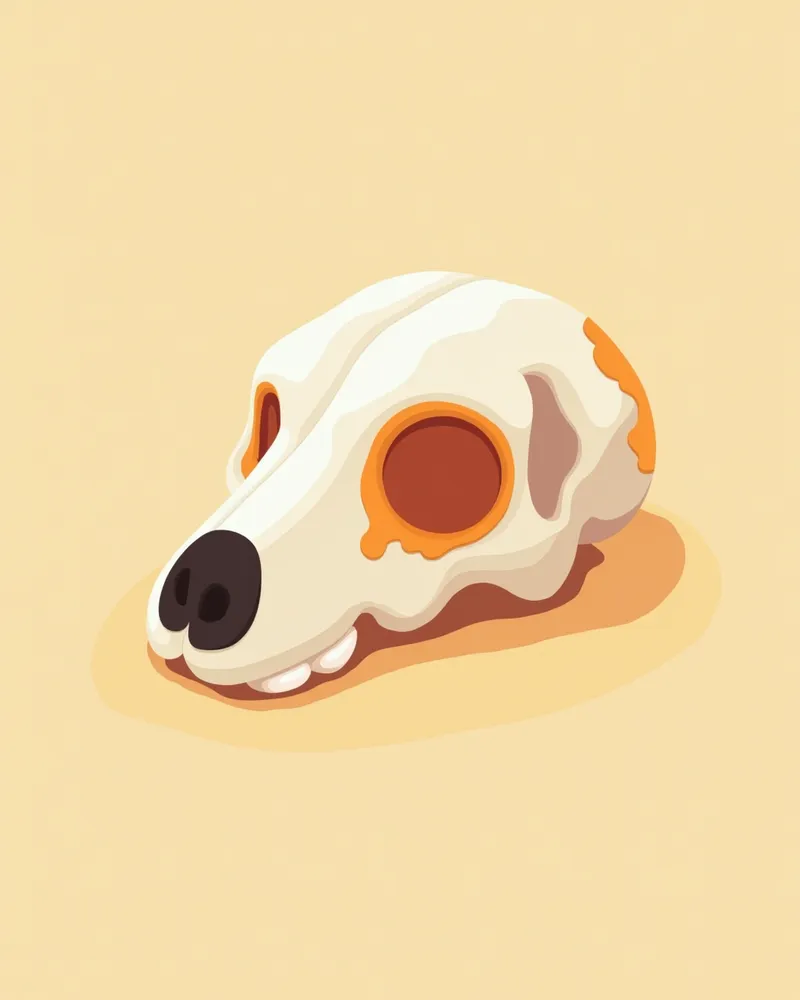
An image showing abnormal pituitary gland development due to a genetic anomaly

What are the main symptoms?

The hallmark signs of pituitary dwarfism in dogs include growth retardation and a small body size, a condition known as pituitary dwarfism. Progressive hair loss, characterized by poor coat growth and gradual shedding, is also commonly observed. Deficiencies in hormones other than growth hormone can lead to lethargy and decreased vitality. Hypoglycemia resulting from growth hormone deficiency may manifest as weakness or seizures. If there is a concurrent deficiency in thyroid-stimulating hormone or ACTH, symptoms associated with those deficiencies may also appear. Because the symptoms are varied and nonspecific, early diagnosis can be challenging, making it crucial to carefully monitor even subtle changes in your dog’s daily life. Regular health check-ups are essential for early detection.
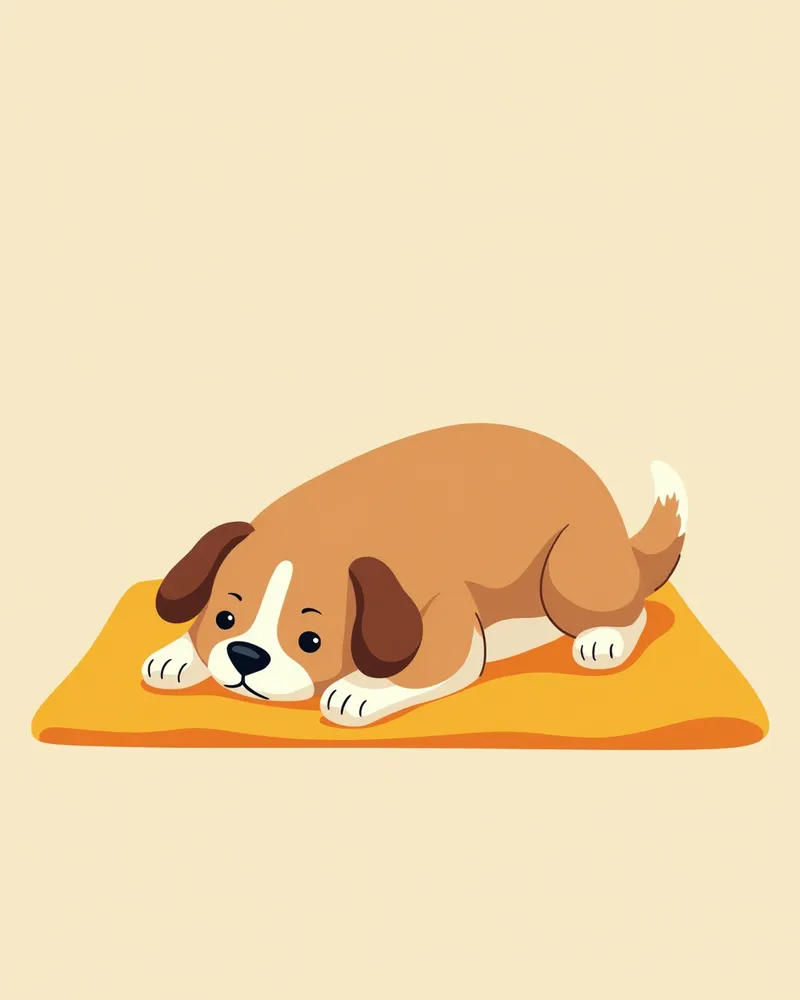
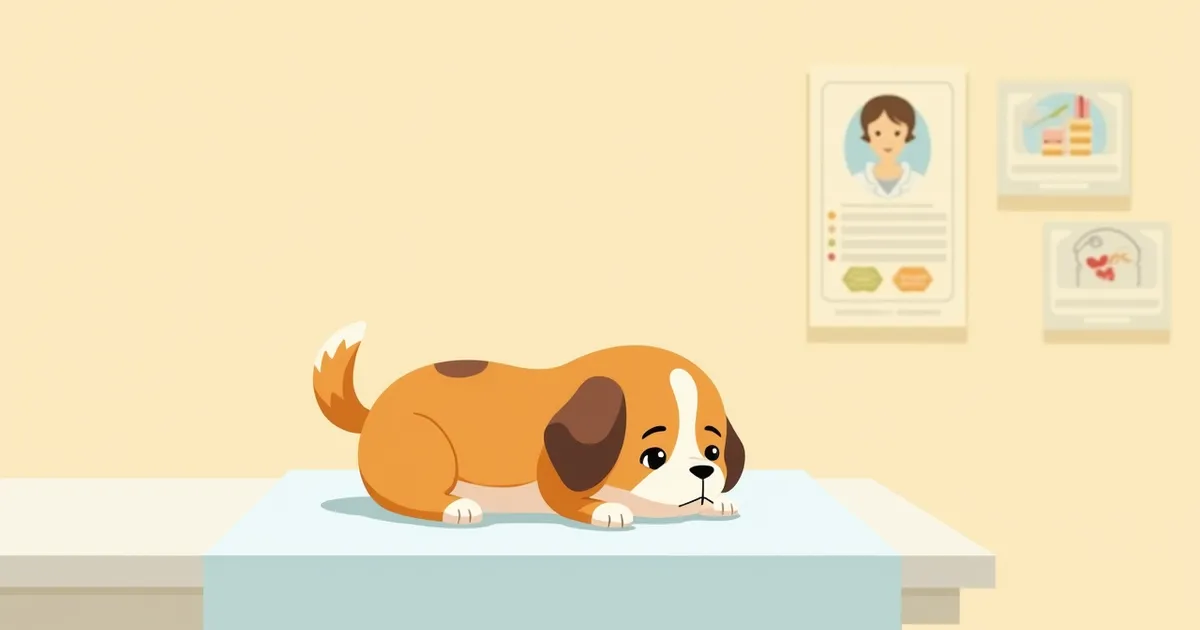
A puppy showing signs of growth delay and weight loss

Signs requiring immediate veterinary visit

If your dog suddenly loses consciousness or has a seizure, take them to the vet immediately. Persistent vomiting, diarrhea, or severe hypothermia (body temperature below 35°C) can be life-threatening. These symptoms may indicate an acute complication caused by hormonal imbalance, so prompt action is essential.

What tests are needed for an accurate diagnosis?
Canine hypopituitarism is diagnosed through blood tests and hormone stimulation tests. Because growth hormone (GH) is secreted in pulses, baseline levels alone are insufficient for assessment; therefore, stimulation tests using growth hormone-releasing hormone or alpha-2 agonists such as clonidine or xylazine are performed. Indirect evaluation may also be conducted by measuring insulin-like growth factor-1 (IGF-1), which has a longer half-life and more stable secretion. We also check for concurrent deficiencies of other anterior pituitary hormones, such as thyroid-stimulating hormone (TSH) and adrenocorticotropic hormone (ACTH). Structural abnormalities of the pituitary gland can be evaluated using CT or MRI. Consulting with an endocrinology specialist is essential for an accurate diagnosis, as early detection significantly impacts management.
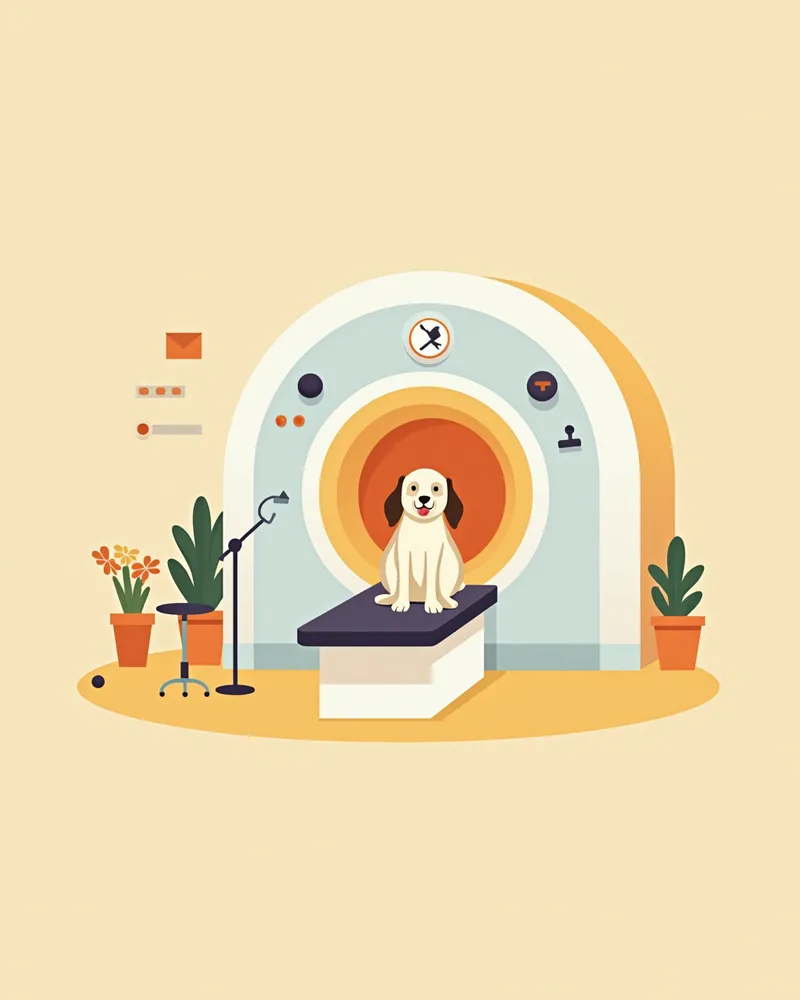
A scene of a puppy undergoing an MRI scan of the brain

What are the treatment methods?

Canine hypopituitarism is managed by supplementing the deficient hormones. Growth hormone administration has long been the standard treatment, but it is expensive and can lead to antibody formation or diabetes. Progestins, which stimulate growth hormone production in the mammary glands, are also used. If secondary hypothyroidism is present, levothyroxine, a thyroid hormone, is administered alongside other treatments. This requires consistent medication management and regular check-ups to adjust dosages. It is important to administer medications consistently as directed by your veterinarian and to closely monitor your dog’s response to the treatment. With proper care, your dog’s quality of life can be maintained.
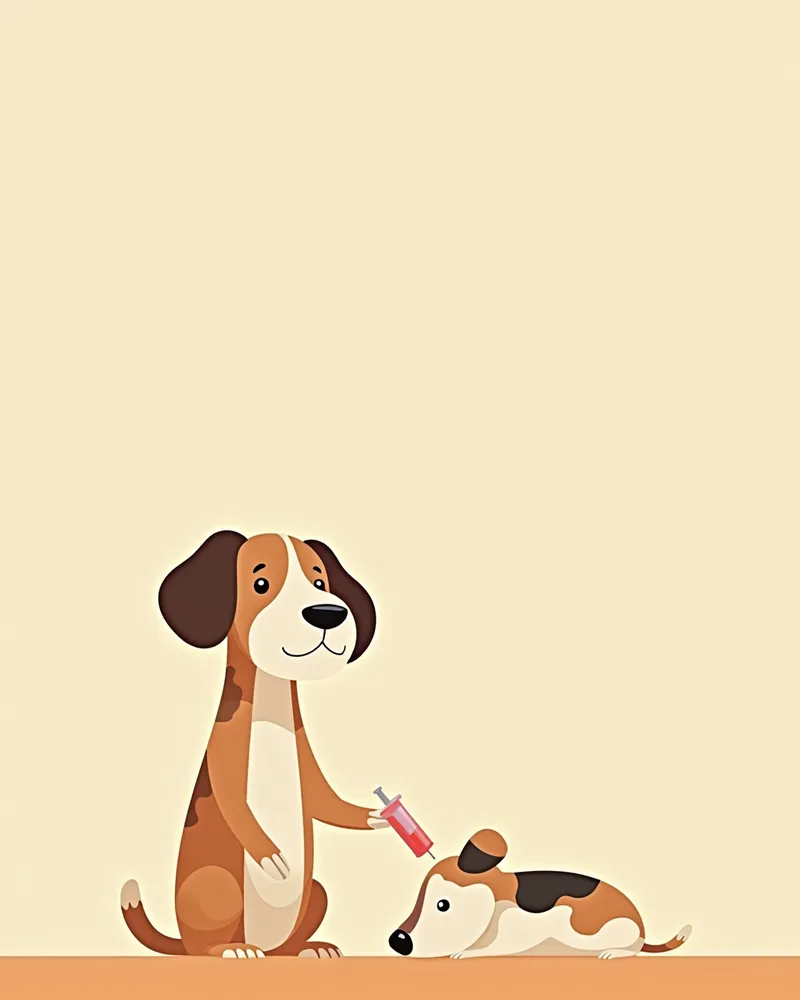
A veterinarian administering a hormone supplement injection to a puppy.

Points to note in daily management

Puppies with hypopituitarism are highly sensitive to stress, so it’s important to maintain a consistent daily routine and avoid sudden changes in their environment. Since they’re also more susceptible to infections, keep up with regular vaccinations and deworming. Use a schedule to ensure you don’t miss any medication doses. Avoid extreme temperature fluctuations and excessive exercise. Feed them a balanced diet in small, frequent meals. Monitor their hormone levels through regular check-ups and consult with your veterinarian, as medication adjustments may be necessary depending on their health status.
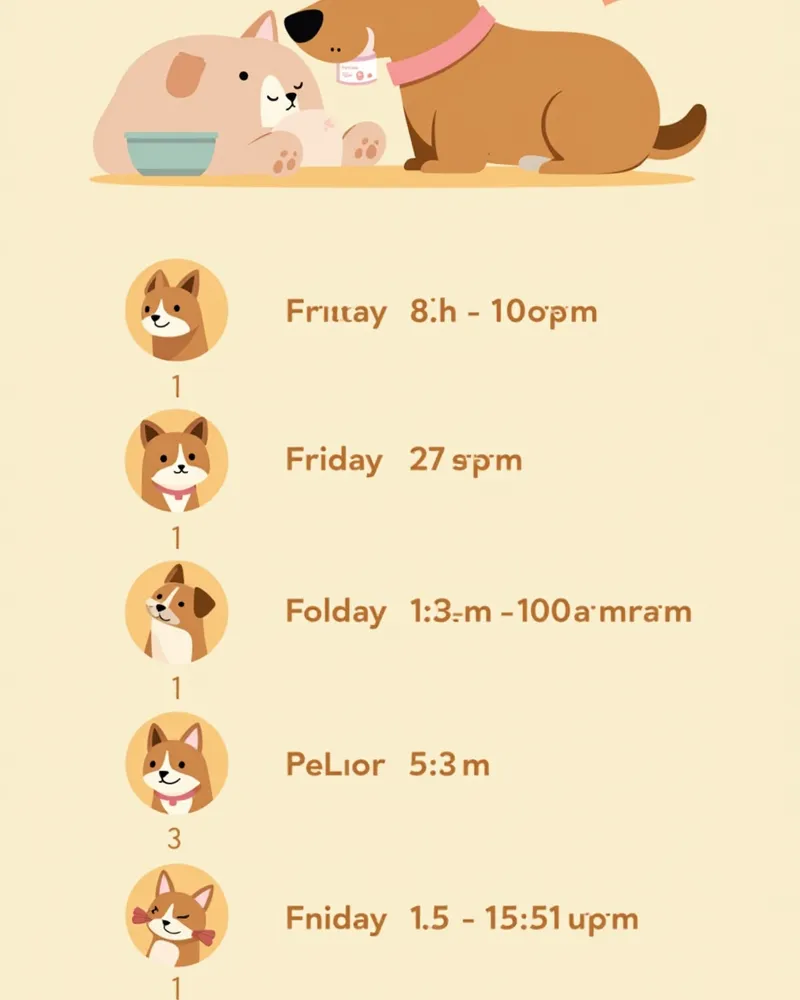
Daily Care Schedule for Your Puppy

Points owners must remember

Stopping medication can lead to acute hormone deficiency, which can be life-threatening. Therefore, it is crucial to never miss a dose and to continue taking the medication consistently. Additionally, regular check-ups are necessary to monitor hormone levels, and adjustments to the medication should be made in consultation with your veterinarian.

Reviewed by a veterinarian

Dr. Tony — Punnawat Phongkittirak

Dr. Tony — Punnawat Phongkittirak

Veterinarian

A veterinarian who majored in veterinary medicine at Khon Kaen University, Thailand, and completed the IVSA program at North Carolina State University in the United States. Drawing on clinical experience at animal hospitals, he works in the pet healthcare field and is dedicated to building a digital care environment that connects pet parents with veterinarians.

Frequently asked questions

Can canine hypopituitarism be treated?
While a complete cure is difficult, quality of life can be maintained through growth hormone supplementation and, when necessary, thyroid hormone supplementation. Lifelong management is required.
Is this condition hereditary?
Yes, it most commonly arises from congenital genetic abnormalities, and in German Shepherds it has been reported to be inherited in an autosomal recessive pattern. We recommend conducting pre-breeding genetic testing.
Which breeds are more commonly affected?
It is most commonly reported in German Shepherds, but has also been seen in Spitz breeds, Miniature Pinschers, and others.
What should I do if my pet experiences side effects while taking medication?
Growth hormone treatment can be expensive and may lead to antibody formation or diabetes. If you notice any adverse signs, do not adjust the medication on your own; instead, consult your veterinarian to properly adjust the dosage.
Does this condition shorten your pet’s lifespan?
With proper treatment and care, your pet can enjoy a lifespan similar to the average for their breed.

Share

Related Guides

References

[1] Giger, U. and Gorman, N.T. (1984). Oncologic emergencies in small animals. Veterinary Clinics of North America: Small Animal Practice, 14(2), 327–345.

[2] DiBartola, S.P., Chew, D.J., and Boyce, J.T. (1983). Clinicopathologic manifestations of progressive renal disease in Lhasa Apso and Shih Tzu dogs. Journal of the American Veterinary Medical Association, 180(6), 658–664.

[3] O'Brien, T.D., Osborne, C.A., Yano, B.L. et al. (1982). Clinicopathologic manifestations of progressive renal disease in Lhasa Apso and Shih Tzu dogs. J Am Vet Med Assoc, 180:658–664.

This information is based on veterinary literature and does not replace diagnosis or treatment. Please consult a veterinarian for specific health concerns.

Metapet Co., Ltd. | CEO: Park Sung-yong | Business Reg. No. 417-88-02562 | Seoul, South Korea | Customer Center

Why Isn't My Puppy Growing? Canine Hypopituitarism Causes | Meongsiljang