Like
Share
멍실장
강아지 내분비계 종합 검진 자주 묻는 질문 Q&A — 보호자가 꼭 알아야 할 핵심

When should you get a comprehensive endocrine system checkup for your dog? — What items are checked?

EndocrineQ&AMeongsiljang Veterinary Advisory Board

A comprehensive endocrine system checkup for dogs is a key test for early detection of hormonal imbalances. Here’s a summary of essential questions and answers that pet owners should know.

What is a comprehensive endocrine system screening for dogs?
A scene of drawing blood from a puppy
A comprehensive endocrine system screening for dogs is a test that evaluates the function of key hormones, including those from the pancreas, thyroid, adrenal cortex, and insulin, through blood work. - Early detection of endocrine disorders: Since symptoms are often subtle in the early stages and easy to miss, regular screenings are essential. - Simultaneous evaluation of multiple hormones: This single test checks several hormone levels at once, allowing for the identification of complex abnormalities. - Focus on high-risk groups: This screening is especially recommended for older dogs or those exhibiting specific symptoms. - The value of early diagnosis: Detecting conditions early leads to more effective treatment and helps prevent complications. - The importance of screening: It has become a core element of preventive care and attentive pet ownership.

Why is this screening important?

Endocrine disorders often show no obvious symptoms in their early stages, making it easy for pet owners to overlook them. - Importance of early detection: Regular check-ups can help identify conditions such as diabetes, hypothyroidism, and Cushing’s disease at an early stage. - Maximizing treatment effectiveness: Early treatment significantly reduces the risk of complications. - Improving quality of life: Proper management helps maintain your dog’s daily comfort and long-term health. - Key to preventive care: Identifying issues before symptoms appear is the most effective approach. - Collaboration with your veterinarian: Test results should be evaluated comprehensively with your vet, and care plans should be tailored to each individual dog.
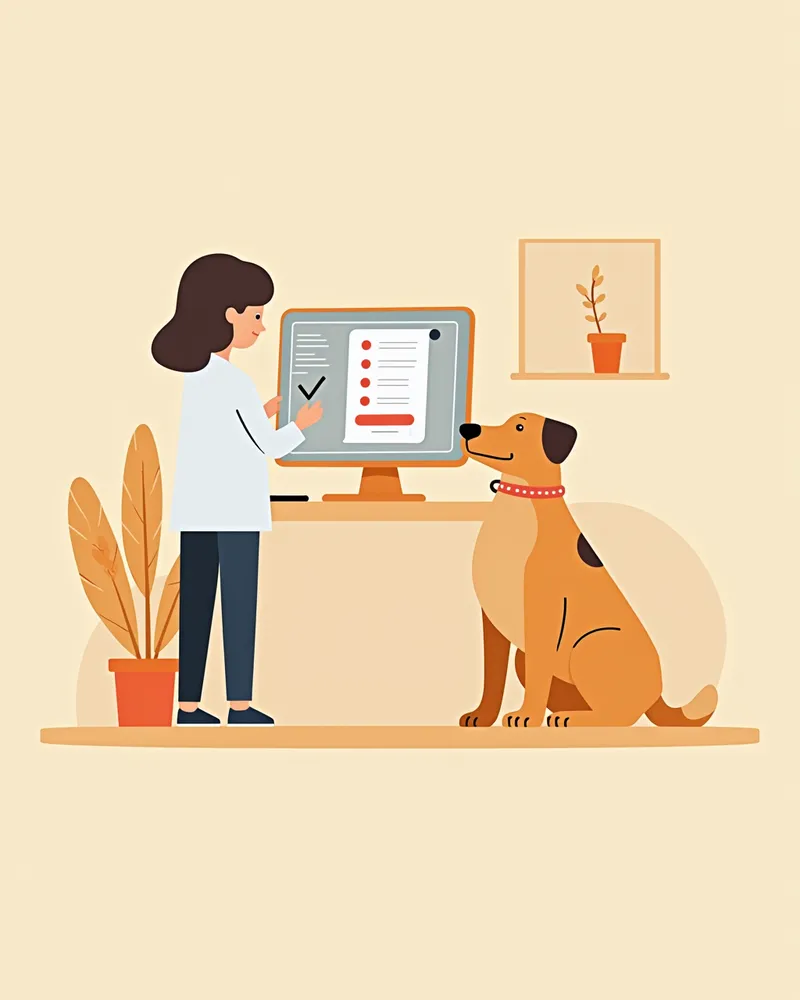
A veterinarian reviewing the examination results.

When should you get a screening if symptoms appear?

A sudden increase in water intake, more frequent and larger urination, rapid weight changes, decreased activity, and lethargy may signal an endocrine disorder. - Excessive thirst and urination: Drinking water frequently and producing larger volumes of urine are common signs of diabetes. - Changes in weight and appetite: In diabetes, pets may lose weight despite having a good appetite. In hypothyroidism, which is common in dogs, weight gain and lethargy can occur even without an increase in food intake. - Coat and skin changes: Symmetrical hair loss, dry skin, or non-itchy alopecia may indicate an endocrine disease. - Decreased activity: Lethargy, difficulty exercising, or loss of interest in play are warning signs to watch for. - Persistent symptoms require a check-up: If these symptoms continue, consult your veterinarian for a thorough examination.
The appearance of a dog showing symptoms

Comparison of key details by endocrine system screening item

ItemKey Assessment FunctionSuspected Disease
Blood GlucoseCheck for diabetes mellitusDiabetes mellitus, hypoglycemia
T4 and TSHAssess thyroid functionHypothyroidism (common in dogs)
ACTH Stimulation TestCheck adrenocortical functionHyperadrenocorticism / hypoadrenocorticism
FructosamineAssess average blood glucose status over a recent periodDiabetes diagnosis and glycemic management

Each test targets a specific hormonal abnormality, and because baseline values fluctuate widely and are hard to interpret in isolation, accurate diagnosis often requires adding dynamic tests such as the ACTH stimulation test for a comprehensive interpretation.

How should you prepare before the screening?

Fasting for 8–12 hours before the checkup is required. - No food: Please withhold food, but water is allowed. - Medication review: If your dog takes morning medications, please inform your veterinarian in advance. - Medication effects: Some medications can affect hormone levels, so it is essential to share this information. - Day-of preparation: If the checkup is scheduled for the morning, please adhere strictly to the fasting period. - Consult your veterinarian: Preparation methods may vary depending on your dog’s condition, so consulting with your veterinarian beforehand is the safest approach.
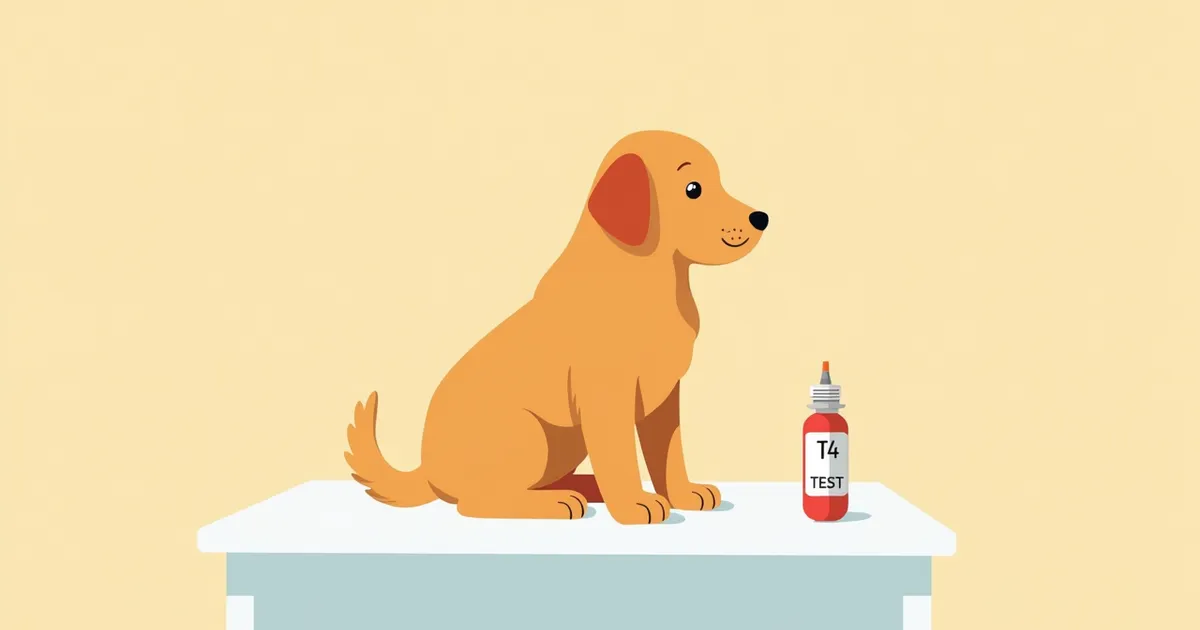
A puppy getting ready for a check-up

Immediate veterinary visit is required if abnormalities are found in the screening results

If blood sugar levels are extremely high or low, severe dehydration, decreased consciousness, or seizures may occur. In such cases, immediate veterinary care is essential for emergency treatment.

How are screening results interpreted?
We don’t judge test results based on a single number. - Comprehensive evaluation is essential: Veterinarians consider not only blood test results but also symptoms, weight changes, medical history, and other factors to make an accurate diagnosis. - Temporary factors may affect results: Stress, diet, medications, and other temporary conditions can influence test values. - Repeat testing may be recommended: Even if some values fall outside the normal range, follow-up tests may be necessary to confirm the findings. - Additional tests if abnormalities are suspected: If unusual findings are detected, further diagnostics such as hormone stimulation tests or imaging studies may be performed. - Professional interpretation is key: Rather than trying to interpret results on your own, it’s safest to discuss them with your veterinarian.
A veterinarian analyzing the results of a health check-up.

Post-screening management points

If the check-up results show any abnormalities, it is essential to follow the treatment plan recommended by your veterinarian. - Adhere to medication instructions: Administer prescribed medications at the correct times and in the exact dosages. - Dietary management is crucial: Special dietary regimens may be necessary, so please follow your veterinarian’s advice. - Regular rechecks are necessary: Periodic testing is required to monitor changes in hormone levels. - Home care records are important: Keeping daily logs of food intake, water consumption, and elimination patterns greatly aids in ongoing management. - Owner engagement is key: Consistent care and attention from you are vital to maintaining your dog’s health.
Puppy Health Record Notebook

Reviewed by a veterinarian

Dr. Tony — Punnawat Phongkittirak

Dr. Tony — Punnawat Phongkittirak

Veterinarian

A veterinarian who majored in veterinary medicine at Khon Kaen University, Thailand, and completed the IVSA program at North Carolina State University in the United States. Drawing on clinical experience at animal hospitals, he works in the pet healthcare field and is dedicated to building a digital care environment that connects pet parents with veterinarians.

Frequently Asked Questions

Should I have my newly adopted puppy undergo a health check-up?
Endocrine disorders are relatively common in dogs, and hypothyroidism can occur anywhere from puppyhood to middle age. However, it’s not something every dog needs to be tested for—instead, it’s best to consult your veterinarian about screening if your dog shows symptoms or has risk factors.
How often should my pet have a checkup?
For healthy adult dogs, checkups are recommended every one to two years, while senior dogs should be seen at least once a year. If you notice any symptoms, please have your dog examined right away.
How much does a health check-up cost?
The cost of a check-up ranges from approximately $40 to $100, depending on the number of items included. Whether it is covered by insurance varies by provider.
Will I receive the results immediately after the checkup?
While some test results can be provided on the same day, more complex analyses may take one to three days. Your veterinarian will explain the results to you.
Does the check-up hurt?
Blood draws cause only a brief moment of discomfort, and most dogs tolerate it well. Our veterinarians perform the procedure gently and with care.

Share

Related Guides

References

[1] Notes on Canine Internal Medicine, 4th Ed. (2023). Chapter 5: Endocrine System Evaluation.

[2] Plumb's Veterinary Drug Handbook, 9th Ed. (2022). Endocrine Testing and Interpretation.

[3] American College of Veterinary Internal Medicine (ACVIM). Guidelines for Endocrine Diagnostics in Dogs (2021).

This information is based on veterinary literature and does not replace diagnosis or treatment. Please consult a veterinarian for specific health concerns.

Metapet Co., Ltd. | CEO: Park Sung-yong | Business Reg. No. 417-88-02562 | Seoul, South Korea | Customer Center

When to Schedule Your Dog's Endocrine Screening: Key Tests Explained | Meongsiljang