Like
Share
멍실장
강아지 신생물 유발 저혈당 자주 묻는 질문 Q&A — 보호자가 꼭 알아야 할 핵심

If Your Puppy Keeps Collapsing — Causes and Warning Signs of Tumor-Induced Hypoglycemia

EndocrineQ&AMeongsiljang Veterinary Advisory Board

Hypoglycemia caused by tumors in puppies is rare but can be life-threatening. Here’s a Q&A summary of the key information every pet owner should know.

What Is Tumor-Induced Hypoglycemia in Puppies?

A dog undergoing a blood test at the clinic
Hypoglycemia caused by canine neoplasms (tumors) occurs when a tumor secretes insulin or insulin-like substances, leading to a drop in blood sugar. Although uncommon, this is a potentially life-threatening complication. Insulinomas, which develop in the pancreas, continue to secrete insulin even during hypoglycemic episodes, while some other tumors produce substances such as insulin-like growth factor 2 (IGF-2) that act on insulin receptors, lowering blood glucose levels. This excess of insulin (or insulin-like factors) causes tissues to continuously consume glucose, further reducing blood sugar. While initial symptoms may be mild, untreated cases can lead to permanent neurological (brain) damage or death. Therefore, immediate diagnosis and treatment are essential.

What Are the Main Causes of This Condition?

The most common cause of tumor-induced hypoglycemia in dogs is an insulinoma, a tumor that secretes insulin. Insulinomas typically arise from the beta cells of the pancreas and continue to release insulin even during hypoglycemic episodes, causing blood sugar levels to drop. Although insulinomas are not uncommonly reported in dogs, they are not considered a frequent type of tumor overall. Tumors outside the pancreas can also be responsible; for instance, smooth muscle tumors (leiomyosarcomas), lymphomas, and hepatocellular carcinomas (liver tumors) may secrete insulin-like factors, such as IGF-2, leading to hypoglycemia. However, insulinoma remains the most well-known cause of tumor-associated hypoglycemia.
An anatomical illustration showing a tumor in the pancreas

What Are the Main Symptoms?

The main symptoms of hypoglycemia caused by tumors in puppies include generalized weakness, collapse, seizures, and changes in consciousness or behavior. These symptoms often occur or worsen after prolonged fasting or due to exercise or excitement. Fatigue, lethargy, confusion, and muscle tremors may also be present. As blood sugar levels drop, additional signs such as restlessness, anxiety, rapid breathing, and vomiting can appear. These symptoms become more pronounced as hypoglycemia worsens, so prompt veterinary care is essential. Repeated or prolonged hypoglycemia can lead to permanent neurological damage.
A dog lying on the floor, feeling dizzy due to low blood sugar.

Criteria for Immediate Veterinary Visit

If your pet is unconscious, experiencing repeated seizures, or unable to recover after collapsing, seek immediate veterinary care. Hypoglycemia can lead to brain damage, so symptoms lasting more than an hour constitute a medical emergency. While administering sugar at home may provide temporary relief, it is only a stopgap measure; a veterinarian must evaluate your pet to ensure proper diagnosis and treatment.

How Is It Diagnosed?

If hypoglycemia is suspected, the first step is to check blood glucose levels through a blood test. - If insulin levels are high or normal during hypoglycemia: Normally, insulin secretion should be suppressed when blood sugar is low. Therefore, if insulin levels are elevated or even within the normal range during hypoglycemia, it is considered an "inappropriate" response, and an insulinoma is suspected. - Insulin-to-glucose ratio (IRI:G ratio) measurement: This is a key indicator to determine whether insulin is being inappropriately over-secreted. Abdominal imaging (such as ultrasound or CT scans) helps identify the tumor’s location and size. A biopsy aids in confirming the diagnosis and determining whether the tumor is malignant. Accurate diagnosis requires interpreting multiple test results together, so conclusions should not be based on a single test alone.
A veterinarian performing an abdominal ultrasound on a puppy

What Are the Treatment Options?

The cornerstone of treatment is tumor removal. In many cases, hypoglycemia improves once the tumor is surgically excised. If metastasis is present or if hypoglycemia recurs after surgery, it is managed with medications: prednisolone suppresses insulin and promotes glycogen breakdown, while diazoxide inhibits insulin secretion. Drugs such as octreotide may also be used. In emergency hypoglycemic crises, blood glucose is maintained through continuous intravenous infusion of glucose (dextrose) or a continuous rate infusion (CRI) of glucagon. Additionally, management involves feeding small, frequent meals rich in protein, fat, and complex carbohydrates to help stabilize blood sugar levels.
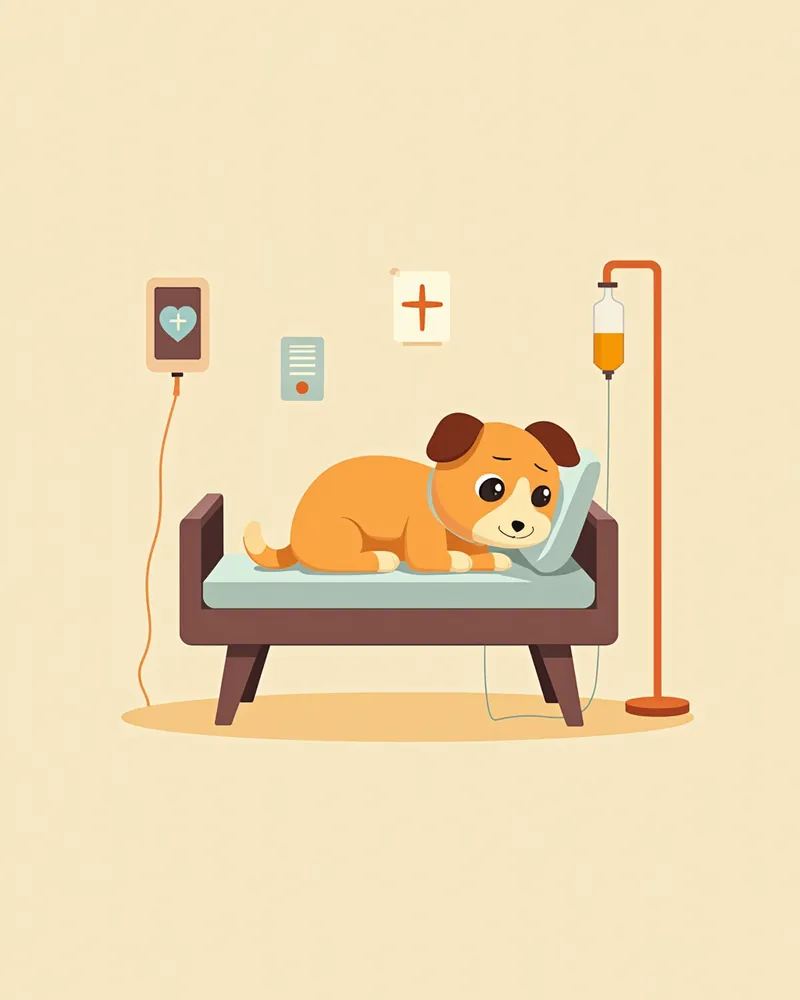
A dog recovering in the hospital while receiving an intravenous injection

Management Points at Home

- Increase meal frequency: Offer small, frequent meals rich in protein, fat, and complex carbohydrates to help stabilize blood sugar levels. - Prepare sugar supplements: Keep simple sugar sources (such as sugar water or honey) on hand at home, and be familiar with the emergency procedure of applying them to the gums. - Record symptoms: Keep a log of when symptoms such as collapse, seizures, or lethargy occur. - Regular check-ups: Continue to have regular blood tests and imaging scans even after surgery. - Emergency contacts: Always keep the emergency contact information for your veterinary clinic and veterinarian readily available.
A guardian recording the symptoms

Points to Note

If your pet shows signs of hypoglycemia, giving sugar is only a temporary measure. A veterinary visit is essential for an accurate diagnosis and proper treatment. Self-diagnosing or administering medication at home can be dangerous. Since it’s difficult to develop a treatment plan without knowing the nature of the tumor, professional diagnosis is crucial.

Reviewed by a veterinarian

Dr. Tony — Punnawat Phongkittirak

Dr. Tony — Punnawat Phongkittirak

Veterinarian

A veterinarian who majored in veterinary medicine at Khon Kaen University, Thailand, and completed the IVSA program at North Carolina State University in the United States. Drawing on clinical experience at animal hospitals, he works in the pet healthcare field and is dedicated to building a digital care environment that connects pet parents with veterinarians.

Frequently Asked Questions

My dog suddenly collapsed. Could it be hypoglycemia?
Yes, sudden collapse is a classic sign of hypoglycemia. It can worsen after prolonged fasting or following exercise or excitement, so immediate veterinary care is essential.
What should I do at home if my pet develops hypoglycemia?
You can apply a small amount of simple sugar (such as sugar water or honey) to the gums or inside the mouth. However, this is only a temporary emergency measure, and it is essential to seek veterinary care for proper treatment, such as intravenous glucose administration.
Can tumor-induced hypoglycemia be treated?
Yes, in many cases, removing the tumor through surgery improves hypoglycemia. However, if there is metastasis or recurrence after surgery, medication may be needed for management.
Which dogs are more commonly affected by this condition?
Insulinomas are not uncommonly reported in dogs and typically arise in the pancreas (beta cells). However, based solely on the textbook evidence provided, it is difficult to definitively conclude that they are more prevalent in specific breeds or age groups.
Can it recur?
Yes, tumors may remain or hypoglycemia may recur even after surgery. Regular check-ups and blood tests are important for early detection.

Share

Related Guides

References

[1] Plumb's Veterinary Drug Handbook, 9th Edition, 2022

[2] Small Animal Critical Care Medicine, 3rd Edition, 2021

[3] Veterinary Internal Medicine: Diagnosis and Treatment, 2nd Edition, 2020

This information is based on veterinary literature and does not replace diagnosis or treatment. Please consult a veterinarian for specific health concerns.

Metapet Co., Ltd. | CEO: Park Sung-yong | Business Reg. No. 417-88-02562 | Seoul, South Korea | Customer Center

If Your Puppy Keeps Collapsing: Tumor-Induced Hypoglycemia Signs | Meongsiljang