
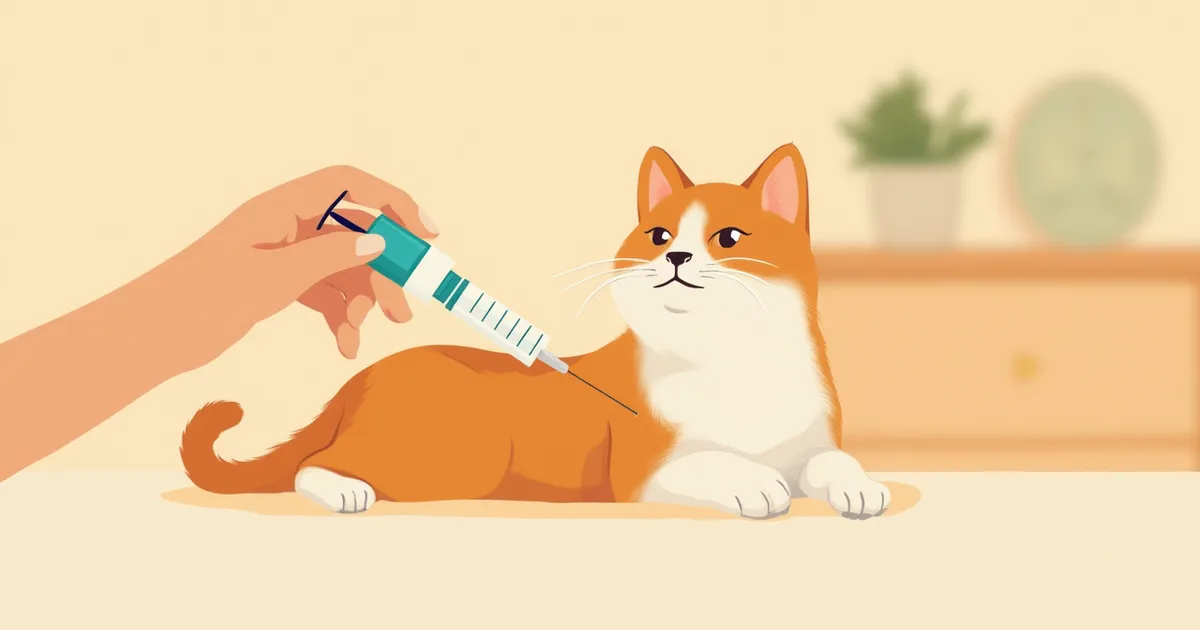
How to Administer Insulin to Cats — Key Precautions to Prevent Hypoglycemia
This is a comprehensive guide to insulin administration for cat owners managing feline diabetes. It covers essential, practical information you can implement at home, including injection techniques, emergency response for hypoglycemia, and proper storage methods.
What Is Insulin Administration in Cats? Key Points Owners Must Know
Feline Diabetes: Why Is Insulin Necessary?
Comparison of Insulin Types Used in Cats
| Item | NPH (Intermediate-acting) | PZI (Protamine Zinc) | Glargine |
|---|---|---|---|
| Onset of action | 0.5–2 hours | 1–4 hours | 2–4 hours |
| Duration in cats | 4–12 hours | 12–24 hours | 12–24 hours |
| Dosing frequency | 1–2 times/day | 1–2 times/day | 1–2 times/day |
| Recommendation level for cats | Limited | ✅ Recommended | ✅ Recommended |
| Characteristics | Relatively easy to obtain | Tailored for cats | Many remission-induction studies |
Based on veterinary pharmacology textbooks — the actual insulin choice is decided by your veterinarian
Pre-Administration Checklist: What to Check Before Giving Insulin
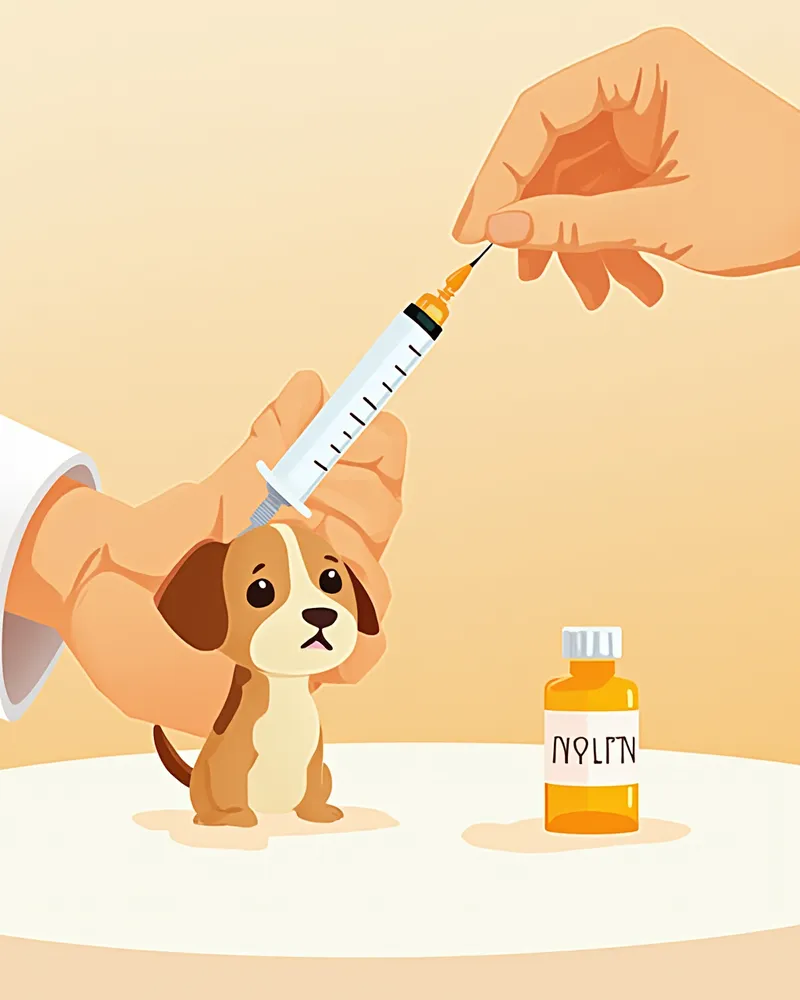
How to Administer Insulin — Follow These Steps
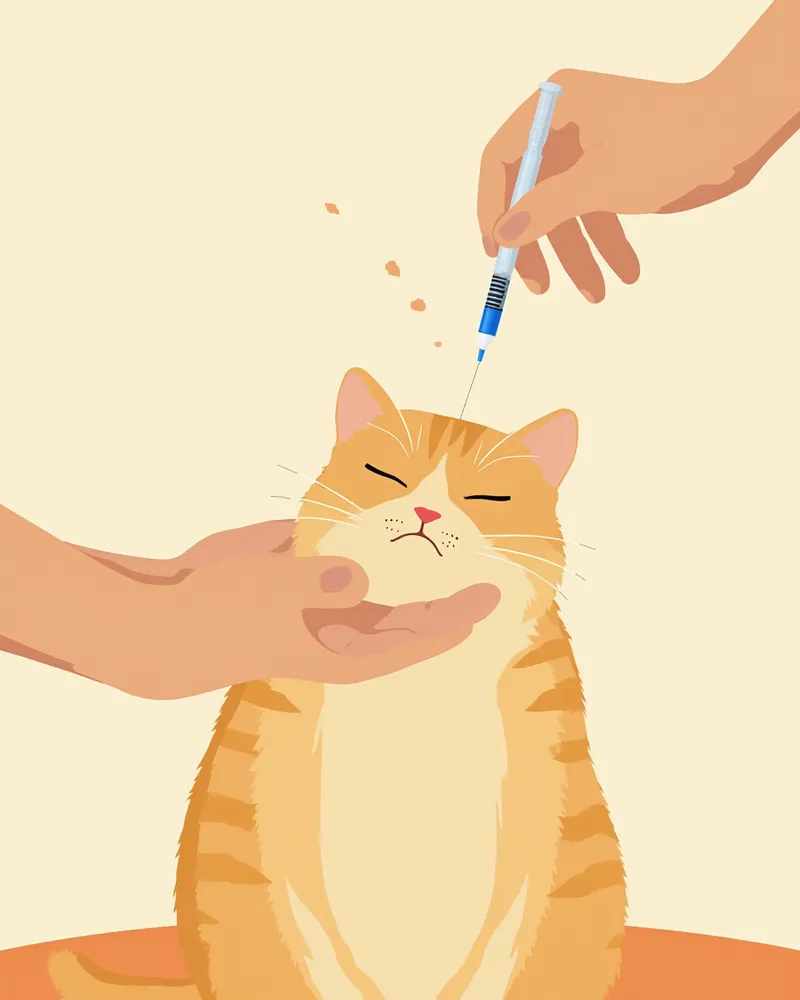
Emergency Signs of Hypoglycemia — Go to an Emergency Veterinary Hospital Immediately If You See These Symptoms
Hypoglycemia can occur if too much insulin is administered or if a meal is skipped. If you notice symptoms such as staggering, generalized weakness, drooling, seizures, or loss of consciousness, immediately apply a small amount of honey or glucose syrup to the gums and rush to an emergency veterinary clinic. Do not attempt to manage this at home on your own.
How to Manage Hypoglycemia and the Somogyi Effect
Proper Storage of Insulin
Store the medication in the refrigerator at 2–8°C before opening. Never freeze it. After opening, most products should be used within 28 days, but this can vary by product, so always confirm with your veterinarian. Exposure to direct sunlight or high temperatures can reduce effectiveness. Discard insulin immediately if you notice discoloration or precipitate.
Blood Glucose Monitoring Methods You Can Do at Home
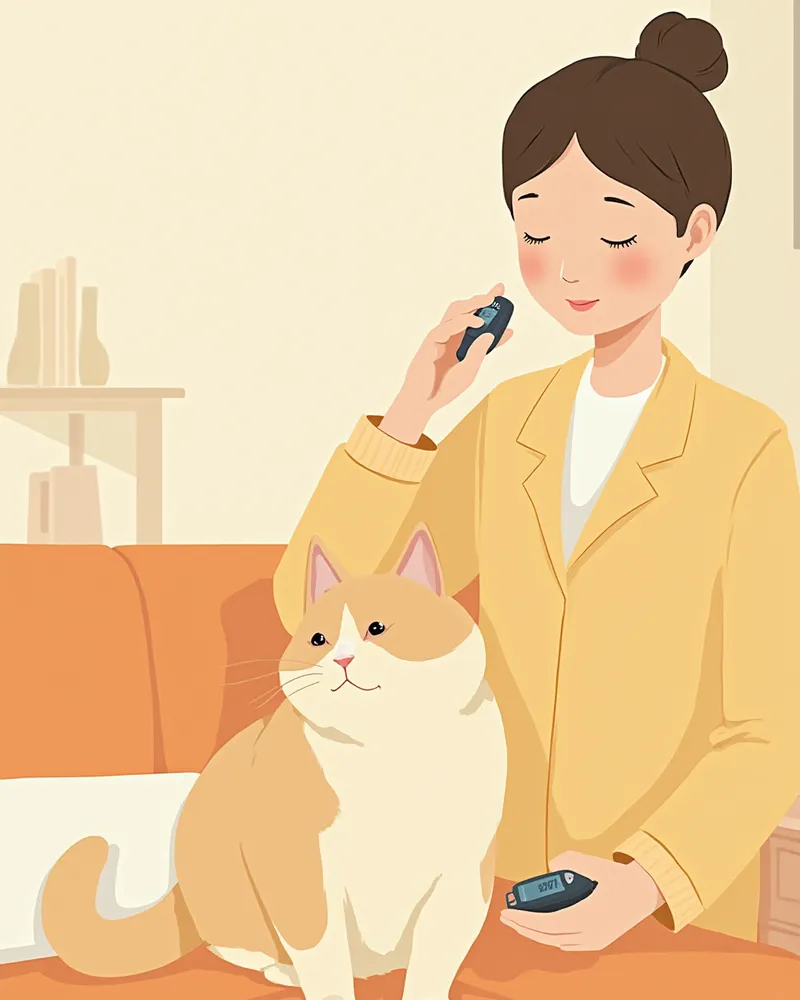
Reviewed by a veterinarian

Dr. Tony — Punnawat Phongkittirak
VeterinarianA veterinarian who majored in veterinary medicine at Khon Kaen University, Thailand, and completed the IVSA program at North Carolina State University in the United States. Drawing on clinical experience at animal hospitals, he works in the pet healthcare field and is dedicated to building a digital care environment that connects pet parents with veterinarians.
Reviewed 2026-05-28
Frequently Asked Questions
What should I do if my cat vomits immediately after receiving an insulin injection?
What should I do if I miss a scheduled dose?
Should I change the injection site each time?
If my pet’s diabetes goes into remission, can I stop giving insulin on my own?
Should I discard insulin if it wasn’t stored in the refrigerator?
Share
Related Guides

Top 5 Prescription Dog Foods for Diabetes Recommended by Veterinarians — Blood Sugar-Stabilizing Food Comparison
7 Key Products for Managing Feline Hypercalcemia Recommended by Veterinarians and Selection Criteria

7 Key Points for Canine Thyroid T4 Testing by Veterinarians — From Timing to Result Interpretation

What if a tumor develops inside a cat’s eye? — What are the early symptoms and diagnostic methods?
Feline Herpes Keratitis FAQ — Key Information Every Pet Owner Should Know

What Is Feline Glaucoma? — From Symptoms to Preventing Blindness: A Must-Read for Pet Owners

What Is Fluorescein Staining for Cats? — A Complete Guide to the Procedure and Result Interpretation

Why Do Tear Stains Form on My Cat? — Causes and When to Visit the Vet Q&A

Feline Entropion (Eyelid Rolling) FAQ — Key Information Pet Owners Must Know

What is corneal perforation in cats? — How to recognize emergency warning signs
References
[1] Plumb DC. Plumb's Veterinary Drug Handbook, 10th Edition. Wiley-Blackwell, 2023.
[2] Egger CM, et al. Small Animal Anesthesia and Pain Management: A Color Handbook, 3rd Edition. CRC Press, 2024.
[3] Little SE. The Cat: Clinical Medicine and Management, 2nd Edition. Elsevier, 2024.