Like
Share
멍실장
강아지 요도 카테터 삽입 관리 자주 묻는 질문 Q&A — 보호자가 꼭 알아야 할 핵심

Frequently Asked Questions About Urethral Catheter Care in Dogs — Key Points Every Pet Owner Must Know

UrinaryQ&AMeongsiljang Veterinary Advisory Board

Proper care after urethral catheter placement in dogs is essential for preventing infection and ensuring a stable recovery. Here are the key points every pet owner should know.

Why Is Urethral Catheter Care Important in Dogs?
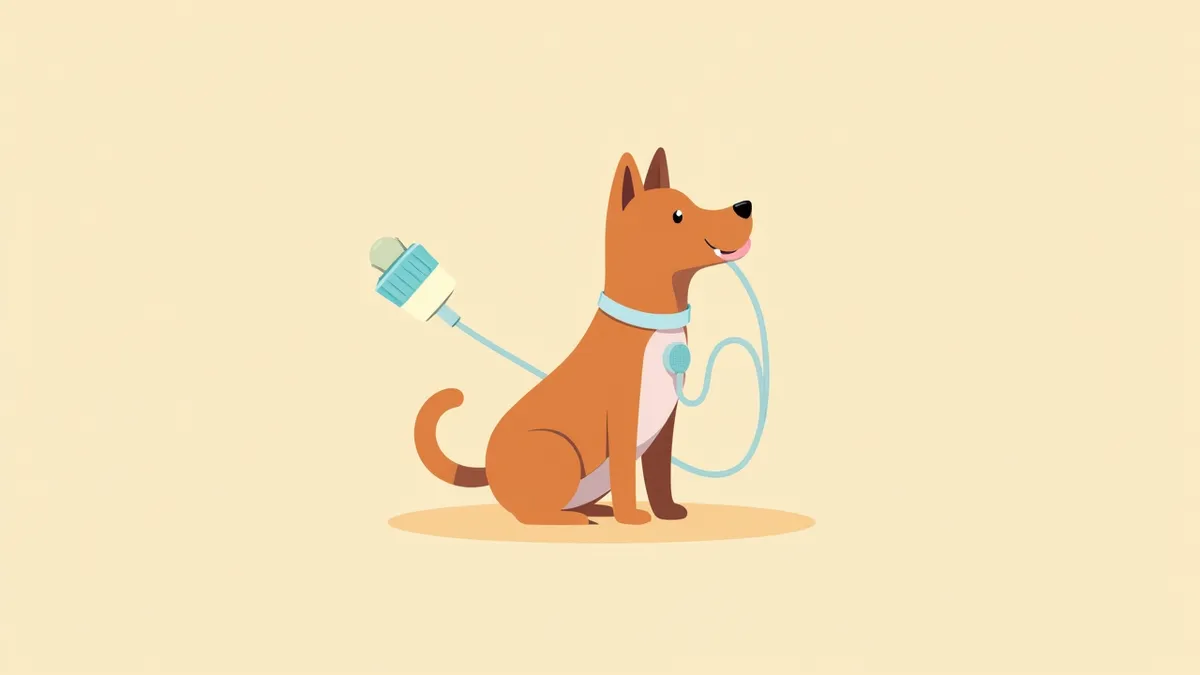
A veterinarian inserting a catheter into a puppy's urethra
Proper care after urethral catheter placement in dogs is crucial for saving lives. - Infection Prevention: Catheters can serve as a pathway for bacteria to travel up to the bladder, making strict hygiene essential. Bacteria can ascend to the bladder through the catheter insertion site or the catheter lumen, so aseptic technique and regular checks are important. - Bladder and Urinary Tract Protection: If urine drainage is not smooth, the bladder can become overly distended. Ensure the catheter remains unobstructed and functions properly. - Recovery Speed: The pet owner’s attentive care significantly influences the speed of recovery. Closely monitor urine flow, pain responses, and any changes in urine color. - Function Maintenance: If the catheter does not function properly, the risk of urinary obstruction increases. Check that the catheter is not clogged, broken, or kinked. - High-Risk Period: After catheter placement, there is a risk of infection, so always follow aseptic techniques during care and strictly adhere to your veterinarian’s instructions. Use a closed urinary drainage system and check it frequently, at least every 8 hours.

What Are the Key Precautions After Catheter Insertion?
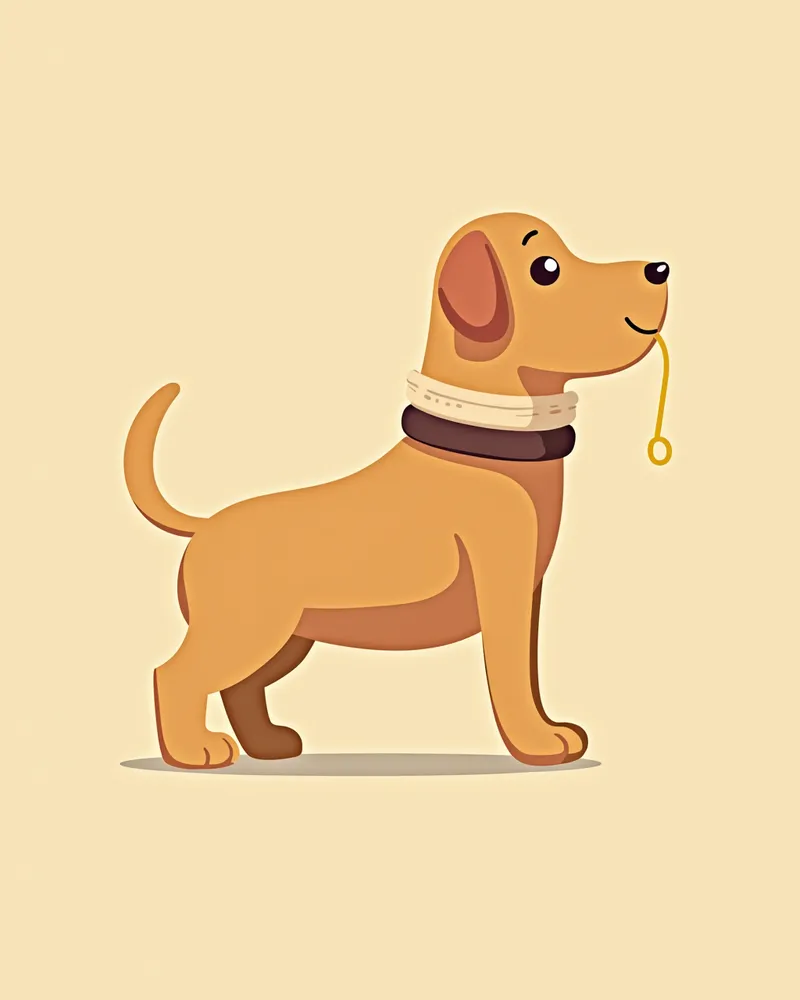
The most critical step after catheter insertion is preventing infection. - Skin care: Clean the area around the catheter, as well as the vulva or prepuce, with an antiseptic solution such as 0.05% chlorhexidine, and keep the area dry. - Secure fixation: Firmly secure the urinary catheter with sutures or tape to prevent it from loosening or kinking. - Urinary collection system management: Use a closed urinary collection system for indwelling catheters, and keep the urine bag positioned lower than the patient to prevent urine backflow. - Monitor urine flow: Check at least every 8 hours to ensure urine is draining properly and that there is no visible contamination in the catheter or collection system. - Observe your dog’s behavior: Immediately prevent your dog from licking or chewing on the catheter. - Follow veterinary instructions and keep records: Strictly adhere to the care instructions provided by your veterinarian, and record daily details such as urine volume, color, and odor. This habit helps in the early detection of any potential issues.
A dog wearing a protective collar to prevent it from licking the catheter.

5 Signs Pet Owners Must Check During Catheter Care
There are several warning signs that pet owners must watch for after catheter insertion.
No urination: If no urine is passed or the volume drops significantly, seek veterinary care immediately, as this may indicate a urinary tract obstruction.
Cloudy urine: Urine that appears cloudy or contains impurities may signal an infection or hematuria. Consult your veterinarian right away.
Fever: A body temperature above the normal range suggests a high likelihood of infection. Monitor your pet’s temperature regularly.
Pain response: If your pet cries during urination or becomes less active, they may be in pain. Check for behavioral changes promptly.
Catheter displacement: If the catheter becomes dislodged or shifts position, contact your veterinarian immediately, as this can delay treatment.
Checking the condition of the dog's urethral catheter and urine collection bag.

Emergency Situations Requiring Immediate Veterinary Visit

If your pet stops urinating altogether, shows severe pain while trying to urinate (crying out or refusing to move), or develops a fever, seek veterinary care immediately. These symptoms may indicate a urinary tract obstruction or a serious infection. Also, contact your veterinarian right away if the catheter becomes dislodged or damaged. Maintaining a sterile environment and responding promptly are crucial.

Step-by-Step Procedures for Catheter Care
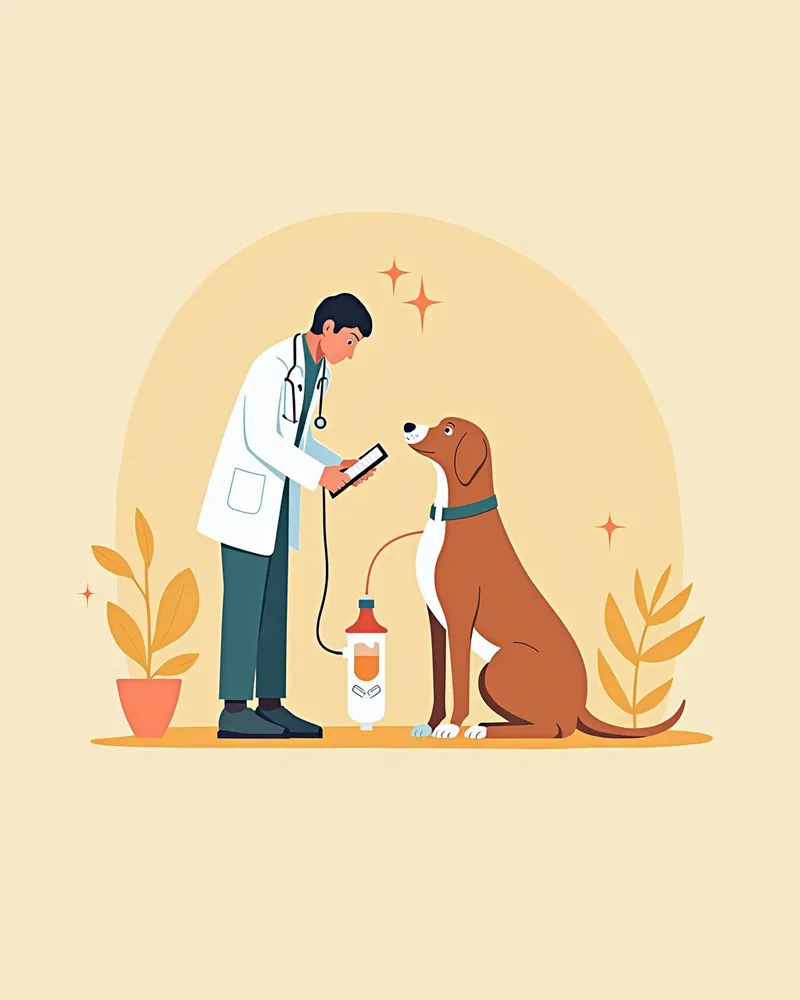
Catheter care is carried out in stages. First, within 24 hours of insertion, we check the condition of painful urination and ensure urine flow is smooth. Second, we regularly disinfect and clean the skin around the catheter and secure it to prevent dislodgement. Third, starting on the second day, we regularly record urine color, volume, and turbidity while monitoring for signs of pain. Fourth, before removing the catheter, the veterinarian assesses whether urine flow is stable. Regular monitoring is essential.
A veterinarian records the catheter and urine output of a puppy.

Comparison of Catheter Care Methods: Intensive Care vs. Veterinary Care

ItemHome careHospital care
Infection riskHighLow
CostInexpensiveHigh
Possibility of veterinary observationLimitedContinuous
Emergency response speedSlowFast

Hospital care allows infection prevention and rapid response but is costly. Home care has low cost but places great responsibility on the guardian.

5 Tips for Intensive Care After Catheter Insertion
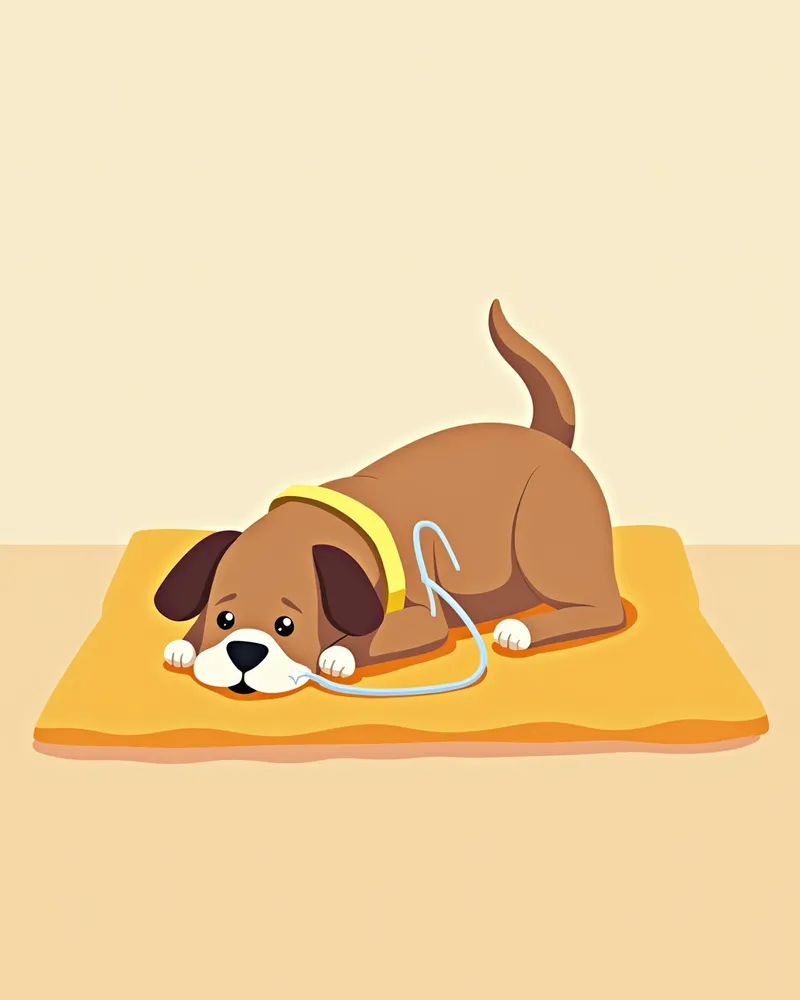
After catheter insertion, close monitoring is largely the owner’s responsibility.
Urine monitoring: Regularly record the volume, color, cloudiness, and odor of the urine. It is recommended to check this at least once or twice daily.
Skin care: Regularly clean and disinfect the skin around the catheter. If you notice any redness or swelling, consult your veterinarian immediately.
Securing the catheter: Use a fixation band to prevent the urinary tube from disconnecting. Ensure that tapes or securing devices remain firmly in place and do not slip or loosen.
Wearing an Elizabethan collar: Prevent your pet from licking or chewing on the catheter. This helps reduce the risk of damage and infection.
Regular communication with your veterinarian: Consult your vet immediately if you notice any changes in symptoms. Always follow your veterinarian’s instructions.
A puppy resting comfortably while wearing a catheter and a protective collar.

Caution: Actions to Avoid After Catheter Insertion

After catheter insertion, allow your dog to rest and avoid running or playing in water, as these activities can cause the catheter to become dislodged or damaged. Additionally, keeping the area around the catheter free from water and detergents is crucial to reduce the risk of infection. It is important not to take your dog outside or engage in play while the catheter is in place. Do not remove the catheter without veterinary guidance. Regularly check the skin around the catheter for any signs of irritation or infection, and ensure it is properly secured and maintained under sterile conditions.

Reviewed by a veterinarian

Dr. Tony — Punnawat Phongkittirak

Dr. Tony — Punnawat Phongkittirak

Veterinarian

A veterinarian who majored in veterinary medicine at Khon Kaen University, Thailand, and completed the IVSA program at North Carolina State University in the United States. Drawing on clinical experience at animal hospitals, he works in the pet healthcare field and is dedicated to building a digital care environment that connects pet parents with veterinarians.

Frequently Asked Questions

How long can a catheter remain in place after insertion?
The duration of catheterization varies depending on the puppy’s condition and treatment goals, and is determined by the veterinarian after assessing the patient. Since prolonged catheter use increases the risk of infection, it is essential to use a closed urinary drainage system and perform regular checks.
Can pet owners remove the catheter themselves?
Absolutely not. Catheter removal should only be performed by a veterinarian who is trained in proper aseptic technique. Pulling it out on your own can cause damage to the urinary tract or lead to bleeding. Regular care and check-ups are essential.
How long does the pain last after catheter insertion?
The degree and duration of pain vary from dog to dog. If the pain persists or worsens, you should inform your veterinarian. It’s important to carefully observe your dog’s pain responses.
What should I do if my pet isn’t urinating?
If your pet is not urinating at all, you should take them to the vet immediately. This could be a sign of a urinary blockage, which requires urgent examination and treatment.
What should I do if the skin around the catheter becomes red?
If the skin appears red or swollen, there’s a high chance of infection. Consult your veterinarian immediately and clean the area around the catheter with an antiseptic solution like 0.05% chlorhexidine. Regular skin checks are essential.

Share

Related Guides

References

[1] Small Animal Critical Care Medicine, 3rd Ed. Elsevier, 2023.

[2] Advanced Monitoring for Small Animal Emergency and Critical Care, 2nd Ed. Wiley-Blackwell, 2021.

[3] Plumb's Veterinary Drug Handbook, 9th Ed. Wiley-Blackwell, 2022.

This information is based on veterinary literature and does not replace diagnosis or treatment. Please consult a veterinarian for specific health concerns.

Metapet Co., Ltd. | CEO: Park Sung-yong | Business Reg. No. 417-88-02562 | Seoul, South Korea | Customer Center

Dog Urethral Catheter Care: 5 Essential Questions for Pet Owners | Meongsiljang