Like
Share
멍실장
강아지 모낭충증(데모덱스) 자주 묻는 질문 Q&A — 보호자가 꼭 알아야 할 핵심

Canine Demodicosis (Demodex) FAQ — Key Information Every Owner Should Know

Infection/ParasitesQ&AMeongsiljang Veterinary Advisory Board

Canine demodicosis is a parasitic skin condition caused by Demodex mites living in the hair follicles. Early detection and appropriate treatment are essential.

What is Canine Demodicosis (Demodex)?

A dog showing hair loss on its face and legs due to demodicosis (caused by Demodex mites).
Canine demodicosis is a parasitic skin disease caused by Demodex mites living in the hair follicles. These mites are naturally present on most dogs’ skin, but they can overmultiply and cause skin inflammation when the immune system is compromised. The condition is more common in breeds with genetic predispositions, especially those with chronic illnesses or those taking immunomodulatory medications. In the early stages, symptoms may be mild, such as slight hair loss or itching, so regular observation by pet owners is important. If you suspect demodicosis, it’s essential to have your dog diagnosed accurately at a veterinary clinic. Early detection and proper treatment play a crucial role in preventing recurrence and promoting recovery.

What are the main causes of demodicosis?
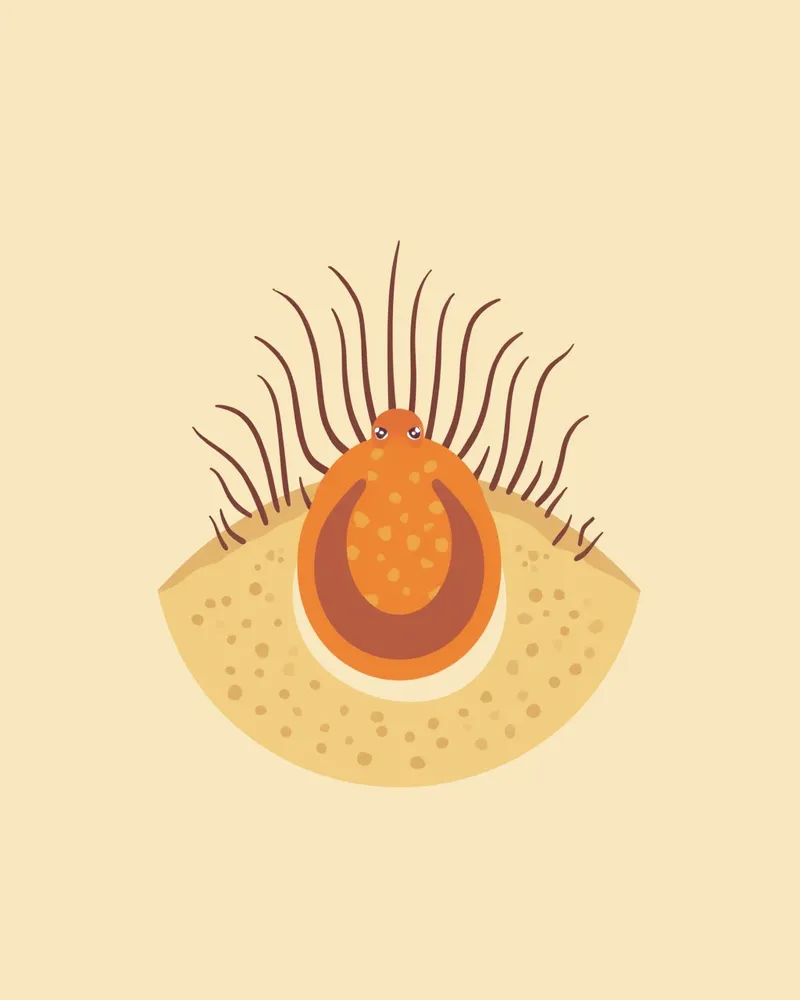
The primary cause of demodicosis is a dysfunction in the immune system’s ability to regulate Demodex mites. While a small number of these mites naturally inhabit the skin of healthy dogs, they can overpopulate and cause inflammation in the hair follicles if the immune system is compromised. Certain breeds have been reported to have a genetic susceptibility to Demodex mites, so extra caution is advised. Additionally, demodicosis can develop secondarily in dogs with underlying health conditions or those on long-term medications such as immunomodulators or chemotherapy drugs. In such cases, the condition may resolve on its own once the underlying disease is treated or the triggering medication is discontinued. Therefore, it is important to regularly monitor your dog’s overall health and seek early veterinary evaluation if you notice any suspicious symptoms.
A close-up view of Demodex mites residing within a dog’s hair follicles

What are the main symptoms of demodicosis?

The main symptoms of demodicosis include localized hair loss and thinning on the face, front legs, and paws. The skin may become red, with inflammation of the hair follicles, and sometimes pigmentation changes occur. In some cases, the lesions gradually spread, leading to generalized demodicosis, where crusts, pus, or pustules may form on the skin. Particularly in generalized cases, widespread hair loss, severe inflammation, and secondary bacterial infections are common, with itching primarily caused by these secondary infections. Early symptoms can be mild and easily overlooked, so regular observation by pet owners is important. If your pet experiences recurring skin issues or hair loss, demodicosis should be considered. Early detection greatly aids recovery.
A dog showing hair loss and a rash on its face and legs.

How is demodicosis diagnosed?

Demodicosis is diagnosed through a skin scraping test. A sample obtained by gently scraping the skin is examined under a microscope to identify demodex mites. In cases where lesions are severe or widespread, a biopsy may be necessary. Accurate diagnosis is essential to distinguish demodicosis from other skin conditions with similar symptoms. A veterinarian’s professional assessment is crucial, as misdiagnosis can delay treatment. Visiting a veterinary clinic is absolutely necessary for an accurate diagnosis.
A veterinarian performing a skin scraping test on a puppy

Comparison of Stage-Specific Symptoms and Management for Demodicosis

ItemMain SymptomsTreatment ApproachNeed for Clinic Visit
Mild (Localized)Localized hair loss on the face, forelegs, or paws, mild rashIn most cases, observe the progression without specific treatment, and begin treatment if it progresses to the generalized formNot essential, but monitoring for progression is needed
Moderate (Diffuse)Hair loss in two or more areas, skin peeling, folliculitisAdminister antiparasitics such as the isoxazoline class, monitor with regular skin examinationsRecommended
Severe (Generalized)Generalized hair loss, severe inflammation, possibility of secondary bacterial infectionIsoxazoline-class antiparasitics, antibiotics for secondary infection, correction of underlying diseaseImmediately necessary

Early treatment is important for demodicosis. If symptoms worsen, the treatment period becomes longer.

How is demodicosis treated?

Demodicosis is treated with antiparasitic medications that eliminate the mites. Recently, isoxazoline-class drugs such as fluralaner, sarolaner, afoxolaner, and lotilaner have been recognized as the most effective treatment options. In addition, oral ivermectin and milbemycin, as well as topical moxidectin, are known to be effective treatments. A crucial aspect of treatment is confirming not only "clinical cure," where external symptoms disappear, but also "parasitological cure," where no mites are detected in skin scrapings or hair pluck tests. This is because mites can remain even after the skin appears to have improved, leading to potential relapse. Therefore, regular skin examinations are necessary during treatment to monitor progress, and stopping treatment prematurely increases the risk of relapse, so it is essential to follow your veterinarian's instructions carefully.
Applying a topical medication to a puppy

Signs Requiring Immediate Veterinary Visit

If your pet experiences widespread hair loss, severe itching, pus formation, or a foul odor from the skin, immediate veterinary care is necessary. These symptoms may indicate a secondary bacterial infection. Delaying treatment can prolong recovery and make it more difficult to manage.

Prevention and Daily Care Tips for Demodicosis

Demodicosis is closely linked to immune status, so maintaining overall health and managing any underlying conditions are key aspects of daily care. If your pet is taking medications that affect the immune system, such as immunomodulators or chemotherapy drugs, consult your veterinarian to monitor their progress together. Regular skin checks can help you spot early signs, such as localized hair loss, quickly. We especially recommend routine health screenings for breeds known to be genetically predisposed to this condition. When visiting the clinic, work with your veterinarian to create a management plan tailored to your pet’s specific needs. Above all, recognizing warning signs early is the most helpful step toward recovery.
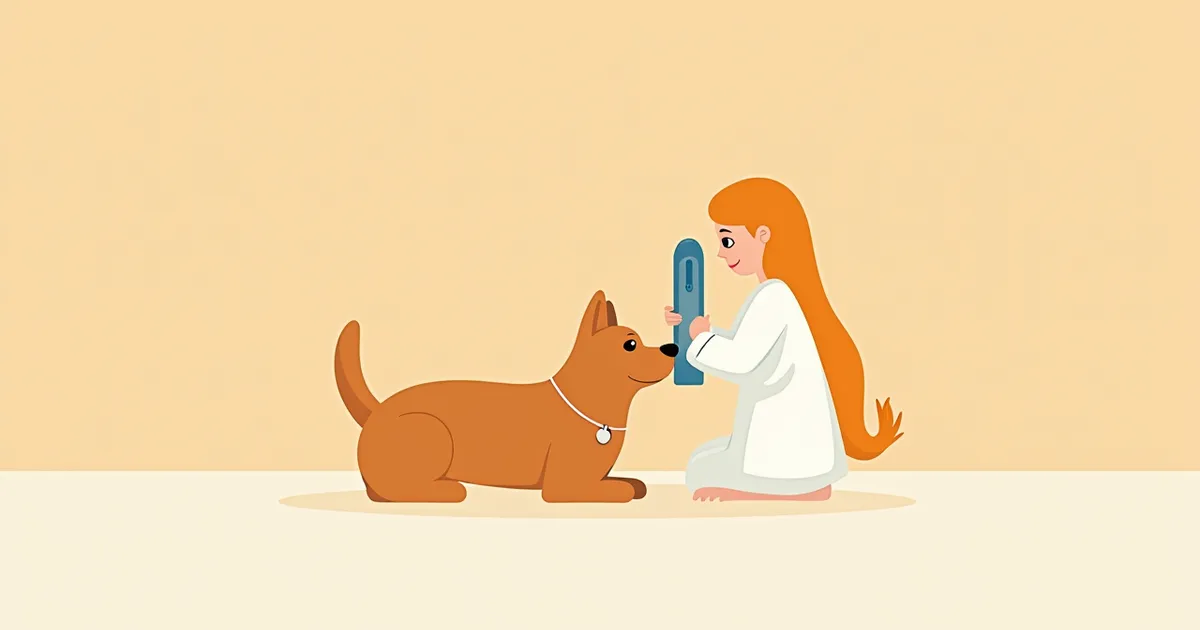
A veterinarian gently brushes the puppy’s fur while carefully examining its skin.

Reviewed by a veterinarian

Dr. Tony — Punnawat Phongkittirak

Dr. Tony — Punnawat Phongkittirak

Veterinarian

A veterinarian who majored in veterinary medicine at Khon Kaen University, Thailand, and completed the IVSA program at North Carolina State University in the United States. Drawing on clinical experience at animal hospitals, he works in the pet healthcare field and is dedicated to building a digital care environment that connects pet parents with veterinarians.

Frequently Asked Questions

Can demodicosis be transmitted to humans?
No. Demodex canis, the mite that causes demodicosis in dogs, is species-specific and does not transmit to humans. Additionally, these mites are typically passed from the mother to her puppies shortly after birth, and they generally do not spread between healthy adult dogs, so isolation is unnecessary.
How long does it take to treat demodicosis?
The duration of treatment varies depending on the severity of the lesions. Even after clinical signs have resolved, treatment and monitoring must continue until parasitological cure is confirmed—meaning no more Demodex mites are detected in skin scrapings. In particular, generalized demodicosis that develops in adult dogs may require a prolonged course of treatment.
Is there a genetic component to demodicosis?
Yes, certain breeds have been reported to have a genetic susceptibility to Demodex mites, making them more prone to demodicosis when their immune system is compromised. For instance, cases of demodicosis have been documented in breeds such as Pugs and Bulldogs. Reviewing the breed’s health history at the time of adoption can be helpful.
Can my pet take other medications while being treated for demodicosis?
In general, it’s best not to give your pet any other medications without first consulting your veterinarian. This is especially important with immune-modulating drugs or steroids, which can suppress the immune system and potentially affect the course of demodicosis, so extra caution is needed when combining these treatments.
Can demodicosis recur?
Yes, it can recur if your pet’s immune system weakens or if an underlying condition flares up. Even if the skin looks healed, demodex mites may still be present, so regular check-ups and consistent health care are essential. If a recurrence does occur, prompt treatment at the first sign of symptoms is crucial.

Share

Related Guides

References

[1] Clinical Medicine of the Dog and Cat, 4th Ed. (2023). Chapter 18: Dermatological Disorders.

[2] BSAVA Manual of Canine and Feline Dermatology, 4th Ed. (2021). Section on Demodicosis.

[3] Kumari P, Nigam R, Singh A et al. (2017). Demodex canis regulates cholinergic system mediated immunosuppressive pathways in canine demodicosis. Parasitology, 144(11), 1412–1416.

This information is based on veterinary literature and does not replace diagnosis or treatment. Please consult a veterinarian for specific health concerns.

Metapet Co., Ltd. | CEO: Park Sung-yong | Business Reg. No. 417-88-02562 | Seoul, South Korea | Customer Center

Dog Demodex Mites (Demodicosis): Essential Q&A for Pet Owners | Meongsiljang