Like
Share
멍실장
강아지 개 귀진드기 자주 묻는 질문 Q&A — 보호자가 꼭 알아야 할 핵심

Dog Ear Mites FAQ — Key Information Every Owner Should Know

Infection/ParasitesQ&AMeongsiljang Veterinary Advisory Board

Ear mites in dogs can cause itching and flaky skin in the ears. Early detection and proper treatment are essential.

Ear mites in dogs are a parasitic problem that places a significant burden on both owners and dogs.

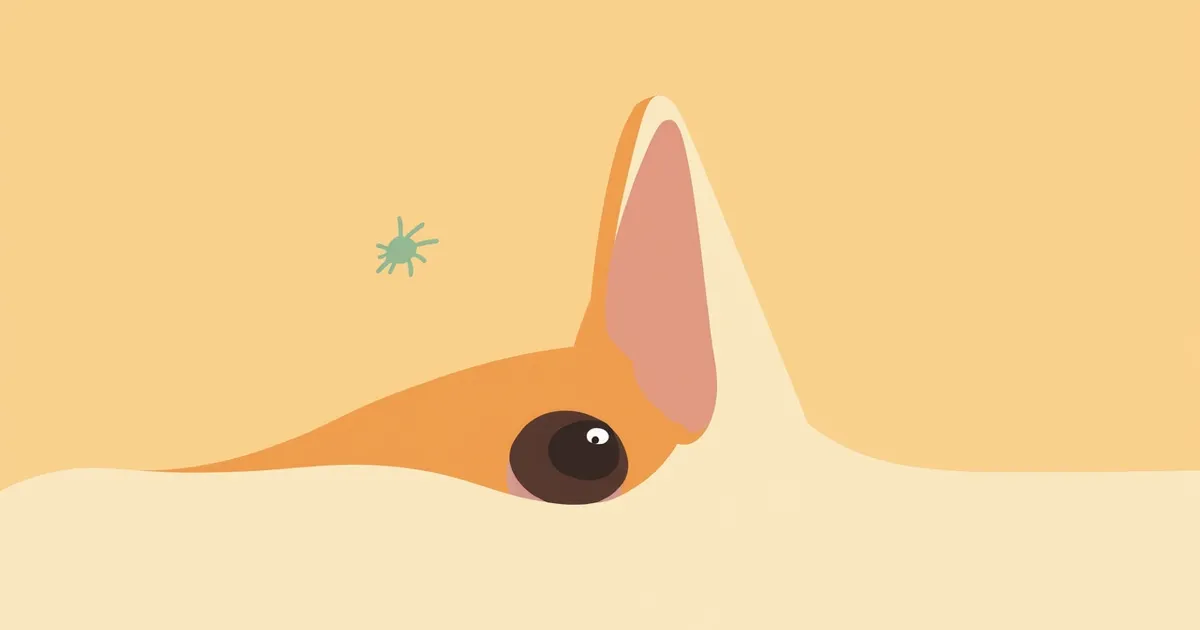
A puppy scratching its ear
Ear mites are parasites that infest the inner ear canal (both the vertical and horizontal portions) and cause symptoms such as persistent itching, head shaking, and foul-smelling, dark brown, earwax-like discharge. Puppies are especially susceptible, while older dogs tend to be less affected as they develop immunity. These mites are typically transmitted between dogs, though rare cases of transmission to humans have been reported. In humans, infestation can cause skin symptoms such as itching. Early detection and complete treatment are essential. A veterinarian should establish a treatment plan based on an accurate diagnosis. - Ear mites: They survive by feeding on cellular debris and tissue fluids inside the ear, and they lay eggs and reproduce within the ear canal. - Transmission routes: Direct contact with an infected dog is the primary cause. Rare cases of transmission to humans have been reported, and because mites can survive outside a host for several weeks to months, indirect environmental transmission should also be considered. - High-risk environments: The dark, enclosed space of the ear, where secretions easily accumulate, provides an ideal habitat for mites to establish themselves. - Key prevention: Regular ear cleaning and maintaining hygiene are essential. It is also important to consider cleaning the environment and ensuring all cohabiting pets are addressed.

What are the main causes of ear mites?
Ear mites in dogs are primarily spread through direct contact with infected dogs. The risk of transmission is especially high in environments with frequent contact, such as shelters or multi-dog households. These mites survive and reproduce by feeding on skin cells and tissue fluids within the ear canal. Asymptomatic carrier animals can serve as sources of reinfection, making it important to monitor all animals living together. Neglecting ear care increases the risk of infestation. Since mites can survive outside the host, thorough environmental cleaning is also essential. - Transmission factors: Direct contact between dogs and asymptomatic carriers are the main causes of transmission, though mites remaining in the environment can also spread the infestation. - Survival environment: The ear canal provides an ideal breeding ground for mites. They can survive outside the host for several weeks to a few months. - Prevention tips: In addition to keeping ears clean and minimizing contact with other dogs, regular cleaning of the home and pet accessories is crucial.
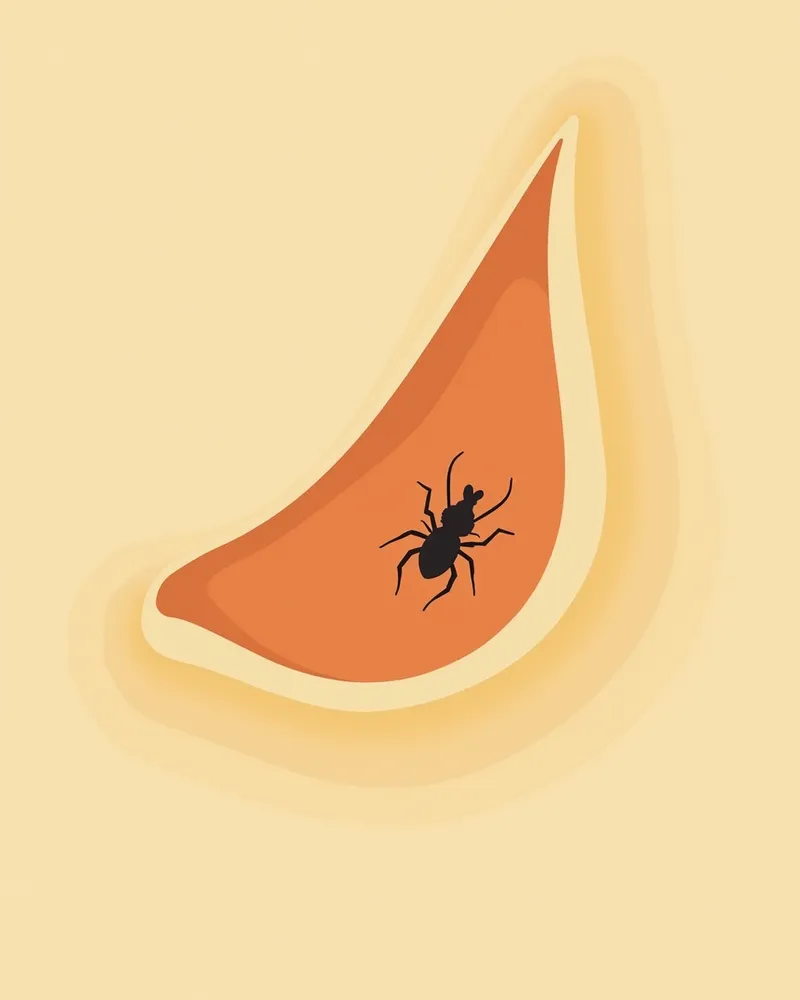
Ear mites viewed under a microscope

What are the main symptoms of ear mites in dogs?

The most common signs of ear mites in dogs include frequent scratching or shaking of the ears. You may also notice black or brown, flaky discharge in the ear canal, sometimes accompanied by an unpleasant odor. The ears can become red and swollen, and in severe cases, sores may develop inside the ear. Dogs may also shake their heads or rub them against surfaces. All of these symptoms indicate a possible mite infestation, so it’s important to consult your veterinarian right away.
A puppy with inflammation and discharge in its ears

Signs That Require an Immediate Veterinary Visit

If your dog is constantly scratching its ears, has an odor coming from its ears, or shows signs of swelling and pain, consult a veterinarian immediately. This could indicate not only ear mites but also secondary bacterial or Malassezia infections or otitis externa. Delaying treatment may lead to secondary infections or chronic otitis externa.

How is an ear mite diagnosis performed?
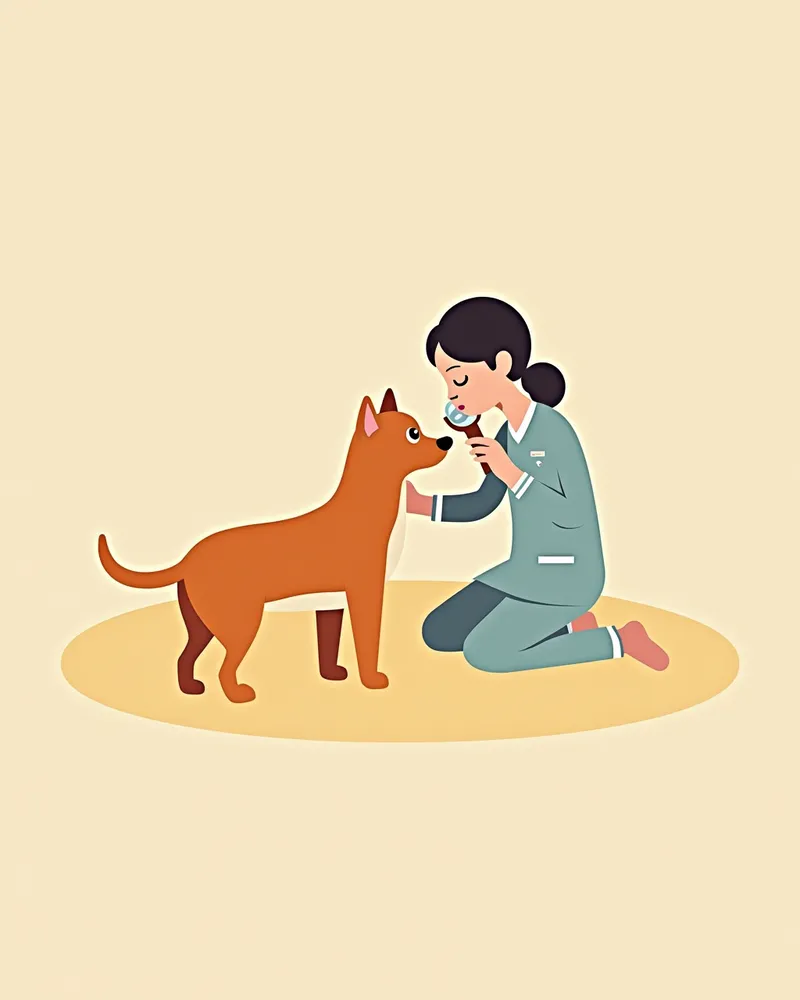
Veterinarians directly examine your dog’s ears using an otoscope and analyze earwax samples under a microscope to identify mites and their eggs. By mixing the collected discharge with mineral oil and placing it on a slide for low-power observation, mites can be detected. Additionally, cytological examination of ear cells helps determine whether secondary bacterial or Malassezia infections are present. Accurate diagnosis is essential for developing an appropriate treatment plan. Since secondary infections require concurrent treatment, precise diagnosis is crucial. - Microscopic examination: Directly identifies mites and eggs in earwax samples. - Otoscopy: Uses an otoscope to inspect for mites and assess the condition inside the ear canal. - Cytology: Checks for secondary bacterial or Malassezia infections to guide the selection of appropriate medications.
A veterinarian examining a puppy's ears.

How are ear mites in dogs treated?

Treatment for ear mites in dogs begins with topical or oral medications prescribed by a veterinarian. Commonly used drugs include isoxazolines such as selamectin, moxidectin, and fluralaner, as well as ivermectin and milbemycin. These are typically administered by applying drops directly into the ears, using spot-on treatments applied to the skin, or giving oral medications. Before starting treatment, the ears should be thoroughly cleaned. Because the ear mite life cycle lasts approximately three weeks, all infected and exposed animals must be treated for at least four weeks. Treatment should be completed even after symptoms disappear to prevent recurrence. It is especially important to treat all pets living in the same household, even if they show no symptoms.
A veterinarian administering ear drops to a puppy.

Comparison of Ear Mite Treatments by Type

ItemMain IngredientsUsage FrequencyPrecautions
Spot-on medicationSelamectin / MoxidectinAdministered 3 times at 2-week intervalsUse according to body weight per the veterinarian's prescription
Ear dropsIvermectin (e.g., Acarexx)Repeated administration at 3–4 week intervals as neededInstill after cleaning the ears; use caution in young animals
Isoxazoline classFluralaner, etc.Administered orally or as a spot-onSelect according to body weight after veterinary diagnosis

The choice of treatment depends on the veterinarian's diagnosis and the dog's body weight and health condition.

Practical Tips for Preventing Ear Mites in Dogs
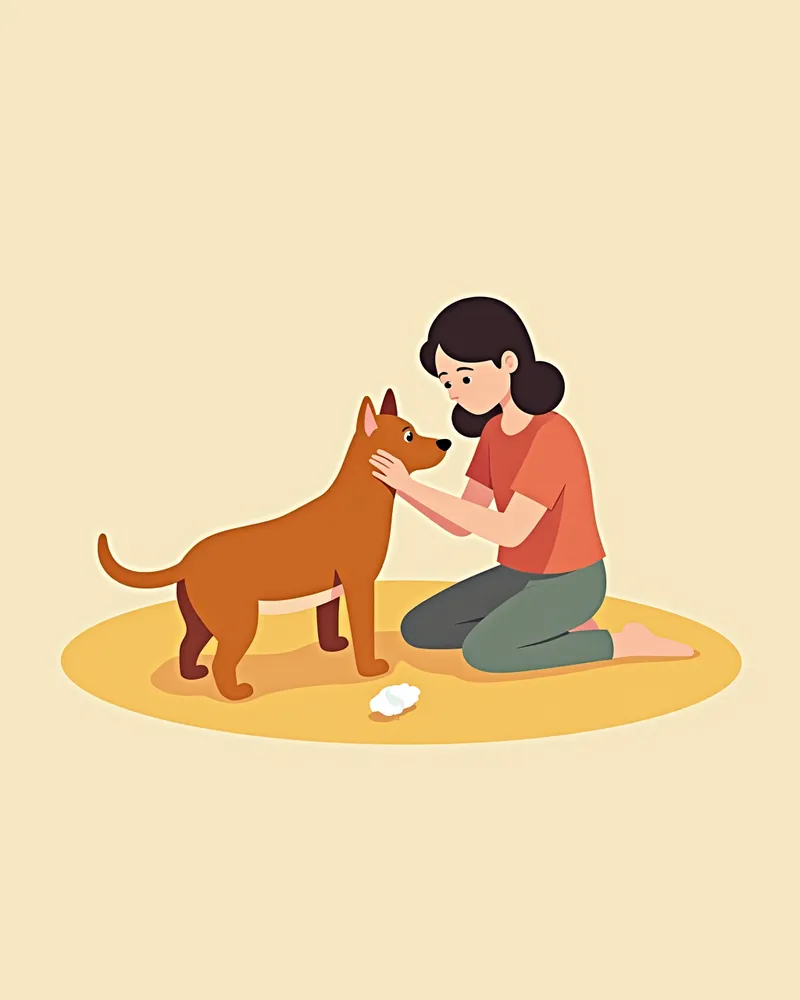
Preventing ear mites in dogs hinges on regular ear cleaning and maintaining a clean environment. It’s important to wipe your dog’s ears with a soft cloth at least once a week and keep them free of buildup. In addition to avoiding contact with other dogs, you should also clean and disinfect your home, bedding, and grooming tools like combs and towels. Spot-on treatments for prevention and treatment (such as fluralaner or selamectin) can be effective when used under veterinary guidance. Early detection is key if you notice any ear issues. Be sure to manage all pets living in the household simultaneously.
A guardian cleaning their dog's ears.

Reviewed by a veterinarian

Dr. Tony — Punnawat Phongkittirak

Dr. Tony — Punnawat Phongkittirak

Veterinarian

A veterinarian who majored in veterinary medicine at Khon Kaen University, Thailand, and completed the IVSA program at North Carolina State University in the United States. Drawing on clinical experience at animal hospitals, he works in the pet healthcare field and is dedicated to building a digital care environment that connects pet parents with veterinarians.

Frequently Asked Questions

Can ear mites in dogs be transmitted to humans?
While uncommon, there have been rare reports of transmission to humans. If transmitted to people, it can cause symptoms such as itching, and it spreads easily to other dogs.
Can ear mites come back after treatment?
Yes, if treatment is not completed or environmental management is insufficient, the condition may recur. Regular check-ups and ongoing care are essential.
What should I do if medication isn’t working for my pet’s ear mite infection?
If the medication is ineffective or causes side effects, consult your veterinarian immediately. A switch to a different treatment may be necessary.
When should I start preventing ear mites in my puppy?
It’s a good idea to start regular ear care and preventive treatments for your puppy from an early age. Puppies are especially prone to infections, so extra attention is necessary.
Can ear inflammation caused by ear mites be cured after treatment?
With proper treatment and care, most pets make a full recovery. However, delaying treatment can lead to secondary infections or chronic otitis externa.

Share

Related Guides

References

[1] BSAVA Manual of Canine and Feline Dermatology, 4th Ed. (2023). BSAVA Publications.

[2] Principles and Practices of Canine and Feline Clinical Parasitic Diseases. (2008). Shoorijeh et al., Turkish Journal of Veterinary and Animal Sciences.

[3] Plumb's Veterinary Drug Handbook, 9th Ed. (2022). Wiley-Blackwell.

This information is based on veterinary literature and does not replace diagnosis or treatment. Please consult a veterinarian for specific health concerns.

Metapet Co., Ltd. | CEO: Park Sung-yong | Business Reg. No. 417-88-02562 | Seoul, South Korea | Customer Center

5 Common Questions About Dog Ear Mites Answered | Meongsiljang