Like
Share
멍실장
강아지 인슐린 투여 방법과 주의점 총정리 — 보호자가 알아야 할 핵심

Complete Guide to Dog Insulin Administration and Precautions — Key Points for Pet Owners

EndocrineQ&AMeongsiljang Veterinary Advisory Board

Administering insulin at home is a crucial skill that pet owners must learn to effectively manage their dog’s diabetes. Knowing the correct injection site, timing, storage methods, and emergency procedures for hypoglycemia will help you care for your pet much more safely.

What Is Dog Insulin Administration? Essentials Every Owner Must Know

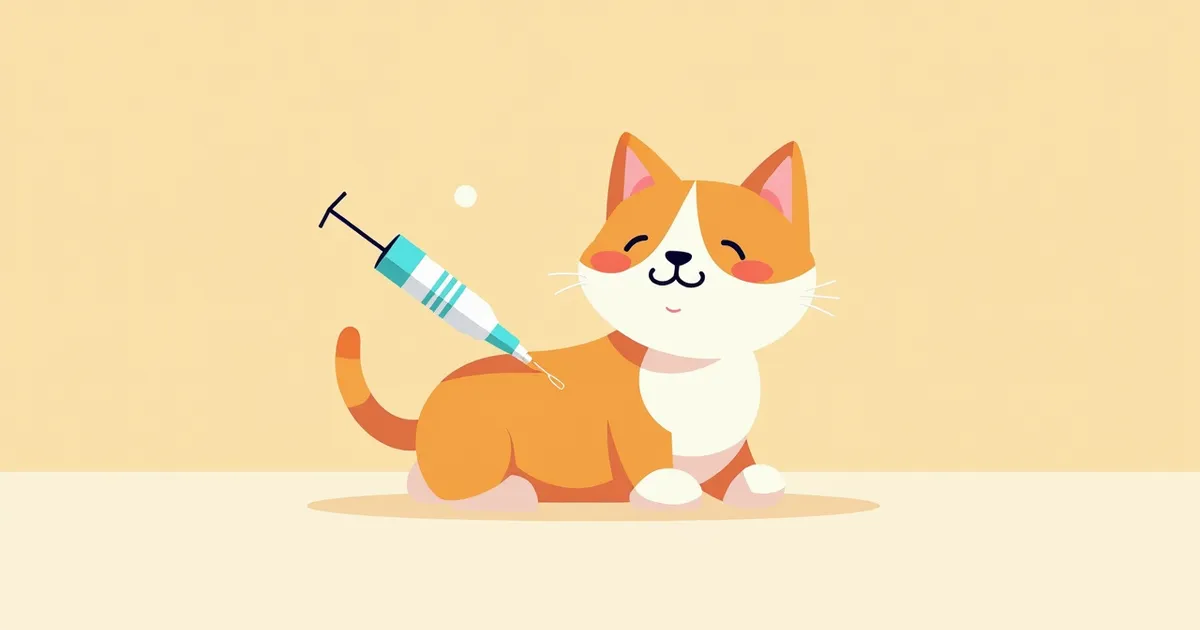
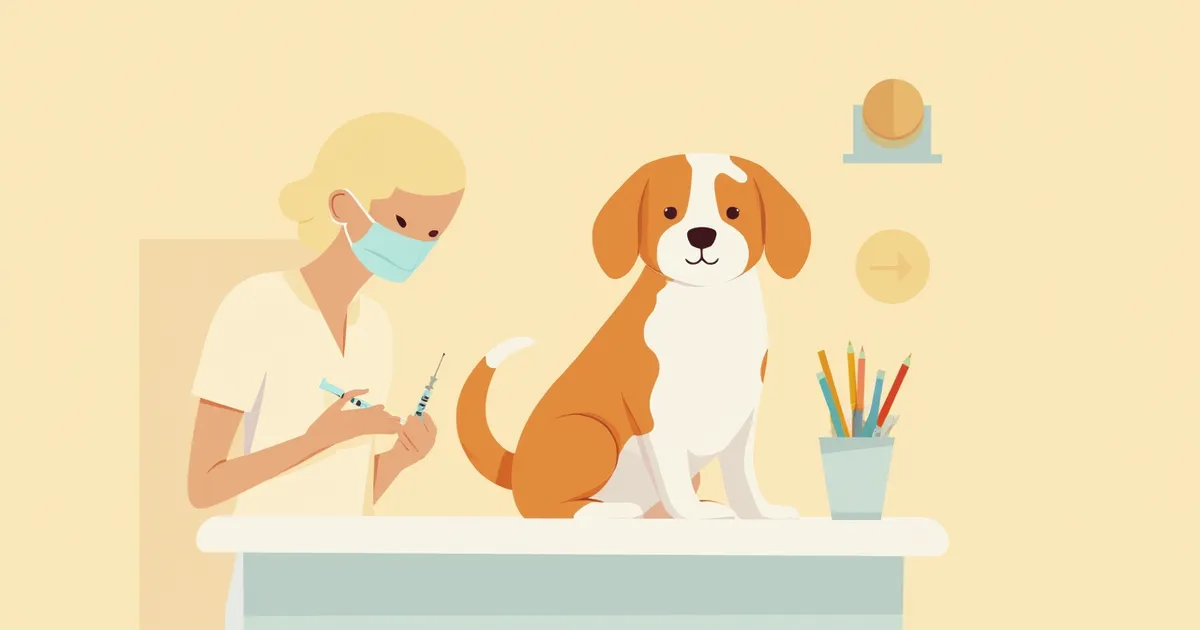
The owner prepares the dog’s insulin in a syringe.
Administering insulin to dogs is a treatment method in which insulin is injected directly under the skin (subcutaneously) every day to regulate blood sugar levels in dogs diagnosed with diabetes. The key is consistency: administer the injection at the same time every day, immediately after meals. If the timing is off, the dog may experience recurring episodes of hypoglycemia or hyperglycemia. Therefore, owners must receive hands-on training at the veterinary clinic before starting home administration. The type and dosage of insulin are determined by the veterinarian based on blood glucose test results, so owners must never adjust these on their own.

Types of Insulin Used in Dogs

There are two main types of insulin used in the treatment of canine diabetes.
Intermediate-acting insulin: NPH (isophane insulin) and lente insulin are the most common examples. Effects begin within 0.5 to 2 hours after injection, and the standard dosing frequency is twice daily. Because of their longer duration of action, these are the most widely used for routine home care.
Short-acting insulin (Regular): This type is used for managing emergency hyperglycemia. It is primarily intended for clinical treatment in a veterinary hospital rather than for home management.
The choice of insulin depends on your dog’s individual blood glucose patterns and should be determined by your veterinarian. Never switch or mix insulin types on your own, as this can be dangerous.

Comparison of Features by Insulin Type for Dogs

ItemNPH (Isophane)Lente InsulinRegular Insulin
Onset of Effect0.5–2 hours0.5–2 hoursWithin 0.5 hours
Peak Effect2–10 hours1–10 hours1–4 hours
Duration of Action4–24 hours10–24 hours4–10 hours
Main UseRoutine home managementRoutine home managementHospital emergency treatment
Administration FrequencyTwice a dayTwice a dayAs needed

Based on veterinary pharmacology textbooks. Actual type and dosage are determined by the veterinarian.

Proper Insulin Administration Method — Step-by-Step Guide
Step 1 – Preparation: Gently roll the insulin vial between your palms to mix it. Shaking vigorously can create bubbles, leading to inaccurate dosing.
Step 2 – Verify the dose: Draw up the exact number of units (U) prescribed by your veterinarian. Always use an insulin-specific syringe (U-40 or U-100).
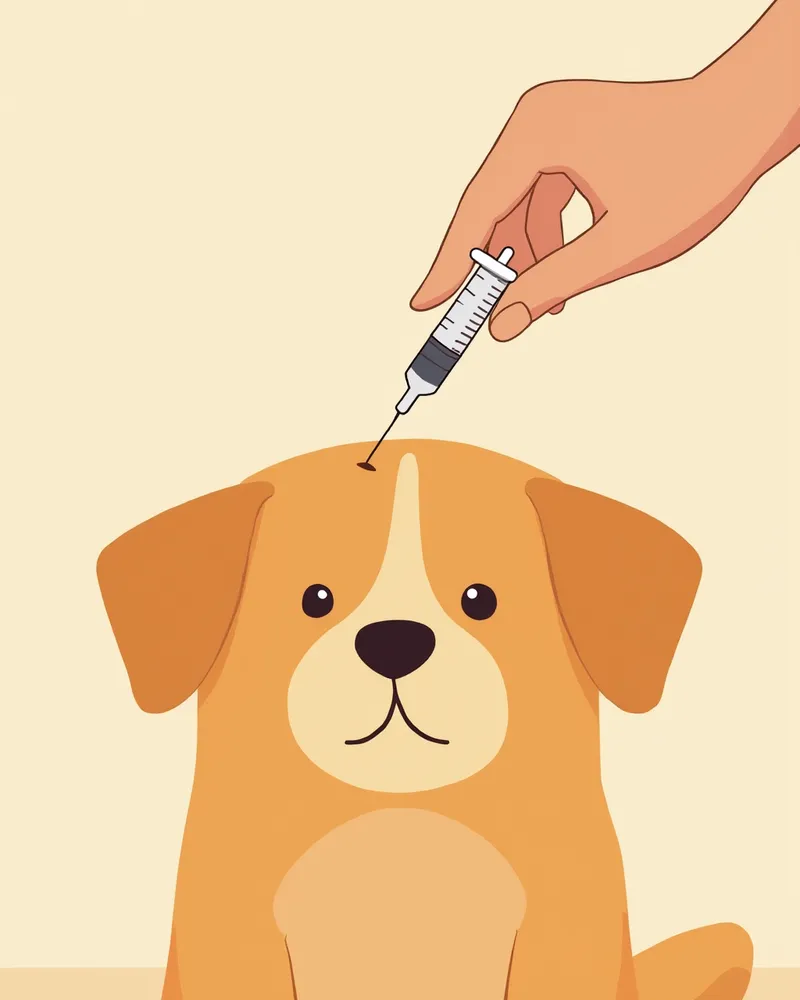
Step 3 – Injection site: Administer the injection subcutaneously on the loose skin at the back of the neck or along the spine. Rotate injection sites to prevent the formation of nodules from repeated use of the same spot.
Step 4 – Injection: Gently pinch up a fold of skin, insert the needle smoothly, and depress the plunger slowly. Wait 2–3 seconds before withdrawing the needle.
How to administer an insulin injection by pinching the skin at the back of your dog’s neck

Hypoglycemia Emergency — Situations Requiring Immediate Action

Hypoglycemia can occur if too much insulin is administered or if a meal is skipped. If you notice any of the symptoms below, immediately apply a small amount of honey or sugar water to the gums and head straight to the veterinary clinic. Symptoms of hypoglycemia: Severe trembling, staggering, confusion, seizures, and sudden weakness If your pet is unconscious or having a seizure, do not force-feed them. Instead, go to an emergency veterinary clinic immediately.

Insulin Storage Methods and Shelf Life
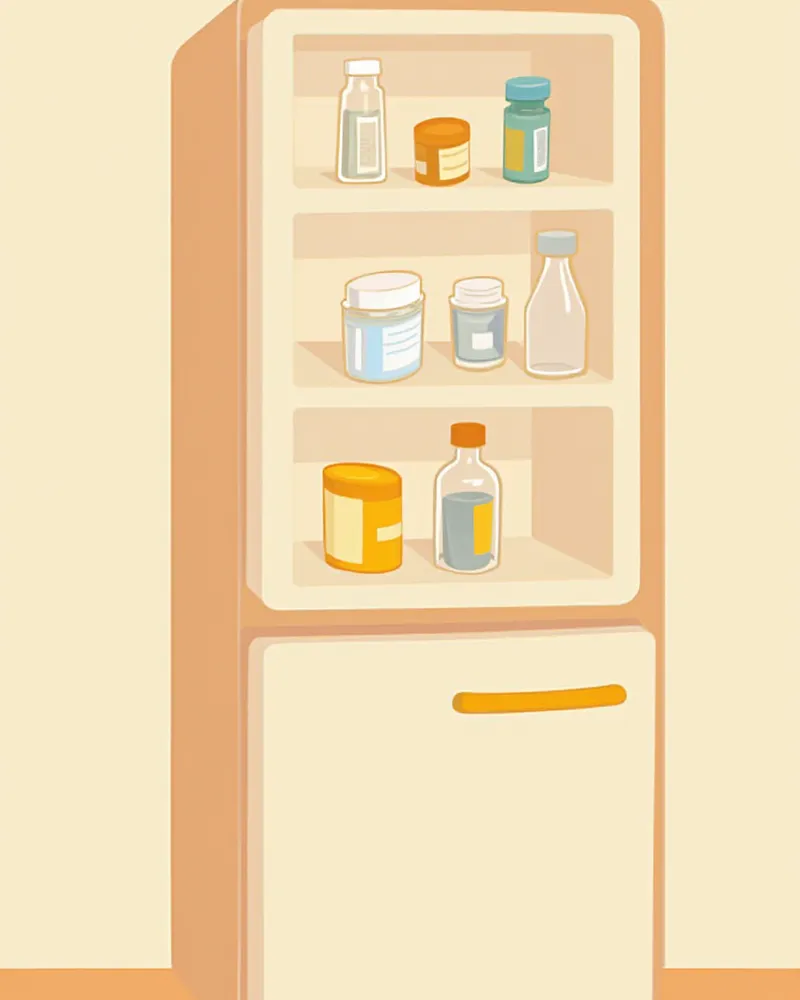
Insulin is sensitive to temperature, so proper storage is crucial.
Refrigeration is essential: Store unopened insulin in the refrigerator at 2–8°C. Never place it in the freezer, as freezing will destroy its effectiveness.
Shelf life after opening: While this varies by product, insulin should generally be used within 28–56 days of opening. Always write the opening date on the vial.
Avoid direct sunlight: Exposure to light can cause insulin to degrade.
Temperature before administration: For easier injection, let refrigerated insulin sit at room temperature for 5–10 minutes before use.
Insulin vials for dogs stored in the refrigerator

Blood Glucose Monitoring and Regular Check-up Schedule
Regular blood glucose testing is essential for adjusting insulin dosage.
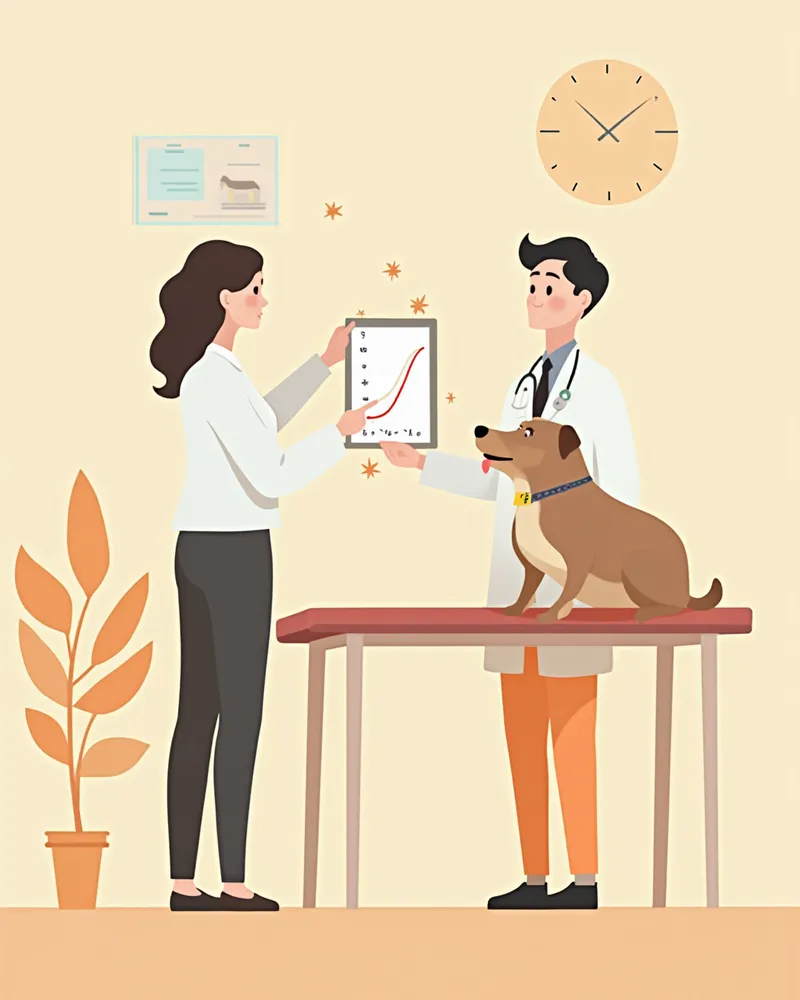
Initial adjustment phase: When first determining the type and dose of insulin, hospital visits are required every 1–2 weeks. A blood glucose curve test (measuring blood glucose multiple times a day to identify patterns) is used to confirm that the insulin is working properly.
Stable phase: Once blood glucose is well controlled, visits are scheduled at intervals of 1–3 months. At this stage, a glycated albumin (fructosamine) test is performed to assess long-term blood glucose control.
Home monitoring: Urine glucose test strips or home blood glucose meters can be used in consultation with your veterinarian.
A veterinarian explaining a puppy's blood glucose curve results to its owner.

Mistakes to Avoid When Administering Insulin

Do not adjust the dosage on your own: Even if blood sugar levels are high, changing the dose without your veterinarian’s guidance can be dangerous. Always consult your veterinarian if your pet skips a meal: Administering insulin on days when your pet hasn’t eaten can lead to severe hypoglycemia. Never reuse syringes: Dull needles cause increased pain and raise the risk of infection. Be aware of rebound hyperglycemia: Blood sugar may spike sharply after an episode of hypoglycemia. Increasing insulin doses in response to high blood sugar can actually worsen the condition.

Reviewed by a veterinarian

Dr. Tony — Punnawat Phongkittirak

Dr. Tony — Punnawat Phongkittirak

Veterinarian

A veterinarian who majored in veterinary medicine at Khon Kaen University, Thailand, and completed the IVSA program at North Carolina State University in the United States. Drawing on clinical experience at animal hospitals, he works in the pet healthcare field and is dedicated to building a digital care environment that connects pet parents with veterinarians.

Frequently Asked Questions

What should I do if I miss an insulin injection?
If there are more than 2 hours left until the next scheduled dose, administer the missed dose as soon as you remember. If less than 2 hours remain, skip the missed dose and give the next dose at the regular time and dosage. Never double the dose. If you're unsure, contact your veterinarian for guidance.
A lump has formed at the injection site. Can I continue administering the injections?
Repeated injections in the same spot can lead to the formation of subcutaneous nodules. If a lump develops, avoid that area for a while and alternate injection sites. If the nodule continues to grow or becomes painful, it’s best to have it checked by a veterinarian.
My dog didn’t eat his meal. Is it still safe to give him insulin?
Administering insulin when your pet has skipped a meal can lead to severe hypoglycemia. Always contact your veterinarian first to determine whether the dose should be given. Do not reduce the dose or skip it without explicit instructions from your vet.
My puppy is sleeping a lot after the injection. Could it be hypoglycemia?
Severe trembling after an injection may be a sign of hypoglycemia. Immediately apply a small amount of honey or sugar water to the gums and contact your veterinarian. If there is no improvement within 10 to 15 minutes, take your pet to an emergency animal hospital right away.
Can diabetes in dogs be cured? Do they need to receive insulin injections for life?
Most dogs with diabetes require lifelong insulin therapy. In rare cases, blood sugar levels may return to normal if an underlying cause, such as Cushing’s disease or certain medications, is resolved. However, you should never stop insulin administration without your veterinarian’s guidance.

Share

Related Guides

References

[1] Plumb DC, Plumb's Veterinary Drug Handbook, 10th Edition, 2023

[2] Grimm KA et al., Small Animal Anesthesia and Pain Management: A Color Handbook, 3rd Edition, 2015

[3] Little S, The Cat: Clinical Medicine and Management, 2nd Edition, 2023

This information is based on veterinary literature and does not replace diagnosis or treatment. Please consult a veterinarian for specific health concerns.

Metapet Co., Ltd. | CEO: Park Sung-yong | Business Reg. No. 417-88-02562 | Seoul, South Korea | Customer Center

Dog Insulin Injection Guide: Key Tips Every Owner Should Know | Meongsiljang