Like
Share
멍실장
강아지 처방식 사료 급여 원칙 총정리 — 보호자가 알아야 할 핵심

What Is Prescription Dog Food? — Differences From Regular Food and Feeding Principles

DigestiveQ&AMeongsiljang Veterinary Advisory Board

We’ve put together a clear, owner-friendly guide to the key principles of feeding prescription dog food, the differences between types, how to transition your dog properly, and important precautions to keep in mind during feeding.

What Is Prescription Dog Food?
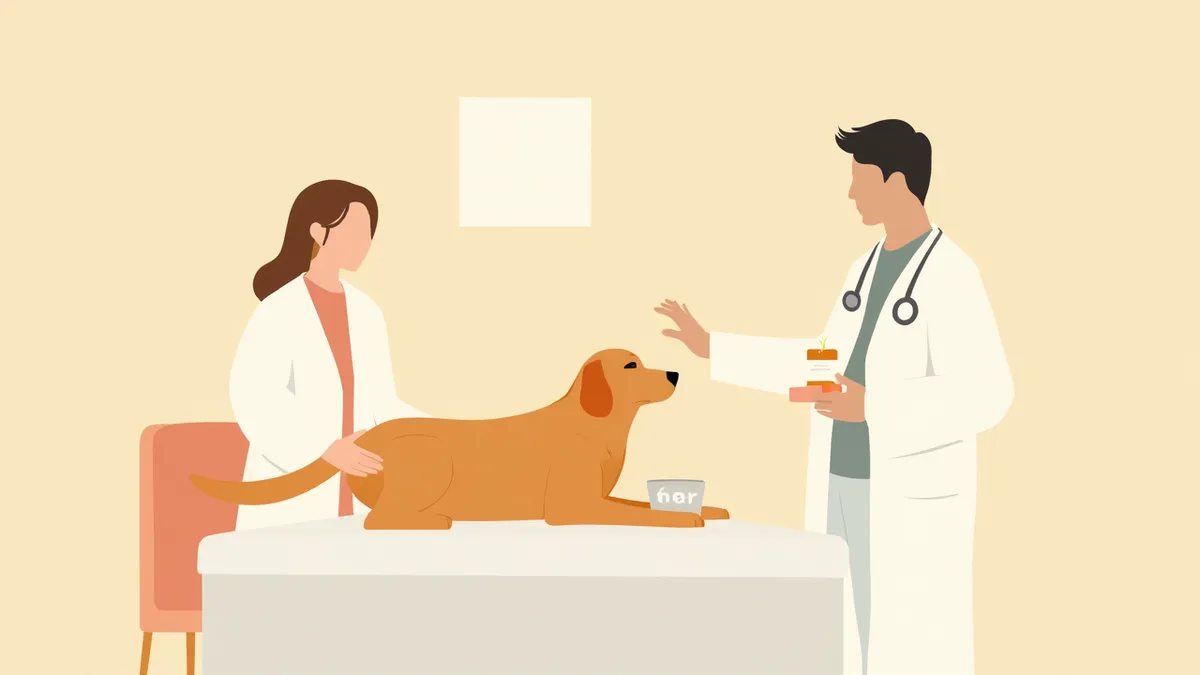
A veterinarian at an animal hospital explaining prescription dog food to a pet owner.
Prescription diets for dogs are therapeutic foods formulated to manage specific health conditions—such as gastrointestinal, renal, or urinary tract disorders—through dietary intervention, and they must be administered under veterinary prescription. The most critical point is that, much like medication, prescription diets should only be fed after a veterinary diagnosis and in strict accordance with your veterinarian’s instructions. Arbitrarily selecting a different formula or discontinuing use can worsen the underlying condition.

When Is Prescription Food Necessary?

Prescription diets are used when a pet has a specific condition that is difficult to manage with regular food. They are typically recommended in the following situations:
Gastrointestinal issues: Managing chronic vomiting, diarrhea, or inflammatory bowel disease (IBD)
Kidney disease: Slowing the progression of chronic kidney failure
Urinary tract disorders: Dissolving bladder stones or struvite crystals
Skin and allergies: Identifying food allergy triggers (using hydrolyzed diets)
Obesity and diabetes: Supporting weight management and blood sugar control
Your veterinarian will prescribe the appropriate diet based on blood and urine test results.

Prescription Food Types at a Glance

ItemDigestiveRenalUrinaryAllergy
Main PurposeRelieves IBD, vomiting, diarrheaReduces kidney burdenPrevents/dissolves stonesExcludes allergy causes
Protein CharacteristicsHighly digestible proteinLow proteinControlled mineralsHydrolyzed protein
Typical SymptomsRecurrent vomiting/diarrheaVomiting, polyuria, lethargyHematuria, difficulty urinatingItchy skin, hair loss
Feeding PeriodDetermined by veterinary diagnosisLifelong managementUntil stones dissolveEvaluate after 8–12 weeks

The feeding period may vary depending on the veterinarian's diagnosis results

3 Things to Check Before Feeding
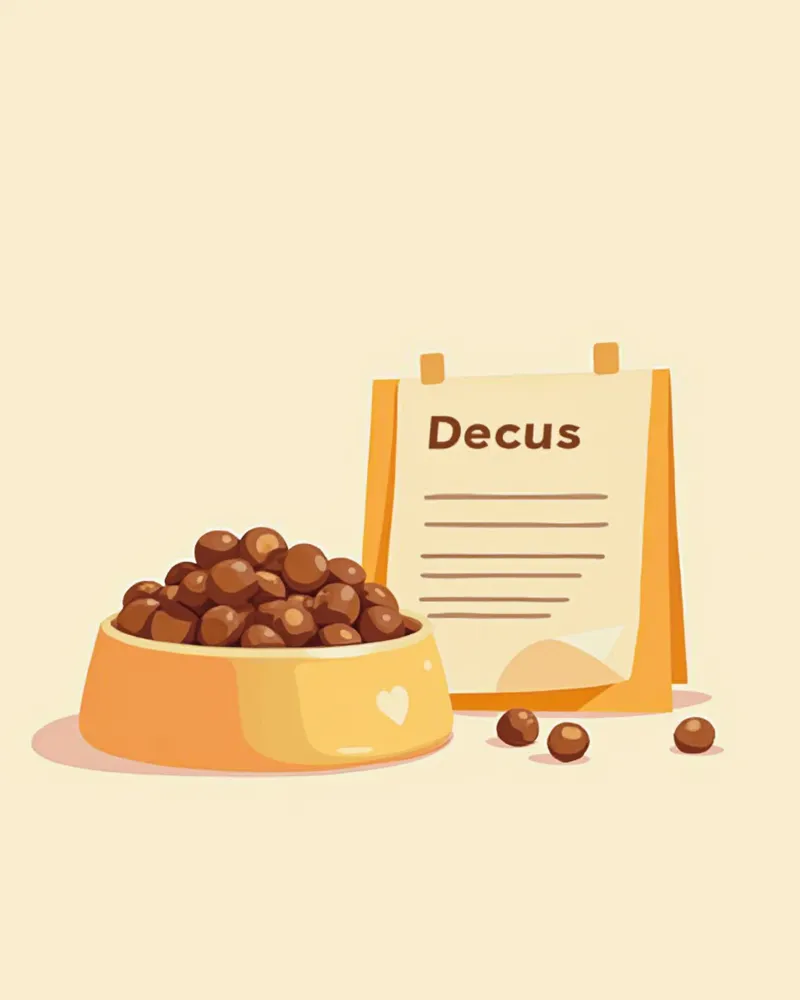
There are a few important things to check before starting a prescription diet.
1. Veterinary prescription: Do not purchase or feed prescription food without a diagnosis. You must have test results and a valid prescription.
2. List of current foods: Inform your veterinarian about everything your pet eats, including treats and supplements. Even a single treat can undermine the effectiveness of the prescription diet.
3. Transition schedule: Switching diets abruptly can cause digestive issues. Your veterinarian will provide a transition schedule.
A veterinarian’s prescription and a bowl of prescription dog food

Why You Should Not Choose Prescription Food Arbitrarily

Prescription diets serve distinct purposes depending on the type. Their nutritional formulations are specifically designed for different conditions, such as urinary stones, kidney disease, or gastrointestinal issues. Feeding a diet that doesn’t match your pet’s diagnosis may provide no benefit or could even be harmful. This is especially important for growing puppies, which have specific nutritional requirements, including protein needs. Without a proper diagnosis, an incorrectly chosen prescription diet may disrupt their nutritional balance. Additionally, even within categories like allergy or urinary health, there are specific sub-formulations with different goals, making random selection risky. Therefore, always feed only the prescription diet prescribed by your veterinarian based on a proper diagnosis and test results. Do not change or discontinue the diet without veterinary guidance.

How to Properly Transition to Prescription Food

Switching abruptly from your pet’s current food to a prescription diet can cause digestive upset. It’s best to make the transition gradually over 7–10 days. - Days 1–2: 90% current food + 10% prescription diet - Days 3–4: 70% current food + 30% prescription diet - Days 5–6: 50% current food + 50% prescription diet - Days 7–8: 20% current food + 80% prescription diet - Days 9–10: 100% prescription diet If vomiting or diarrhea becomes severe during the transition, slow down the process and contact your veterinarian.
A gradual transition from regular pet food to prescription diet food.

Monitoring Points to Check During Feeding

While your pet is on a prescription diet, consistent monitoring at home is essential.
Appetite and palatability: Some pets may refuse to eat prescription food. If your pet hasn’t eaten for more than three days, please consult your veterinarian.
Stool condition: Check daily for stool consistency, frequency, and the presence of blood.
Body weight: Weigh your pet every two weeks and notify the clinic of any sudden weight gain or loss.
Water intake: For pets on renal or urinary tract prescription diets, changes in water consumption are a key indicator to watch.

Precautions for Treats and Supplements During Prescription Feeding

While your pet is on a prescription diet, you need to be equally careful with treats and supplements. This is especially important when feeding a hydrolyzed diet for allergy diagnosis—introducing any other protein sources can invalidate the diagnostic process. Do not add treats or supplements without your veterinarian’s approval. If you really want to give something, using treats from the same prescription line is the safest option.

How Long Should You Feed Prescription Food?

The duration of prescription diet feeding varies depending on the type of disease and your dog's condition. In some cases, lifelong management is necessary, while in others, you may transition back to regular food once symptoms improve. Your veterinarian will determine the appropriate feeding period by monitoring your dog's condition through regular check-ups, such as blood tests, urinalysis, and ultrasounds. Please do not discontinue the diet on your own. Stopping based solely on the impression that your dog seems to be eating well can lead to a relapse.
A puppy that eats prescription food well

Reviewed by a veterinarian

Dr. Tony — Punnawat Phongkittirak

Dr. Tony — Punnawat Phongkittirak

Veterinarian

A veterinarian who majored in veterinary medicine at Khon Kaen University, Thailand, and completed the IVSA program at North Carolina State University in the United States. Drawing on clinical experience at animal hospitals, he works in the pet healthcare field and is dedicated to building a digital care environment that connects pet parents with veterinarians.

Frequently Asked Questions About Prescription Food

Can I buy prescription pet food online without a veterinarian’s prescription?
Prescription diets should only be fed under a veterinarian’s guidance. Even if some platforms allow purchase without a prescription, choosing one without a proper diagnosis may result in feeding a diet that doesn’t match your pet’s specific condition. Always start by visiting a clinic for an examination and prescription.
Can I give my pet treats while they’re on a prescription diet?
As a general rule, treats should be limited while your pet is on a prescription diet. This is especially important with hydrolyzed diets used for allergy testing, as introducing other proteins can invalidate the diagnostic results. If you really want to give treats, please consult your veterinarian first to confirm which products are safe to use.
My dog won’t eat his prescription diet. What should I do?
Prescription diets can sometimes be less palatable. Never force your pet to eat or withhold food. Try transitioning gradually or sprinkling a small amount of broth (salt-free, without onions or green onions) over the prescription food. If your pet hasn’t eaten for more than three days, contact your veterinarian to explore alternative options.
Can I mix prescription diet food with regular pet food?
It’s fine to gradually mix the new food with the old during the transition period. However, once the transition is complete, you should feed only the prescription diet. Mixing in regular pet food can disrupt the carefully balanced nutrition that the prescription diet is designed to provide.
How long should I feed my pet prescription diet food?
The duration depends on the type of condition. For chronic diseases such as kidney disease, lifelong feeding may be necessary. After an allergy diagnosis, if the offending ingredients are identified, your pet may be able to transition back to regular food. Your veterinarian will determine the appropriate feeding period through regular check-ups and testing.

Share

Related Guides

References

[1] Fascetti AJ, Delaney SJ. Applied Veterinary Clinical Nutrition, 2nd Ed. Chapter 8: Commercial and Home-Prepared Diets. Wiley-Blackwell, 2017.

[2] Schaer M (ed). Clinical Medicine of the Dog and Cat, 4th Ed. Section V: Elements of Therapy, Chapter 25. CRC Press, 2022.

This information is based on veterinary literature and does not replace diagnosis or treatment. Please consult a veterinarian for specific health concerns.

Metapet Co., Ltd. | CEO: Park Sung-yong | Business Reg. No. 417-88-02562 | Seoul, South Korea | Customer Center

What Is Prescription Dog Food? Differences & Feeding Rules | Meongsiljang