Like
Share
멍실장
강아지 당뇨병 개 자주 묻는 질문 Q&A — 보호자가 꼭 알아야 할 핵심

What is canine diabetes? — How to recognize early symptoms

EndocrineQ&AMeongsiljang Veterinary Advisory Board

Canine diabetes is an endocrine disorder in which blood sugar regulation becomes difficult due to a lack of insulin. We’ve compiled the key information every pet owner should know in a Q&A format.

What is canine diabetes?

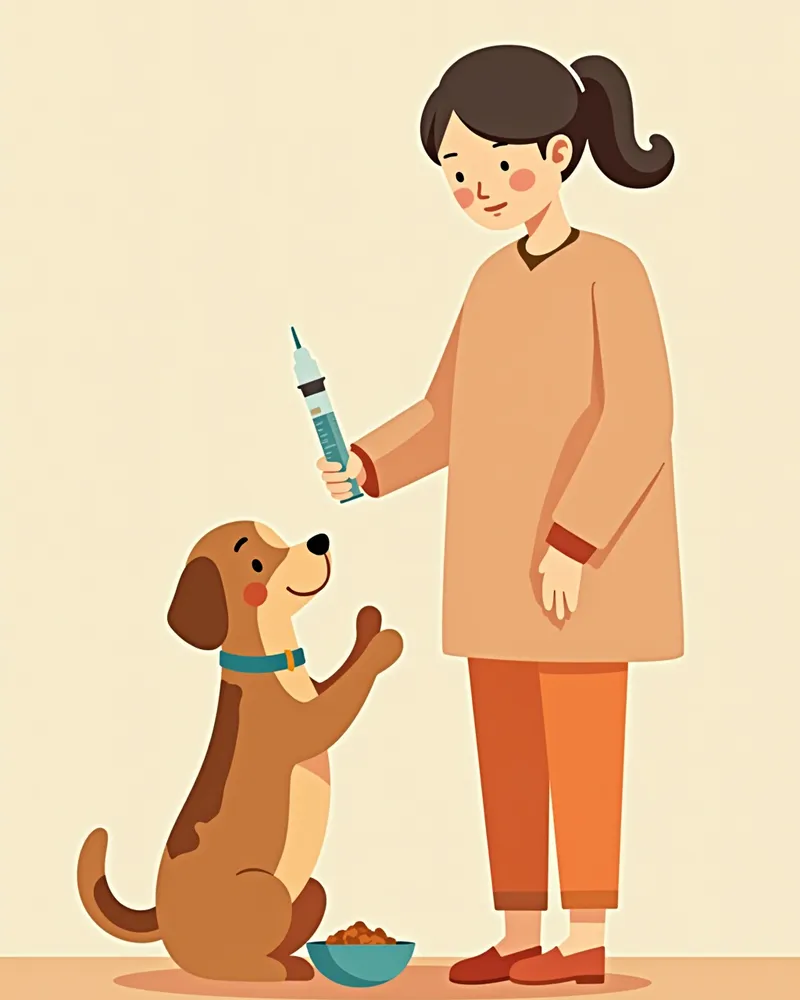
Insulin syringes needed for managing diabetes in dogs
Canine diabetes is an endocrine disorder in which the body either fails to produce enough insulin or cannot use it effectively, making blood sugar regulation difficult. This condition requires long-term management. Since insulin helps transport glucose into cells, a deficiency leads to elevated blood glucose levels, which can cause various complications. The main causes include damage to the insulin-producing cells in the pancreas or autoimmune reactions. The risk of developing diabetes increases with age, and obesity or genetic factors can also contribute. Early detection and appropriate treatment are essential.

What are the main causes of diabetes?
The primary cause of diabetes in dogs is damage to or impaired function of the insulin-producing cells in the pancreas. - Impaired insulin production: When beta cells in the pancreas fail to produce sufficient insulin, blood sugar regulation becomes difficult. - Autoimmune response: Immune-mediated damage, in which the immune system attacks the beta cells responsible for producing insulin, is a major cause of canine diabetes. - Chronic pancreatitis: Repeated inflammation of the pancreas can destroy beta cells, potentially leading to diabetes. - Obesity and insulin resistance: Excess body weight can lead to insulin resistance, reducing insulin effectiveness and contributing to the development of diabetes. - Genetic factors: Susceptibility varies by breed, with Samoyeds, Tibetan Terriers, and Cairn Terriers being genetically more vulnerable. Diabetes often results from a combination of these factors.
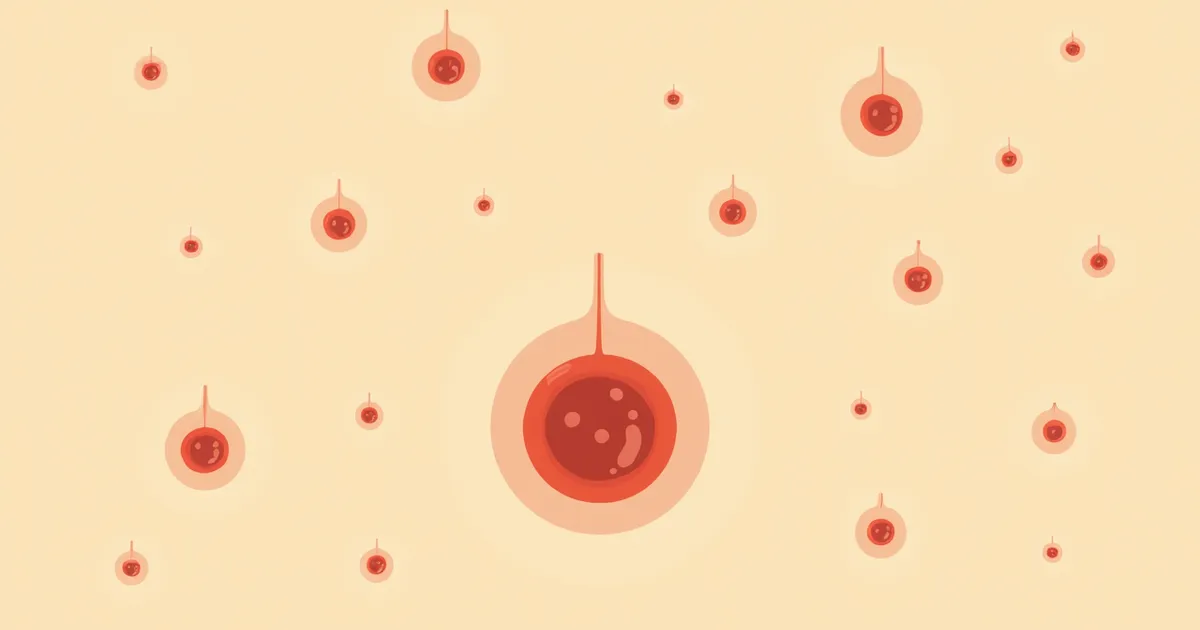
The insulin-producing cells in a dog's pancreas

What are the main symptoms of diabetes?
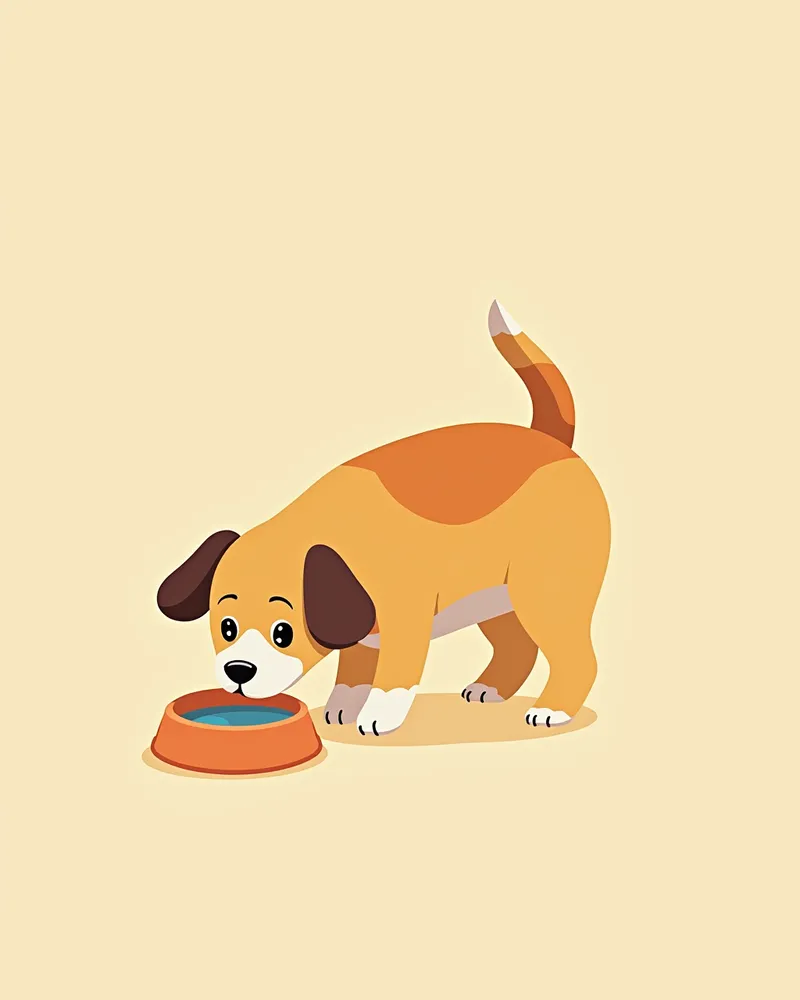
The main symptoms of diabetes in dogs are polyuria, polydipsia, polyphagia, and weight loss. If these symptoms appear simultaneously, you should consult a veterinarian immediately.
Polyuria: Your dog will need to go to the bathroom frequently throughout the day.
Polydipsia: Your dog will drink water constantly.
Polyphagia: Your dog will eat more but not gain weight.
Weight loss: Despite eating more, your dog will lose weight.
These signs are early indicators of diabetes.
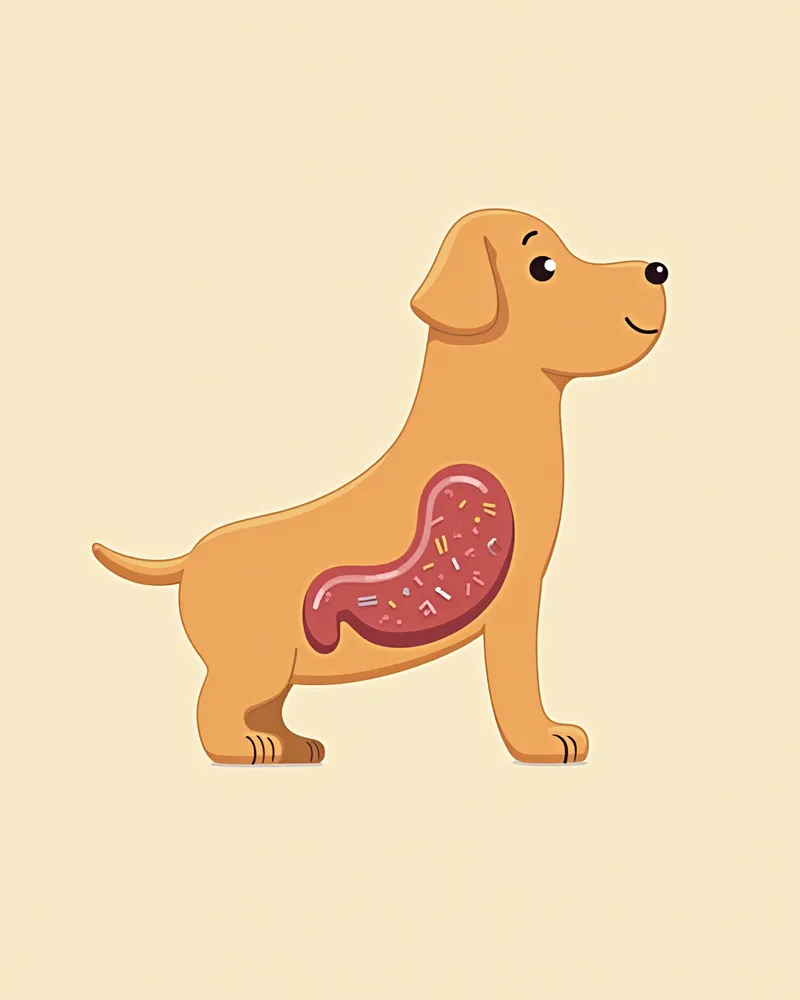
The following symptoms of diabetes in dogs

When to seek immediate veterinary care

If your dog becomes lethargic, confused, or experiences repeated vomiting and diarrhea, they may be developing ketoacidosis, a complication of diabetes. Seek veterinary care immediately.

How is diabetes diagnosed?
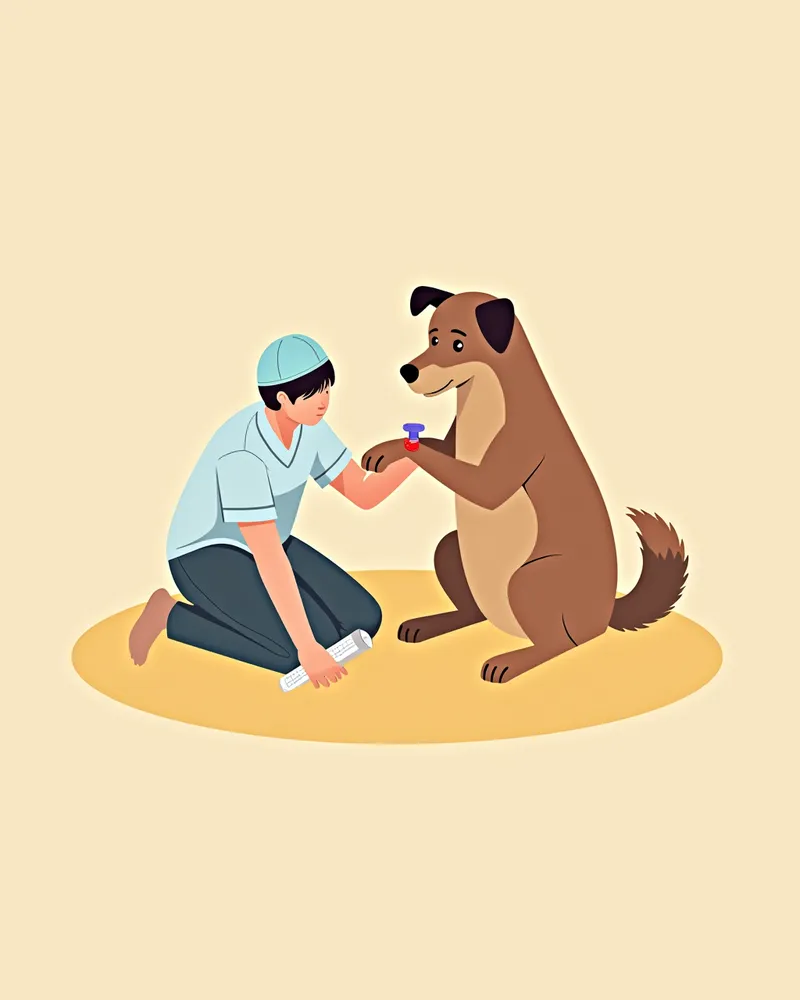
Diagnosing diabetes in dogs involves blood and urine tests. - Blood tests: These check for consistently high blood glucose levels (hyperglycemia). Repeated measurements are more reliable than a single test. - Urine tests: These detect the presence of glucose in the urine (glycosuria). When blood glucose exceeds the renal threshold, glucose spills into the urine and is detected. - Complete blood count (CBC) and serum chemistry panel: These assess overall health and evaluate for any concurrent conditions. - Additional tests: Liver and kidney function are checked, and we look for complications such as ketoacidosis. All results are analyzed together to confirm the diagnosis.
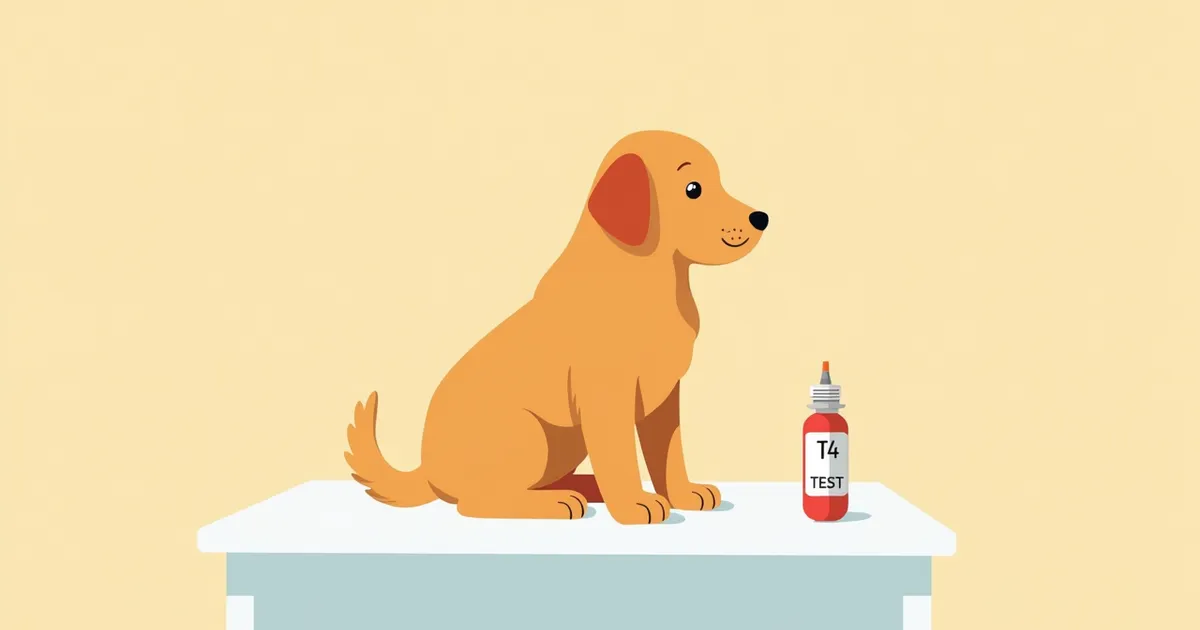
Blood tests for diagnosing diabetes in dogs

What are the treatment methods?

Treating diabetes in dogs centers on insulin injections and dietary management. Your veterinarian will determine the appropriate dosage based on your dog’s weight and overall condition.
Insulin injections: Administered via subcutaneous injection once or twice daily.
Dietary management: A low-glycemic index diet is recommended to ensure carbohydrates are absorbed slowly.
Regular feeding: Feed the same amount at the same time every day.
Blood glucose monitoring: Using a home testing device to check blood sugar levels can be very helpful.
Insulin injections and specialized diets for treating diabetes in dogs

Key points for home management

Managing your dog’s diabetes hinges on consistent daily care. Please adhere to the following guidelines:
Consistent Meal Times: Feed the same amount of food at the same time every day.
Timing Insulin Injections: Administer insulin immediately after meals.
Blood Glucose Monitoring: Record your dog’s blood glucose levels daily.
Exercise Moderation: Avoid excessive exercise, as it can lower blood sugar.
Weight Management: Obesity increases insulin resistance, so maintaining a healthy weight is essential.
Daily Log for Managing Your Dog’s Diabetes

Comparison of diabetes management methods

ItemDietary controlInsulin injectionBlood glucose monitoringExercise management
Main purposePrevent rapid blood glucose spikesBlood glucose controlConfirm treatment effectivenessBlood glucose stabilization
Main methodLow-glycemic-index food, regular mealsSubcutaneous injection, dose as directed by the veterinarianUse a blood glucose meter at homeMaintain a consistent daily amount of exercise
PrecautionsControl carbohydrate intakeKeep injection times preciseRegularly check the deviceAvoid excessive exercise

All methods should be carried out after consulting a veterinarian.

Reviewed by a veterinarian

Dr. Tony — Punnawat Phongkittirak

Dr. Tony — Punnawat Phongkittirak

Veterinarian

A veterinarian who majored in veterinary medicine at Khon Kaen University, Thailand, and completed the IVSA program at North Carolina State University in the United States. Drawing on clinical experience at animal hospitals, he works in the pet healthcare field and is dedicated to building a digital care environment that connects pet parents with veterinarians.

Frequently asked questions

Can a dog’s diabetes be cured?
While a complete cure isn’t currently possible, your pet can still enjoy a good quality of life with proper care. Consistent treatment is key.
Does insulin injection hurt?
The injection needle is very thin, so it doesn’t hurt. Once your dog gets used to it, they won’t even react much.
Will reducing food intake lower blood sugar levels?
Reducing food intake can actually cause blood sugar to drop, leading to hypoglycemia. Please provide the exact amount prescribed by your veterinarian.
Can dogs with diabetes still go for walks?
Walking is possible. However, you should maintain a consistent level of exercise and coordinate it with mealtime and injection schedules.
How long can a diabetic dog live?
With proper care, your pet can live a lifespan similar to the average for their breed. Consistent management together with your veterinarian is recommended.

Share

Related Guides

References

[1] The Dog Care Handbook, Things I Wish My Vet Had Told Me, 2023

[2] Notes on Canine Internal Medicine, 4th Ed, 2021

[3] Clinical Medicine of the Dog and Cat, 4th Ed, 2020

This information is based on veterinary literature and does not replace diagnosis or treatment. Please consult a veterinarian for specific health concerns.

Metapet Co., Ltd. | CEO: Park Sung-yong | Business Reg. No. 417-88-02562 | Seoul, South Korea | Customer Center

What Is Dog Diabetes? How to Spot Early Symptoms | Meongsiljang