Like
Share
멍실장
고양이 특발성 방광염(FIC) 자세히

Understanding Feline Idiopathic Cystitis (FIC) in Detail

UrinaryQ&AMeongsiljang Veterinary Advisory Board

Feline idiopathic cystitis (FIC) is a recurring condition that develops without infection, triggered by stress and damage to the bladder's protective lining. Here’s a summary of its causes, symptoms, criteria for veterinary care, and home management strategies.

What is Feline Idiopathic Cystitis (FIC)?

A cat resting comfortably on a blanket by the window
Feline idiopathic cystitis (FIC) is a lower urinary tract disease in which inflammation repeatedly develops on the bladder mucosa without bacterial infection. Early intervention is key. If you notice signs such as blood in the urine, frequent trips to the litter box, or straining to urinate, visit a veterinary clinic within 24 hours. If a male cat is completely unable to urinate, seek emergency veterinary care immediately. It is crucial to understand that the cause is not infection, but rather stress and damage to the bladder’s protective lining.

Why Does FIC Occur?

FIC is not just a simple bladder issue; it’s a condition linked to the body’s overall stress response. According to veterinary textbooks, cats with FIC exhibit abnormal stress responses (which may be related to negative experiences during kittenhood) and have a defect in the glycosaminoglycan (GAG) layer that protects the inner lining of the bladder. When this layer is damaged, irritants in the urine can stimulate the bladder wall, leading to inflammation and sometimes ulcers or bleeding. Additionally, various neurochemical substances released from the brain can contribute to the inflammatory response (neurogenic inflammation), worsening the cycle of pain and frequent urination.

What Symptoms Appear?

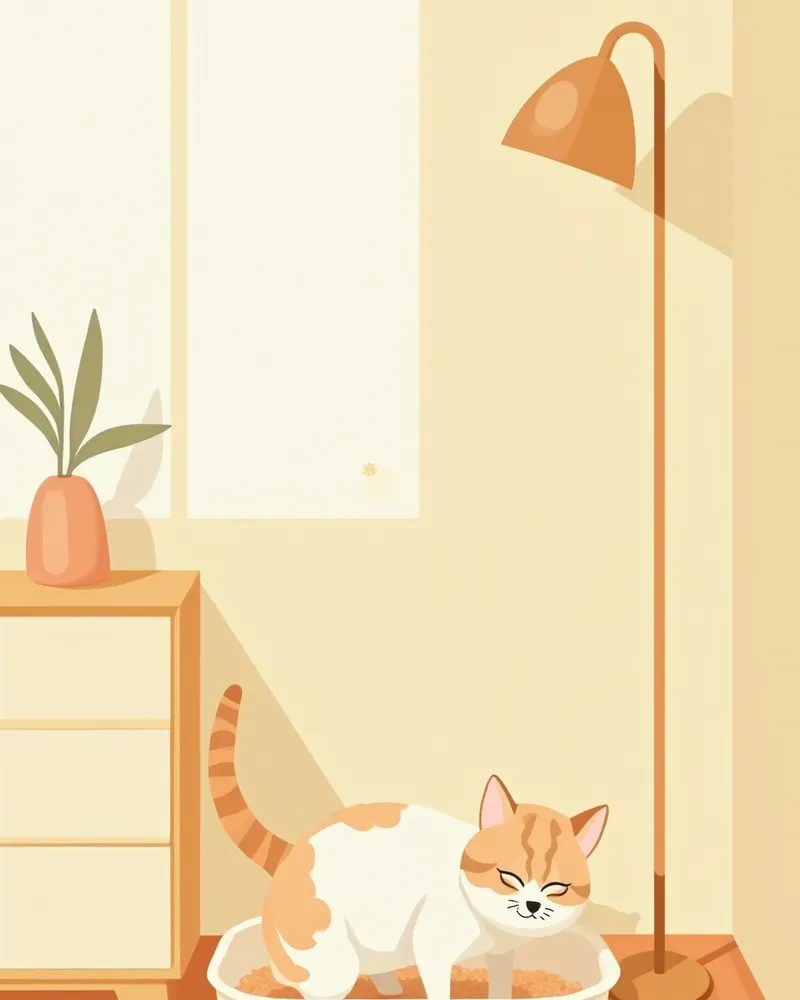
FIC (feline idiopathic cystitis) can be tricky for pet owners to distinguish on their own because its symptoms closely resemble those of urinary tract infections, bladder stones, and urethral obstructions. However, recognizing the key warning signs early can help ensure you don’t miss the right time to visit the vet. - Frequent urination: Your cat may visit the litter box often but pass only small amounts of urine. - Blood in the urine: The urine may appear pink or red. - Painful urination: Your cat may strain or cry while trying to urinate. - Inappropriate urination: Accidents may occur outside the litter box, such as on bedding or in the bathtub. - Excessive grooming: Your cat may repeatedly lick its lower abdomen or genital area. - Decreased appetite and hiding: Your cat may eat less and seek out hidden spots.
A cat entering the bathroom

Distinguishing FIC from Bladder Stones and Urethral Obstruction

ItemFIC (feline idiopathic cystitis)Bladder stonesUrethral obstruction
Bacterial infectionNonePossiblePossible
HematuriaCommonCommonCommon
Urine outputPossible (small amount)Possible (uncomfortable)Unable to pass at all
UrgencySee vet within 24 hoursSee vet within 24–48 hoursImmediate emergency
RecurrenceVery highMediumHigh in males

Even though the symptoms are similar, the causes and urgency differ. Accurate differentiation is done at the clinic with urinalysis and imaging.

How Is It Diagnosed at the Clinic?
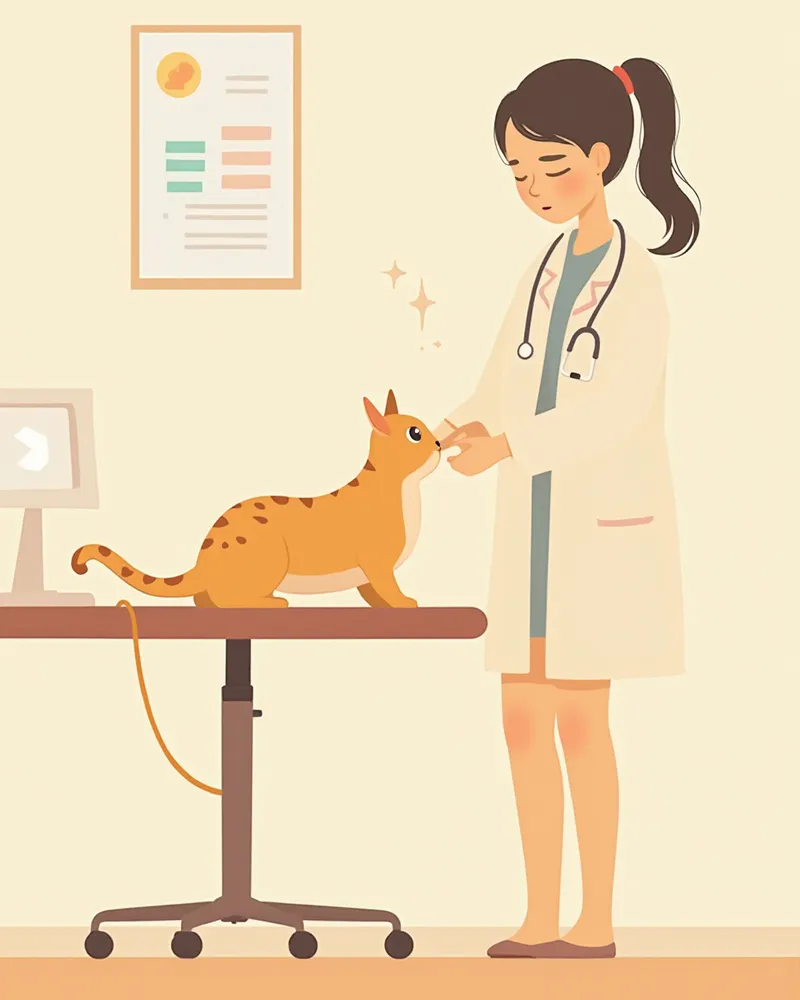
Feline idiopathic cystitis (FIC) is a diagnosis of exclusion, meaning it is confirmed only after other potential causes have been systematically ruled out. At the clinic, we perform urinalysis (including urine sediment examination and bacterial culture) to check for infections and crystals, and use ultrasound or X-rays to rule out bladder stones or tumors. If bacterial cultures are negative, no stones are present, and symptoms persist or recur, we diagnose FIC. Although this process may seem cumbersome, it is essential because the treatment approach varies significantly depending on the underlying cause.
A veterinarian performing a bladder ultrasound on a cat

These Signals Require Immediate Emergency Care!

If a male cat has been unable to urinate for more than 24 hours, there is a high risk of urethral obstruction. If he is crying and straining but not producing even a single drop of urine, if his lower abdomen is hard and distended, or if he appears lethargic and is vomiting, you must take him to a 24-hour veterinary clinic immediately before the critical window passes. If feline idiopathic cystitis (FIC) progresses to urethral obstruction, kidney damage and electrolyte imbalances can become life-threatening within just a few hours.

Key Points for Treatment and Home Management

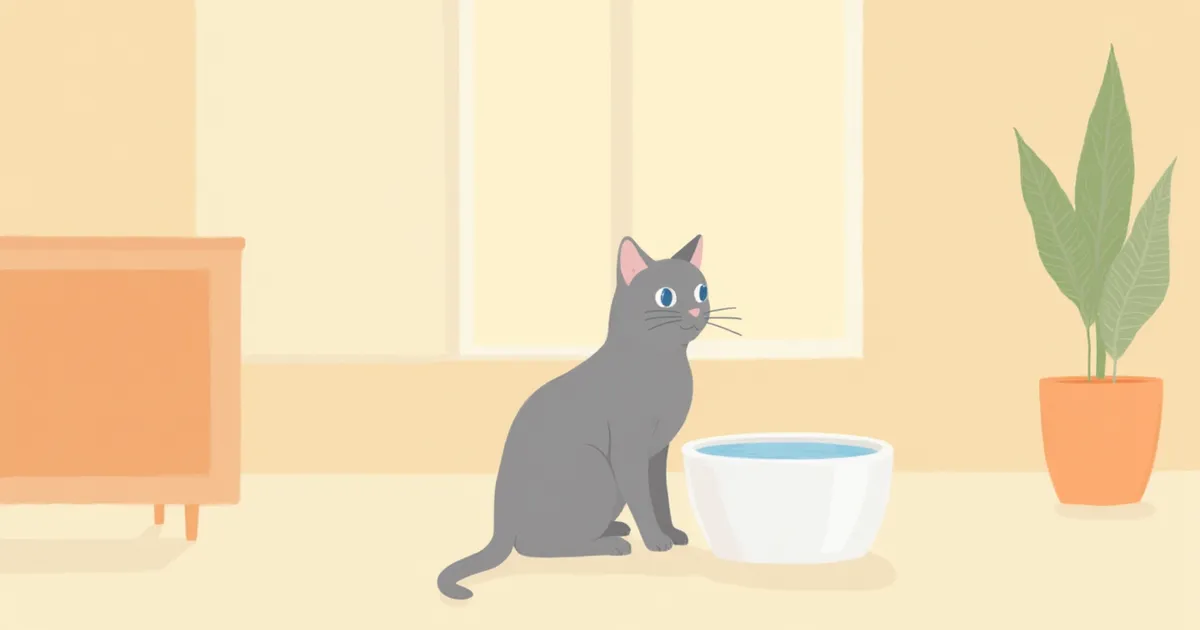
The goal for FIC is managing recurrences rather than achieving a complete cure. During acute episodes, veterinarians prescribe pain medication to control discomfort, and antibiotics are not used unless a bacterial infection is confirmed. Key home care measures include: - Increase water intake: Increase the proportion of wet food and place water bowls in multiple locations. - Reduce stress: Provide hiding spots and vertical spaces, such as cat trees. - Litter box environment: Provide one litter box per cat plus one extra, place them in quiet areas, and clean them daily. - Consistent routine: Maintain regular feeding and playtimes.
A cat-friendly home environment with multiple water bowls and a water purifier.

Lifestyle Tips to Reduce Recurrence

FIC is a self-limiting condition, but it tends to recur. Keep these practical tips in mind to reduce the frequency of flare-ups. - Manage conflict in multi-cat households: Distribute resources (food, water, and litter boxes) across different areas. - Weight management: Obesity is a risk factor for FIC. - Buffer environmental changes: Consider using pheromone products during moves, when new family members arrive, or when rearranging furniture. - Ensure adequate activity: Relieve stress through regular play sessions. - Regular check-ups: Schedule routine veterinary exams to monitor for recurrence.

Cats That Require Extra Caution

Cats that live exclusively indoors, are overweight or sedentary, are sensitive cats in multi-cat households, or primarily eat dry food are known to have a higher incidence of feline idiopathic cystitis (FIC). In particular, cats that experienced significant stress during kittenhood may remain susceptible to FIC even after reaching adulthood. If your cat falls into any of these categories, please implement careful environmental management proactively, even in the absence of symptoms.

Reviewed by a veterinarian

Dr. Tony — Punnawat Phongkittirak

Dr. Tony — Punnawat Phongkittirak

Veterinarian

A veterinarian who majored in veterinary medicine at Khon Kaen University, Thailand, and completed the IVSA program at North Carolina State University in the United States. Drawing on clinical experience at animal hospitals, he works in the pet healthcare field and is dedicated to building a digital care environment that connects pet parents with veterinarians.

Frequently Asked Questions

Does FIC require antibiotics to heal?
No. Since FIC is not caused by a bacterial infection, antibiotics are ineffective. Antibiotics are only used if bacteria are confirmed through a urine culture test. Instead, pain management and environmental adjustments are far more important.
Can FIC be cured?
Rather than being a condition that can be completely cured, it is more akin to a chronic disease where the focus is on managing recurrences. With consistent attention to hydration, stress management, and environmental improvements, you can help your pet enjoy long periods free of symptoms.
Will switching to wet food really help?
Yes, it can help. Veterinary textbooks often cite a diet primarily consisting of dry food as one of the risk factors for feline lower urinary tract symptoms. Because wet food has a higher moisture content, it naturally helps increase urine volume, making it more commonly recommended than a dry-food-based diet. However, when switching foods, it’s best to transition gradually over two to three weeks rather than making an abrupt change.
If a cat has FIC, can other diseases occur at the same time?
Yes, cats with FIC are prone to stress responses, which can lead to issues beyond the lower urinary tract, such as excessive grooming due to discomfort. It's best to manage their health from a whole-body perspective, not just focusing on the bladder.
Are males at higher risk?
While FIC itself reportedly affects males and females with similar frequency, male cats are at higher risk of developing urethral obstruction due to their narrower urethra. If a male cat shows signs of being unable to urinate, immediate emergency veterinary care is essential.

Share

Related Guides

References

[1] Little S., The Cat: Clinical Medicine and Management, 2nd Edition, Chapter 35 Lower Urinary Tract Disease

[2] Buffington CAT, Idiopathic Cystitis in Domestic Cats—Beyond the Lower Urinary Tract, J Vet Intern Med, 2011

[3] Rodan I. et al., A Professional's Guide to Feline Behaviour, 2014

[4] Thompson M., The Veterinary Workbook of Small Animal Clinical Cases, Case 14·18

This information is based on veterinary literature and does not replace diagnosis or treatment. Please consult a veterinarian for specific health concerns.

Metapet Co., Ltd. | CEO: Park Sung-yong | Business Reg. No. 417-88-02562 | Seoul, South Korea | Customer Center

Feline Idiopathic Cystitis (FIC): Causes, Signs & Management | Meongsiljang