Like
Share
멍실장
강아지 고양이 영양결핍 신호와 평가 방법

Is My Dog Nutritionally Deficient? — Easy-to-Miss Signs of Nutritional Deficiency and Assessment Methods

DigestiveQ&AMeongsiljang Veterinary Advisory Board

We’ve put together a comprehensive guide covering the key signs of nutritional deficiencies in dogs and cats, at-home assessment methods you can use to check for them, and clear guidelines on when it’s time to visit the vet.

What Is Nutritional Deficiency?
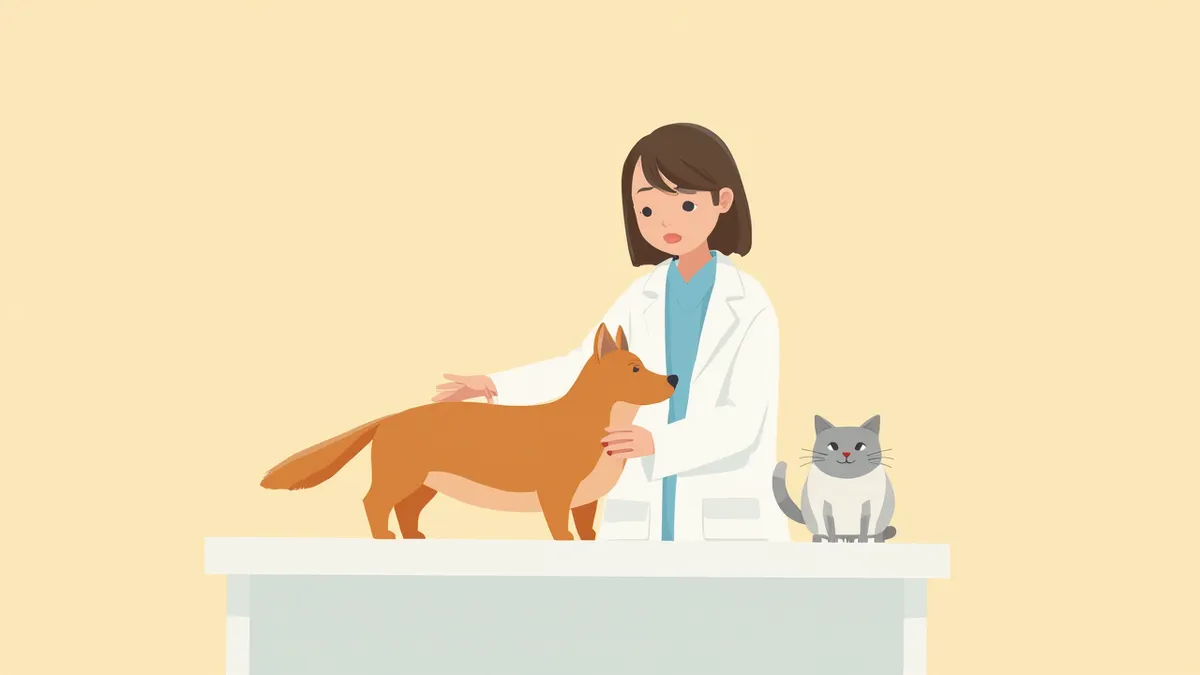
A veterinarian assessing the nutritional status of an underweight puppy and kitten.
Nutritional deficiencies in dogs and cats occur when there is an inadequate intake of essential calories, protein, vitamins, and minerals, leading to abnormalities in coat condition, body shape, and organ function. The most critical aspect is early detection. If your pet exhibits persistent dullness of the coat, weight loss, or lethargy, it is important to assess their nutritional status rather than attributing these signs merely to picky eating. Even with consistent feeding of commercially available complete pet food, deficiencies can still develop due to malabsorption issues or underlying medical conditions.

Why Does Nutritional Deficiency Occur?

Nutritional deficiencies arise through three main pathways: inadequate intake, malabsorption, and increased requirements. Picky eating or low-quality homemade diets can lead to insufficient nutrient intake. Even with adequate food consumption, conditions affecting the pancreas, liver, or intestines can impair nutrient absorption. During pregnancy, lactation, growth phases, or recovery from chronic illness, pets require more nutrients than usual, so even normal feeding may not meet their needs. Without identifying the underlying cause, simply switching supplements won’t resolve the issue.

7 Signs of Nutritional Deficiency to Check at Home

If two or more of the following signs appear simultaneously, suspect a nutritional deficiency.
Weight loss: A noticeable drop in body weight over a short period is a warning sign.
Coat changes: The fur becomes dry, brittle, and loses its shine.
Skin issues: Dandruff, itching, and slow wound healing occur.
Low energy: Your pet refuses walks or play and sleeps more than usual.
Muscle loss: The spine and ribs become visibly prominent.
Weakened immunity: Overall resistance declines, leading to frequent infections or easy development of skin wounds.
Delayed recovery: Minor wounds fail to heal properly.
A puppy with brittle, dull fur and visible ribs due to malnutrition

Criteria for Immediate Veterinary Visit

The following situations are unlikely to be resolved with simple nutritional supplementation and may indicate an underlying disease. A veterinary examination is necessary within 24 hours. - When rapid weight loss is observed over a short period - When a cat persistently refuses food voluntarily (risk of hepatic lipidosis) - When diarrhea or vomiting recurs, persists, or worsens - When hindlimb weakness occurs or is accompanied by seizures (suspected neurological abnormalities due to thiamine deficiency, or cardiac dysfunction due to taurine deficiency) - When the gums appear pale (indicating anemia)

Nutritional Status Assessment: How to Read the 9-Point BCS

You can check your pet’s Body Condition Score (BCS), as used in veterinary nutrition textbooks, right at home. Gently run both hands over the ribcage area, and observe the waistline from above and the abdominal tuck from the side. An ideal score of 4 to 5 means the ribs are lightly palpable and the waistline is visible. A score of 3 or below indicates undernutrition, while 6 or above indicates obesity. Rather than relying solely on the numbers, the tactile feedback from your hands provides a more accurate assessment.

Characteristics of Each Body Condition Score (BCS) Stage

ItemUnderweight (1–3)Ideal (4–5)Overweight (6–9)
Rib palpationBones easily felt with no fatFelt beneath a thin fat layerHard to feel due to thick fat
WaistlineMarkedly tucked in when viewed from aboveGentle hourglass shapeNo distinct waist
Abdominal tuckAbdomen strongly tucked up when viewed from the sideAbdomen slightly tucked upAbdomen sags
ResponseNeeds cause workup + nutritional correctionMaintain current feeding amountNeeds calorie restriction

Based on the 9-point BCS scale from veterinary nutrition textbooks

Nutritional Deficiency Tests Performed at the Vet

Veterinarians assess body condition and perform blood tests to check protein levels (albumin and total protein), electrolytes, and vitamin and mineral concentrations. A complete blood count (CBC) is conducted to evaluate for anemia, along with tests assessing liver, kidney, and pancreatic function. In cats, taurine levels are particularly important; even if fasting has lasted less than 24 hours, plasma taurine may be lower than normal, so testing whole blood provides more accurate results. If malabsorption is suspected, ultrasound is used to examine intestinal wall thickness and pancreatic condition. While dogs may also have their vitamin and mineral levels checked as needed, the key is identifying the underlying disease to achieve a true resolution.
A veterinarian drawing blood from a puppy for a blood test.

Nutritional Management Practices for Home

While addressing the underlying cause is the top priority, daily management is equally important.
Provide a complete and balanced diet: Base your pet’s meals on a complete food that meets the standards set by the Association of American Feed Control Officials (AAFCO).
Be cautious with homemade diets: Feeding only home-cooked meals can easily lead to deficiencies in calcium and taurine.
Regularly check portion sizes: Adjust the amount of food every one to two months based on changes in your pet’s weight and activity level.
Consult before using supplements: Self-prescribing supplements can result in an excess of certain nutrients.
Monitor water intake: Dehydration can also interfere with nutrient absorption.

Pay Special Attention to Cats

Cats have different nutritional needs than dogs. Feeding your cat dog food long-term can lead to taurine deficiency, which may cause heart problems (dilated cardiomyopathy) and retinal issues. Even short periods of loss of appetite or fasting can rapidly progress to fatty liver disease (hepatic lipidosis), posing a life-threatening risk. Sudden reduction of food for dieting purposes is also dangerous. Cats must be consistently fed a complete and balanced diet formulated specifically for them.

Reviewed by a veterinarian

Dr. Tony — Punnawat Phongkittirak

Dr. Tony — Punnawat Phongkittirak

Veterinarian

A veterinarian who majored in veterinary medicine at Khon Kaen University, Thailand, and completed the IVSA program at North Carolina State University in the United States. Drawing on clinical experience at animal hospitals, he works in the pet healthcare field and is dedicated to building a digital care environment that connects pet parents with veterinarians.

Frequently Asked Questions

Can a pet still develop a nutritional deficiency even if it eats its food well?
Yes, it’s possible. If your pet has intestinal, pancreatic, or liver disease, nutrient absorption can be impaired. During pregnancy, lactation, or recovery, nutritional needs increase, so the same amount of food may no longer be sufficient. What matters more than the amount of food fed is how well nutrients are absorbed and utilized.
I’d like to feed my pet homemade meals, but I’m worried about nutritional deficiencies.
Homemade diets often lack calcium, taurine, and vitamin E. For safety, it’s best to follow recipes developed by veterinary nutrition experts or to feed a complete and balanced commercial diet as the main food, using homemade meals only as a small supplement.
Will giving supplements resolve nutritional deficiencies?
It depends on the underlying cause. If the issue is simply a lack of intake, supplements can help. However, if there’s a malabsorption problem or an underlying disease, the supplements will just be excreted without being absorbed. A blood test is necessary to identify the root cause first.
Can a pet be malnourished even if their weight stays the same?
Yes, that’s possible. Even if your pet’s weight stays the same, they may be losing muscle mass while gaining fat, which can make their Body Condition Score (BCS) appear higher despite a potential protein deficiency. To assess this accurately, we need to palpate their muscles and check their blood protein levels.
How often should you check your pet’s body condition?
Regular body condition checks are important, and it’s especially helpful to monitor more frequently during life stages with changing nutritional needs, such as growth, senior years, or recovery from illness. For the most accurate tracking of changes, weigh your pet at the same time of day using the same scale.

Share

Related Guides

References

[1] Applied Veterinary Clinical Nutrition, 2nd Ed - Nutritional Assessment Chapter

[2] The Cat, Clinical Medicine and Management, 2nd Edition - Table 20.2 Nutrient Deficiencies

[3] BSAVA Manual of Canine and Feline Dermatology, 4th Ed - Nutritional Skin Disease

[4] Nutrient Requirements of Dogs and Cats (NRC) - Nutrient Requirements and Dietary Concentrations

This information is based on veterinary literature and does not replace diagnosis or treatment. Please consult a veterinarian for specific health concerns.

Metapet Co., Ltd. | CEO: Park Sung-yong | Business Reg. No. 417-88-02562 | Seoul, South Korea | Customer Center

Is My Dog Nutritionally Deficient? Signs & How to Assess | Meongsiljang