

Dog Oral Care Product Comparison FAQ — Key Points for Pet Owners
Here’s a roundup of the most common questions we get when choosing oral care products for dogs. We’ll walk you through everything you need to know about effectiveness, safety, and proper use.
Why are dog oral care products necessary?

What are the main ingredients in oral care products?

Which products are the most effective?
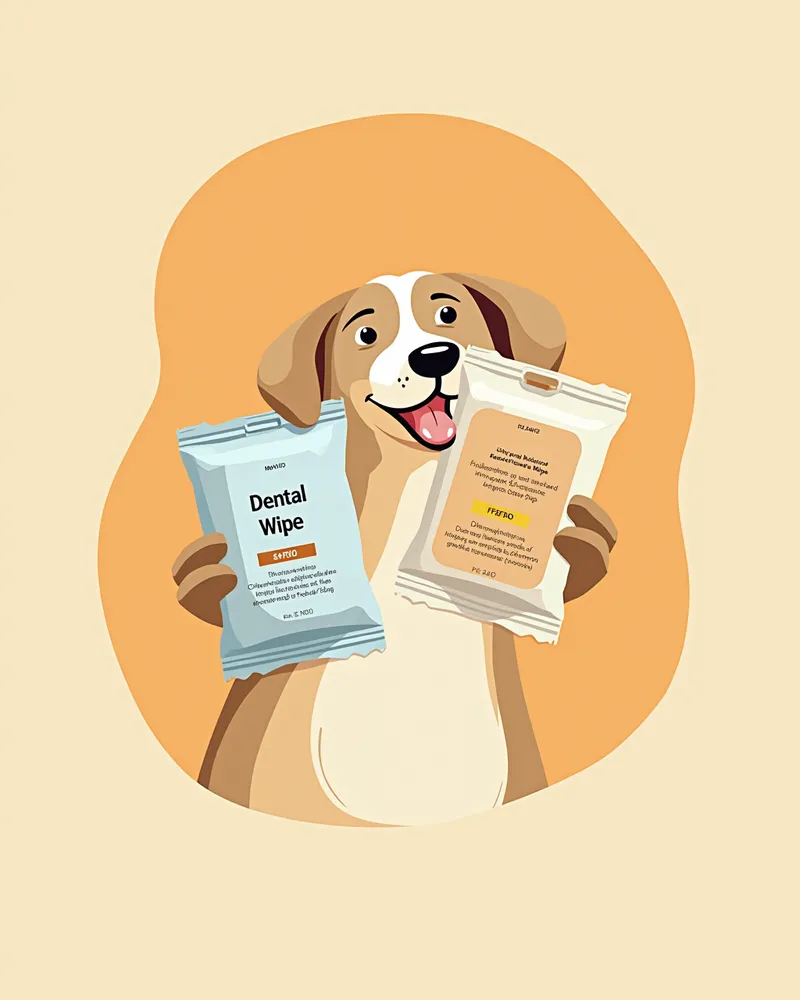
Comparison Table of Oral Care Product Types
| Item | Chlorhexidine Products | Natural Ingredient Products | Oral Spray |
|---|---|---|---|
| Main Ingredients | Chlorhexidine, alcohol | Tea tree oil, glucosamine, enzymes | Water, tea tree oil, glucosamine |
| Onset Speed | Fast | Moderate | Slow |
| Side Effect Risk | Moderate (pigmentation) | Low | Very low |
| Ease of Use | Moderate (hands get wet) | High (spray) | Very high (spray) |
Chlorhexidine products are highly effective but require caution with long-term use. Natural ingredient products have high safety but may work slowly.
How should oral care products be used?
Caution: Avoid Overuse
Oral rinse products vary in their recommended frequency of use, so always check the instructions. Some products, such as those containing 0.13% chlorhexidine, are labeled for daily use after meals. For safety, follow the label directions exactly without arbitrarily increasing or decreasing the frequency. When applying the product, be careful not to let the bottle opening come into direct contact with the gums.
Precautions by Dog Breed

Reviewed by a veterinarian

Dr. Tony — Punnawat Phongkittirak
VeterinarianA veterinarian who majored in veterinary medicine at Khon Kaen University, Thailand, and completed the IVSA program at North Carolina State University in the United States. Drawing on clinical experience at animal hospitals, he works in the pet healthcare field and is dedicated to building a digital care environment that connects pet parents with veterinarians.
Reviewed 2026-06-29
Frequently Asked Questions
Do oral rinse products have the same effect as brushing your teeth?
Is it safe for my pet to swallow oral rinse products?
When should I start using oral hygiene products?
Will using oral hygiene products eliminate bad breath?
What should I do if my dog refuses the oral rinse product after I apply it?
Share
Related Guides
7 Best Cat Dental Chews for Tartar Prevention Recommended by Veterinarians and Selection Criteria
Top 5 Recommended Dental Treats for Dogs in 2026 — VOHC Certification Criteria

7 Criteria for Choosing Dog Tartar Prevention Dental Chews Recommended by Veterinarians
Why Does Anemia Occur in Cats with Kidney Disease? — Causes of EPO Deficiency and Treatment Timing

Feline Pyelonephritis: Warning Signs You Must Not Miss — Key Facts on Bacterial Kidney Infection
Is Your Puppy’s Heart Murmur a Ventricular Septal Defect? — Symptoms, Diagnosis, and Management
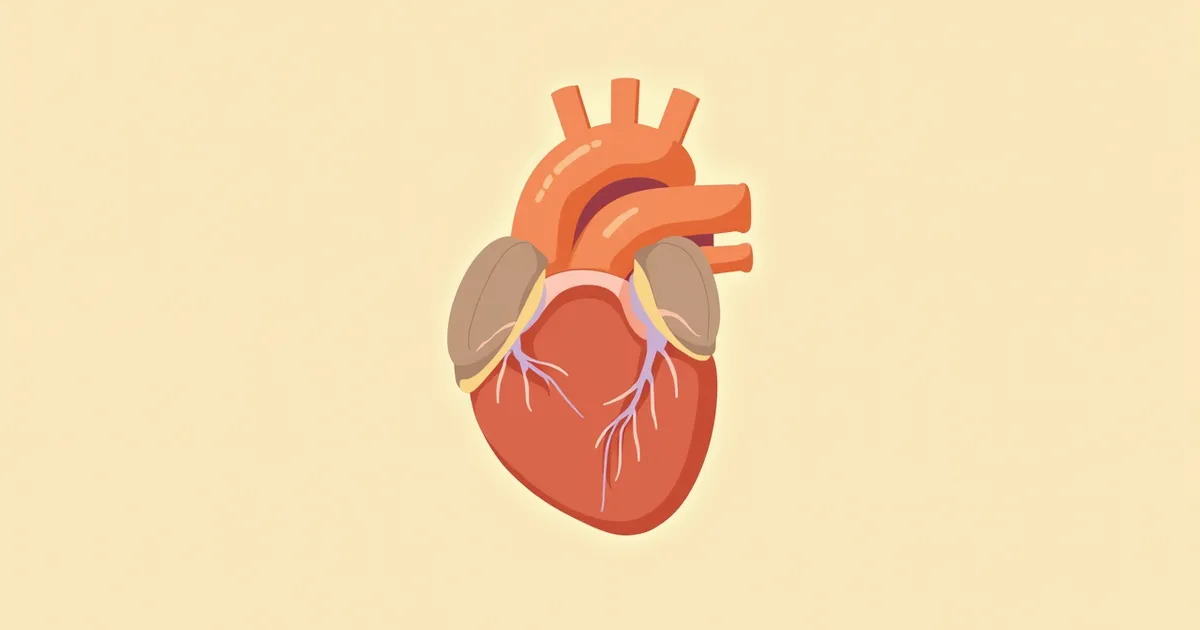
What is Canine Tricuspid Valve Dysplasia? — Congenital Heart Malformation, Symptoms, and When to Seek Veterinary Care
Complete Guide to Pulmonary Artery Stenosis in Dogs — From Symptoms to Surgical Treatment Timing

What is Patent Ductus Arteriosus (PDA) in Puppies? — Treatment and Surgical Timing
Dog Mitral Valve Disease (MVD) FAQ — Key Information Every Pet Owner Should Know
References
[1] Bourdeau P, Bruet V, Roussel A et al. (2011) Comparative efficacy of two shampoos containing an azole derivative to decrease clinical signs and Malassezia pachydermatis counts in basset hounds: a comparative blinded, randomized trial. Veterinary Dermatology 22, 46.
[2] Catarino M, Combarros-Garcia D, Mimouni P et al. (2018) Control of canine idiopathic nasal hyperkeratosis with a natural skin restorative balm: a randomized double-blind placebo-controlled study. Veterinary Dermatology 29, 134-138.
[3] Rawlings, J.M., Gorrel, C., and Markwell, P.J. (1998). Effect on canine oral health of adding chlorhexidine to a dental hygiene chew. J. Vet. Dent. 15 (3): 129–134.