Like
Share
멍실장
강아지 항문주위선 종양 자주 묻는 질문 Q&A — 보호자가 꼭 알아야 할 핵심

A Lump on Your Dog’s Butt? — Benign vs. Malignant Perianal Gland Tumors and How to Handle Them

Oncology/CancerQ&AMeongsiljang Veterinary Advisory Board

Perianal gland tumors in dogs are common benign growths, but if left untreated, they can progress to malignant forms. Here’s a summary of the key information every pet owner should know.

What Are Perianal Gland Tumors in Dogs?
Anatomy of the dog's anal glands
Perianal gland tumors in dogs arise from modified sebaceous glands (circumanal glands) located around the anus. The most common type in dogs is the benign perianal gland adenoma, which is non-cancerous. Cats lack these circumanal glands, so this tumor is rare in them and primarily occurs in dogs. It is more frequently seen in older dogs, especially intact males, because tumor growth is influenced by male hormones (androgens). In the early stages, the tumors are small and asymptomatic, but as they grow, they can cause pain or discomfort during defecation. If the tumor enlarges further, the skin may rupture or become infected. This is a sign that owners should monitor closely.

Why Do Perianal Gland Tumors Develop?

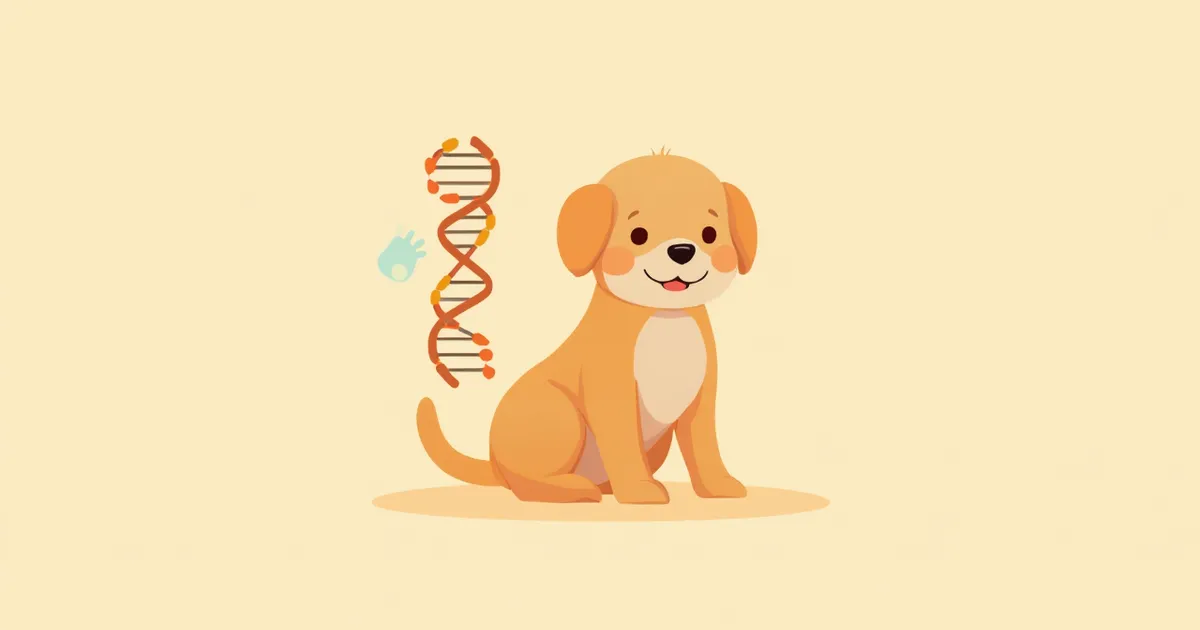
Although the exact cause remains unclear, most perianal adenomas are known to grow in response to stimulation by male hormones (androgens). As a result, intact males are at higher risk, and tumors often shrink (regress) after castration. In contrast, some malignant tumors, such as perianal adenocarcinomas, are not hormone-dependent and should be suspected even in neutered males. These conditions also become more common with age, particularly in older intact males. Thus, hormonal status and age are key risk factors, underscoring the importance of confirming neuter status and performing regular monitoring for effective management.
The relationship between male dogs' sex hormones and perianal gland tumors

What Are the Main Symptoms?

The most common sign of a perianal gland tumor is a lump or mass around the anus. As the tumor grows, it can cause pain during defecation, blood in the stool, and changes in bowel habits. If the tumor ruptures or becomes infected, it may produce a foul odor, redness, or discharge. Some dogs may lick or scratch the affected area, which is a sign of pain or discomfort. Daily observation after bowel movements is important for early detection.
Pain during defecation caused by perianal gland tumors

Can Perianal Gland Tumors Be Malignant?

Most of these growths are benign, non-cancerous tumors, but some can progress to become malignant. They are more likely to be malignant if the tumor grows rapidly, invades the skin, or spreads to the lymph nodes. A veterinarian must perform a biopsy to make an accurate diagnosis. Early detection and treatment are key to preventing malignant metastasis. If the condition becomes malignant, treatment can become more complex. Therefore, it is essential to visit the clinic promptly if any symptoms appear.
Histopathology images of anal gland tumors

Criteria for Distinguishing Benign vs. Malignant Tumors

ItemBenign TumorMalignant Tumor
Growth RateSlowFast
MarginsWell-definedBlurred
Lymph Node MetastasisNonePresent
Skin InvasionNonePresent

A biopsy is essential for an accurate diagnosis.

What Are the Accurate Diagnostic Methods?

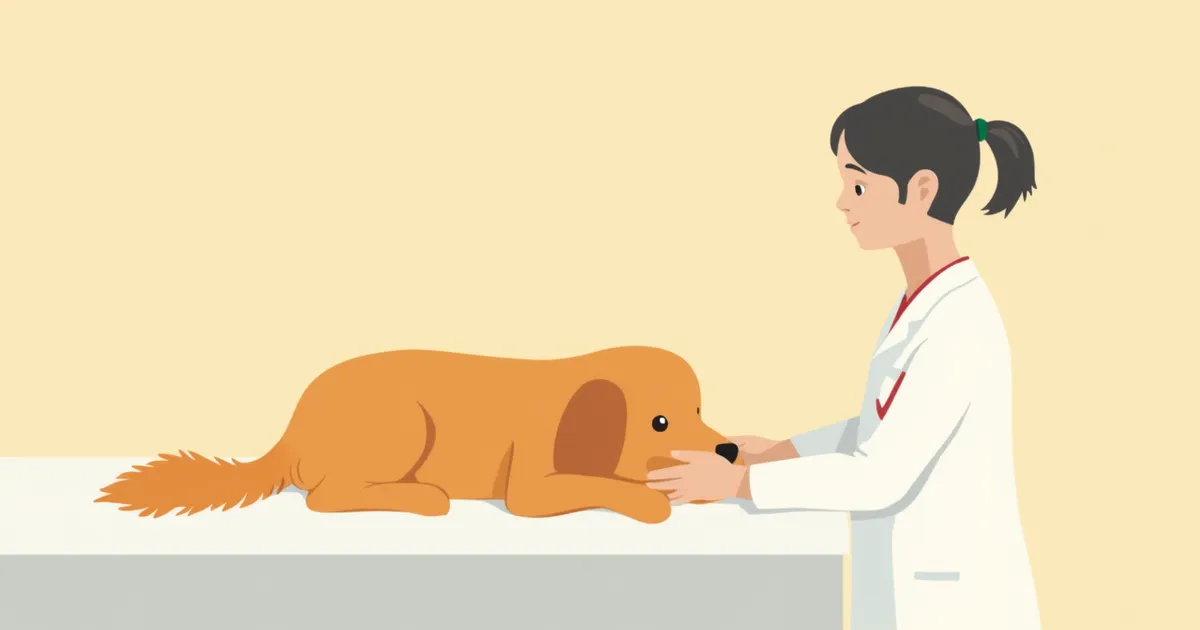
The veterinarian first performs a physical examination to assess the tumor’s size, location, and boundaries. A tissue biopsy is then conducted to collect cells for microscopic analysis. If necessary, ultrasound or CT scans are used to check for metastasis to the lymph nodes or internal organs. Biopsy is essential for accurate diagnosis and developing a treatment plan. Multiple tests are performed in parallel to determine the nature of the tumor. This process is crucial in determining the direction of treatment.
Biopsy procedure for perianal gland tumors

What Are the Treatment Options?

The most effective treatment is surgical removal of the tumor. In most cases, complete excision can lead to a cure. Because perianal gland tumors are influenced by male hormones, castration is a key treatment for intact males. - Castration: Perianal gland tumors grow in response to androgen stimulation, so castration can help shrink (regress) the tumor. - Surgical excision: Surgery is appropriate when the tumor is small, well-defined, and has not invaded surrounding tissues. - Radiation therapy: Radiation therapy has also been reported to be effective for perianal gland tumors. - Post-operative care: Manage infection and pain to support recovery. If a biopsy confirms malignancy (adenocarcinoma), additional treatments such as chemotherapy may be considered. Regular follow-up examinations are necessary to monitor for recurrence.
A puppy recovering from surgery for an anal gland tumor

Signs That Require an Immediate Vet Visit

If the tumor grows rapidly, or if you notice bleeding, foul-smelling discharge, difficulty defecating, or signs of pain, consult your veterinarian immediately. These symptoms may indicate malignant spread or infection, so prompt action is essential.

Reviewed by a veterinarian

Dr. Tony — Punnawat Phongkittirak

Dr. Tony — Punnawat Phongkittirak

Veterinarian

A veterinarian who majored in veterinary medicine at Khon Kaen University, Thailand, and completed the IVSA program at North Carolina State University in the United States. Drawing on clinical experience at animal hospitals, he works in the pet healthcare field and is dedicated to building a digital care environment that connects pet parents with veterinarians.

Frequently Asked Questions

Are anal gland tumors cancerous?
Most of these growths are benign or non-cancerous tumors, but some can progress to become malignant. A biopsy is necessary for an accurate diagnosis.
What is the likelihood of the condition recurring after surgery?
If the tumor is completely removed through surgery, the likelihood of recurrence is low. However, regular check-ups are still necessary.
Can senior dogs undergo surgery?
We'll decide after evaluating your pet's overall health. Age alone isn't a contraindication for surgery.
Can anal gland tumors be prevented?
Anal gland tumors are influenced by male hormones, so neutering male dogs can help reduce the risk of developing them. Additionally, early detection through regular health check-ups is important.
What are the post-surgery care tips?
Keep the surgical site clean, walk your pet carefully, and administer medications exactly as directed by your veterinarian.

Share

Related Guides

References

[1] Veterinary Surgical Oncology, 2nd Ed. Cotter, S.M. et al., 2002

[2] Plumb's Veterinary Drug Handbook, 9th Ed. Plumb, D.C., 2021

[3] Textbook of Veterinary Internal Medicine, 8th Ed. Ettinger, S.J. et al., 2017

This information is based on veterinary literature and does not replace diagnosis or treatment. Please consult a veterinarian for specific health concerns.

Metapet Co., Ltd. | CEO: Park Sung-yong | Business Reg. No. 417-88-02562 | Seoul, South Korea | Customer Center

A Lump on Your Dog's Butt? Benign vs. Malignant Tumors | Meongsiljang