

When is the kitten socialization period? — Key points to cover between 2 and 7 weeks
The socialization period for kittens is a short but crucial time, concentrated between 2 and 7 weeks of age. During this period, exposure to various stimuli helps establish a stable temperament for life.
Why is the kitten socialization period a 'golden time'?

How is it different from dogs? Characteristics of the cat socialization period
Kitten behavioral development chart by stage
| Item | Neonatal period (0-2 weeks) | Transitional period (around 3 weeks) | Socialization period (2-7 weeks) | Juvenile period (8 weeks~6 months) |
|---|---|---|---|---|
| Key changes | Eyes/ears closed, dependent on nursing | Eyes/ears open, first steps | Imprinting on people, animals, environment | Development of independence and territoriality |
| Core tasks | Warmth and nursing | Adapting to sensory stimuli | Positive exposure to varied stimuli | Regulating hunting instinct through play |
| Caregiver role | Support the mother | Provide a quiet environment | Active handling and exposure | Teaching rules and considering neutering |
Source: Compiled from Beaver BV, Feline Behavior (2003) and Houpt KA, Domestic Animal Behavior (2018)
Stimuli that must be experienced during the socialization period
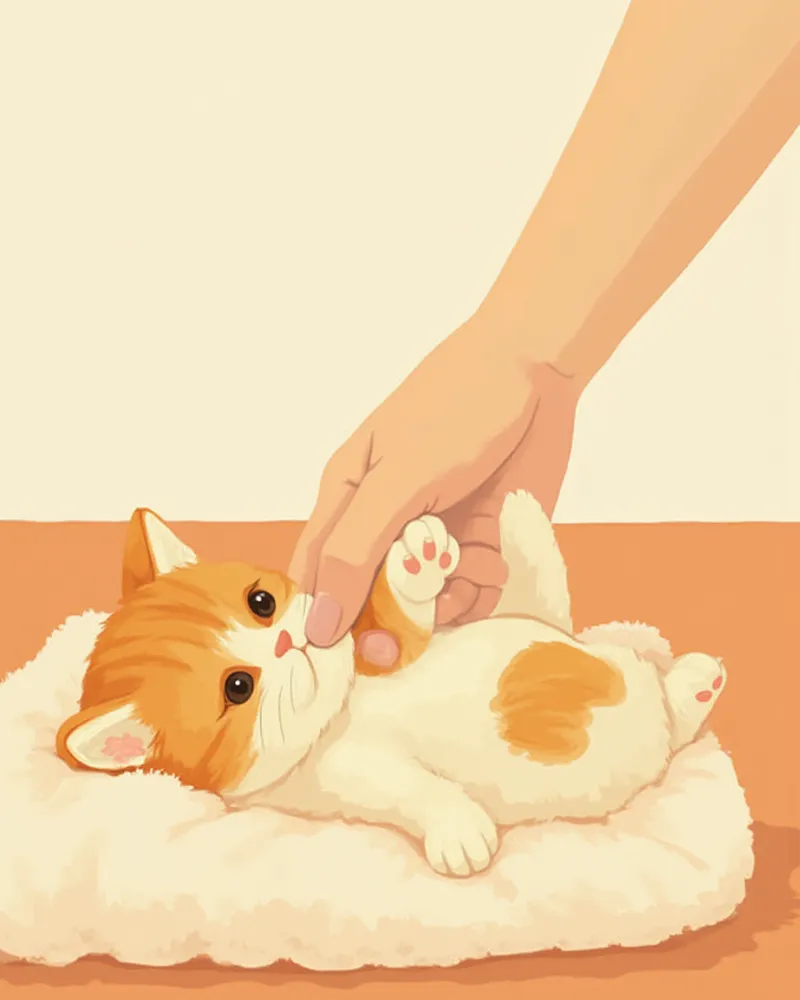
Things to absolutely avoid during the socialization period
Forcibly restraining a cat or startling it with loud noises can actually imprint trauma. Negative early experiences can significantly hinder later socialization and lead to lifelong fear responses. Exposing a cat to overwhelming stimuli all at once (flooding) can be even more detrimental to socialization and should be strictly avoided. Additionally, separating a kitten from its mother and littermates too early can impair its ability to socialize with other cats. Veterinary guidelines recommend keeping kittens with their family for at least eight weeks.
What problems arise if socialization fails?
I adopted an adult cat that wasn't socialized
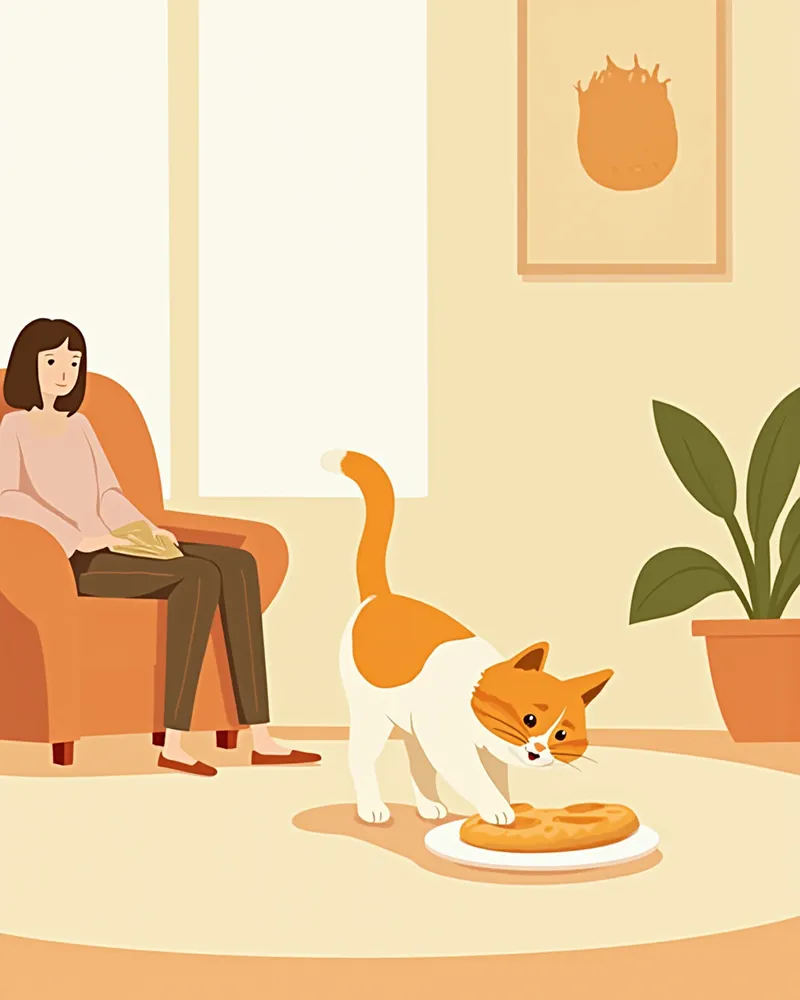
How to handle socialization before vaccinations are complete?
Kitten vaccinations typically begin around 8 weeks of age and are completed by about 16 weeks. However, a kitten’s critical socialization window generally closes by around 7 weeks, and at the latest by 9 weeks. Therefore, avoiding all socialization until vaccinations are complete is not advisable. Even before the vaccination series is finished, there are plenty of safe indoor socialization activities you can do. Prioritize positive experiences such as introducing various visitors, exposing your kitten to common household sounds like vacuum cleaners, doorbells, and televisions, and helping them become comfortable with their carrier. However, for safety reasons, postpone activities that carry a risk of infection, such as going outdoors or direct contact with other animals, until after the vaccinations are complete.
Reviewed by a veterinarian

Dr. Tony — Punnawat Phongkittirak
VeterinarianA veterinarian who majored in veterinary medicine at Khon Kaen University, Thailand, and completed the IVSA program at North Carolina State University in the United States. Drawing on clinical experience at animal hospitals, he works in the pet healthcare field and is dedicated to building a digital care environment that connects pet parents with veterinarians.
Reviewed 2026-04-26
Frequently Asked Questions
Can kittens rescued without their mother still be socialized?
Is it true that cats who miss their socialization window can never be socialized?
What should I keep in mind when bringing a new kitten into a home with multiple cats?
If you had to pick just one week as the most important for kitten socialization, which would it be?
Share
Related Guides

7 Behavioral Enrichment Strategies for Mental Stimulation Recommended by Veterinarians

Top 5 Calming Supplements for Dogs and Cats in 2026

L-Theanine Effects and Calming Support

Frequently Asked Questions About Rabies Vaccination for Cats — Key Points Every Pet Owner Should Know

Cat Age Conversion Formula FAQ — Key Information Every Owner Must Know

Cat Neutering Surgery Optimal Timing FAQ — Key Points Every Pet Owner Should Know
Cat Nail Care FAQ — Key Points Every Owner Must Know

Cat Basic Vaccination Schedule FAQ — Key Points Every Owner Must Know

Indoor Safety Checks for Cats: Frequently Asked Questions — Key Points Every Owner Must Know
Cat External Parasite Prevention (Ticks & Fleas) FAQ — Key Information for Pet Owners
References
[1] Horwitz D., Mills D. (eds.), BSAVA Manual of Canine and Feline Behavioural Medicine, 2nd Edition, BSAVA, 2009
[2] Landsberg G., Hunthausen W., Ackerman L., Behavior Problems of the Dog and Cat, 3rd Edition, Saunders Elsevier, 2013
[3] Beaver B.V., Feline Behavior: A Guide for Veterinarians, 2nd Edition, Saunders, 2003
[4] Houpt K.A., Domestic Animal Behavior for Veterinarians and Animal Scientists, 6th Edition, Wiley-Blackwell, 2018