Like
Share
멍실장
강아지 간 질환과 응고 이상 자주 묻는 질문 Q&A — 보호자가 꼭 알아야 할 핵심

Will My Dog’s Bleeding Not Stop If Their Liver Is Bad? — Q&A on Coagulation Abnormality and Bleeding Signs

Liver HealthQ&AMeongsiljang Veterinary Advisory Board

Liver disease in dogs can be accompanied by coagulation abnormalities. Here’s a summary of the key questions and responses that pet owners should know.

What Is the Relationship Between Liver Disease and Coagulation Abnormalities in Dogs?
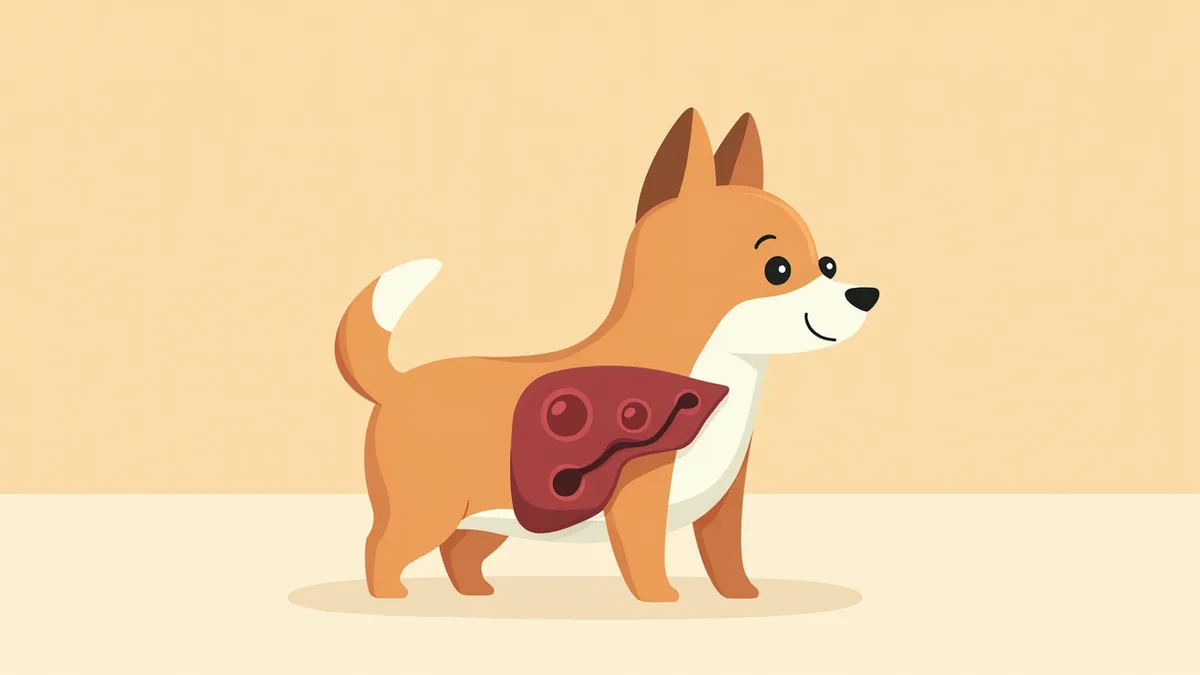
An illustration explaining the relationship between a damaged dog liver and coagulation disorders
Liver disease and coagulation disorders are closely linked in dogs. The liver is a vital organ responsible for producing the proteins necessary for blood clotting. When liver function declines, clotting factors become insufficient, leading to a tendency for bleeding. This condition is known as hepatic coagulopathy. It can be caused by conditions such as hepatitis, cirrhosis, or liver cancer. Symptoms may include bruising on the skin, nosebleeds, bloody stools, or bleeding that does not stop easily. Immediate consultation with a veterinarian is essential.

What Symptoms Are Signs of Liver Disease and Coagulation Abnormalities?

The early signs of liver disease and coagulation disorders in dogs are often asymptomatic. However, as the condition progresses, symptoms such as lethargy, loss of appetite, vomiting, diarrhea, jaundice (yellowing of the eyes and lips), abdominal swelling, skin bruising, nosebleeds, and bloody stools may appear. In particular, if sudden bruising occurs or bleeding does not stop, immediate veterinary attention is required. These are signs of a deficiency in clotting factors. The veterinarian will assess clotting time and liver enzyme levels through blood tests.
A puppy showing signs of jaundice and anemia

What Should You Do First If a Coagulation Abnormality Is Suspected?
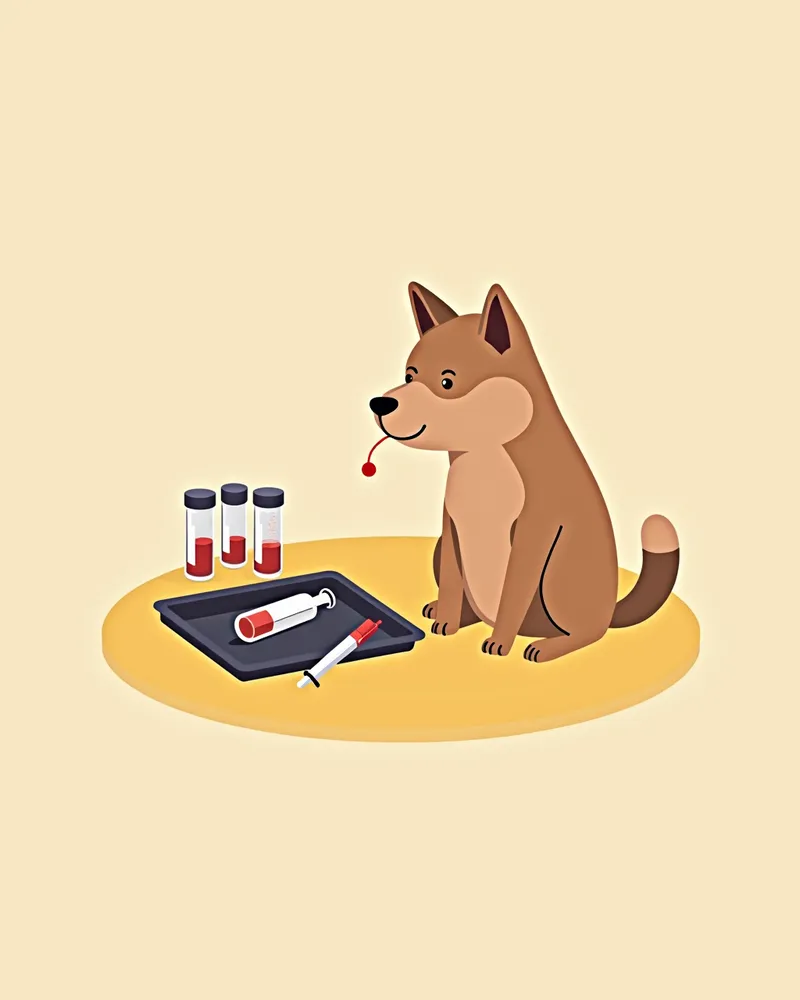
If a clotting disorder is suspected, the first and most important step is to consult your veterinarian immediately. Attempting to self-diagnose or delaying care at home can significantly increase the risk to your pet’s life. Your veterinarian will identify the underlying cause through blood tests, liver function tests, and coagulation profiles (PT and aPTT). - Liver dysfunction: When the liver fails to produce adequate clotting factors, the risk of bleeding increases. - Clotting factor deficiency: This can be addressed through plasma transfusions. - Interpreting coagulation test results: Your veterinarian will evaluate these results in the context of your pet’s overall health. It is essential to obtain an accurate diagnosis before initiating treatment.
A veterinarian drawing blood from a puppy.

Comparison of Major Symptoms of Liver Disease and Coagulation Abnormalities

ItemLiver Disease RelevanceCoagulation Disorder Relevance
Frequent skin bruisingHighHigh
Frequent nosebleedsMediumHigh
Bloody stool presentHighHigh
Fatigue and weaknessHighMedium
Jaundice (yellow eyes/lips)HighLow

Coagulation disorders are characterized by bleeding symptoms and are closely related to decreased liver function.

What Are the Causes of Liver Disease and Coagulation Abnormalities?
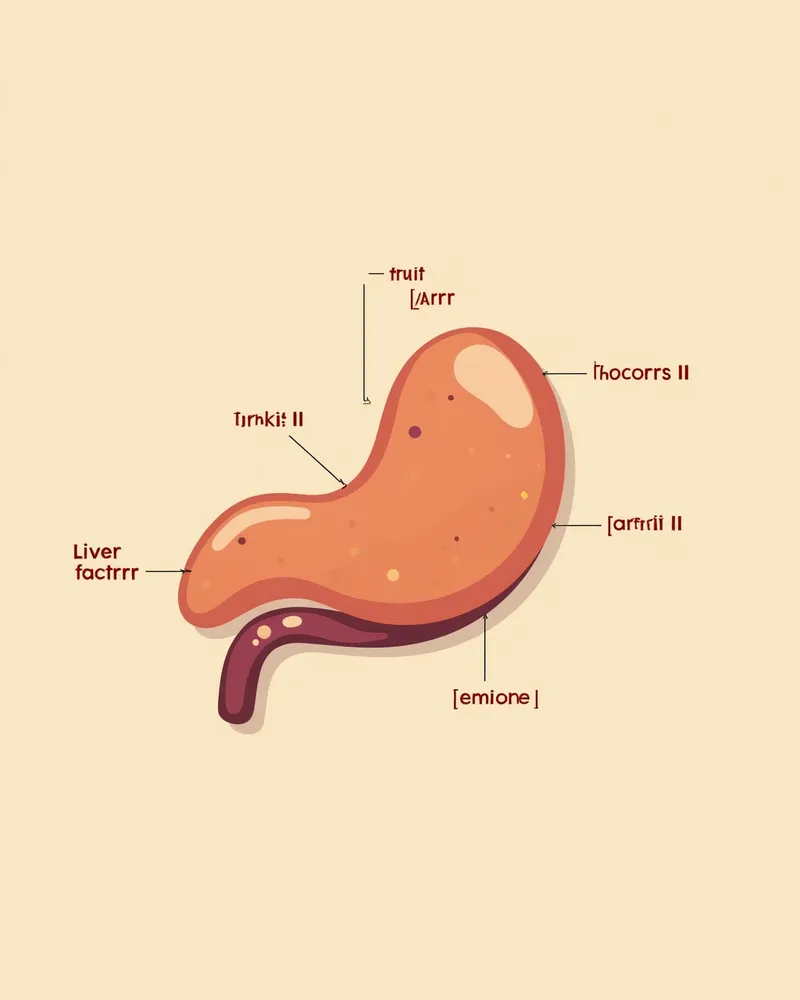
There are many potential causes of liver disease and coagulation disorders in dogs. Primary liver conditions such as hepatitis (inflammatory or infectious), cirrhosis, liver tumors, and toxic liver injury can all be underlying causes. Severe liver disease impairs the liver’s ability to produce clotting factors, which can lead to secondary hemostatic disorders characterized by a bleeding tendency. Additionally, conditions that reduce blood flow to the liver, such as portosystemic shunts, can also affect the production of clotting proteins. Coagulation abnormalities arise when declining liver function results in either a deficiency or abnormal production of clotting factors. Accurately identifying the underlying cause is the first step toward effective treatment.
A diagram explaining the process by which the liver produces clotting factors.

Immediate Veterinary Visit Is Necessary If a Coagulation Abnormality Is Suspected

If your dog suddenly develops bruises, nosebleeds, bloody stools, or bleeding that won’t stop, seek veterinary care immediately. These signs may indicate a life-threatening clotting disorder. A veterinarian needs to perform coagulation and liver function tests to identify the underlying cause and begin treatment. Delaying care can lead to fatal hemorrhage.

What Are the Treatment Methods?
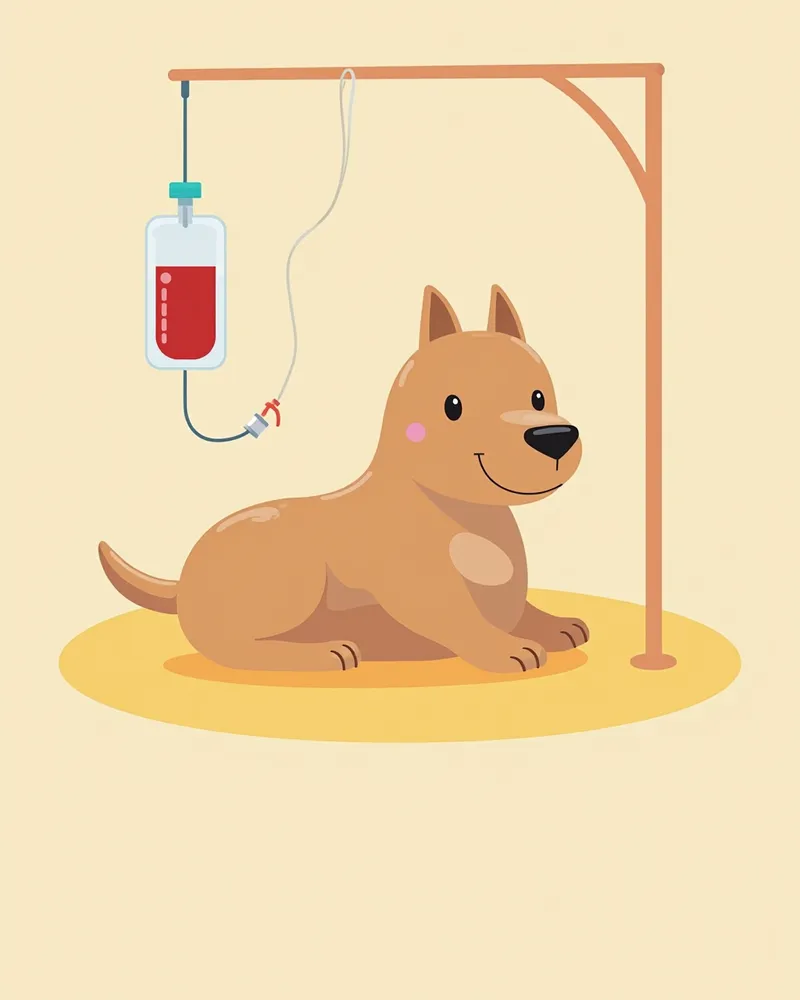
Treatment depends on the underlying cause. For hepatitis, we use anti-inflammatory or immunosuppressive medications, while drug toxicity requires detoxification therapy. - Coagulation factor supplementation: Plasma transfusions help restore clotting function. - Hepatoprotective agents: Medications are available to prevent further liver cell damage and support recovery. - Nutritional management: A low-fat, high-protein diet helps reduce the burden on the liver. - Regular monitoring: Ongoing tests are necessary to assess treatment efficacy and make adjustments as needed. The treatment duration can vary from several weeks to several months.
A veterinarian administering a plasma transfusion to a puppy.

What Management Methods Can Owners Perform?
Owner care plays a crucial role. First, strictly follow your veterinarian’s prescriptions. Do not miss any medication doses, and ensure regular check-ups are completed. Choose a low-fat, high-protein diet that is gentle on the liver. Reducing stress and managing activity levels can also be helpful. Additionally, only use medications, supplements, or herbal products after consulting with your veterinarian. If liver function deteriorates, treatment becomes significantly more difficult.
A puppy enjoying a meal that’s good for its liver.

Reviewed by a veterinarian

Dr. Tony — Punnawat Phongkittirak

Dr. Tony — Punnawat Phongkittirak

Veterinarian

A veterinarian who majored in veterinary medicine at Khon Kaen University, Thailand, and completed the IVSA program at North Carolina State University in the United States. Drawing on clinical experience at animal hospitals, he works in the pet healthcare field and is dedicated to building a digital care environment that connects pet parents with veterinarians.

Frequently Asked Questions

If my dog gets bruises easily, could it be a sign of liver problems?
Yes, if your pet frequently develops bruises or has difficulty stopping bleeding, it could indicate liver dysfunction or a clotting disorder. Please consult your veterinarian immediately.
Does poor liver function lead to impaired blood clotting?
Yes, the liver is the organ responsible for producing the proteins needed for blood clotting. When liver function declines, there’s a shortage of clotting factors, which can lead to a tendency to bleed.
Can clotting disorders be treated?
Yes, depending on the underlying cause, improvement can be achieved through supplementation of clotting factors (plasma transfusion), medication, and dietary management. Early diagnosis leads to better treatment outcomes.
Can I give my dog a liver supplement?
A veterinarian’s prescription is required. Supplements should only be used when appropriate based on liver function, as improper use can lead to side effects.
Are liver diseases caused by genetics?
Certain breeds may have a genetic predisposition to clotting and hemostatic disorders. For example, American Cocker Spaniels can be affected by platelet storage pool disease, and Basset Hounds may develop thrombopathia—both are well-documented hereditary bleeding disorders specific to those breeds. If your dog has a family history of such conditions or shows frequent bruising and bleeding from a young age, it’s best to consult your veterinarian for appropriate testing.

Share

Related Guides

References

[1] Plumb's Veterinary Drug Handbook, 9th Edition, 2022

[2] Fundamentals of Veterinary Clinical Pathology, 3rd Edition, 2020

[3] Notes on Canine Internal Medicine, 4th Edition, 2019

This information is based on veterinary literature and does not replace diagnosis or treatment. Please consult a veterinarian for specific health concerns.

Metapet Co., Ltd. | CEO: Park Sung-yong | Business Reg. No. 417-88-02562 | Seoul, South Korea | Customer Center

Bad Liver, Bleeding That Won't Stop? Dog Clotting Q&A | Meongsiljang