Like
Share
멍실장
강아지 황달 자주 묻는 질문 Q&A — 보호자가 꼭 알아야 할 핵심

What is canine jaundice? — Key points to check if the eyes and gums are yellow

Liver HealthQ&AMeongsiljang Veterinary Advisory Board

Jaundice in dogs is an important sign of liver dysfunction. Here are the key questions and answers that pet owners should know.

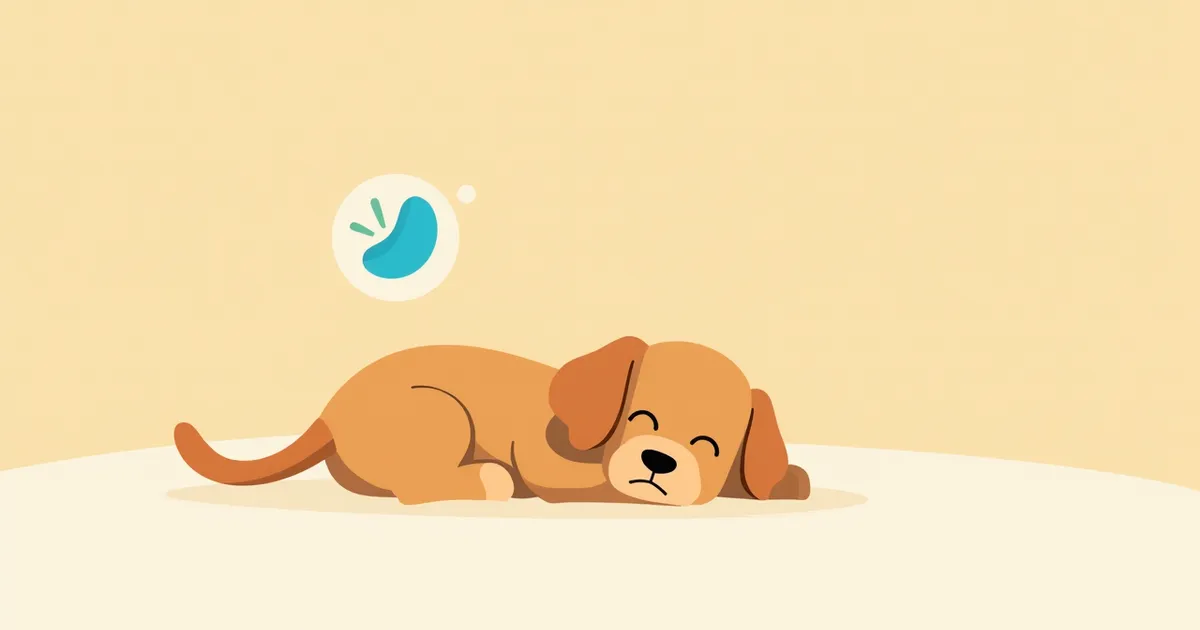
Canine jaundice is an important sign of liver dysfunction
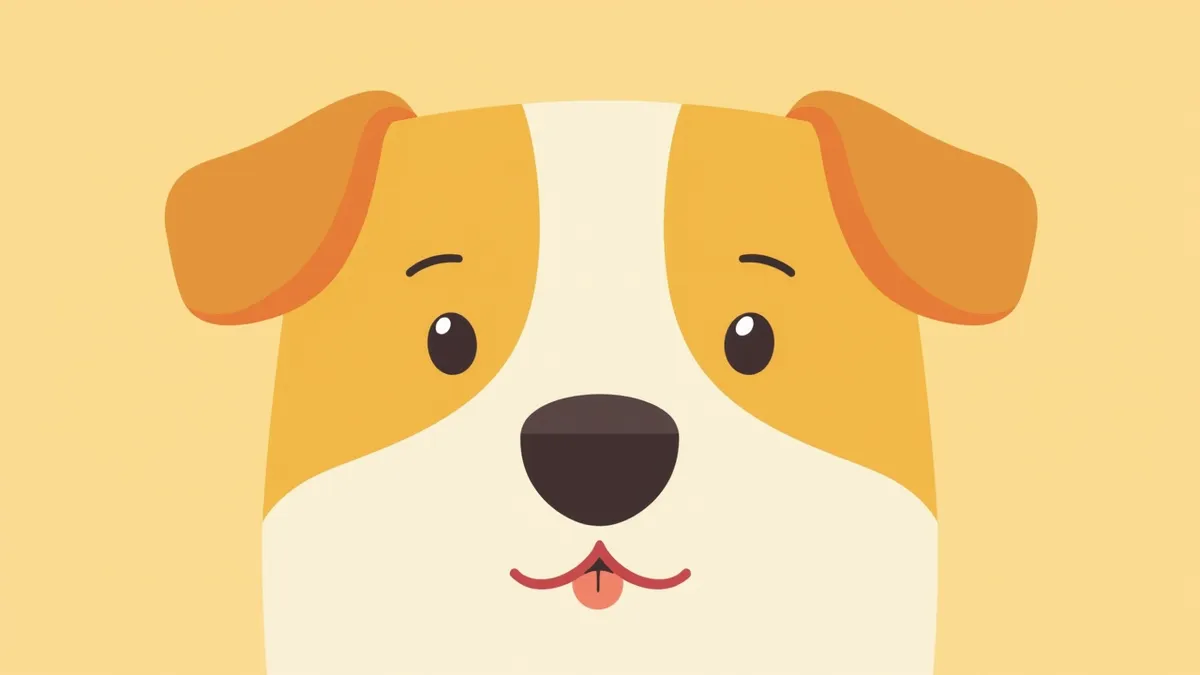
A puppy’s eyes and lips turning yellow due to jaundice
Canine jaundice is a condition in which an excessive buildup of bilirubin in the blood causes the skin, the whites of the eyes, and the lips to turn yellow. It can result from various causes, including liver damage, bile duct obstruction, or red blood cell destruction. - Hepatic jaundice: Occurs when damaged liver cells struggle to process bilirubin. - Biliary jaundice: Occurs when blocked bile ducts prevent the normal flow of bile. - Hemolytic jaundice: Occurs when excessive red blood cell destruction leads to a rapid rise in bilirubin levels. Because each type has distinct causes and treatment approaches, an accurate diagnosis is essential. Early detection and treatment are key to improving survival rates.

Accurately identify the main causes of jaundice
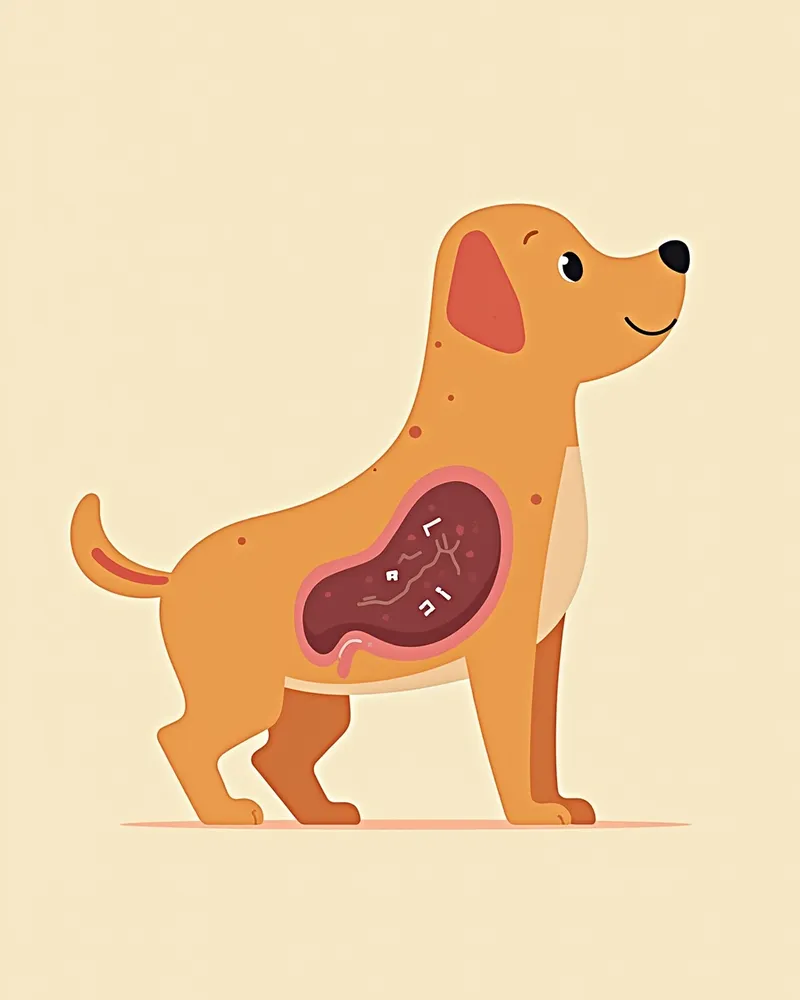
There are three main causes of jaundice in dogs. - Hepatocellular jaundice: This occurs when liver cells are damaged and cannot properly process bilirubin. Common causes include hepatitis, cirrhosis, and drug toxicity. - Cholestatic jaundice: This happens when the bile ducts are blocked, preventing the proper flow of bile. Stones, tumors, or inflammation can be the underlying causes. - Hemolytic jaundice: This condition arises when red blood cells are excessively destroyed, leading to a rapid increase in bilirubin. Possible causes include parasitic infections, immune-mediated diseases, and genetic factors. Without an accurate diagnosis, effective treatment is difficult. It is essential to work with your veterinarian to conduct thorough tests and identify the root cause.
Anatomy of the dog’s liver and biliary system, with explanations of the causes of jaundice

Checklist of main symptoms related to jaundice
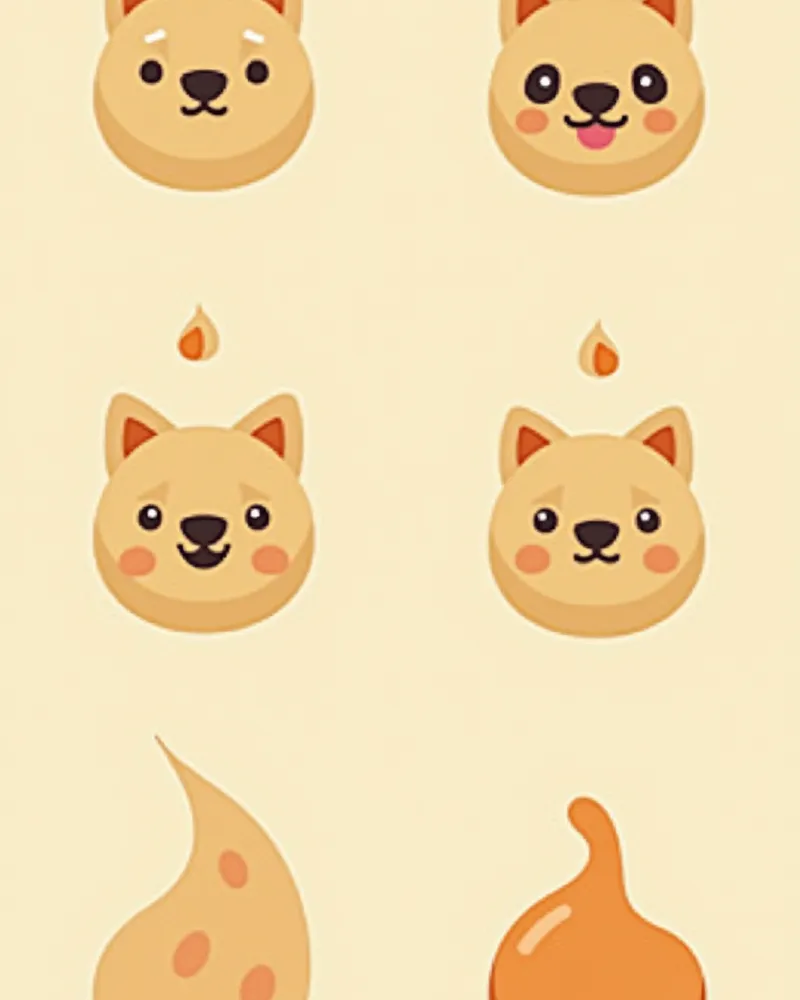
Yellowing of the eyes and lips: This is the most characteristic sign, with the whites of the eyes (sclera) and the mucous membranes of the lips and gums turning yellow. Jaundice is typically easiest to spot in the sclera first, followed by the mucous membranes and then the skin.
Loss of appetite: Your pet may refuse food entirely or eat only small amounts.
Vomiting: Non-specific gastrointestinal symptoms, such as vomiting, may occur alongside decreased appetite.
Darkening of urine: Urine may turn brown or dark yellow.
Changes in stool color: If bile flow is obstructed, stool may become white or gray.
Lethargy: Your pet may remain inactive and listless throughout the day. If you notice any of these signs, a veterinary examination is necessary to determine the underlying cause.
Examples of jaundice-related symptoms: eyes, lips, urine, and stool

Cases requiring immediate veterinary visit

If your jaundiced puppy shows vomiting, seizures, decreased consciousness, or severe fatigue, seek veterinary care immediately. These symptoms may indicate severe liver damage, internal bleeding, poisoning, or other emergencies. Delaying treatment can be life-threatening, so early diagnosis and intervention are essential.

Comparison of symptoms and causes by type of jaundice

Item유형주요 원인특징 증상진단 방법
간성 황달간염, 간경변, 간 종양, 약물 독성간세포 손상으로 빌리루빈 처리 불량피로, 식욕 부진, 구토간기능 검사, 복부 초음파, 간 생검
담도성(후간성) 황달담석, 담도 폐쇄, 종양, 췌장염담즙 배출 장애로 빌리루빈 축적소변 진한 색, 흰색·회색 변, 복통복부 초음파, 혈액 생화학 검사, 영상 검사
용혈성(전간성) 황달양파 중독, 면역매개성 질환, 아연 등 독성 물질적혈구 파괴로 빌리루빈 급증빈혈, 혈색소뇨, 발열PCV(적혈구용적) 측정, 혈액도말, 항체(쿰스) 검사

각 유형의 원인과 진단법이 다르므로 정확한 분류가 치료의 핵심이에요. 용혈성 황달은 빈혈이 동반되며, 적혈구용적이 정상이거나 약간만 낮으면 용혈성은 배제할 수 있어요.

Supplementary home care methods
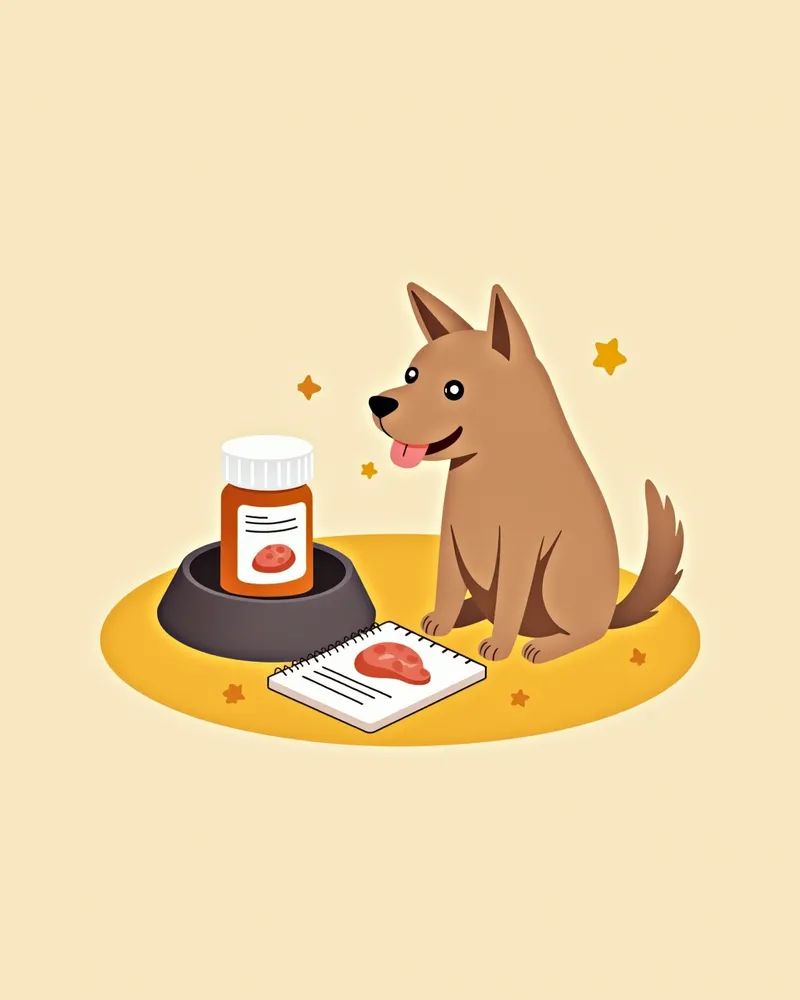
Jaundice is a sign of a serious condition that requires treatment, so home care should only be done as a supplement under a veterinarian’s guidance. - Feed a special diet: Consistently provide the liver-supportive diet recommended by your vet. - Follow medication instructions: Strictly adhere to the prescribed dosage and timing. - Monitor appetite and activity: Keep a daily log of your dog’s food intake, activity level, and any changes in condition. - Minimize stress: Allow your dog to rest comfortably in a quiet environment. - Prepare for vet visits: Bring your records to help ensure a more accurate diagnosis. Never fast your dog, attempt self-treatment, or administer supplements without veterinary approval.
A complete set of food, medication, and record-keeping notebooks for managing jaundice

Prevention and routine care points

Regular Check-ups: Periodic health exams, including blood and liver function tests, help monitor your dog’s liver health. Liver disease often presents with non-specific symptoms, so blood work may be the first indicator of a problem.
Parasite Prevention: Regular heartworm and deworming treatments are essential, as certain parasites can lead to blood and liver issues, including jaundice.
Safe Environment: Keep your dog away from toxic substances that can destroy red blood cells or damage the liver, such as onions and zinc-containing objects.
Appropriate Diet: Consult your veterinarian to choose a diet that supports liver health.
Stress Management: Maintain stable overall health through comprehensive care to keep your dog’s condition consistent.
A safe environment and proper diet for liver health

Certain breeds are more susceptible to jaundice

Certain breeds are more prone to specific liver and biliary diseases. For example, gallbladder mucoceles are more commonly reported in Shetland Sheepdogs, Cocker Spaniels, Miniature Schnauzers, and Border Terriers, while gallbladder diseases in general are relatively more frequently seen in small-breed dogs. However, breed predisposition is only a reference and does not apply to all individuals. Regular check-ups and consistent health monitoring are recommended, and if you notice any abnormal signs such as jaundice or loss of appetite, please visit the clinic immediately.

Reviewed by a veterinarian

Dr. Tony — Punnawat Phongkittirak

Dr. Tony — Punnawat Phongkittirak

Veterinarian

A veterinarian who majored in veterinary medicine at Khon Kaen University, Thailand, and completed the IVSA program at North Carolina State University in the United States. Drawing on clinical experience at animal hospitals, he works in the pet healthcare field and is dedicated to building a digital care environment that connects pet parents with veterinarians.

Frequently Asked Questions

Can jaundice be treated?
Treatment depends on the underlying cause. Immune-mediated hemolytic anemia responds to immunosuppressive therapy, and parasitic or infectious causes can improve with medication, whereas liver cancer and cirrhosis are difficult to cure and require management-focused care.
Should I take my pet to the vet right away if jaundice develops?
Yes, it’s absolutely necessary to go. Jaundice can be a sign of various underlying issues, such as liver dysfunction, hemolysis, or bile duct obstruction, so it’s important to quickly identify the cause and begin treatment.
Can cats get jaundice?
Yes, cats can develop jaundice as well. In felines, common causes include fatty liver disease (hepatic lipidosis) and cholangitis.
Should I change my pet’s food if they develop jaundice?
It is best to switch to a special diet under the guidance of your veterinarian. Choose a food that contains ingredients beneficial for liver health.
Can jaundice be cured?
It depends on the underlying cause. If the underlying condition is treatable, the jaundice may resolve as well; however, in cases of chronic disease, ongoing management is key.

Share

Related Guides

References

[1] Liptak, J.M. and L.J. Forrest. 2013. 21 – soft tissue sarcomas. In Withrow and MacEwen’s Small Animal Clinical Oncology, 5th edition. R.L. Page, S.J. Withrow, and D.M. Vail, editors. St. Louis: W.B. Saunders.

[2] Guy, M.K., Page, R.L., Jensen, W.A., et al. (2015) The Golden Retriever lifetime study: Establishing an observational cohort study with translational relevance for human health. Philosophical Transactions of the Royal Society of London. Series B, Biological Sciences 370. https://doi.org/10.1098/rstb.2014.0230

[3] Preziosi, R., et al. (1995). Histopathological grading of canine mast cell tumors: correlation with clinical outcome. Veterinary Pathology 32: 411–417.

This information is based on veterinary literature and does not replace diagnosis or treatment. Please consult a veterinarian for specific health concerns.

Metapet Co., Ltd. | CEO: Park Sung-yong | Business Reg. No. 417-88-02562 | Seoul, South Korea | Customer Center

What Is Canine Jaundice? Yellow Eyes and Gums Explained | Meongsiljang