Like
Share
멍실장
고양이 문맥전신단락(PSS) 자주 묻는 질문 Q&A — 보호자가 꼭 알아야 할 핵심

If Your Cat Keeps Acting Dull — Causes of Portosystemic Shunt (PSS) and When to Visit the Vet

Liver HealthQ&AMeongsiljang Veterinary Advisory Board

Feline portosystemic shunt (PSS) is a serious condition that impairs liver function, and early detection along with proper management can save your cat’s life. We’ve compiled the essential questions and answers every pet owner should know.

What Is Feline Portosystemic Shunt (PSS)?
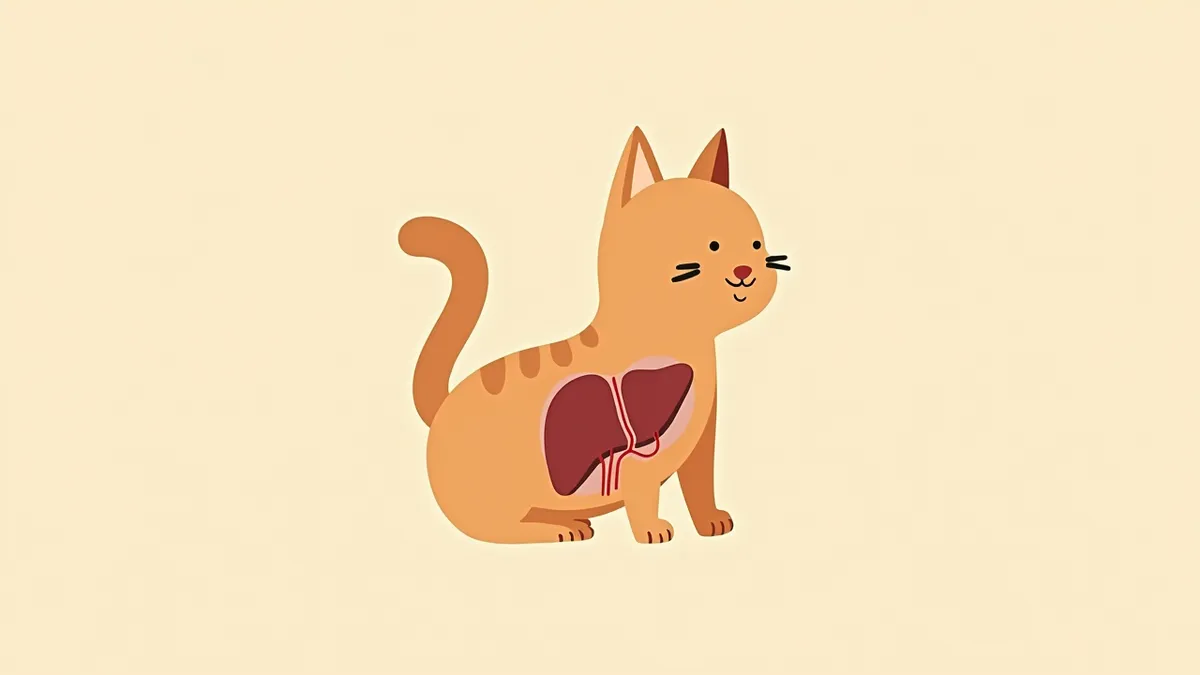
An anatomical diagram comparing normal and abnormal pathways of the liver and portal blood vessels in cats
Feline portosystemic shunt (PSS) is a vascular abnormality in which blood from the portal vein bypasses the liver and flows directly into the systemic circulation (vena cava) instead of following its normal route. As a result, the liver cannot adequately filter toxins from the blood, leading to effects on the brain, gastrointestinal tract, and urinary system, as well as behavioral abnormalities. - Abnormal blood flow pathway: This is a structural abnormality where blood bypasses the liver and drains directly into the systemic circulation. - Toxin accumulation: Due to impaired liver function, toxins such as ammonia are not properly filtered and spread to the brain, causing neurological symptoms. - Behavioral changes: Neurological signs such as lethargy, staring spells, and circling are commonly observed. - Importance of early detection: Monitor for even mild symptoms and consult with your veterinarian. - Treatment potential: With appropriate management and treatment, quality of life can be improved, and surgical outcomes are generally reported as good to excellent.

Why Does PSS Occur in Cats?

Portosystemic shunts (PSS) are broadly categorized into congenital and acquired causes. - Congenital PSS: This occurs when abnormal blood vessels are present from birth. In cats, it has been reported in Domestic Shorthairs, Burmese, Siamese, Persians, and Himalayans. Unlike dogs, some reports suggest it is more common in male cats. - Acquired PSS: This happens when collateral vessels, which had regressed due to portal hypertension (prehepatic or intrahepatic), reopen, creating an abnormal shunt. - Genetic Predisposition: The mechanism behind congenital PSS is believed to be strongly influenced by genetic factors. - Environmental Factors: Portal hypertension caused by chronic liver disease can serve as a background factor for acquired shunts. - Need for Diagnosis: A comprehensive evaluation by a veterinarian is necessary to accurately determine the underlying cause.
An anatomical diagram showing abnormal vascular connections in a cat's liver.

What Are the Main Symptoms of PSS?

The symptoms of feline portosystemic shunt (PSS) primarily involve the central nervous, gastrointestinal, and urinary systems.
Behavioral and neurological abnormalities: Sudden lethargy, dullness, circling behavior, seizures, visual disturbances (including blindness), and decreased responsiveness may be observed.
Appetite and weight changes: A reduced appetite and weight loss, which is the most commonly reported symptom in cats, may occur.
Gastrointestinal symptoms: Vomiting and diarrhea may recur.
Urinary symptoms: Some cats may visit the clinic due to lower urinary tract signs.
Growth retardation: Young cats may exhibit delayed development.
If these symptoms persist, immediate veterinary attention is required.
A cat exhibiting signs that may appear to be behavioral abnormalities

Signs That Require an Immediate Vet Visit

If your cat suddenly faints, has repeated seizures, or refuses to eat, it’s a medical emergency. In such cases, contact your vet immediately and transport your cat to the clinic as quickly as possible. Delaying treatment can lead to severe brain damage.

How Is PSS Diagnosed?
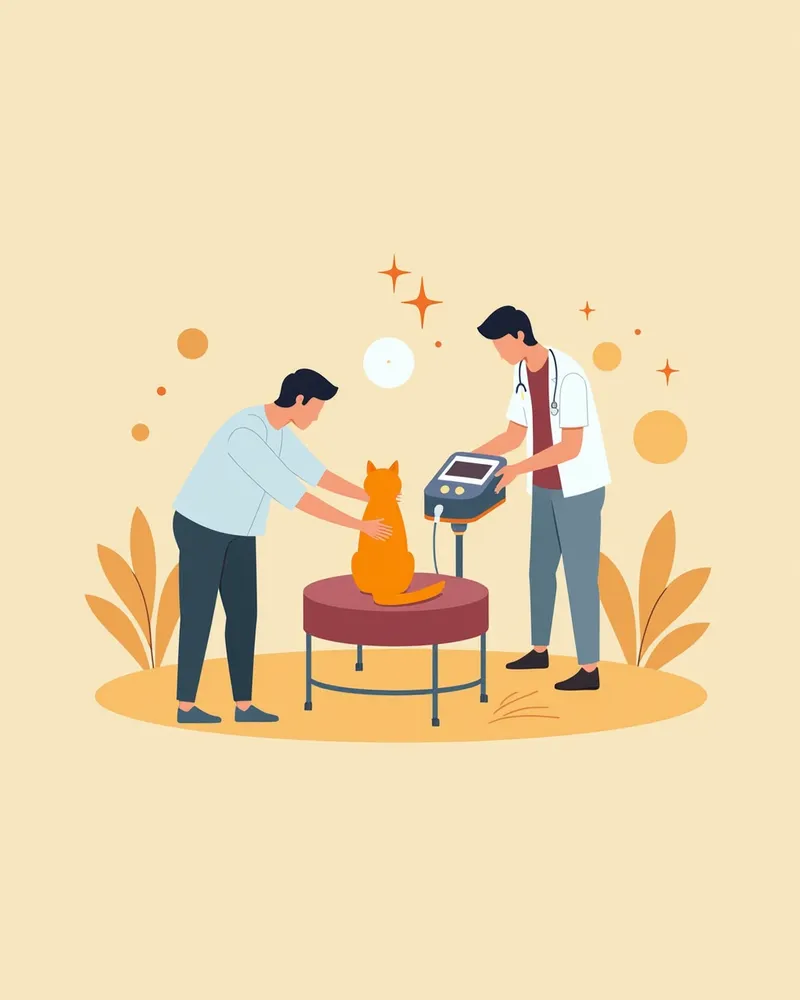
Diagnosing PSS requires a step-by-step combination of several tests. - Blood tests: Abnormal liver function indicators may appear, such as elevated bile acid levels and decreased cholesterol (note that bile acids can also rise in other hepatobiliary diseases). - Ultrasound examination: This visually confirms blood flow pathways and detects abnormal vessels. However, results can vary depending on the examiner’s expertise. - CT angiography: This is useful for accurately determining the location and structure of shunting vessels. - Imaging tests such as portography: These may be performed additionally to assess blood flow patterns. - Veterinary assessment: A definitive diagnosis requires imaging studies or surgical exploration, with the final diagnosis made by integrating clinical signs and test results. - Importance of early detection: The key is to suspect PSS and undergo testing even when symptoms are mild.
A veterinarian performing an abdominal ultrasound on a cat.

How Is PSS Treated?

Treatment for portosystemic shunts (PSS) involves a combination of surgery, medication, and dietary management. - Surgical treatment: This procedure gradually restricts the abnormal shunt vessel to restore normal portal blood flow. Surgical outcomes are generally good to excellent. - Medication: Lactulose is administered via enema or orally, along with antibiotics, to reduce ammonia production and absorption, thereby alleviating symptoms of hepatic encephalopathy. - Dietary management: Rather than imposing strict protein restrictions, protein intake should be adjusted under veterinary guidance when severe signs of hepatic encephalopathy are present. Avoid excessive protein restriction; start at approximately 2.5 g/kg/day and increase as tolerated, utilizing protein sources such as soy and dairy. - Ongoing care: Consistent medical management is essential for cases requiring non-surgical treatment. - Regular check-ups: Monitor blood chemistry values, including blood glucose, to adjust the treatment plan as needed. - Lifestyle improvements: It is important to minimize stress and provide a stable, calm environment.
A cat recovering after surgery

Home Care Points

Consistent care is essential for cats with portosystemic shunts (PSS).
Medication: Administer medications exactly as directed by your veterinarian.
Dietary Management: Avoid overly restricting protein; adjust only under veterinary guidance if severe hepatic encephalopathy is present. Sudden changes in diet should be avoided.
Activity and Environment: Minimize excessive stimulation and maintain a stable environment.
Regular Check-ups: Schedule regular blood tests (particularly blood glucose levels) and ultrasounds.
Stress Reduction: Provide a quiet space where your cat can relax comfortably.
These management strategies are key to preventing symptom worsening.
A cat resting comfortably in a quiet environment

Comparison Table of PSS Treatment Methods

ItemEffectivenessSide EffectsCost Level
Surgical TreatmentHigh (good to excellent outcomes)Possible bleeding, hypoglycemia, postoperative seizures, portal hypertensionHigh
Medical TreatmentModerate (symptom relief)Diarrhea, etc.; requires long-term administrationLow
Dietary ManagementSupportiveRisk of protein deficiency with excessive restrictionLow

Choose the most suitable method after consulting your veterinarian.

Reviewed by a veterinarian

Dr. Tony — Punnawat Phongkittirak

Dr. Tony — Punnawat Phongkittirak

Veterinarian

A veterinarian who majored in veterinary medicine at Khon Kaen University, Thailand, and completed the IVSA program at North Carolina State University in the United States. Drawing on clinical experience at animal hospitals, he works in the pet healthcare field and is dedicated to building a digital care environment that connects pet parents with veterinarians.

Frequently Asked Questions

Is PSS a common disease in cats?
Although not very common in cats, it has been reported in Domestic Shorthairs, Burmese, Siamese, Persian, and Himalayan breeds. Unlike in dogs, some reports indicate that it occurs more frequently in male cats.
Can PSS be genetic?
Yes, congenital PSS is largely considered to be influenced by genetic factors. It’s helpful to check the breed’s history of hereditary diseases before adopting.
Is it possible to achieve a complete cure after treatment for PSS?
If the surgery is successful, the prognosis is generally good to excellent. However, since incomplete closure can lead to persistent shunting or the development of acquired collateral vessels, regular check-ups and ongoing care are essential.
Can a cat with PSS live with other cats?
Yes, it’s possible. However, since a quiet and stable environment is essential, you should avoid conflicts with other cats and excessive stimulation.
Does FIP only occur in young cats?
Congenital cases typically appear in young cats, while acquired cases can occur even in older cats. Regardless of age, if symptoms develop, testing is necessary.

Share

Related Guides

References

[1] Fowler, L.B., et al. (2020). Ecological level analysis of primary lung tumors in dogs and cats and environmental radon activity. Journal of Veterinary Internal Medicine, 34(6), 2660–2670.

[2] The Cat, Clinical Medicine and Management, 2nd Edition. (2020). Elsevier Health Sciences.

[3] Small Animal Critical Care Medicine, 3rd Ed. (2020). Elsevier.

This information is based on veterinary literature and does not replace diagnosis or treatment. Please consult a veterinarian for specific health concerns.

Metapet Co., Ltd. | CEO: Park Sung-yong | Business Reg. No. 417-88-02562 | Seoul, South Korea | Customer Center