
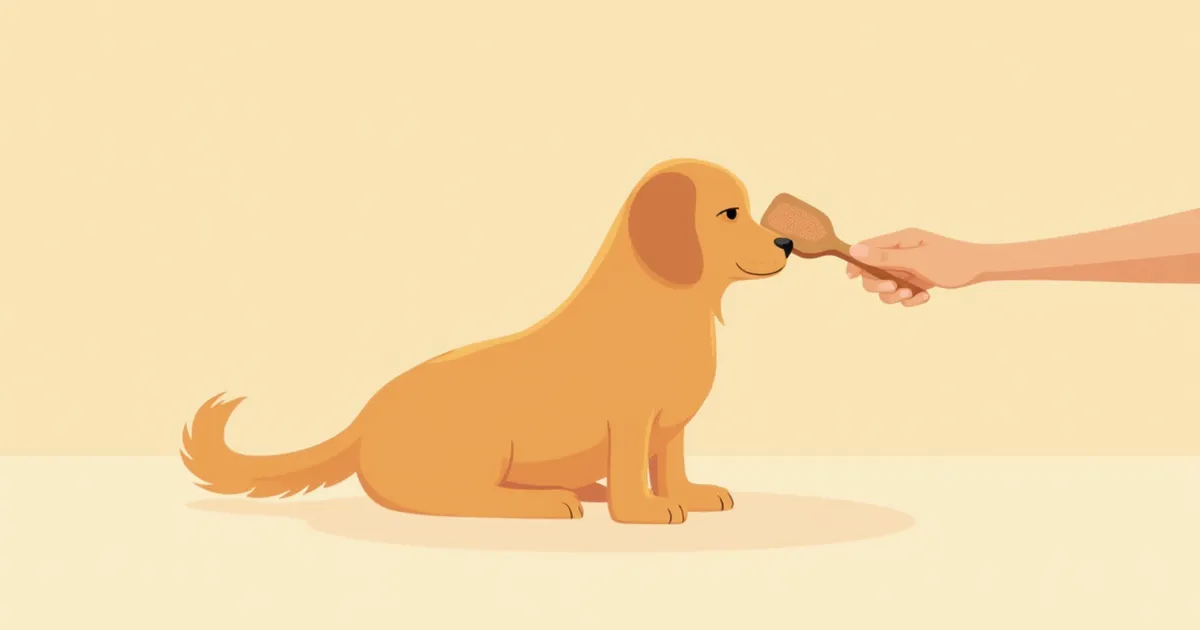
The Ultimate Guide to Dog Brushing and Coat Care
The type of brush and grooming frequency for dogs vary depending on their coat type. Here’s a guide to proper brushing techniques and precautions for double coats, single coats, long-haired, and short-haired breeds.
What Is Dog Brushing?

Why Is Brushing Essential?
Guide to Choosing Brushes by Coat Type
| Item | Slicker Brush | Pin Brush | Undercoat Rake | Comb |
|---|---|---|---|---|
| Suitable Coat Type | Long · curly | Medium-long | Double coat | Finishing for all types |
| Main Use | Removing tangles | Shine · tidying | Removing undercoat | Detail check |
| Use on Short-Haired Breeds | False | False | False | True |
| Recommended Frequency | 3–4 times a week | Daily | Daily during shedding season | At the end of every brushing |
It's standard to combine 2–3 brushes depending on coat type
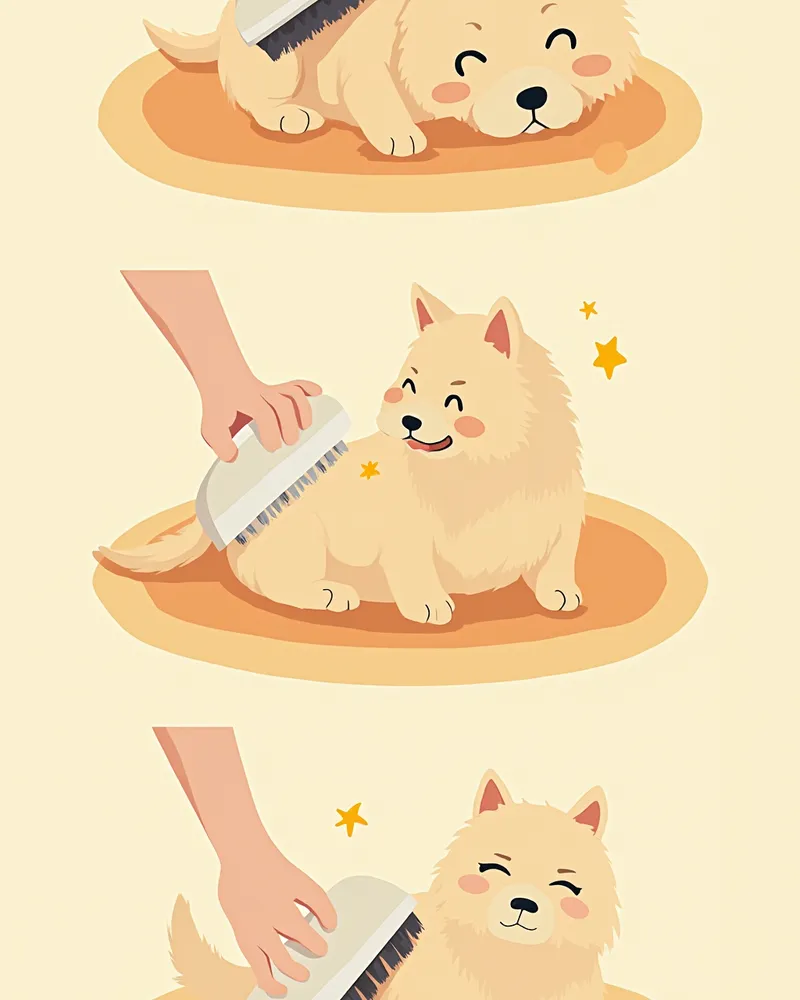
Proper Brushing Order and Method
When to Stop Brushing
If the skin is red, swollen, or has wounds or scabs, forcing brushing can worsen the inflammation. Do not attempt to cut severely matted fur with scissors; instead, leave it to a veterinarian or professional groomer, as accidents involving cuts to the skin are common when using scissors. Additionally, because the skin around the ears, armpits, and anus is thin, use a softer pin brush or hand-brush rather than a slicker brush.
How to Detangle Matted Fur
Care Points During Shedding Season
Common Mistakes
Many pet owners skip brushing before bath time, which is actually the biggest mistake. When tangles get wet, they tighten and become nearly impossible to detangle. Always brush your pet thoroughly before bathing. It’s also easy to assume that short-haired breeds don’t need brushing, but even short-haired dogs like Pugs and Beagles should be brushed with a rubber brush once or twice a week to remove dead hair and excess sebum.
When Your Dog Dislikes Brushing
Reviewed by a veterinarian

Dr. Tony — Punnawat Phongkittirak
VeterinarianA veterinarian who majored in veterinary medicine at Khon Kaen University, Thailand, and completed the IVSA program at North Carolina State University in the United States. Drawing on clinical experience at animal hospitals, he works in the pet healthcare field and is dedicated to building a digital care environment that connects pet parents with veterinarians.
Reviewed 2026-04-21
Frequently Asked Questions
How often should you brush your dog?
What should I do if my dog seems to be in pain while brushing?
Which should I do first, bathing or brushing?
Do breeds that don’t shed much, like Poodles, still need regular brushing?
Wouldn’t shaving off all the undercoat keep them cooler?
Share
Related Guides

Top 5 Medicated Dog Shampoos — For Pyoderma and Bacterial Infections

Veterinarian-Recommended Top 5 Medicated Shampoos for Canine Yeast Dermatitis — Relieves Itching and Greasiness

Top 5 Medicated Cat Shampoos Recommended by Veterinarians — Fungal Dermatitis and Fungal Care

Feline Oral Bacteria and Systemic Diseases FAQ — Key Information for Pet Owners

Frequently Asked Questions on Recommended Cat Oral Exam Intervals — Key Points Every Owner Should Know
Is early detection of dog cancer possible? — Which screening tests should be done first?

Is My Breed at Risk for Hepatitis? — Vulnerable Breeds and Early Signs Not to Miss

What is Feline Triaditis (Liver-Pancreas-Intestine)? — Key Summary from Symptoms to Treatment
Is leptospiral kidney involvement in puppies dangerous? — A complete guide to symptoms and prevention
What is feline ureteral obstruction? — Why is it an emergency?
References
[1] Muller and Kirk's Small Animal Dermatology, 8th Edition, Chapter 3: Dermatologic Therapy
[2] BSAVA Manual of Canine and Feline Dermatology, 4th Edition
[3] Plumb's Veterinary Drug Handbook, Grooming and Skin Care Chapter