
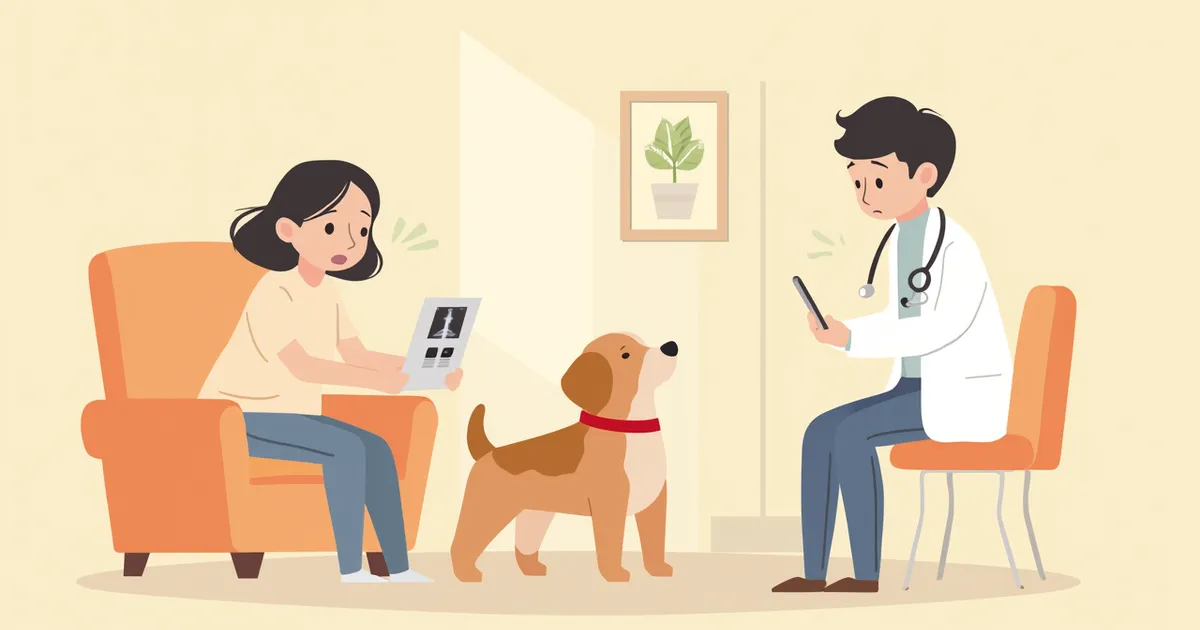
How to Get a Second Opinion in Veterinary Medicine
If you're facing a diagnosis or surgery decision, seeking a second opinion is your right as a pet owner. Here's a step-by-step guide on when to request one and what documents to prepare.
What Is a Second Opinion in Veterinary Medicine?
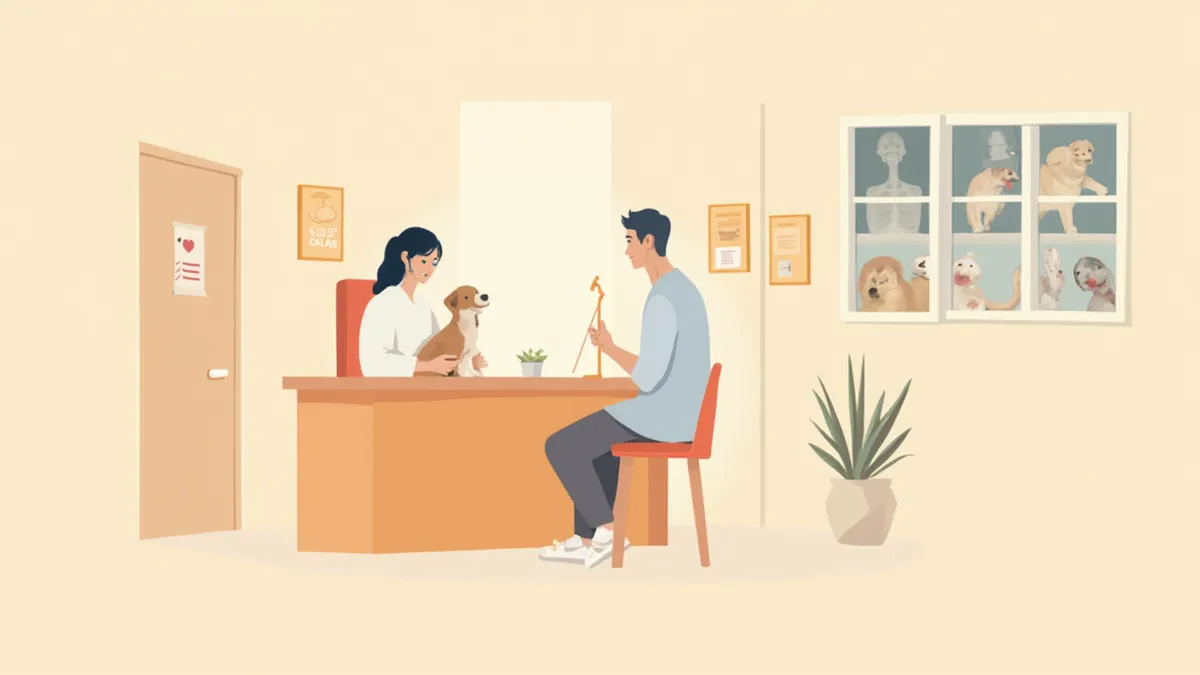
When Should You Seek a Second Opinion?
First vs. Second Opinion: What’s the Difference?
| Item | First opinion | Second opinion |
|---|---|---|
| Purpose | Initial diagnosis · start of treatment | Diagnosis verification · exploring alternatives |
| Data | Direct examination · interview | Based on first hospital's records |
| Ongoing relationship | Assumes continued care | One-time consultation possible |
| Insurance coverage | Varies by insurer | Varies by insurer |
| Additional tests | Performed if needed | Minimizing duplicate tests recommended |
A second opinion requires the first hospital's records to reduce duplicate costs and tests.
Documents to Prepare Before Requesting a Second Opinion

Things to Avoid
Avoid showing distrust or criticizing your primary care veterinarian, as emotional conflicts can hinder future coordination of care. Instead, politely request a second opinion by saying something like, “This is an important decision, and I’d like to hear another perspective.” Also, don’t mistake advice from non-professionals in online forums or open chat rooms for a legitimate second opinion. Always seek an official consultation with a licensed veterinarian.
How to Choose a Hospital for a Second Opinion
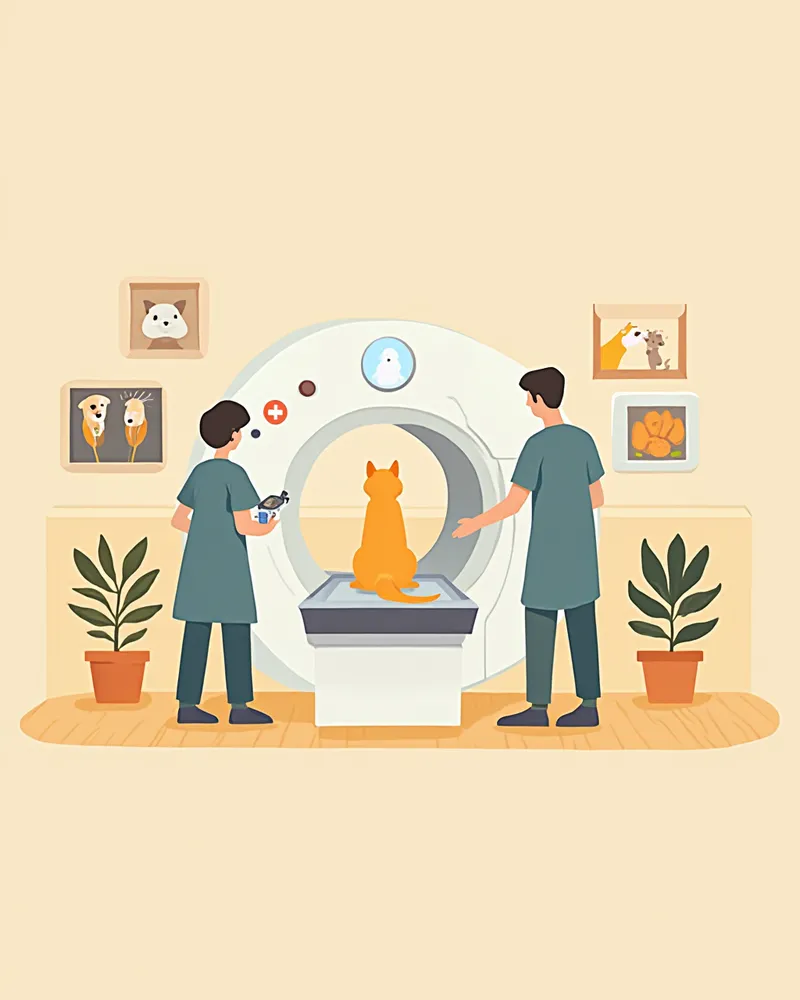
How a Second Opinion Consultation Works
Do Not Delay a Second Opinion in Emergencies
In life-threatening emergencies such as gastric dilatation-volvulus (GDV), respiratory distress, bleeding, or decreased consciousness, there is no time to wait for a second opinion. It is safest to receive immediate treatment at a 24-hour animal hospital and seek a second opinion on the treatment plan once your pet has stabilized. Delaying emergency care can actually harm your pet.
Reviewed by a veterinarian

Dr. Tony — Punnawat Phongkittirak
VeterinarianA veterinarian who majored in veterinary medicine at Khon Kaen University, Thailand, and completed the IVSA program at North Carolina State University in the United States. Drawing on clinical experience at animal hospitals, he works in the pet healthcare field and is dedicated to building a digital care environment that connects pet parents with veterinarians.
Reviewed 2026-04-26
Frequently Asked Questions
Will the vet at the first clinic be upset if I request a second opinion?
How much does a second opinion consultation cost?
What should I do if I can’t copy the imaging files (CT/MRI)?
If the second opinion differs from the first, which one should I follow?
Is an online veterinary consultation also recognized as a second opinion?
Share
Related Guides

Primary vs. Secondary Veterinary Hospitals: A Comparison

5 Easy-to-Raise Cat Breeds for First-Time Owners — Grooming Difficulty Comparison

Top 7 Short-Legged Dog Breeds
Frequently Asked Questions on Caring for Blind Dogs and Cats — Key Points Owners Must Know

If Your Cat’s Eyes Are Red and Painful — Signs of Uveitis and When to Visit the Vet
What Is Intraocular Pressure Measurement in Cats? — How to Diagnose Glaucoma Early

My Cat’s Eyes Are Crossed — Q&A on Strabismus Causes and When to See a Vet

What is Feline Retinal Detachment? — Q&A on Warning Signs of Sudden Vision Loss

If Your Cat’s Pupils Are Different Sizes — Causes and Emergency Response for Anisocoria Q&A

Frequently Asked Questions on Emergency First Aid for Foreign Objects in a Cat’s Eye — Key Points Pet Owners Must Know
References
[1] Ettinger SJ, Feldman EC, Côté E, Textbook of Veterinary Internal Medicine, 8th ed., Elsevier, 2017
[2] Kahn CM, The Merck Veterinary Manual, 11th ed., 2016
[3] AVMA Principles of Veterinary Medical Ethics, American Veterinary Medical Association