
Why Do Diabetic Complications Occur in Dogs? — How to Recognize Signs of Neuropathy and Cataracts
Neuropathy and cataracts are common complications in dogs with diabetes. To manage your dog safely, it’s important to understand the signs, causes, and treatment options for these conditions.
What Are Diabetic Complications (Neuropathy and Cataracts) in Dogs?

What Are the Main Causes of Diabetic Complications?
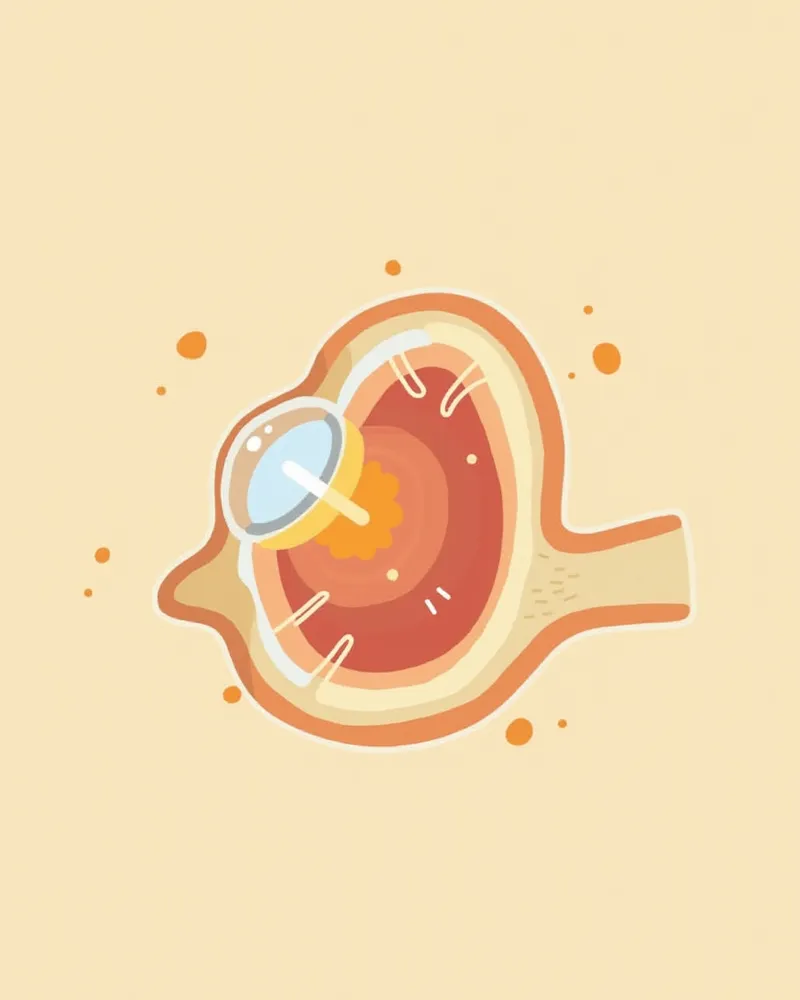
Check the Main Symptoms and Signs

Signs Requiring Immediate Veterinary Visit
If your dog suddenly has difficulty walking or appears to have blurred vision, bumping into walls, you should take them to the vet immediately. This could indicate that complications have worsened, and timely treatment is crucial.
How Is Diagnosis Performed?
Treatment and Management Methods

Prevention and Daily Care Tips

Caution: Preventing Recurrence of Complications Is Key
Neuropathy often stabilizes and improves when blood sugar levels return to normal, but once cataracts develop, they are difficult to reverse without surgery. Therefore, it is essential to maintain consistent blood sugar control. Never abruptly reduce your pet’s food intake or discontinue insulin therapy.
Reviewed by a veterinarian

Dr. Tony — Punnawat Phongkittirak
VeterinarianA veterinarian who majored in veterinary medicine at Khon Kaen University, Thailand, and completed the IVSA program at North Carolina State University in the United States. Drawing on clinical experience at animal hospitals, he works in the pet healthcare field and is dedicated to building a digital care environment that connects pet parents with veterinarians.
Reviewed 2026-06-01
Frequently Asked Questions
Can a dog’s diabetes complications be cured?
When is the right time to perform cataract surgery?
Can neuropathy heal on its own?
Should I change my pet’s food if they develop diabetes complications?
Do I need to check my pet’s blood sugar levels frequently?
Comparison of Symptoms and Responses by Stage of Diabetic Complications
| Item | Main symptoms | How to respond | When to visit the hospital |
|---|---|---|---|
| Mild | Slightly unstable walking, cloudy eyes beginning | Intensify blood glucose logging, adjust diet | Schedule a veterinary consultation |
| Moderate | Weakened hind legs, decreased vision | Normalize blood glucose through insulin adjustment, consistent dietary management | Visit the hospital immediately |
| Severe | Unable to walk, worsening eye cloudiness | Consider surgery, urgent treatment needed | Visit the emergency room |
Step-by-step responses may vary based on the veterinarian's judgment.
Share
Related Guides
Top 5 Prescription Dog Foods for Diabetes Recommended by Veterinarians — Blood Sugar-Stabilizing Food Comparison

7 Key Products for Managing Feline Hypercalcemia Recommended by Veterinarians and Selection Criteria
7 Key Points for Canine Thyroid T4 Testing by Veterinarians — From Timing to Result Interpretation
Dog Urine Culture Test FAQ — Key Information Every Pet Owner Should Know
Frequently Asked Questions About Urethral Catheter Care in Dogs — Key Points Every Pet Owner Must Know
Dog Struvite Urinary Stones FAQ — Key Points Pet Owners Must Know
Frequently Asked Questions About Pyelonephritis in Dogs — Key Information for Pet Owners
Dog Proteinuria FAQ — Key Information Every Pet Owner Should Know
Frequently Asked Questions About Urinary Incontinence After Spaying in Dogs — Key Information Every Pet Owner Should Know

Dog Pollakiuria and Urinary Urgency FAQ — Key Information Every Pet Owner Should Know
References
[1] Plumb's Veterinary Drug Handbook, 9th Edition, 2022
[2] Clinical Medicine of the Dog and Cat, 4th Edition, 2020
[3] Notes on Canine Internal Medicine, 4th Edition, 2019