Like
Share
멍실장
인슐린 가정 투여법과 보관 완벽 가이드

The Ultimate Guide to Home Insulin Administration and Storage

WeightQ&AMeongsiljang Veterinary Advisory Board

We’ll walk you through step-by-step how to administer insulin at home and store it properly for pets diagnosed with diabetes, and we’ll also cover emergency steps for hypoglycemia.

What Is Home Insulin Administration?
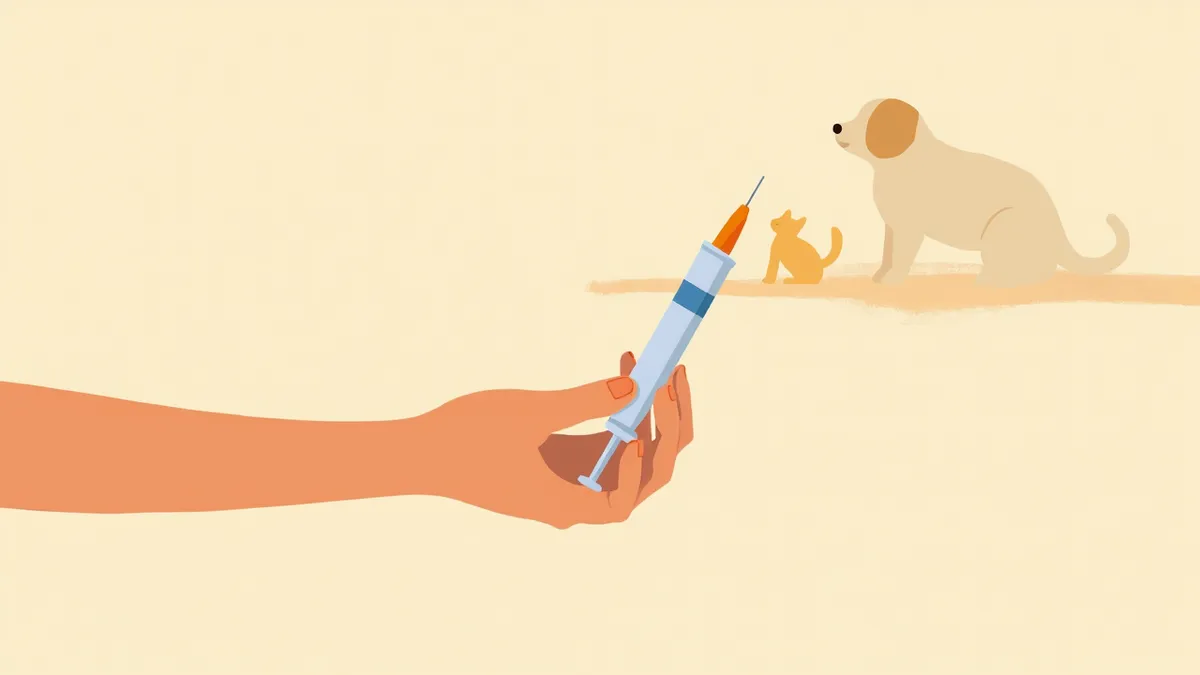
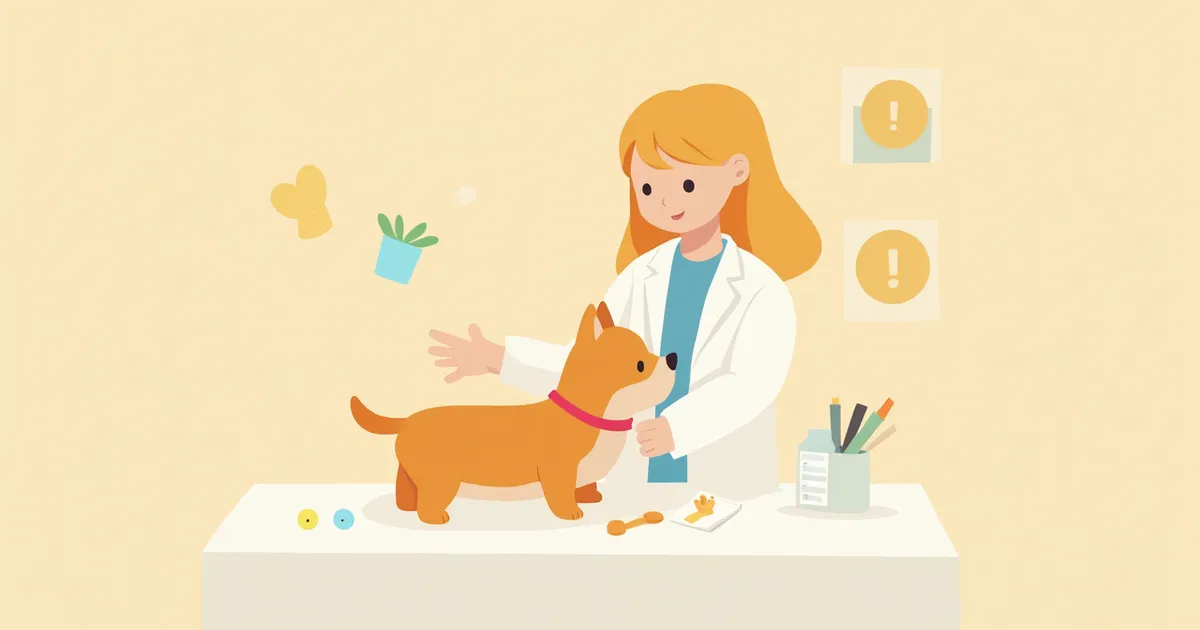
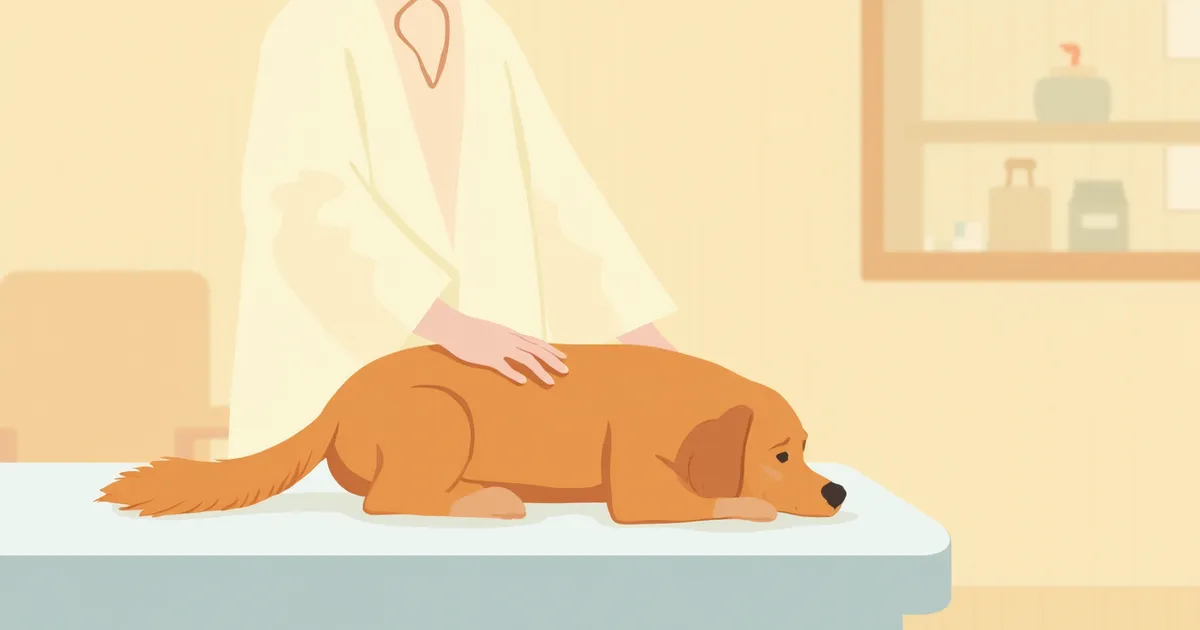
A veterinarian holding an insulin syringe and explaining the administration method to a pet owner
Home insulin administration is a management method in which pet owners give their dogs or cats diagnosed with diabetes mellitus subcutaneous insulin injections at set times at home. The most important factors are consistency in timing and dosage. Adhering to the veterinarian-prescribed dose every 12 hours is key to stabilizing blood glucose levels. Aligning feeding times with injection times is also essential to prevent dangerous fluctuations between hypoglycemia and hyperglycemia.

Insulin Types You Must Know Before Administration

Dogs and cats require different types of insulin. According to veterinary pharmacology textbooks, dogs are primarily prescribed intermediate-acting insulins such as Lente, while cats are commonly treated with longer-acting insulins like Protamine Zinc Insulin (PZI) or Glargine. Insulin concentrations also vary by product (e.g., U-40 or U-100), so it is essential to use the syringe specifically designed for that product to prevent dosing errors. Using an incorrect syringe can result in an overdose of more than double the intended dose.

Comparison of Insulin Types for Pets

ItemLente (Vetsulin)PZIGlargine (Lantus)
Main targetDogsCatsCats
Duration of actionIntermediateLong-actingLong-acting
Dosing interval12 hours12 hours12 hours
ConcentrationU-40U-40U-100
Dedicated syringeU-40 syringeU-40 syringeU-100 syringe

Products and doses are individually prescribed by a veterinarian. This table is for general reference only.

Steps for Administering Insulin Injections at Home
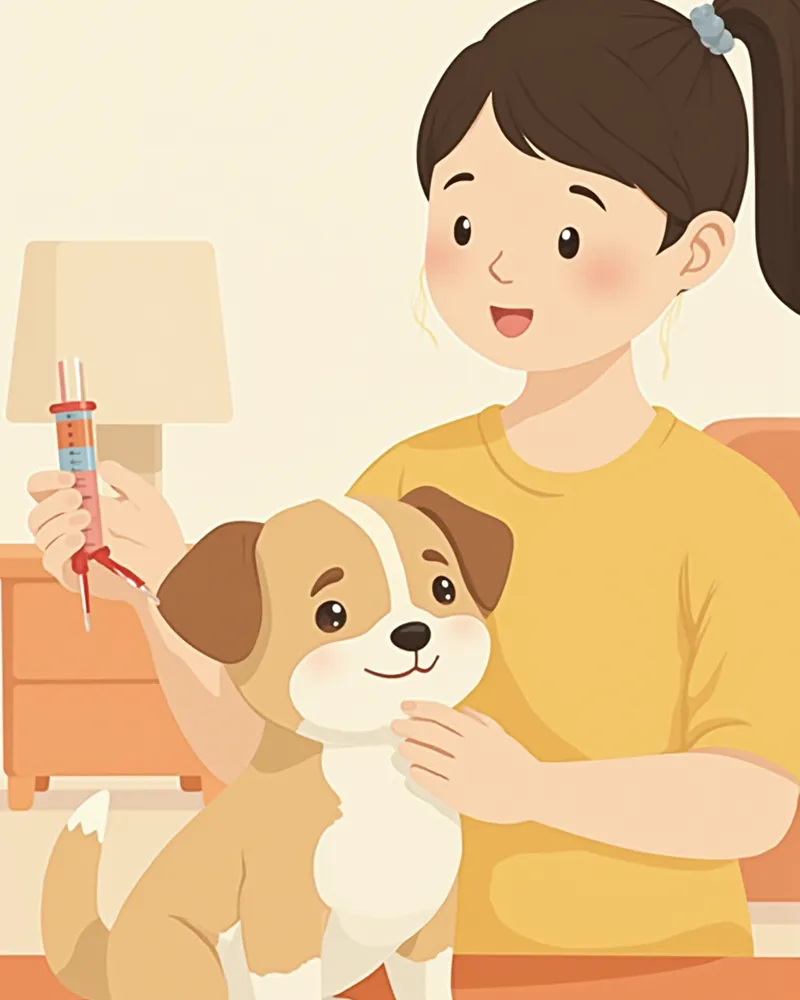
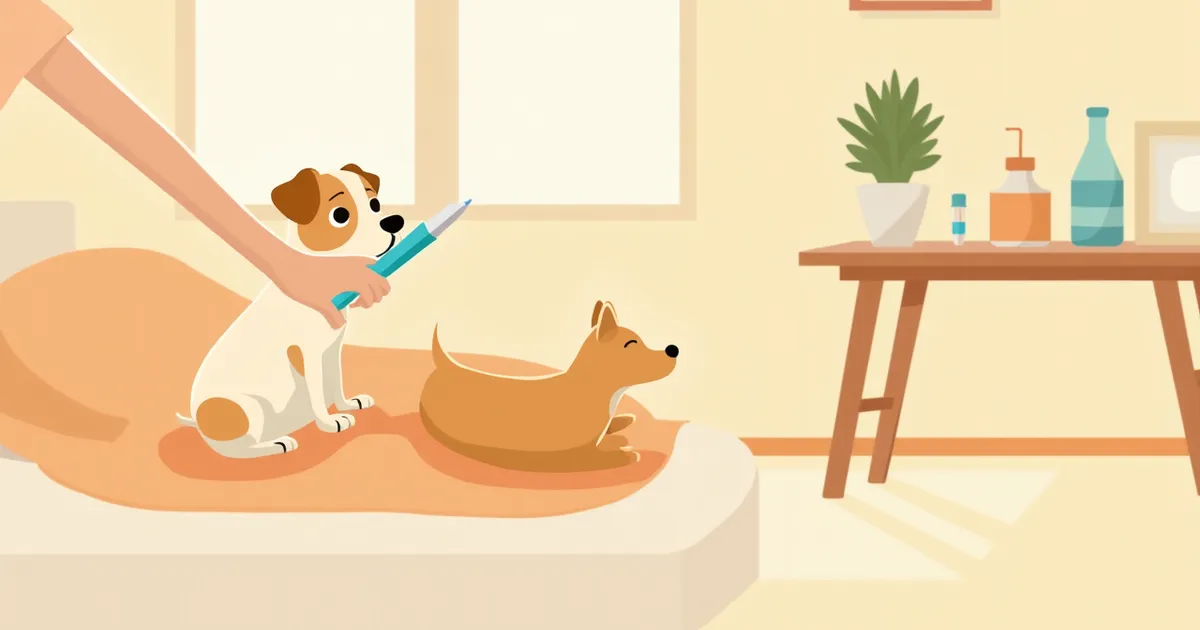
Wash your hands before administering the injection and gather all necessary items—insulin, a dedicated syringe, and treats—in one place. Follow these steps: - Step 1: Gently roll the insulin vial between your palms to mix it smoothly (never shake it). - Step 2: Draw up the exact prescribed dose into the syringe. - Step 3: Pinch the skin gently at the back of the neck or the side, and insert the needle at a 45-degree angle for a subcutaneous injection. - Step 4: Slowly push the plunger to deliver the dose, remove the needle, and finish with praise and a treat.
Administering an insulin injection subcutaneously in the scruff of a dog's neck

When to Absolutely Avoid Administering Insulin

If your pet hasn’t eaten at all or is repeatedly vomiting, administering the usual dose can lead to severe hypoglycemia. Additionally, never give a double dose to make up for a missed injection. If you miss a dose, wait until the next scheduled time or contact your veterinarian for guidance before proceeding. Also, do not use an insulin vial if the solution appears cloudy, clumped, or discolored.

Proper Insulin Storage Methods

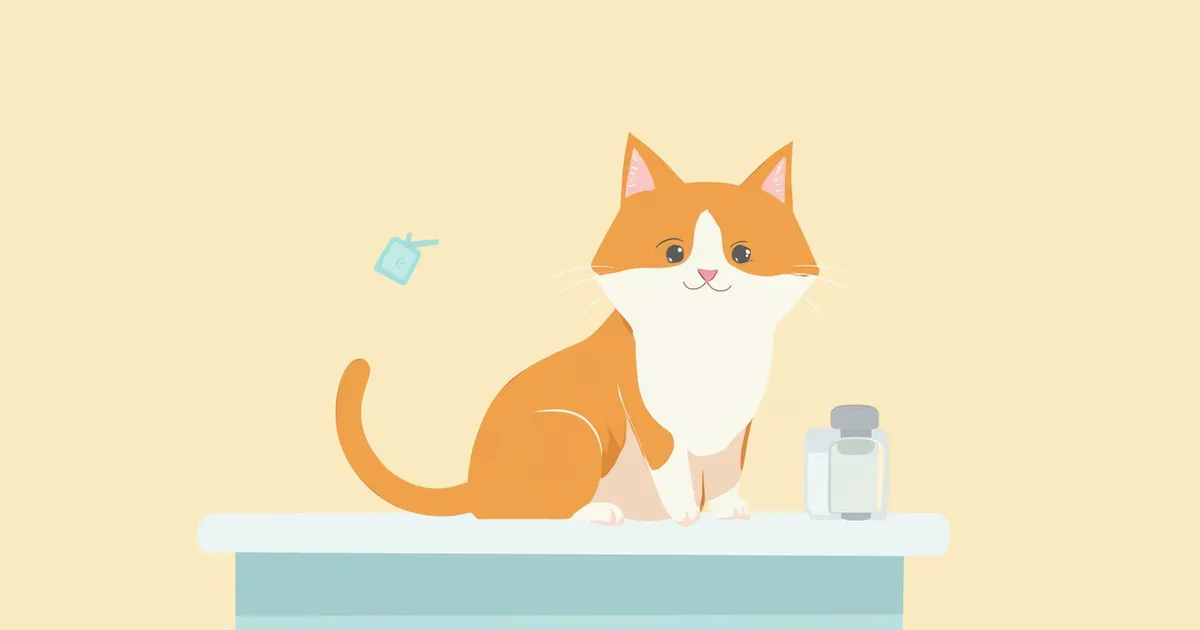
Insulin is a protein hormone, so it is highly sensitive to temperature. There are three key points to keep in mind for proper storage: - Refrigeration: Store the vial upright on an inner shelf of the refrigerator at 2–8°C (36–46°F), even after opening. Avoid storing it in the door, where temperatures fluctuate. - Avoid freezing: If insulin freezes and then thaws, it loses its effectiveness and must be discarded. - Expiration after opening: Depending on the product, use insulin within 28 days to 6 months after opening. Discard any remaining insulin once this period has passed, even if some is left. When traveling, transport insulin in an insulated bag with an ice pack to maintain the proper temperature.
An insulin vial stored upright in the refrigerator

Hypoglycemia Emergency Signs and Response

Hypoglycemia is the most dangerous side effect of insulin therapy. According to veterinary internal medicine textbooks, you should take immediate action if you notice any of the following signs: - Lethargy: Your pet appears unusually weak and listless. - Ataxia: Gait becomes unsteady, leading to stumbling or falling. - Seizures: Convulsions or decreased consciousness indicate a critical emergency. - Management: If your pet is conscious, apply honey or syrup to the gums. If unconscious, seek immediate veterinary care. It is advisable to keep honey or glucose syrup on hand at all times.

Situations Requiring Immediate Veterinary Consultation

When blood sugar levels are unstable, do not adjust the insulin dosage on your own; always consult your veterinarian. For instance, if your pet suddenly drinks excessive amounts of water, urinates more frequently, loses appetite, experiences rapid weight loss or gain, or suffers from recurring vomiting and diarrhea, an adjustment to the insulin dose may be necessary. Regular blood glucose curve tests (typically every two weeks to one month) are also essential for safe management.

Tips for Home Blood Glucose Monitoring and Recording
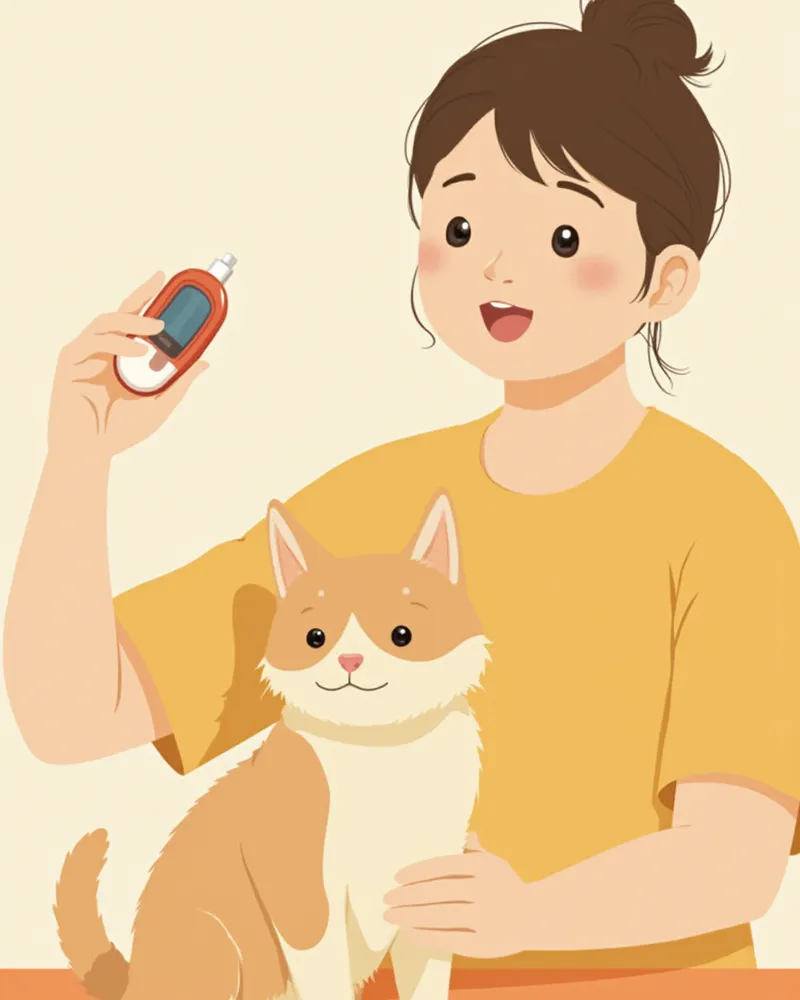
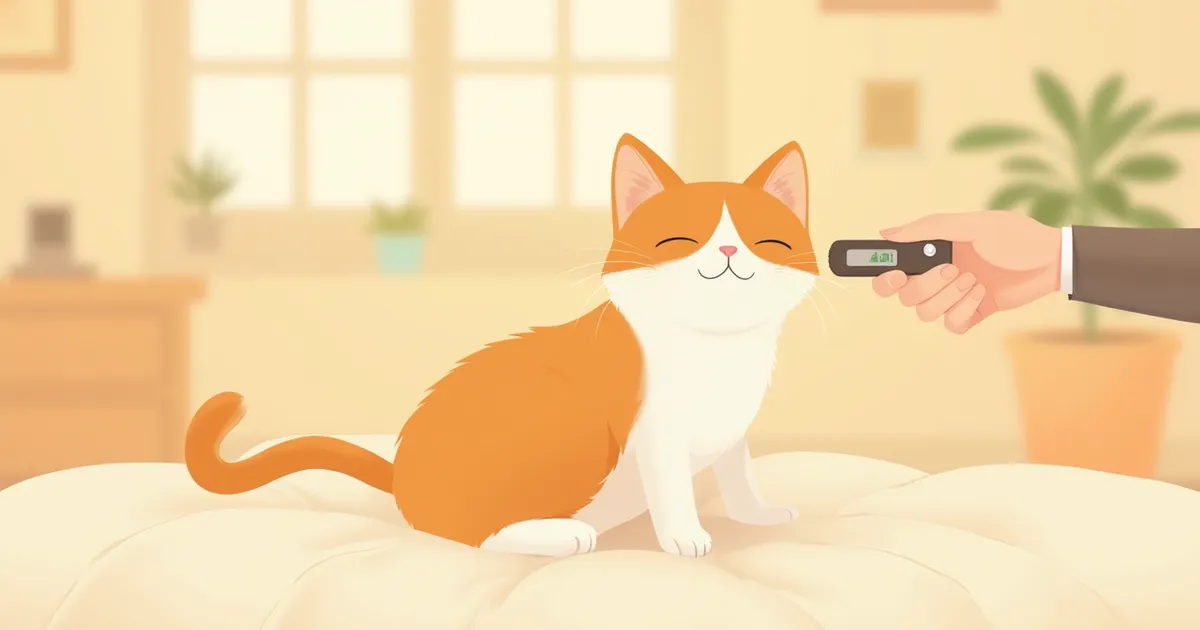
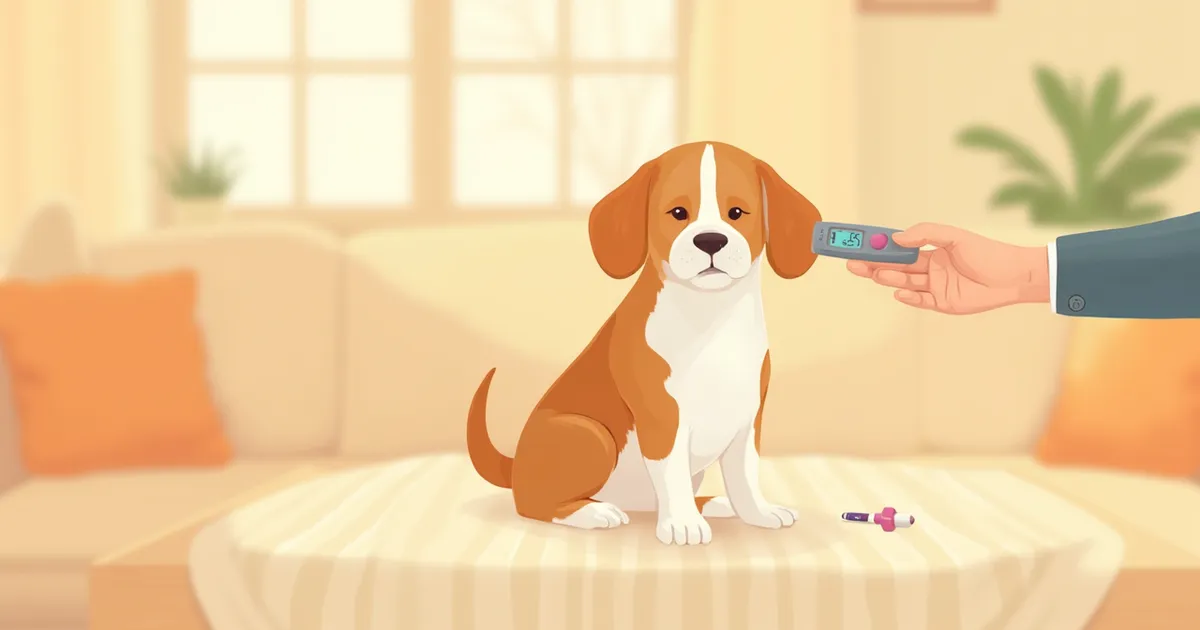
More pet owners are now using at-home glucose monitors and continuous glucose monitors (CGMs) designed specifically for pets. You can obtain a single drop of blood from the inner ear flap or the fleshy pad of the paw for testing. What to record: Logging the time of measurement, blood glucose level, food intake, insulin dosage, and notes on your pet’s condition is extremely helpful for your veterinarian when adjusting dosages. Using a smartphone notes app or a dedicated logbook app can make this process even more convenient.
A pet owner measuring their cat's blood sugar from the ear

Reviewed by a veterinarian

Dr. Tony — Punnawat Phongkittirak

Dr. Tony — Punnawat Phongkittirak

Veterinarian

A veterinarian who majored in veterinary medicine at Khon Kaen University, Thailand, and completed the IVSA program at North Carolina State University in the United States. Drawing on clinical experience at animal hospitals, he works in the pet healthcare field and is dedicated to building a digital care environment that connects pet parents with veterinarians.

Frequently Asked Questions

It seems like my pet moved during the injection, so it might not have been administered properly. Should I give another injection?
If you're unsure, don't administer another dose—wait until the next scheduled time. Giving an extra dose is far more dangerous than a low blood sugar level. If you feel it's absolutely necessary, call your veterinarian first to confirm.
Is it okay to give injections in the same spot repeatedly?
Repeatedly applying the product to the same spot can cause the skin to thicken and reduce absorption. Rotate the application site among the back of the neck, both shoulders, and the sides of the body.
How should I pack insulin when traveling?
Transport the insulin in an insulated bag along with ice packs. Wrap the ice packs in a towel to prevent them from directly touching the insulin vial. Insulin should always be carried in your carry-on luggage when flying.
Can I switch from insulin to an oral medication?
The cornerstone of diabetes management for both dogs and cats is insulin injections. According to veterinary textbooks, oral hypoglycemic medications offer no clear advantages over insulin therapy in terms of cost, time, or the frequency of re-evaluation. Additionally, metformin is not recommended as a treatment for diabetes in cats. Therefore, please do not switch to oral medications on your own; any changes to the type or dosage of insulin should be determined by your veterinarian.
It looks like insulin leaked out after the injection. What should I do?
Do not administer any additional doses; simply leave it as is. At the next scheduled injection time, administer the usual dose. If blood glucose levels remain high, please inform your veterinarian so we can discuss adjusting the dosage.

Share

Related Guides

References

[1] Plumb's Veterinary Drug Handbook, 10th Ed - Insulin, General Information

[2] Advanced Monitoring for Small Animal Emergency and Critical Care, 2nd Ed

[3] Handbook of Veterinary Pharmacology - Hormones and Agents Affecting Endocrine Function

This information is based on veterinary literature and does not replace diagnosis or treatment. Please consult a veterinarian for specific health concerns.

Metapet Co., Ltd. | CEO: Park Sung-yong | Business Reg. No. 417-88-02562 | Seoul, South Korea | Customer Center

Insulin Administration and Storage Guide for Dogs and Cats | Meongsiljang