Like
Share
멍실장
가정에서 호흡수 측정하는 방법 — 정상 수치와 위험 신호

How to Measure Your Pet’s Respiratory Rate at Home — Normal Values and Warning Signs

RespiratoryQ&AMeongsiljang Veterinary Advisory Board

Here’s how to accurately measure your pet’s respiratory rate at home, along with normal values and guidelines for when to visit the vet. This is a key indicator for the early detection of heart and respiratory diseases.

What Is Home Respiratory Rate and Why Is It Important?

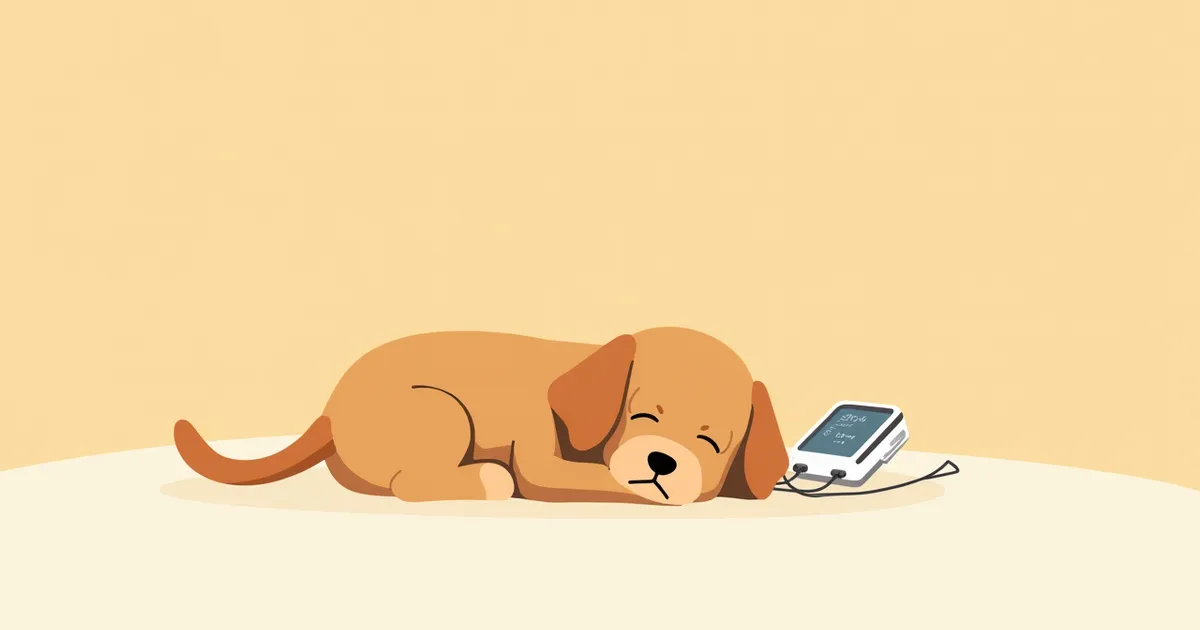
Using a smartphone stopwatch to measure the chest movements of a sleeping pet.
Home respiratory rate is a health metric where you, as the pet owner, directly count and record your pet’s breaths per minute while they are resting or sleeping comfortably at home. The most important measurement is the sleeping respiratory rate (SRR). Because it can signal worsening heart disease, pulmonary edema, or respiratory conditions even before clinical tests detect them, simply measuring for one minute at the same time each day helps ensure you don’t miss the optimal window for early veterinary care.

What Is a Normal Respiratory Rate?

These values apply when your pet is resting comfortably or sleeping. Please avoid measuring immediately after excitement or exercise. - Dogs: 10–30 breaths per minute - Cats: 20–30 breaths per minute - Pets diagnosed with heart disease: Fewer than 30 breaths per minute during sleep is considered stable A rate exceeding 40 breaths per minute is classified as tachypnea (rapid breathing), and 60 or more breaths per minute is typically an emergency. However, puppies, kittens, and small-breed dogs may naturally have slightly faster resting rates.

Comparison of Normal Respiratory Rates by Species and Condition

ItemDogCat
Normal During Sleep10–30 breaths/min20–30 breaths/min
Caution Needed30–40 breaths/min30–40 breaths/min
Rapid Breathing (Tachypnea)40 or more40 or more
Suspected Emergency60 or more, or labored60 or more, or open-mouth breathing

Based on veterinary internal medicine textbooks and cardiology clinical guidelines. Values right after excitement or exercise are excluded.

How to Measure Respiratory Rate at Home (Step-by-Step)
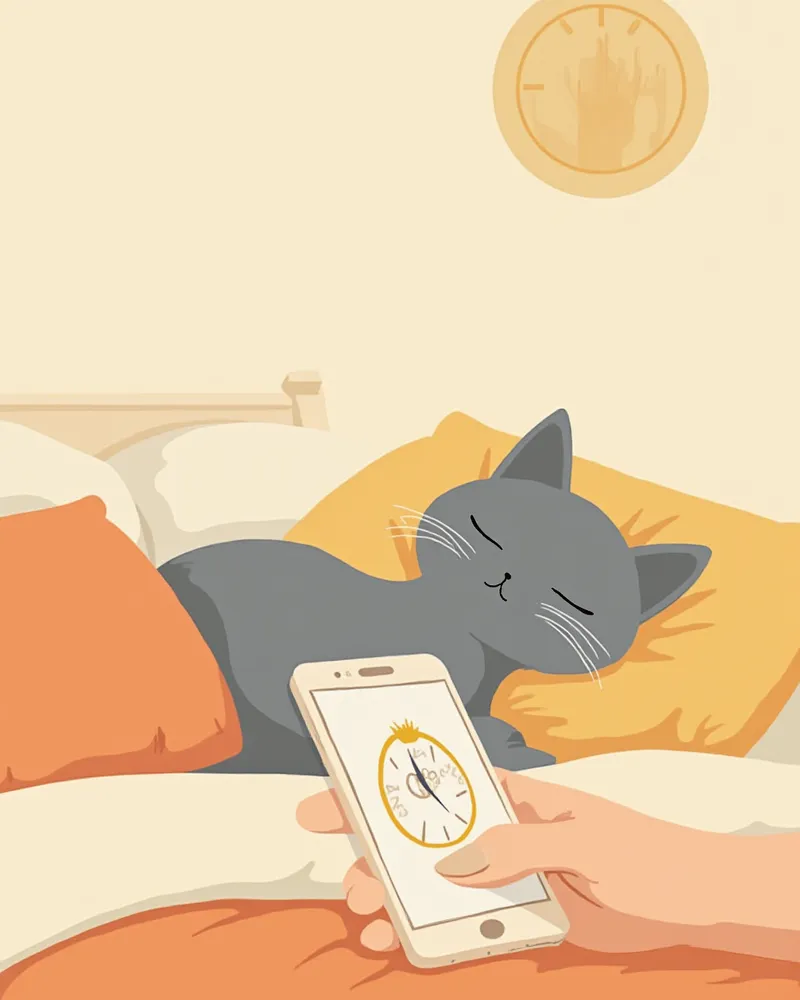
The key to accurately measuring your pet’s resting respiratory rate is to do it when they are in their most relaxed state. 1. Timing: Measure when they are asleep or lying quietly. Avoid measuring within 30 minutes after meals or walks. 2. Observation area: Count one complete cycle of the chest and abdomen rising and falling as one breath. 3. Measurement duration: Use a smartphone stopwatch to count for exactly 60 seconds. 4. Alternative method: If your pet moves frequently, count for 15 seconds and multiply by 4. 5. Recording: Save the date, time, and value in an app or notes. Measuring once or twice a day, ideally at the same time, makes it easier to track changes.
A pet owner’s hand using a smartphone to measure the chest movements of a sleeping cat

Respiratory Signs That Require Immediate Veterinary Care

If any of the following signs are present, seek emergency veterinary care immediately: - A resting respiratory rate exceeding 40 breaths per minute, especially over 60 breaths per minute - Open-mouth breathing or a bluish discoloration of the tongue (particularly dangerous in cats, as this is rare) - Labored breathing with pronounced abdominal movement (abdominal breathing) - Coughing accompanied by frothy or pink-tinged discharge - Sudden collapse or reluctance to move For pets with heart disease, a resting respiratory rate exceeding 30 breaths per minute for three consecutive days may indicate early-stage pulmonary edema.

Why Is 'Respiratory Rate During Sleep' Important?

According to veterinary internal medicine textbooks, worsening congestive heart failure in dogs with heart disease (particularly left atrial enlargement and mitral valve regurgitation) leads to pulmonary edema, with an increased respiratory rate at rest being the earliest clinical sign. By measuring your dog’s respiratory rate while asleep at the same time each day, you can detect abnormalities several days before they would be visible on hospital diagnostics such as chest X-rays or echocardiograms. This monitoring approach is equally valuable for managing chronic respiratory conditions like bronchitis and asthma.
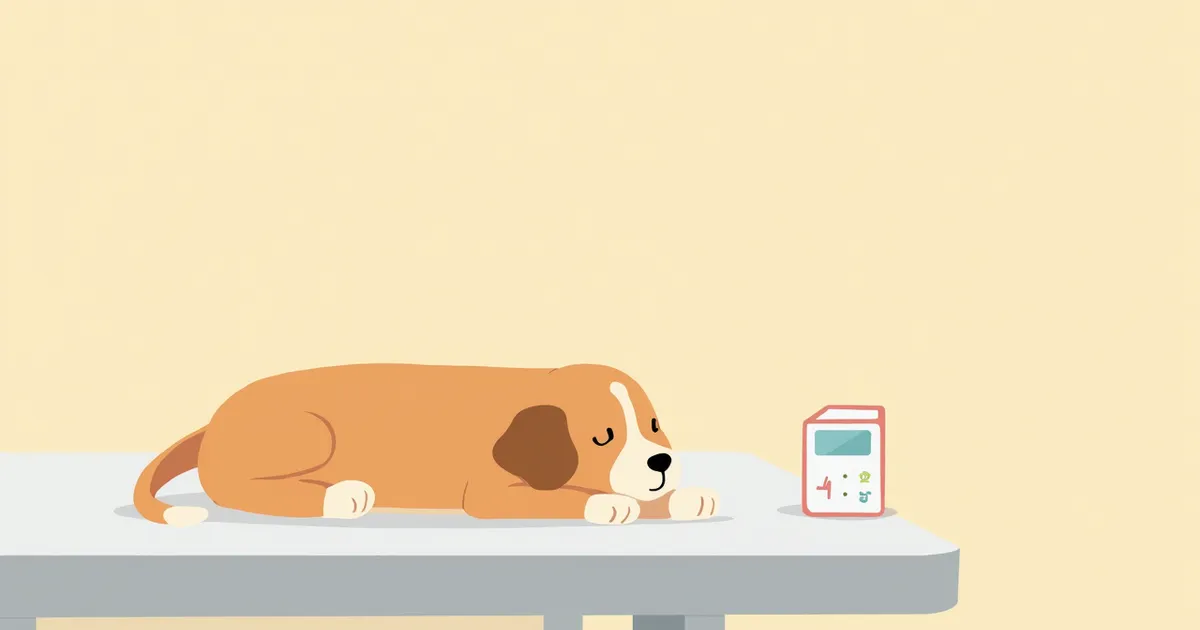
An elderly dog taking heart medication sleeps peacefully.

5 Common Mistakes When Measuring Respiratory Rate

- Measure during movement: Tail wagging or REM sleep can cause fluctuations. Measure during stable breathing periods. - Mistake panting for respiratory rate: Panting on hot days or after walks is for temperature regulation, not for assessing respiratory rate. - Judge based on a single measurement: Don't panic if it's high for one day. Look at the average over 2-3 days. - Wake the cat to measure: Cats can experience sudden spikes in readings due to stress. Always measure only when they are voluntarily asleep. - Apply puppy/kitten standards directly to adults: According to textbook (Plumb's) standards, young puppies have 15-30 breaths per minute, and young kittens have 20-30 breaths per minute, similar to adult dogs and cats. While they may be slightly higher than usual, it's difficult to uniformly consider "30-40 breaths as normal," so please confirm your pet's baseline with your veterinarian.

Points for Cat Owners to Pay Special Attention To

Cats are masters at hiding illness, so by the time respiratory symptoms appear, the condition is often already advanced. While open-mouth breathing is a normal way for dogs to cool down, it’s almost always an emergency sign in cats. Additionally, hypertrophic cardiomyopathy (HCM) can progress silently before suddenly worsening with pulmonary edema or blood clots. If your cat has a heart murmur detected during a health checkup, be sure to record their resting respiratory rate every day.

How to Use Records for Veterinary Consultations
Just taking a measurement and then forgetting it is pointless. Consistently logging the numbers provides critical data for your veterinarian during consultations. - What to record: Date, time of day (morning/evening), respiratory rate, condition (sleeping/resting), and any notable symptoms (coughing, appetite changes) - How to track: Smartphone notes, spreadsheets, or dedicated heart health apps are all fine - When visiting the clinic: Show your vet a screenshot of your logs from the past 1–2 weeks - When to seek immediate care: If your pet’s respiratory rate is 20% or more above their normal average for two consecutive days, consult your vet right away This single number can be the starting point for early treatment.
A pet owner recording their pet’s respiratory rate in a smartphone note.

Reviewed by a veterinarian

Dr. Tony — Punnawat Phongkittirak

Dr. Tony — Punnawat Phongkittirak

Veterinarian

A veterinarian who majored in veterinary medicine at Khon Kaen University, Thailand, and completed the IVSA program at North Carolina State University in the United States. Drawing on clinical experience at animal hospitals, he works in the pet healthcare field and is dedicated to building a digital care environment that connects pet parents with veterinarians.

Frequently Asked Questions

Should I measure my pet’s breathing rate even when it’s breathing faster during sleep?
No, that’s not quite right. Breathing becomes irregular during REM sleep (the dreaming phase), so it’s more accurate to measure during NREM sleep, when your pet is breathing deeply and steadily. If it seems like they’re dreaming, wait a moment and try again.
When is the best time of day to take a measurement?
The most stable times for measurement are right before bedtime or upon waking in the morning. For accurate results, wait at least 30 minutes to an hour after meals, walks, or playtime.
Is it dangerous if the measurement is high for just one day?
A single spike in heart rate may be due to temporary factors such as excitement, heat, or dreaming. However, if the rate significantly exceeds 40 beats per minute or is accompanied by open-mouth breathing or coughing, immediate veterinary care is necessary.
Do puppies and kittens follow the same guidelines?
According to Plumb’s Veterinary Drug Handbook, young puppies have a normal respiratory rate of 15–30 breaths per minute, and young kittens 20–30 breaths per minute, which is similar to the range for adult dogs and cats. Contrary to common belief, their rates are not always significantly higher; however, individual animals may fall toward the higher end of the range depending on their condition. Please consult your veterinarian to determine the appropriate baseline for your pet based on their age and specific health status.
What is the normal respiratory rate for a dog taking heart medication?
For dogs with heart disease, a resting respiratory rate below 30 breaths per minute during sleep is considered normal. If the rate exceeds 30 breaths per minute for three consecutive days, it may be an early sign of pulmonary edema, so please consult your veterinarian immediately.

Share

Related Guides

References

[1] Textbook of Respiratory Disease in Dogs and Cats, Chapter 9 (Respiratory Minute Volume and Alveolar Ventilation)

[2] Small Animal Critical Care Medicine, 3rd Ed — Respiratory Monitoring

[3] Feline Emergency and Critical Care Medicine, 2nd Ed — Respiratory Assessment

[4] Ettinger's Textbook of Veterinary Internal Medicine, 8th Ed — Cardiology (Sleeping Respiratory Rate as a CHF marker)

This information is based on veterinary literature and does not replace diagnosis or treatment. Please consult a veterinarian for specific health concerns.

Metapet Co., Ltd. | CEO: Park Sung-yong | Business Reg. No. 417-88-02562 | Seoul, South Korea | Customer Center

How to Measure Your Pet's Respiratory Rate at Home | Meongsiljang