Like
Share
멍실장
강아지 미토탄·트릴로스탄 치료 자주 묻는 질문 Q&A — 보호자가 꼭 알아야 할 핵심

Have questions about drug treatment for Cushing’s disease in dogs? — Efficacy and selection points for trilostane and mitotane

EndocrineQ&AMeongsiljang Veterinary Advisory Board

We’ve compiled frequently asked questions about mitotane and trilostane, the medications used to treat Cushing’s disease in dogs. We’ll walk you through how these drugs work, important precautions, and how to monitor your dog’s response.

What is mitotane and trilostane treatment for dogs?
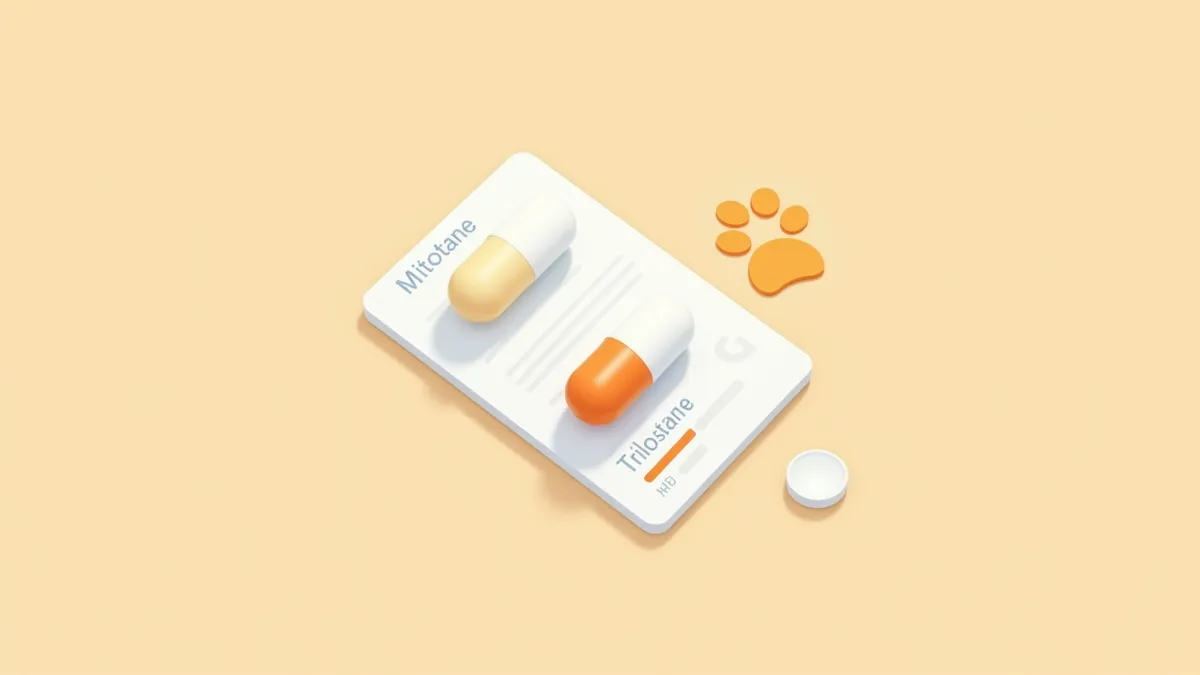
Photos of the medications mitotane and trilostane
Mitotane and trilostane are medications used to treat Cushing’s disease (hyperadrenocorticism) in dogs by regulating the excessive hormones secreted by the adrenal glands. - Mitotane: This drug selectively destroys cells in the zona fasciculata and zona reticularis of the adrenal cortex, thereby reducing hormone production. When effective, it can relatively quickly improve appetite and water intake. However, because it may cause permanent adrenal necrosis and adrenal insufficiency, regular monitoring is essential. - Trilostane: This medication works by inhibiting steroid synthesis (such as cortisol) in the adrenal glands. Although it is approved for treating Cushing’s disease in many countries, it can cause sudden adrenal necrosis and acute emergencies during the initial treatment phase, so it cannot be simply categorized as having fewer side effects or being safer. For both medications, an accurate diagnosis and prescription by a veterinarian are essential. During treatment, closely monitor for changes in symptoms and potential side effects, and regular examinations are strictly necessary to ensure the drug’s efficacy and safety.

What are the differences between the two medications?
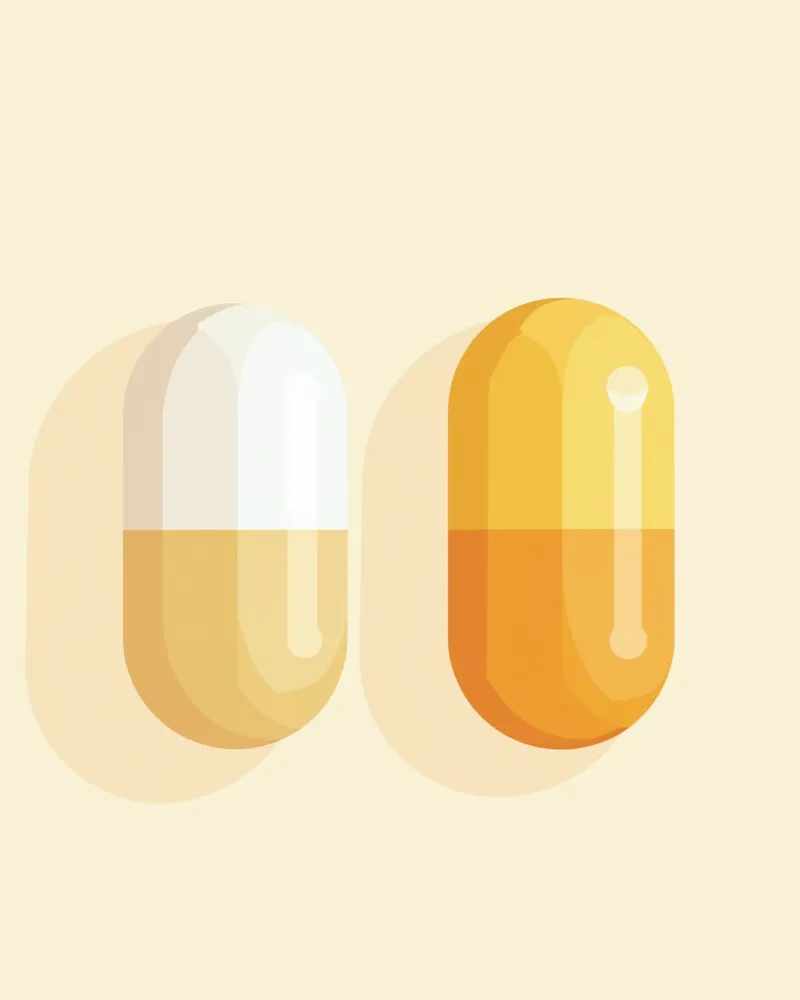
- Mitotane: This medication works by directly destroying cells in the zona fasciculata and zona reticularis of the adrenal cortex. When effective, improvements in appetite and water intake can appear relatively quickly. However, because it can cause permanent adrenal necrosis and adrenal insufficiency, regular blood tests and ACTH stimulation tests are essential for monitoring. - Trilostane: This drug reversibly inhibits steroid synthesis in the adrenal glands, meaning hormone levels tend to recover relatively easily once the medication is stopped. However, it is not considered free of side effects, as sudden issues such as adrenal necrosis can occur during the initial treatment phase. Your veterinarian will choose between these two medications based on the treatment goals and your pet’s individual condition. It is helpful to carefully record any changes in symptoms while on medication, as the monitoring schedule and methods will vary depending on the specific drug used.
Comparison photo of Mitotane and Trilostane medications

What side effects should be monitored during treatment?
Both medications can cause side effects such as nausea, diarrhea, loss of appetite, and lethargy. Mitotane may induce adrenal insufficiency (adrenal necrosis), with the highest risk occurring within the first 16 weeks of treatment; therefore, contact your veterinarian immediately if fatigue, signs of shock, or persistent loss of appetite occur. Trilostane also carries the risk of sudden adrenal necrosis during the initial treatment phase, so vigilance is essential. Monitoring primarily involves ACTH stimulation tests and pre-dose cortisol levels, alongside blood tests to assess overall health. Carefully observe your pet for any behavioral or physical changes while on medication, and consult your veterinarian to consider dosage adjustments if side effects arise. Consistent management is crucial to ensure both the efficacy and safety of the treatment.
A veterinarian reviewing blood test results.

Mitotane vs. Trilostane: Key Comparison

ItemMitotaneTrilostane
Mode of actionDestruction of adrenal cortex cells (zona fasciculata and zona reticularis)Inhibition of steroid synthesis (3-β HSD)
Risk of side effectsPossible adrenal necrosis and hypofunctionPossible adrenal necrosis and sudden crisis early in treatment
MonitoringACTH stimulation test every 3–6 monthsRegular checks with ACTH stimulation test and pre-dose cortisol
Suitability for long-term useDose adjusted based on symptoms and test resultsApproved in many countries and commonly the drug of choice

Both drugs carry a risk of adrenal necrosis, so the veterinarian selects the appropriate drug and monitoring based on the patient's condition.

What to watch out for after starting treatment?

Symptoms often improve within 6 to 14 days after starting medication, though individual response times may vary. Do not stop the medication; continue administering it consistently as directed by your veterinarian. Specifically, mitotane is best absorbed and causes less stomach irritation when given with a meal containing fat, and maintaining a consistent daily dosing schedule helps ensure stable therapeutic effects. Before administering any other medications or supplements that could affect drug absorption or metabolism, such as ketoconazole, be sure to consult your veterinarian. After starting treatment, it is helpful to record changes in symptoms, appetite, and activity levels, and to monitor treatment efficacy through regular check-ups and veterinary assessments.
A dog taking its medication and the owner recording the dosage schedule.

Signs requiring immediate veterinary visit

If your pet experiences severe nausea, persistent diarrhea, signs of shock (such as fainting or difficulty breathing), or a complete loss of appetite while taking medication, contact your veterinarian immediately. These could be signs of adrenal insufficiency.

How to monitor treatment effectiveness?
Treatment effectiveness is monitored by your veterinarian through regular ACTH stimulation tests and blood work to check hormone levels. - Blood tests: These evaluate liver enzymes, electrolytes, and cortisol levels to assess how well the medication is working and whether any side effects are present. However, electrolyte levels alone are not reliable for predicting adrenal response. - Symptom monitoring: Your vet will look for improvements in Cushing’s disease symptoms such as frequent urination, excessive thirst, weight changes, and lethargy. During the first year of treatment, dose adjustments may be necessary, so ACTH stimulation tests are typically recommended every 3 to 6 months. If the medication is ineffective or causes severe side effects, dosage adjustments will be needed. Consistent monitoring is key to successful treatment.
A veterinarian drawing blood from a puppy

Reviewed by a veterinarian

Dr. Tony — Punnawat Phongkittirak

Dr. Tony — Punnawat Phongkittirak

Veterinarian

A veterinarian who majored in veterinary medicine at Khon Kaen University, Thailand, and completed the IVSA program at North Carolina State University in the United States. Drawing on clinical experience at animal hospitals, he works in the pet healthcare field and is dedicated to building a digital care environment that connects pet parents with veterinarians.

Frequently Asked Questions

Will the symptoms return if I stop the medication?
Yes, stopping the medication can cause hormone levels to rise again and symptoms to return. In most cases, long-term medication management is necessary.
Which is better, Mitotan or Trilostane?
Trilostane is a medication approved for treating Cushing’s disease in many countries and is commonly chosen. However, because trilostane carries a risk of adrenal necrosis during the initial phase of treatment, your veterinarian will make the decision based on your pet’s individual circumstances.
Is dietary management necessary while your pet is taking medication?
While special dietary adjustments aren't strictly necessary, giving medication with food can help reduce gastrointestinal discomfort. In particular, Mitotan is better absorbed when taken with a meal that contains fat.
How long is the treatment period?
Treatment is typically long-term and tailored to each pet’s individual condition. Because symptoms can recur if medication is stopped, ongoing veterinary monitoring is essential.
What are the side effects of trilostane?
Nausea, diarrhea, and decreased appetite are common and usually temporary. However, in rare cases, adrenal necrosis can occur shortly after starting treatment, leading to a sudden emergency. If your pet shows signs of shock, fainting, or complete loss of appetite, seek veterinary care immediately.

Share

Related Guides

References

[1] BSAVA. (2022). BSAVA Manual of Canine and Feline Dermatology, 4th Ed.

[2] Ettinger, S.J., Feldman, E.C., Côté, E. (2017). Textbook of Veterinary Internal Medicine, 8th ed. Elsevier.

[3] Feldman, E.C., Nelson, R.W., Reusch, C. (2015). Canine and Feline Endocrinology and Reproduction, 4th ed. Elsevier.

This information is based on veterinary literature and does not replace diagnosis or treatment. Please consult a veterinarian for specific health concerns.

Metapet Co., Ltd. | CEO: Park Sung-yong | Business Reg. No. 417-88-02562 | Seoul, South Korea | Customer Center

Dog Cushing's Drug Treatment FAQ: Trilostane vs Mitotane | Meongsiljang