

Why is postoperative hypothermia management important, and how should it be done?
Postoperative hypothermia is the most common complication, increasing the risk of delayed recovery, infection, and bleeding. We’ve outlined the key principles of hypothermia management and home care tips that pet owners should know.
What is postoperative hypothermia management?

Why does body temperature drop after surgery?
Temperature ranges for each stage of hypothermia
Overview of hypothermia stages
| Item | Mild | Moderate | Severe |
|---|---|---|---|
| Temperature range | 32-37°C | 28-32°C | Below 28°C |
| Main signs | Shivering, ataxia, peripheral vasoconstriction | Decreased consciousness, atrial arrhythmia, hypotension (shivering may be present) | Loss of shivering, ventricular arrhythmia, decreased or lost consciousness |
| Response | Passive warming (blankets, heating pads) | Active warming + immediately contact the hospital | Immediate emergency room |
Body temperature ranges are based on a veterinary textbook (Small Animal Critical Care Medicine). Below 37°C already falls within the mild hypothermia range.
Hypothermia signs to check at home
Go to the vet immediately if you see these signs
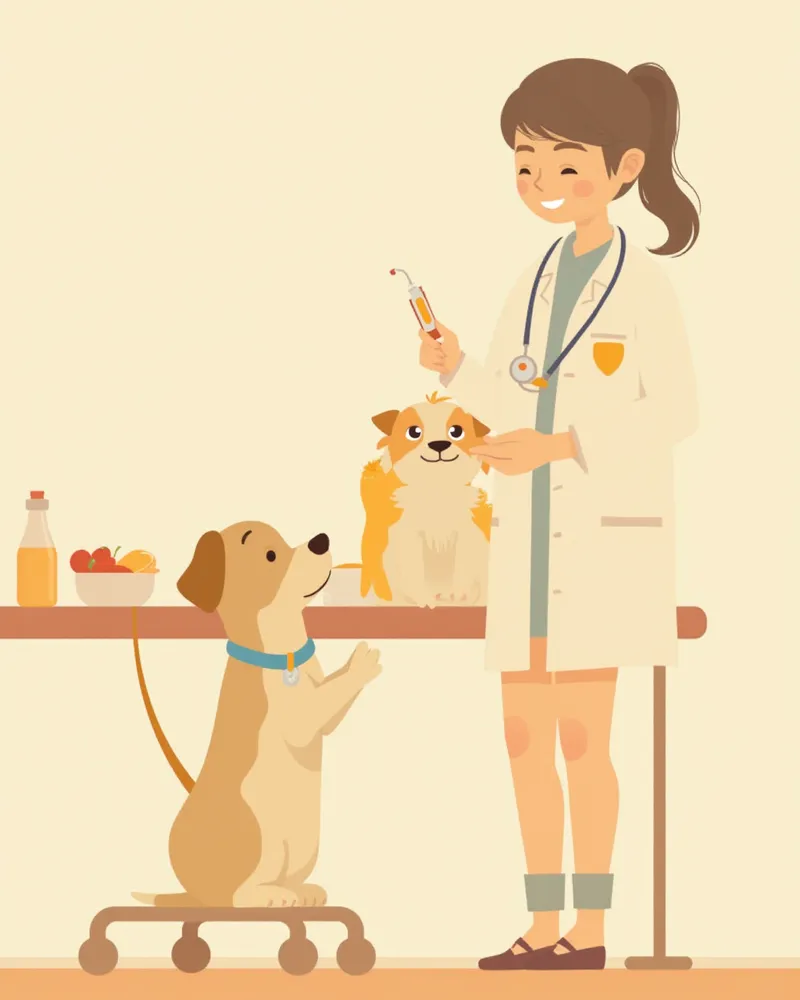
If your pet’s body temperature drops below 36°C (96.8°F), or if a shivering pet suddenly stops trembling and becomes limp, this is an emergency. In severe hypothermia, shivering ceases entirely, so the appearance of “calming down” is actually more dangerous. If the gums become pale or bluish, breathing slows, and consciousness becomes clouded, the body can no longer generate heat on its own. Do not attempt to warm your pet aggressively at home; instead, wrap them in a blanket and head to the clinic immediately.
Safe warming methods at home

Common mistakes made by pet owners
The most common mistake is applying excessive heat out of a desire to warm your pet up quickly. Placing a hot water bottle directly on the abdomen without a towel barrier, or blowing a hairdryer directly on the pet, can cause low-temperature burns. Additionally, offering cold water while the pet is still emerging from anesthesia poses a risk of aspiration pneumonia. Water should be offered in small amounts at room temperature only after the veterinarian has specified an appropriate time. The timing for reintroducing food varies depending on the type of surgery and the pet’s condition, so it is safest to strictly follow the discharge instructions and the timeline provided by your veterinarian.
How to check if body temperature has returned
How to support immunity and recovery speed
Reviewed by a veterinarian

Dr. Tony — Punnawat Phongkittirak
VeterinarianA veterinarian who majored in veterinary medicine at Khon Kaen University, Thailand, and completed the IVSA program at North Carolina State University in the United States. Drawing on clinical experience at animal hospitals, he works in the pet healthcare field and is dedicated to building a digital care environment that connects pet parents with veterinarians.
Reviewed 2026-04-23
Frequently asked questions
My pet keeps falling after surgery. Is this normal?
Is it okay to use an electric heating pad or a warming mat?
How often should I check my pet’s temperature?
Is hypothermia more dangerous for cats than for dogs?
When can I start giving my pet water and food?
Share
Related Guides

Primary vs. Secondary Veterinary Hospitals: A Comparison

5 Easy-to-Raise Cat Breeds for First-Time Owners — Grooming Difficulty Comparison

Top 7 Short-Legged Dog Breeds

Frequently Asked Questions (FAQ) on Canine Enamel Hypoplasia — Key Information for Pet Owners
Dog Dental Radiography FAQ — Key Information Every Owner Should Know

Recommended Frequency for Puppy Oral Exams: Frequently Asked Questions (Q&A) — Key Information Every Pet Owner Should Know

Dog Dental Preventive Treats & Chews FAQ — Key Points Owners Must Know

Dog Tartar and Plaque Prevention FAQ — Key Points Every Owner Must Know

Dog Oral Abscess & Dental Root Abscess FAQ — Key Information for Pet Owners

Puppy Cleft Palate FAQ — Key Information Every Owner Should Know
References
[1] Fossum TW. Preoperative and intraoperative care of the surgical patient. In: Small Animal Surgery, 3rd ed. Elsevier, 2007.
[2] Grimm KA et al. Veterinary Anesthesia and Analgesia: Lumb and Jones, 5th ed. Wiley-Blackwell, 2015.
[3] Small Animal Anesthesia and Pain Management: A Color Handbook, 3rd Edition.
[4] Hosgood G, Scholl DT. Evaluation of age as a risk factor for perianesthetic morbidity and mortality in the dog. J Vet Emerg Crit Care, 1998;8(3):222-36.