
Like
Share
멍실장
강아지 구충(훅웜) 자주 묻는 질문 Q&A — 보호자가 꼭 알아야 할 핵심

Frequently Asked Questions About Hookworms in Dogs — Key Information Every Pet Owner Should Know

Infection/ParasitesQ&AMeongsiljang Veterinary Advisory Board

We’ve compiled the most frequently asked questions from pet owners about hookworms in dogs. We’ll thoroughly explain the causes of infection, symptoms, prevention methods, and when treatment is needed.

What Are Hookworms in Dogs?
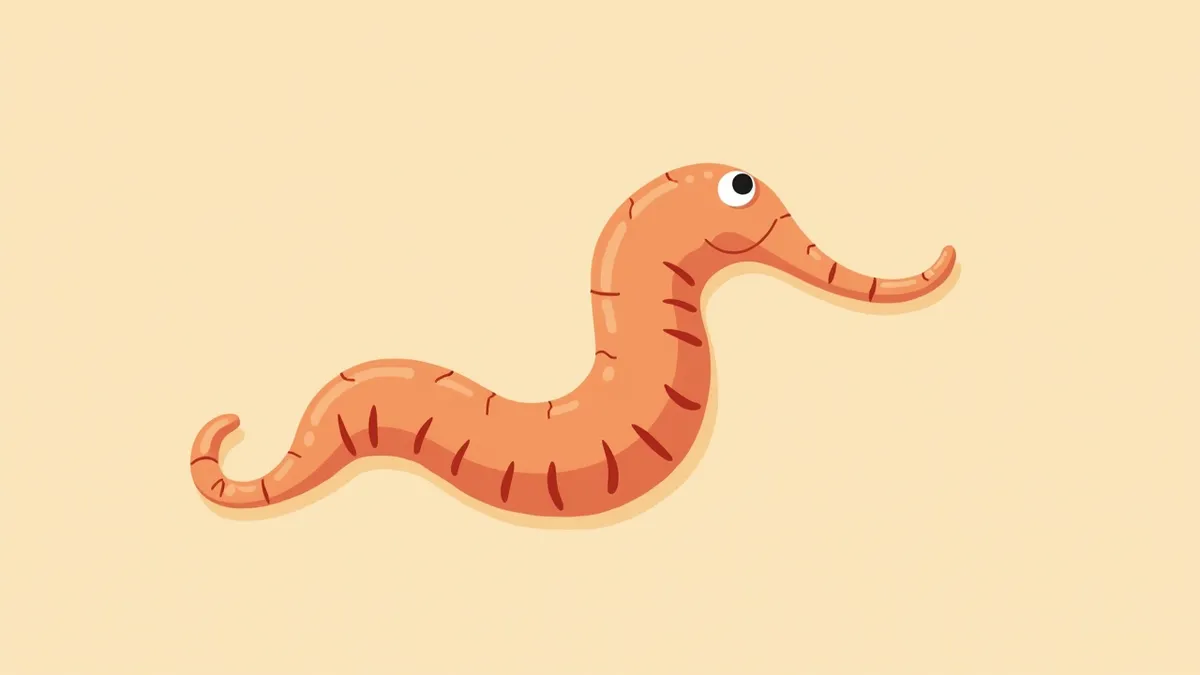
Microscopic image of hookworms parasitizing a dog’s small intestine
Hookworms are intestinal parasites that attach to the lining of a dog’s small intestine and feed on blood. In puppies with weakened immune systems, they can cause life-threatening hemorrhagic anemia. Infection occurs when larvae from contaminated soil or environments penetrate the skin—most commonly through the paw pads—or are ingested orally. Both skin penetration and oral ingestion are common routes of infection. These parasites can lead to anemia due to blood loss, as well as decreased appetite, weight loss, poor coat condition, and pica. Early detection and prevention are crucial.

What Are the Main Causes of Hookworm Infection?
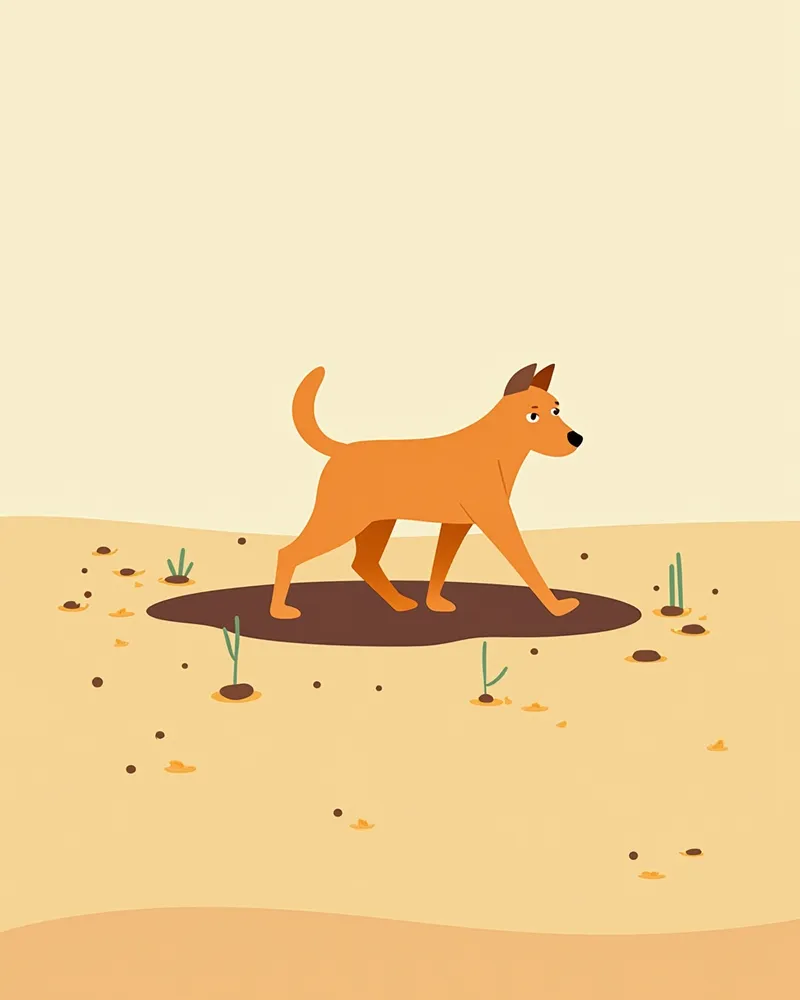
Hookworm infection typically begins when eggs in contaminated soil or feces hatch into infective larvae. Puppies can become infected when these larvae penetrate their skin—especially the paw pads—or are ingested while licking the ground. Both skin penetration and oral ingestion are common routes of infection. The risk is particularly high in outdoor areas with exposed soil, such as playgrounds, parks, and backyards. Once infected, a dog can shed thousands of eggs in its feces daily, contaminating the environment. Therefore, it’s important to wipe your dog’s paws after going outside and promptly clean up after them.
A scene showing a puppy's paw pads coming into contact with soil contaminated by hookworm eggs.

What Are the Main Symptoms of Hookworm Infection?

- Anemia symptoms: Blood loss causes the gums and conjunctiva to become pale. In puppies, hemorrhagic anemia can become severe enough to be life-threatening. - Small intestinal diarrhea: Loose stools or small intestinal diarrhea may occur, and appetite may decrease. - Weight loss: Even with adequate food intake, weight gain may be poor, and the coat may become rough. Pica, such as eating dirt or foreign objects, may also be observed. - Skin lesions between toes: Where larvae penetrate the skin, particularly between the toes, itching and skin lesions may develop. - Decreased activity: Due to anemia, your pet may appear easily fatigued and show less interest in play. If you notice any of these symptoms, consult your veterinarian immediately.
A puppy showing anemia and skin itching due to hookworm infection

Signs That Require Immediate Veterinary Care

If your dog suddenly collapses with weakness or if their gums and lips turn pale, seek veterinary care immediately. Severe hemorrhagic anemia can be life-threatening, so prompt treatment is essential. Additionally, itching in areas where larvae have penetrated the skin—particularly between the toes—may also indicate an infection.

How Is Hookworm Infection Diagnosed?
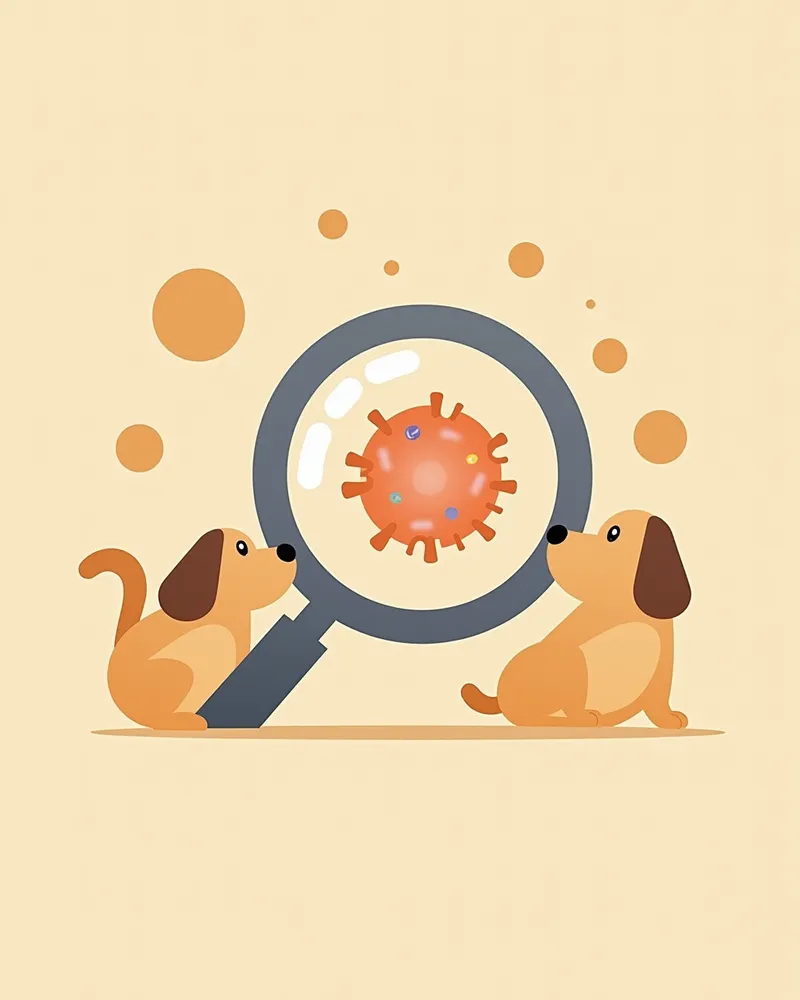
Hookworm infection is diagnosed by having a veterinarian examine your puppy’s stool for eggs. Stool testing allows for precise detection of hookworm eggs. In some cases, a blood test may also be performed to assess the degree of anemia. Early detection significantly improves treatment success rates, making regular health check-ups essential. Puppies and nursing mothers, in particular, require routine examinations. Prompt treatment should begin immediately after diagnosis.
A veterinarian examining a stool sample to detect hookworm eggs.

What Are the Treatment Options for Hookworms?
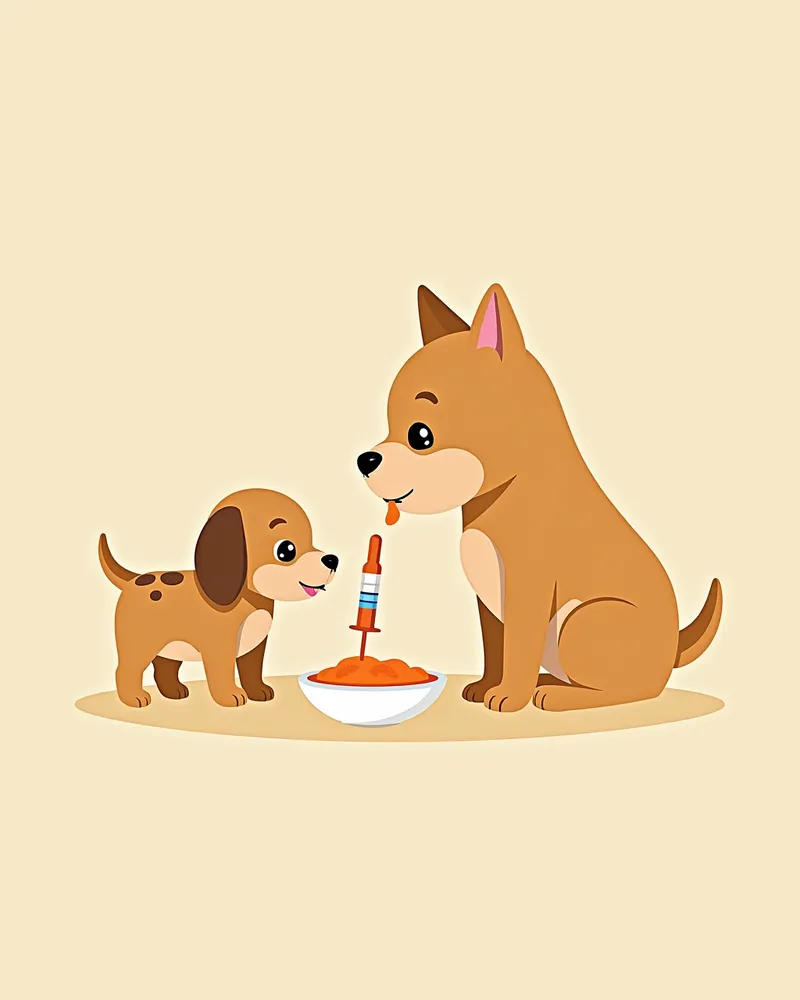
- Deworming: Administer dewormers such as Pyrantel or Fenbendazole as prescribed by your veterinarian. A single dose is not enough to eliminate all life stages of the parasite, so repeated treatments at regular intervals are necessary to prevent persistent infection. - Blood Support: Severely anemic puppies may require a blood transfusion (whole blood or packed red blood cells). - Supportive Care: Depending on the condition, provide supportive care to replenish nutrients and fluids. - Environmental Cleaning: Since environmental contamination is a primary cause of reinfection, promptly remove feces and thoroughly clean soil, toys, and other items. - Preventing Reinfection: During treatment, minimize exposure to contaminated environments and manage sources of contamination together. - Regular Check-ups: Even after treatment, confirm complete recovery through follow-up fecal examinations.
A veterinarian administering deworming medication to a puppy.

Key Management Points at Home

- Regular deworming: Administer deworming medication on a schedule recommended by your veterinarian. - Waste management: Clean up feces immediately after walks, and wash your hands thoroughly after handling waste. - Bathing and disinfection: Regularly clean and disinfect your dog’s coat and living environment. - Pregnant/nursing mothers and puppies: Consult your veterinarian to establish a deworming plan. - Paw cleaning after outings: Wipe your dog’s paws clean after exposure to dirt or contaminated areas. - Limit contact with other dogs: Minimize interaction with dogs that may pose an infection risk. - Health monitoring: Consistently observe your dog’s appetite, activity level, and stool condition.
Pet owners cleaning up and disinfecting after their dog’s elimination

Symptoms and Responses by Stage of Hookworm Infection

ItemMain SymptomsManagement
MildSlight diarrhea, itchy skinRegular deworming medication, environmental cleaning
ModerateAnemia, weight loss, fatigueVeterinarian-prescribed dewormer, nutritional supplementation
SevereSevere anemia, shock, risk of deathImmediate hospital visit, blood transfusion and intensive treatment

When treated in the early stages of infection, the recovery rate is very high.

Reviewed by a veterinarian

Dr. Tony — Punnawat Phongkittirak

Dr. Tony — Punnawat Phongkittirak

Veterinarian

A veterinarian who majored in veterinary medicine at Khon Kaen University, Thailand, and completed the IVSA program at North Carolina State University in the United States. Drawing on clinical experience at animal hospitals, he works in the pet healthcare field and is dedicated to building a digital care environment that connects pet parents with veterinarians.

Frequently Asked Questions

Can hookworms be transmitted to humans?
Yes, hookworms can also be transmitted to humans. Eggs shed in the feces of infected dogs develop into larvae in the soil, which can then penetrate human skin and cause infection. Infection typically occurs when walking barefoot on contaminated soil or sitting on dirt or sand, and it can lead to a skin condition known as cutaneous larva migrans, so caution is advised.
When should I start preventing hookworms?
The exact timing depends on your puppy’s environment and level of exposure to infection. In general, younger puppies often start preventive care earlier, so it’s best to consult with your veterinarian to create a customized prevention plan tailored to your dog’s life stage and risk factors.
How long do hookworms live?
The exact lifespan varies depending on the type of parasite and environmental conditions. Adult worms reside in the small intestine, and infected dogs can shed large numbers of eggs in their feces for extended periods. Therefore, management practices to prevent environmental contamination and reinfection are of utmost importance.

Share

Related Guides

References

This information is based on veterinary literature and does not replace diagnosis or treatment. Please consult a veterinarian for specific health concerns.

Metapet Co., Ltd. | CEO: Park Sung-yong | Business Reg. No. 417-88-02562 | Seoul, South Korea | Customer Center

5 Essential Facts About Dog Hookworms: Answers to Your Top Questions | Meongsiljang