Like
Share
멍실장
강아지 기생충 예방약 내성 문제 자주 묻는 질문 Q&A — 보호자가 꼭 알아야 할 핵심

Frequently Asked Questions on Drug Resistance in Dog Parasite Preventives — Key Information Pet Owners Must Know

Infection/ParasitesQ&AMeongsiljang Veterinary Advisory Board

The issue of resistance to deworming medications in dogs is becoming increasingly common. We’ve compiled the key information pet owners need to know in a Q&A format.

Drug Resistance in Dog Parasite Preventives Is Becoming Increasingly Common

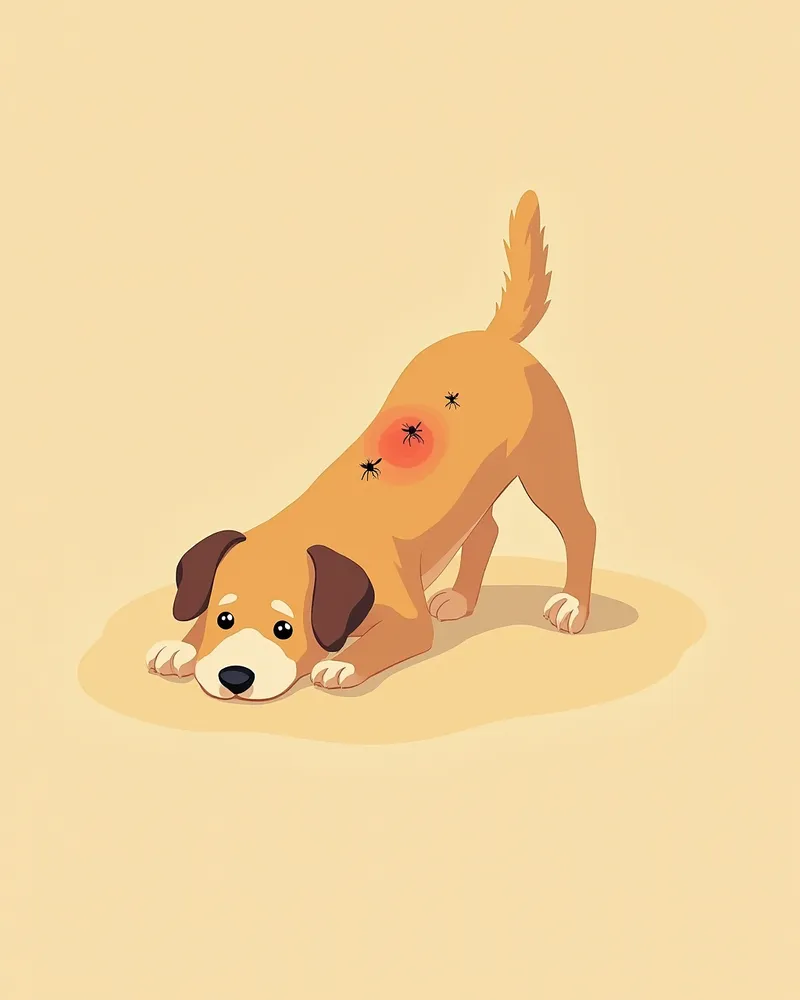
A puppy scratching due to itching caused by parasites.
Drug resistance in parasite preventives occurs when an increasing number of parasites within a population no longer respond to standard therapeutic doses, reducing the medication’s effectiveness. This can lead to prevention failure and warrants particular caution, as multidrug resistance has been reported in canine intestinal parasites, especially hookworms (Ancylostoma caninum). Resistance arises when repeated or incomplete drug use creates selective pressure, allowing resistance genes to be passed on through natural selection (a Darwinian process) and persist within the parasite population. Moreover, there is no evidence that resistance reverses to susceptibility once drug treatment stops, making it crucial to prevent resistance from developing in the first place. - Signs suggesting resistance: Fleas or ticks keep reappearing despite regular medication, or symptoms such as itching and skin rashes persist, or the drug’s effectiveness appears diminished. - Overreliance on a single drug class: Continuously using the same active ingredient can allow parasites to acquire resistance genes through natural selection. - Inconsistent administration: Skipping doses or using low-concentration products results in subtherapeutic drug levels, increasing the risk of resistance. - Need for a comprehensive approach: Consult your veterinarian to appropriately rotate active ingredients and combine medication with environmental management as part of an integrated control strategy. Effective prevention goes beyond simply administering medication.

What Are the Main Causes of Resistance?

The main causes of resistance to parasite preventives are repeated use of the same medication and reliance on a single active ingredient. When the same ingredient is used continuously, parasites can acquire resistance genes through natural selection. - Inconsistent administration: Skipping doses or reducing the amount can lead to insufficient drug levels, increasing the risk of resistance. - Product selection errors: Using low-cost or unclear formulations may reduce effectiveness and increase the likelihood of inducing resistance. - Simplified prevention strategies: Relying solely on one type of medication allows parasites to adapt and develop resistance. - Veterinary consultation is essential: Regularly rotating active ingredients and implementing a comprehensive prevention strategy is crucial. Effective management goes beyond simply giving medication.
A veterinarian explaining the issue of parasite resistance.

Four Key Signs of Resistance

If you suspect your pet’s parasite prevention medication isn’t working, don’t overlook these warning signs:
Recurring parasite sightings: Fleas or ticks keep appearing despite regular administration of preventive medication.
Persistent itching: Your pet continues to scratch excessively or develops recurring skin rashes even after taking the medication.
Diminished drug efficacy: A medication that previously worked well now seems to have lost its effectiveness.
Failure of multiple medications: Parasites persist despite trying several different active ingredients.
If you notice any of these signs, consider the possibility of resistance and consult your veterinarian.
A close-up view of parasites attached to a dog’s skin

Immediate Veterinary Visit Is Necessary If Resistance Is Suspected

If you feel that your pet’s parasite preventive medication isn’t working, don’t switch medications or increase the dosage on your own. Only a veterinarian can determine whether resistance has developed through proper testing. Improper handling can accelerate the spread of parasite resistance. Visit your vet immediately for an accurate diagnosis and to create a customized prevention plan.

Veterinary Examinations and Management When Resistance Is Suspected
If resistance is suspected, your veterinarian will first confirm the presence and viability of parasites through skin or hair examinations, or a fecal flotation test. - Recommendation to switch active ingredients: If resistance is suspected, switching to a medication from a different class with a different mechanism of action can help assess efficacy. For example, if resistance to a specific drug is suspected, your vet may consider switching to benzimidazoles (such as fenbendazole), macrocyclic lactones (such as moxidectin, milbemycin oxime, or ivermectin), or pyrantel. However, because cross-resistance is common within the same chemical class—meaning resistance to one drug often extends to others—it is essential to switch to an entirely different class. - Individualized treatment plans: Your veterinarian will consider your pet’s environment, lifestyle, and medication history to propose a tailored treatment plan. - Strict adherence to dosing instructions: Medications must be administered at the correct dosage and frequency to be effective. Underdosing can actually promote resistance. - Regular monitoring: Even after switching medications, it is important to continue monitoring for parasites and take additional steps if necessary. Managing resistance is a long-term strategy, not a short-term fix.
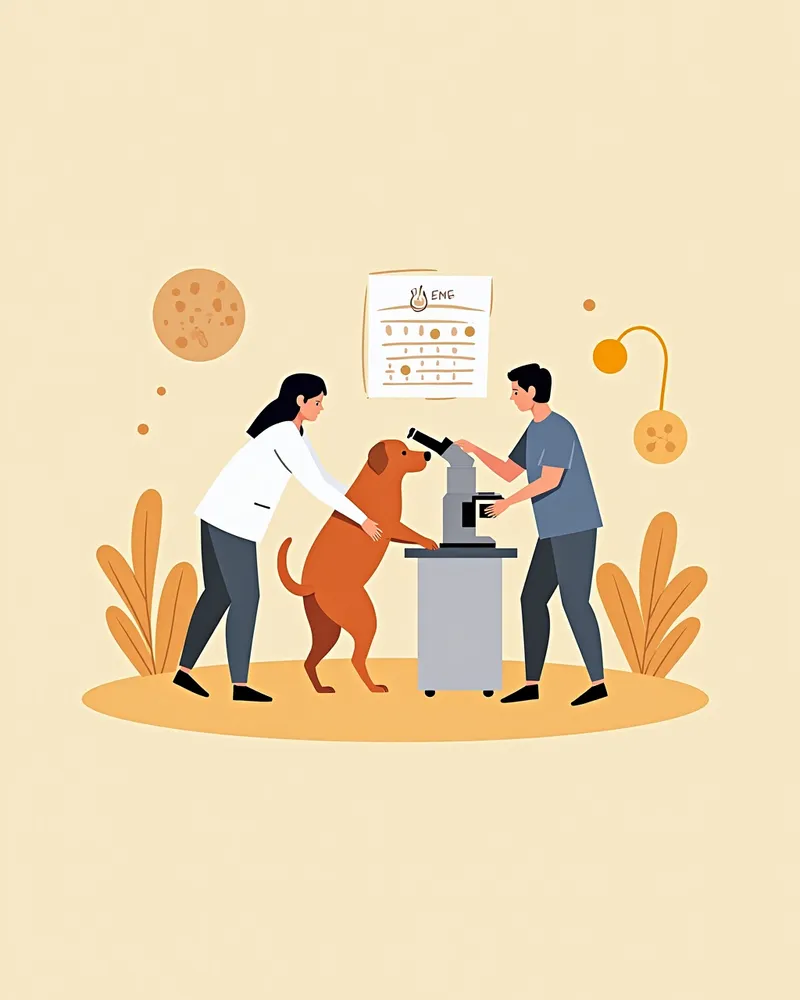
A veterinarian examining a puppy’s skin under a microscope.

Comparison of Strategies to Prepare for Parasite Preventive Resistance

ItemAdvantagesDisadvantagesSuitable Cases
Rotating various ingredientsCan prevent the spread of resistance genesMaintains long-term effectiveness with proper managementRequires regular veterinary consultation
Periodic drug rotationReduces the parasite's opportunity to adaptAdvantageous for maintaining drug concentrationRequires time for planning and management
Use of combination productsCan prevent multiple parasitesHigh ease of usePossibility of resistance developing

Choosing a personalized strategy after consulting a veterinarian is the safest and most effective approach.

Four Practical Tips for Preventing Resistance

To help prevent resistance to parasite preventatives, it’s important to follow these habits:
Plan for ingredient rotation: Work with your veterinarian to create a plan that alternates between medications with different mechanisms of action. Since cross-resistance is common within the same chemical class, switching to a completely different class of medication is key.
Regular testing: Schedule routine parasite screenings, such as fecal exams, to catch early signs of infection.
Verify product quality: Purchase only genuine products and always check the expiration date.
Environmental management: Promptly remove feces and regularly clean your home, including washing bedding and laundry, to significantly reduce the risk of parasite infestation.
These practices are essential in preventing resistance issues.
Dog owners cleaning their homes

Never Use Resistant Medications

If you suspect drug resistance, it is extremely dangerous to experiment with medications on your own or to overdose. Doing so can promote stronger resistance in the parasites and lead to more severe infections. Never change medications or increase dosages without your veterinarian’s guidance. Safe prevention begins with working together with a professional.

Reviewed by a veterinarian

Dr. Tony — Punnawat Phongkittirak

Dr. Tony — Punnawat Phongkittirak

Veterinarian

A veterinarian who majored in veterinary medicine at Khon Kaen University, Thailand, and completed the IVSA program at North Carolina State University in the United States. Drawing on clinical experience at animal hospitals, he works in the pet healthcare field and is dedicated to building a digital care environment that connects pet parents with veterinarians.

Frequently Asked Questions

Should I keep giving my pet parasite prevention medication even if it doesn’t seem to be working?
No. If you feel the medication isn’t working, consult your veterinarian right away. Continuing to use an ineffective drug can promote the development of drug resistance.
Can antibiotic resistance be treated?
Once resistance develops, it’s difficult to reverse even if you stop using the medication. However, switching to a drug from a different class with a different mechanism of action can effectively eliminate the parasites. Your veterinarian will create a customized treatment plan for your pet.
Can tolerance develop in humans as well?
Parasite resistance arises genetically within parasite populations, so it doesn’t transfer to humans in the same way drug resistance does. However, since some parasites can also infect humans, it’s important to maintain good hygiene practices.
Which parasites are most commonly associated with resistance issues?
In dogs, multidrug resistance has been reported in the intestinal parasite Ancylostoma caninum, and resistance is even more widely documented in gastrointestinal nematodes of livestock. In contrast, no studies have yet reported resistance in intestinal parasites of cats. The prevalence of resistance can vary depending on the region and management practices.
Which medication should I choose to help prevent resistance issues?
It is recommended to consult with your veterinarian to rotate medications with different mechanisms of action at appropriate intervals and, when necessary, use multi-active products that combine several active ingredients. It is best to avoid using a single medication continuously for extended periods.

Share

Related Guides

References

[1] BSAVA Manual of Canine and Feline Dermatology, 4th Ed (2017)

[2] Plumb's Veterinary Drug Handbook, 9th Ed (2021)

[3] American Veterinary Medical Association (AVMA) Parasite Control Guidelines (2022)

This information is based on veterinary literature and does not replace diagnosis or treatment. Please consult a veterinarian for specific health concerns.

Metapet Co., Ltd. | CEO: Park Sung-yong | Business Reg. No. 417-88-02562 | Seoul, South Korea | Customer Center

Dog Parasite Preventative Resistance: What You Need to Know | Meongsiljang