Like
Share
멍실장
강아지 요로결석 예방 식이 자주 묻는 질문 Q&A — 보호자가 꼭 알아야 할 핵심

Frequently Asked Questions on Preventive Diets for Canine Urinary Tract Stones — Key Information Every Pet Owner Should Know

UrinaryQ&AMeongsiljang Veterinary Advisory Board

Dietary management is the cornerstone of preventing urinary tract stones in dogs. We’ve compiled the essential questions and answers every pet owner should know.

What is a preventive diet for canine urinary tract stones?

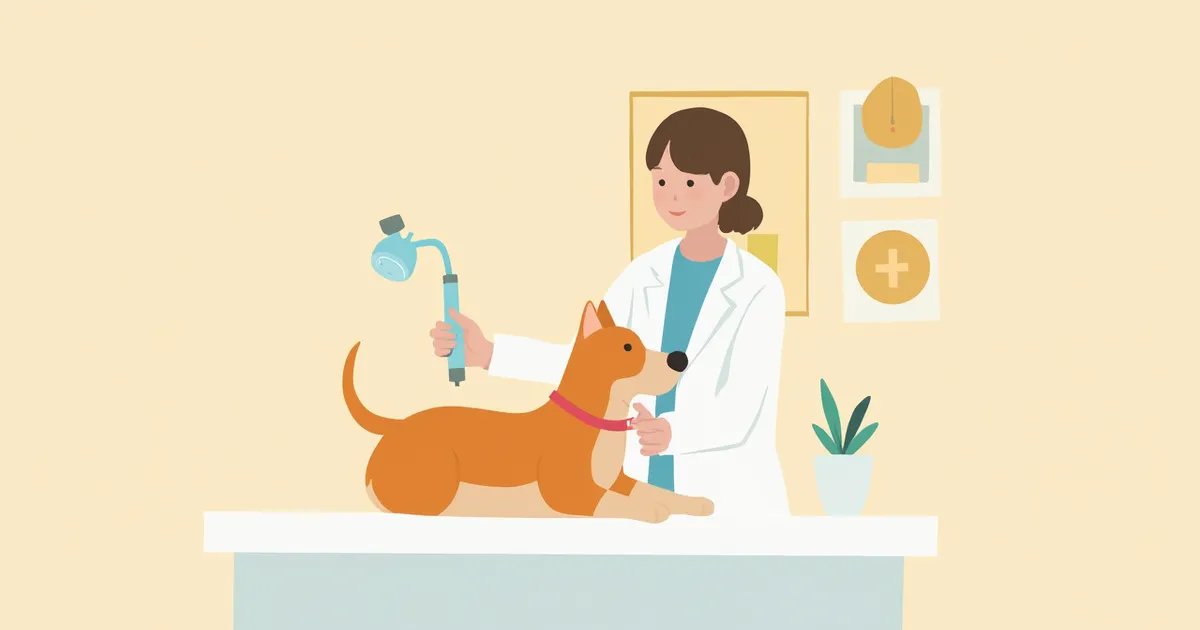
The bowl that comes with the urinary tract stone prevention diet for dogs, and urinary tract stones
Dietary plans for preventing urinary tract stones in dogs are specially formulated foods with precisely balanced nutrients to prevent stone formation. - Tailored to stone type: Protein, phosphorus, and magnesium levels are adjusted according to whether the stones are struvite or oxalate. - Urine pH management: Maintaining an alkaline or acidic urine environment helps block conditions that promote stone formation. - Encouraging hydration: High moisture content helps dilute urine and reduce the concentration of stone-forming substances. - Digestive comfort: Ingredients that support gentle digestion help minimize gastrointestinal stress. Consistent feeding can help maintain long-term urinary tract health.

What are the core principles of a preventive diet?

The key to a preventive diet is avoiding urine conditions that encourage stone formation. - Urine pH management: Struvite stones tend to form in alkaline urine, so keeping the urine slightly acidic is important for prevention. Conversely, to prevent calcium oxalate stones, it helps to maintain a mildly alkaline urine pH of 7.0–7.5 and keep the urine dilute. - Balanced nutrient levels: The levels of magnesium, phosphorus, calcium, sodium, and other nutrients are adjusted according to the type of stone to prevent an excess of stone-forming materials. - Encouraging water intake: Increasing water consumption dilutes the urine, making it harder for stone crystals to form. Using canned (wet) food can help boost water intake. - Supporting digestive comfort: Gentle ingredients are used to minimize stress on the stomach. - Preventing stone recurrence: Consistent feeding and regular care support long-term urinary tract health. Prescription diets are formulated to comprehensively address all these factors.
Microscopic image showing struvite crystals as seen by a veterinarian

Key factors to consider when choosing a preventive diet
When choosing a preventive diet, carefully verify that the product is specifically formulated for your pet’s type of urinary stone. - Stone-type specificity: For struvite stones, maintaining an acidic urine pH helps prevent recurrence, whereas calcium oxalate stones require keeping the urine pH slightly alkaline (7.0–7.5). - Moisture content: High-moisture diets (such as canned or wet food) are more effective at diluting urine, which lowers the concentration of stone-forming minerals. - Nutrient ratios: Select products with appropriate balances of magnesium, phosphorus, and calcium tailored to the specific stone type. - Ingredient quality: Products made with natural ingredients and free from artificial additives are safer choices. - Veterinary recommendation: Products recommended by a veterinarian based on diagnosis and urinalysis are highly reliable. It is essential to choose only verified, appropriate products.
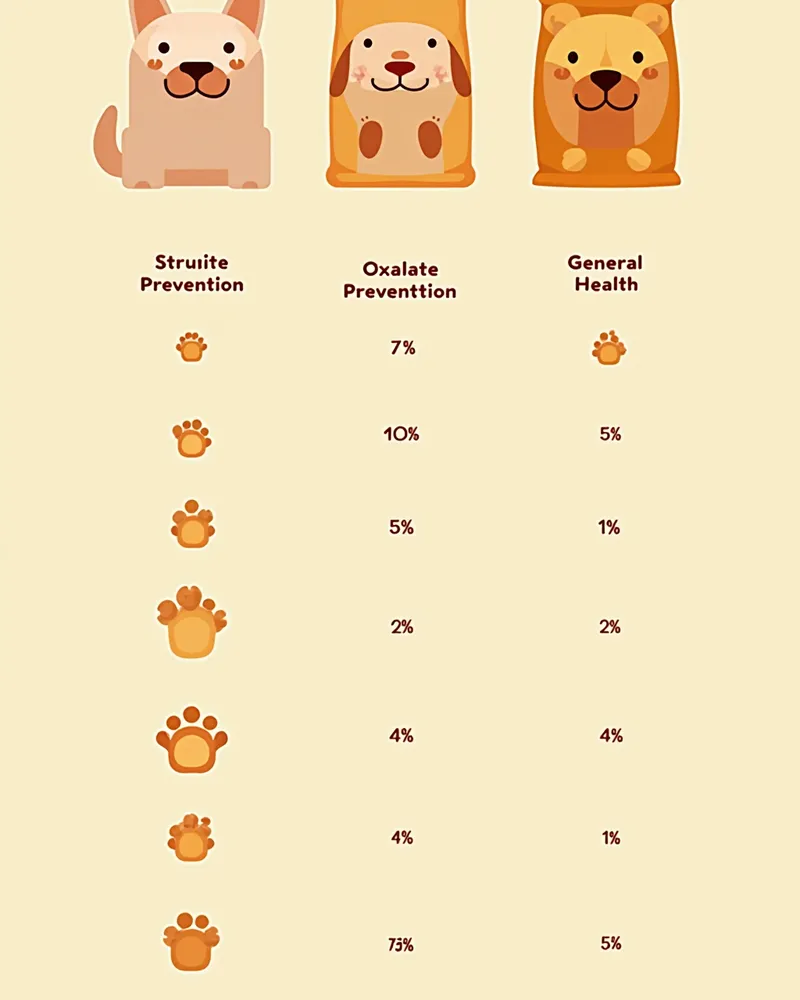
Comparison chart of struvite, oxalate, and general-purpose pet food

Comparison table of preventive diet types

ItemUrine pH ControlMain Ingredient ControlRecommended Food Examples
Struvite PreventionMaintain acidicReduce magnesium, phosphorusRoyal Canin Urinary S/O
Oxalate PreventionMaintain mildly alkaline (pH 7.0–7.5)Reduce calcium, oxalate, sodiumHill's Prescription Diet u/d
Combined PreventionMaintain neutralOverall nutritional controlPurina Pro Plan Veterinary Diets UR

Choose the appropriate food based on your veterinarian's diagnosis. Each food may require a separate prescription.

What to check before starting a preventive diet

- Veterinary consultation is essential: Always consult your veterinarian before starting a preventive diet. Your pet’s health status and medical history significantly influence the choice of food. - Perform a urinalysis: To accurately assess urinary tract health, it is safest to have a urinalysis performed. - Plan the food transition: Sudden changes in diet can cause diarrhea or vomiting, so transition gradually over 7–10 days. - Ensure adequate water intake: Alongside a preventive diet, make sure your pet drinks plenty of water. - Account for individual characteristics: Choose a diet appropriate for your pet’s age, weight, and activity level. Careful preparation safeguards long-term health.
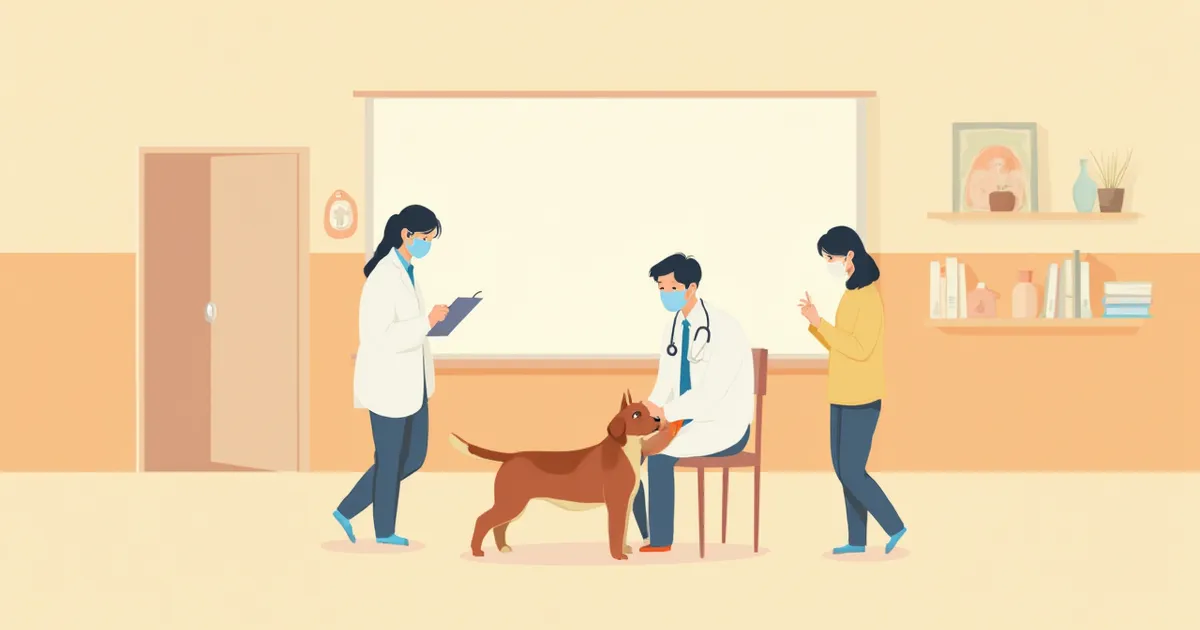
An image of a pet owner reviewing urine test results with a veterinarian

Sudden diet changes are risky

Sudden changes in diet can cause digestive issues, diarrhea, or vomiting. Always transition gradually over 7–10 days. Start by mixing the old and new food in a 7:3 ratio, then gradually adjust the proportions.

Good habits to practice alongside a preventive diet
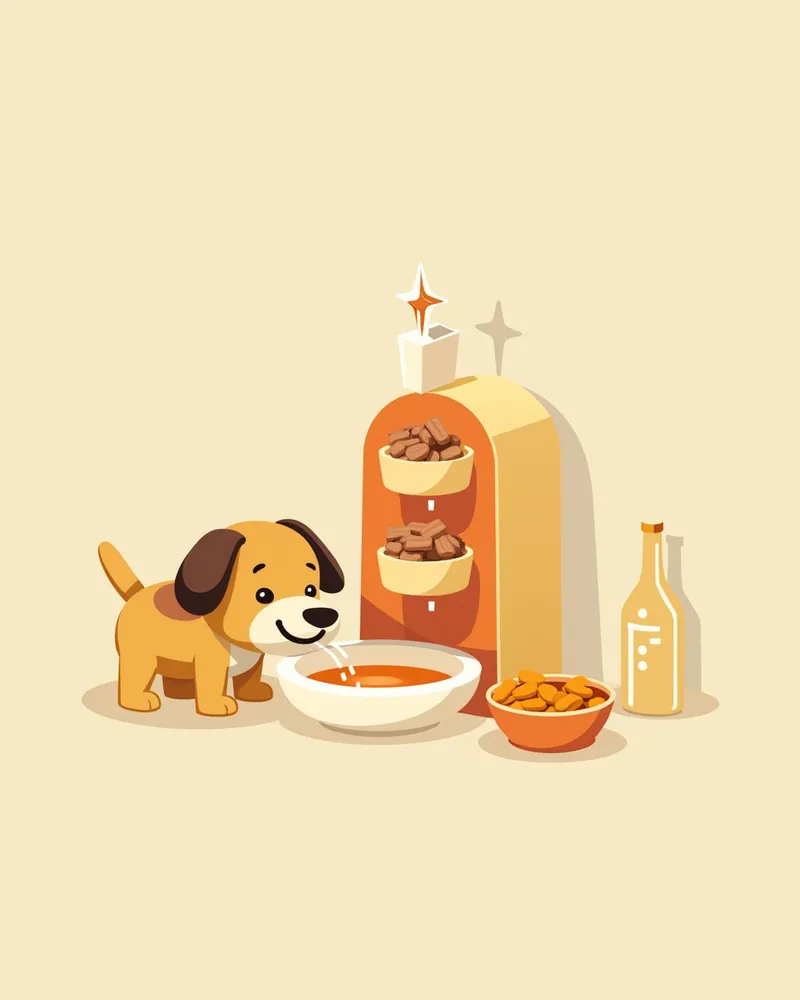
In addition to preventive diets, daily habits play a crucial role. - Increase water intake: Place multiple water bowls around the house and refresh the water frequently. - Monitor urination: Consult your veterinarian if you notice decreased urine output or dark-colored urine. - Regular walks: Exercise helps maintain healthy urinary tract function. - Stress management: Minimize stress for dogs that are sensitive to environmental changes or noise. - Regular check-ups: For dogs with a history of uroliths, monitor urinary tract health with urine tests and abdominal imaging every 4–6 months. - Consistent meal times: Regular feeding schedules help stabilize digestive function. Consistent habits contribute to long-term health. - Treat selection: Choose treats with ingredients similar to those in the preventive diet. Excessive treat consumption can disrupt nutritional balance.
An image showing a puppy drinking water using a water pump, along with preventive feed.

Reviewed by a veterinarian

Dr. Tony — Punnawat Phongkittirak

Dr. Tony — Punnawat Phongkittirak

Veterinarian

A veterinarian who majored in veterinary medicine at Khon Kaen University, Thailand, and completed the IVSA program at North Carolina State University in the United States. Drawing on clinical experience at animal hospitals, he works in the pet healthcare field and is dedicated to building a digital care environment that connects pet parents with veterinarians.

Frequently Asked Questions

Will feeding a preventive diet completely prevent stone formation?
Consistently feeding a preventive diet can significantly reduce the risk of stone recurrence, but it cannot guarantee complete prevention. Regular check-ups and ongoing management are essential.
Can I make a urinary stone prevention meal at home?
Because precise nutritional management is essential, preparing food at home can be risky. It’s safest to use a specialized diet recommended by your veterinarian.
Will feeding a preventive diet lead to deficiencies in other nutrients?
Veterinarian-approved specialty diets are formulated to provide balanced nutrition. With regular check-ups, you can rest easy knowing your pet won’t suffer from nutritional deficiencies.
My dog has diarrhea after starting the preventive diet. What should I do?
Diarrhea can occur during the transition period. Gradually transition over 7–10 days, and consult your veterinarian if it persists.
How should I give treats while my pet is on a preventive diet?
It is advisable to choose treats that have ingredients similar to those in preventive diets. Be cautious, as excessive treat consumption can disrupt nutritional balance.

Share

Related Guides

References

[1] Clinical Medicine of the Dog and Cat, 4th Ed, Chapter 13: Nephrology/Urology, 2020

[2] Notes on Canine Internal Medicine, 4th Ed, 2019

[3] Fundamentals of Veterinary Clinical Pathology, 3rd Edition, 2021

This information is based on veterinary literature and does not replace diagnosis or treatment. Please consult a veterinarian for specific health concerns.

Metapet Co., Ltd. | CEO: Park Sung-yong | Business Reg. No. 417-88-02562 | Seoul, South Korea | Customer Center

5 FAQs on Dietary Prevention of Canine Urinary Stones | Meongsiljang