Like
Share
멍실장
강아지 동종 개 공격성 자주 묻는 질문 Q&A — 보호자가 꼭 알아야 할 핵심

Why Does Your Puppy Growl at Other Dogs? — Warning Signs and Correction Timing

Brain & CognitionQ&AMeongsiljang Veterinary Advisory Board

Dog-on-dog aggression in puppies is a behavioral issue stemming from a combination of stress, anxiety, and wariness. Knowing the right way to respond can help reduce the risk.

What Is Puppy-on-Dog Aggression?
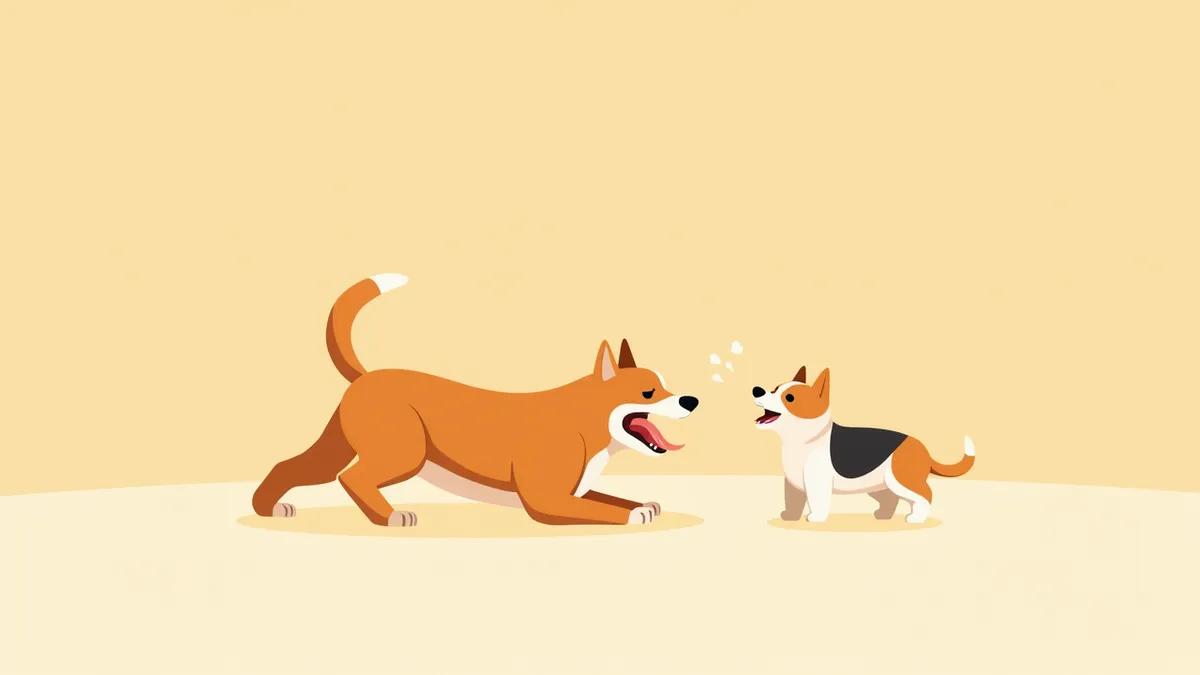
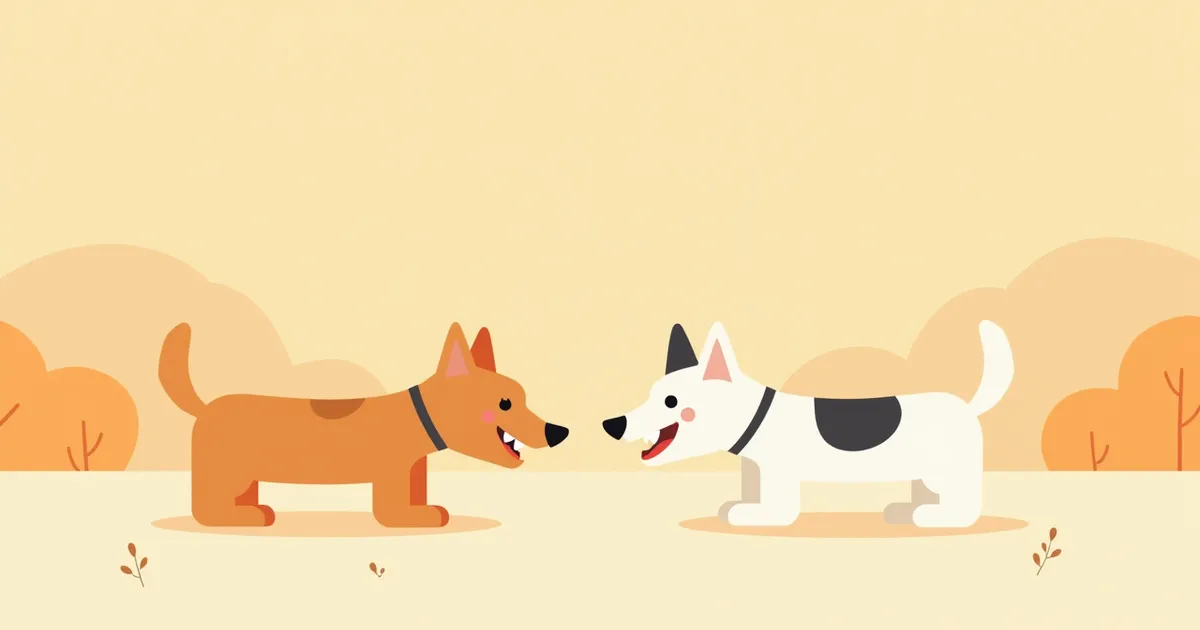
A puppy taking a threatening posture toward another dog
Canine aggression toward other dogs is a behavioral issue that manifests as threatening behavior or attempts to create distance from other dogs. In veterinary behavioral medicine, aggression is described as a "distance-increasing signal," a complex behavior that may involve threats and can cause physical or emotional harm. This is not simply a "personality flaw," but rather the result of multiple interacting factors, including emotions such as fear, anxiety, and frustration, as well as insufficient socialization during puppyhood. Furthermore, aggression itself is not a diagnosis; it can be a "signal" indicating underlying physical causes such as pain or medical conditions. Therefore, it is crucial to evaluate the owner's responses while simultaneously ruling out any medical causes.

Why Does Your Puppy Attack Other Dogs?
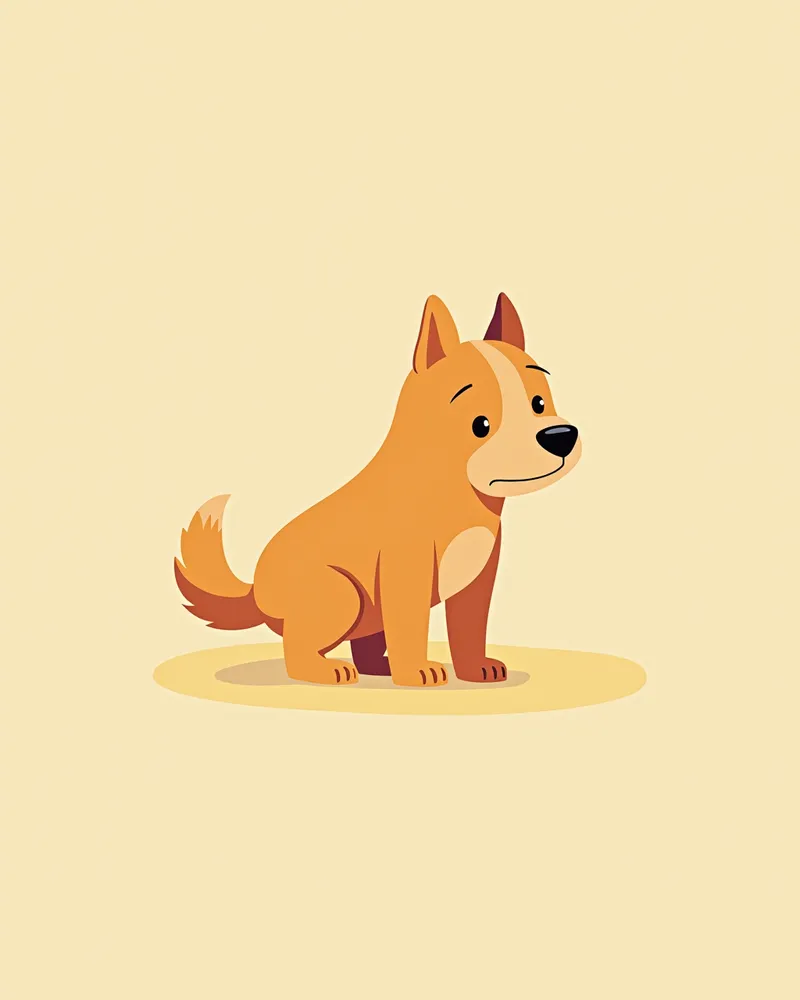
The main causes of dog-on-dog aggression in dogs include fear, anxiety, frustration, resource guarding, and insufficient socialization. Dogs that lacked positive experiences with other dogs during puppyhood are at a higher risk of aggression toward unfamiliar dogs. Additionally, physical discomfort from pain or illness can lower the threshold for aggression, causing aggressive responses to stimuli that would normally be tolerated. Therefore, it is important to first rule out medical issues through a physical examination when investigating the cause. It is also crucial to remember that using corporal punishment or coercive methods can actually increase aggressive behavior.
A puppy displaying fearful body language while avoiding other dogs

How to Differentiate Types of Aggression
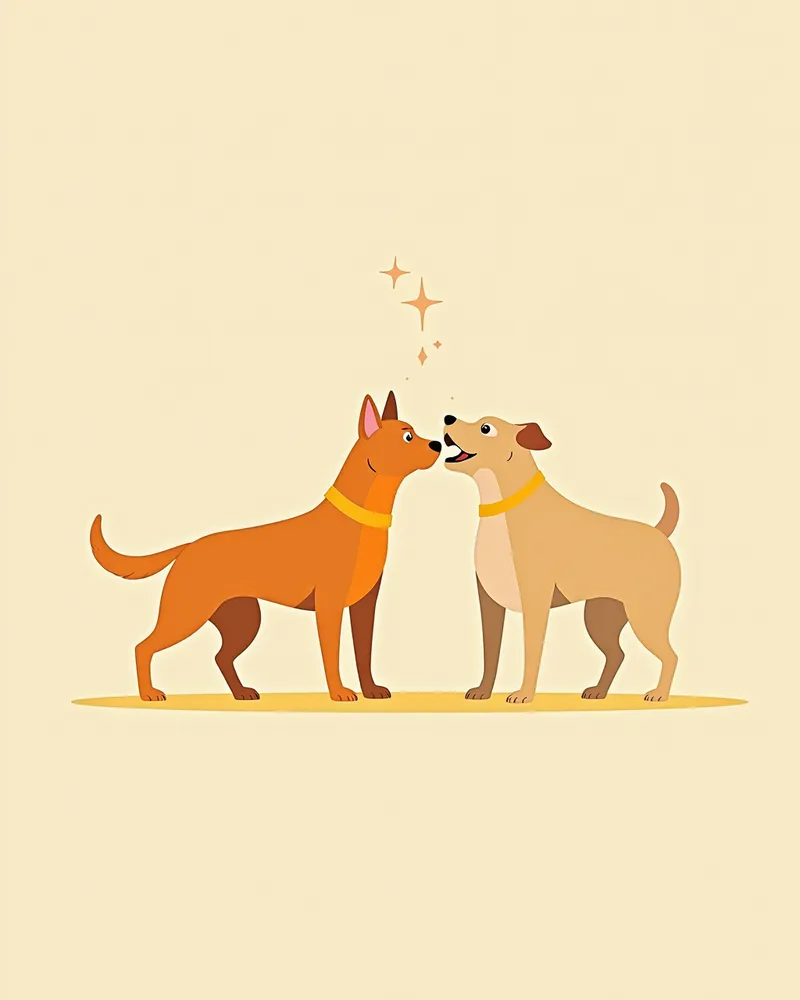
Dog-on-dog aggression in dogs may look similar on the surface—barking, growling, lunging, or biting—but it can be divided into several types based on the underlying motivation. Accurate classification makes it easier to determine the appropriate response. Regardless of the type, the first step is always to rule out medical causes such as pain or illness.
Fear/anxiety-based aggression: This occurs when a dog acts defensively toward other dogs due to fear or anxiety. The more anxious a dog is, the lower its aggression threshold, making these behaviors more likely to appear.
Resource-guarding aggression: This involves aggressive behavior aimed at protecting food, toys, or sleeping areas. In some contexts, this can be considered normal behavior.
Territorial aggression: This is a defensive or aggressive response when another dog appears in a specific area. Confinement or tethering can worsen this behavior.
Redirected aggression: This happens when a dog redirects its aggression toward a nearby dog instead of the original source of stimulation.
Since the appropriate response varies by type, it’s best to first rule out medical causes and then identify the specific category of aggression.
Puppies that display aggressive behavior toward other dogs in various situations

Comparison of Characteristics and Responses by Aggression Type

ItemTypeKey FeaturesResponse MethodPrecautions
Fear/Anxiety-based aggressionThreatens out of fear or anxiety when another dog approachesChange emotional state through desensitization and counterconditioningApproach slowly so as not to heighten anxietyAnxiety lowers the aggression threshold
Resource-guarding aggressionAttacks to protect treats, toys, or beddingTrade (counterconditioning) training, teaching alternative behaviorsDon't take the resource away—trade for itForcibly taking it worsens the aggression
Territorial aggressionGuards a specific place and attacks other dogsManage stimulus exposure, control the environmentReduce situations of being tied up or confinedRestraint or restriction can make it worse
Redirected aggressionTurns aggression onto a nearby dog rather than the stimulus sourceDistance from the triggering stimulus, teaching alternative behaviorsBlock arousal-inducing stimuli in advanceAn unintended target may get hurt

For any type, first rule out medical causes such as pain or disease, then choose the response method suited to the type for effective improvement.

When to Visit the Vet Immediately

If your dog injures another dog during an attack or suddenly displays aggression that differs from its usual behavior, consult a veterinarian immediately. Aggression is not a diagnosis in itself but may signal underlying physical issues such as pain, endocrine disorders, or neurological conditions. Therefore, it is important to first rule out medical causes through a physical examination and basic tests. Pain or discomfort can lower the threshold for aggression, triggering attacks even in response to minor stimuli. Additionally, trembling, panting, or appearing tense after an aggressive incident are signs of severe stress. Your safety is also paramount; in dangerous situations, separate the dogs immediately and seek professional assistance.

Safe Response Techniques and Training Methods
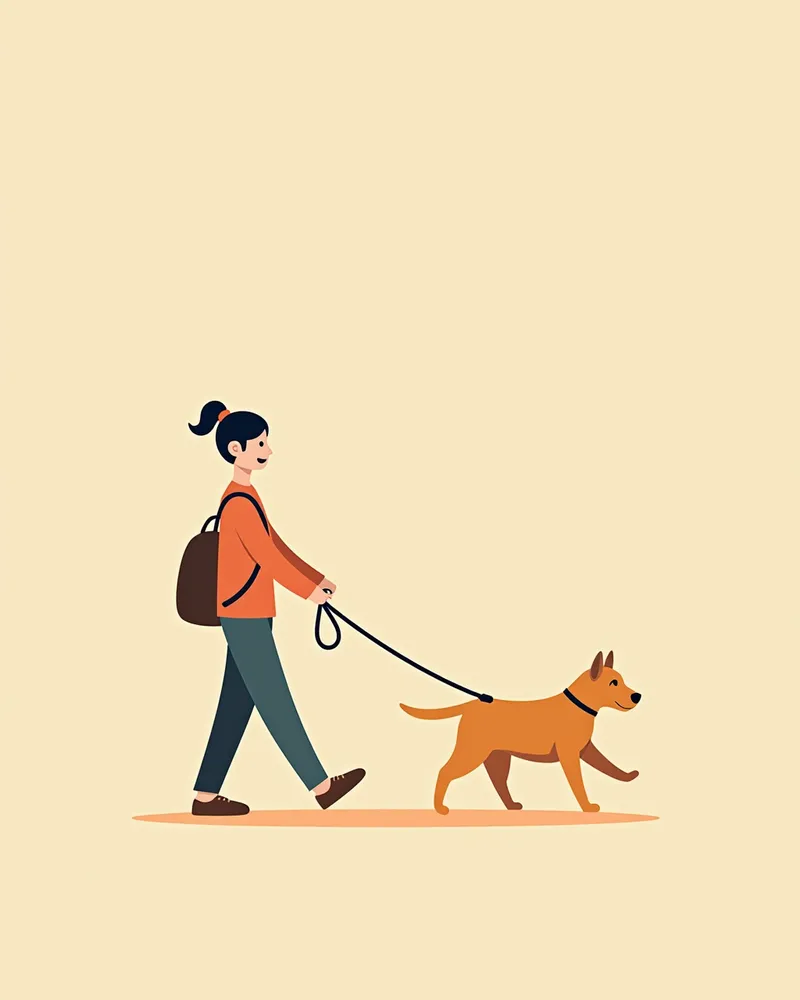
To address dog-on-dog aggression in dogs, creating a safe environment is paramount. First, avoid places and times where encounters with other dogs are likely, and maintain control by keeping the leash short during walks. Using your body to block the dog’s line of sight can also be effective. Additionally, it’s essential to recognize pre-aggressive signals and immediately interrupt the behavior through training. Veterinary behaviorists recommend “exchange training” and “redirecting training,” which require consistent responses from the owner to be effective.
A pet owner adjusting the leash to avoid other dogs during a walk

Actions to Absolutely Avoid

When your dog attacks another dog, pulling them away or using force to stop them can actually worsen their aggression. Additionally, scolding or punishing your dog after an attack can increase their anxiety and potentially reinforce the aggressive behavior. The key is to understand your dog's emotions and train them gradually in a safe environment. While immediate intervention is necessary, it's important to avoid aggressive responses.

Long-Term Management and Prevention Strategies
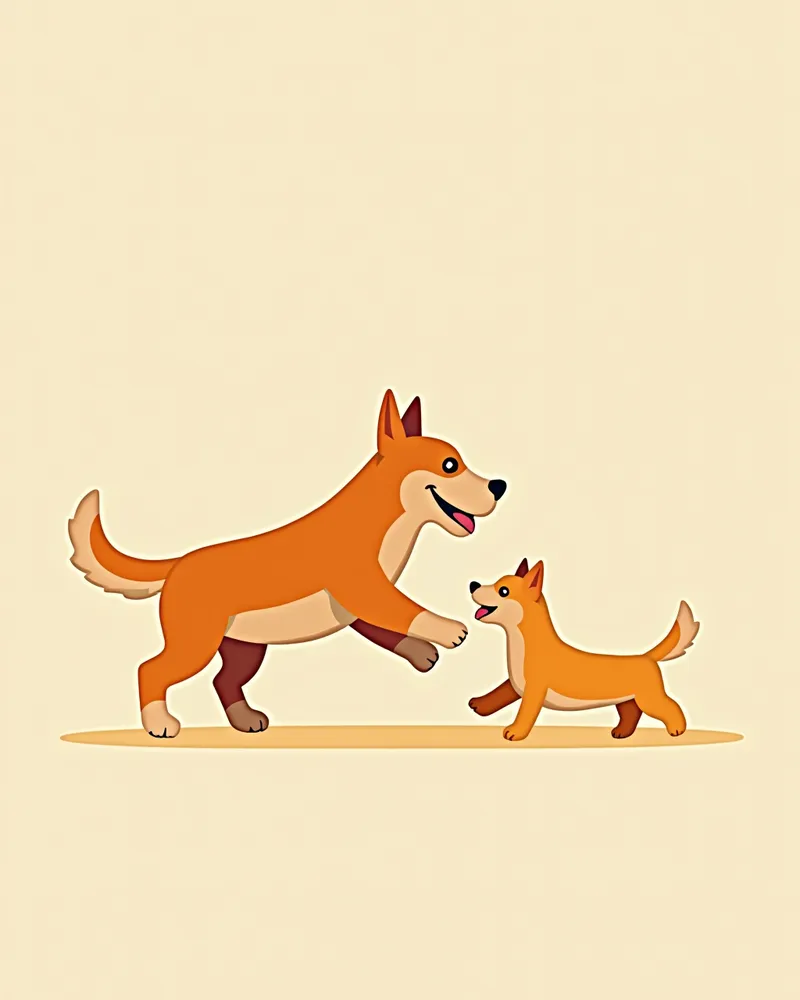
Aggression toward other dogs in dogs is difficult to resolve in the short term, so long-term management is essential. Reducing stress and building positive experiences through daily walks, play, and training is key. Early-life socialization is especially important, as positive encounters with various dogs can help prevent aggression. Veterinary behaviorists recommend "socialization training" and "emotional regulation training," with the owner's patience and consistency being the most critical factors.
A puppy playing positively with other dogs in a controlled environment.

Reviewed by a veterinarian

Dr. Tony — Punnawat Phongkittirak

Dr. Tony — Punnawat Phongkittirak

Veterinarian

A veterinarian who majored in veterinary medicine at Khon Kaen University, Thailand, and completed the IVSA program at North Carolina State University in the United States. Drawing on clinical experience at animal hospitals, he works in the pet healthcare field and is dedicated to building a digital care environment that connects pet parents with veterinarians.

Frequently Asked Questions

Is my dog’s aggression toward other dogs a personality issue?
This isn’t so much a personality issue as a behavioral problem stemming from fear, anxiety, frustration, and inadequate socialization. Moreover, aggression is not a diagnosis in itself; it can be a sign of underlying physical issues such as pain or illness. Therefore, it’s important to rule out medical causes before starting any behavioral training.
Should I start training immediately if my pet shows aggression?
It’s important to train your pet to recognize the warning signs that precede aggressive behavior and to stop the behavior before it escalates. However, scolding or punishing your pet after an aggressive incident can increase fear and anxiety, which may actually worsen the aggression. Therefore, training should be conducted gradually in a safe environment.
What should I do if my dog attacks another dog?
Separate the animals immediately and keep them on a leash. Blocking their line of sight or shielding them with your body can also help. However, be careful not to drag or force them down, as this can escalate the aggression. Wait until they have calmed down before starting any training.
Can dog-to-dog aggression be completely cured?
With proper training and management, this can be greatly improved. However, it’s important to first rule out any medical causes, and the owner’s consistency and patience play the most significant role.
How can I prevent my dog from attacking other dogs?
Adjust your dog’s walking schedule and avoid areas where other dogs frequently gather. Consistent socialization training from puppyhood, along with building positive experiences, can help prevent behavioral issues.

Share

Related Guides

References

[1] Appleby, D., Bradshaw, J., and Casey, R. (2002). Relationship between aggressive and avoidance behaviour by dogs and their experience in the first six months of life. Vet. Rec. 150 (14): 434–438.

[2] Rayment, D., De Groef, B., Peters, R., and Marston, L. (2015). Applied personality assessment in domestic dogs: limitations and caveats. App. Anim. Behav. Sci 163: 1–18.

[3] Shuler, C., DeBess, E., Lapidus, J., and Hedberg, K. (2008). Canine and human factors related to aggression in dogs. J. Am. Vet. Med. Assoc. 232(11): 1617–1623.

This information is based on veterinary literature and does not replace diagnosis or treatment. Please consult a veterinarian for specific health concerns.

Metapet Co., Ltd. | CEO: Park Sung-yong | Business Reg. No. 417-88-02562 | Seoul, South Korea | Customer Center

Why Does My Dog Growl at Other Dogs? Warning Signs and When to Correct | Meongsiljang