Like
Share
멍실장
강아지 사회화 부족 자주 묻는 질문 Q&A — 보호자가 꼭 알아야 할 핵심

My Puppy Trembles at Strangers and New Environments — Is It Due to Insufficient Socialization?

Brain & CognitionQ&AMeongsiljang Veterinary Advisory Board

We’ve compiled the most common questions from pet owners about insufficient socialization in dogs, covering causes, symptoms, and correction methods, all based on veterinary behavior science.

What Is Insufficient Socialization in Puppies?
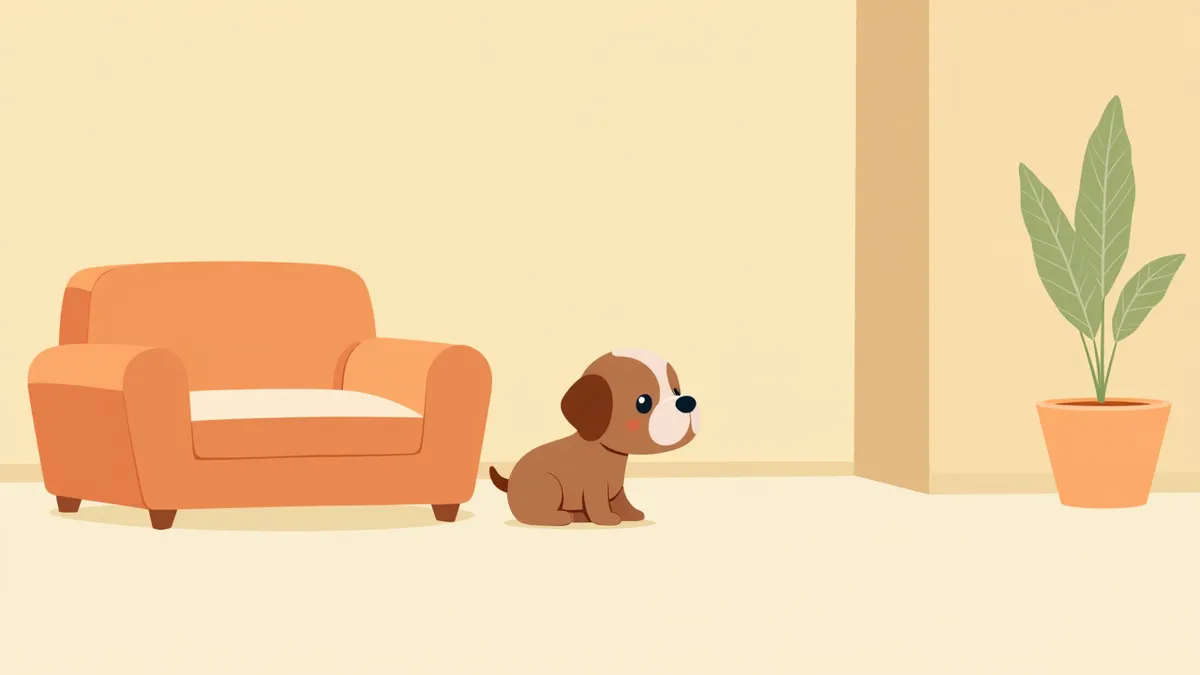
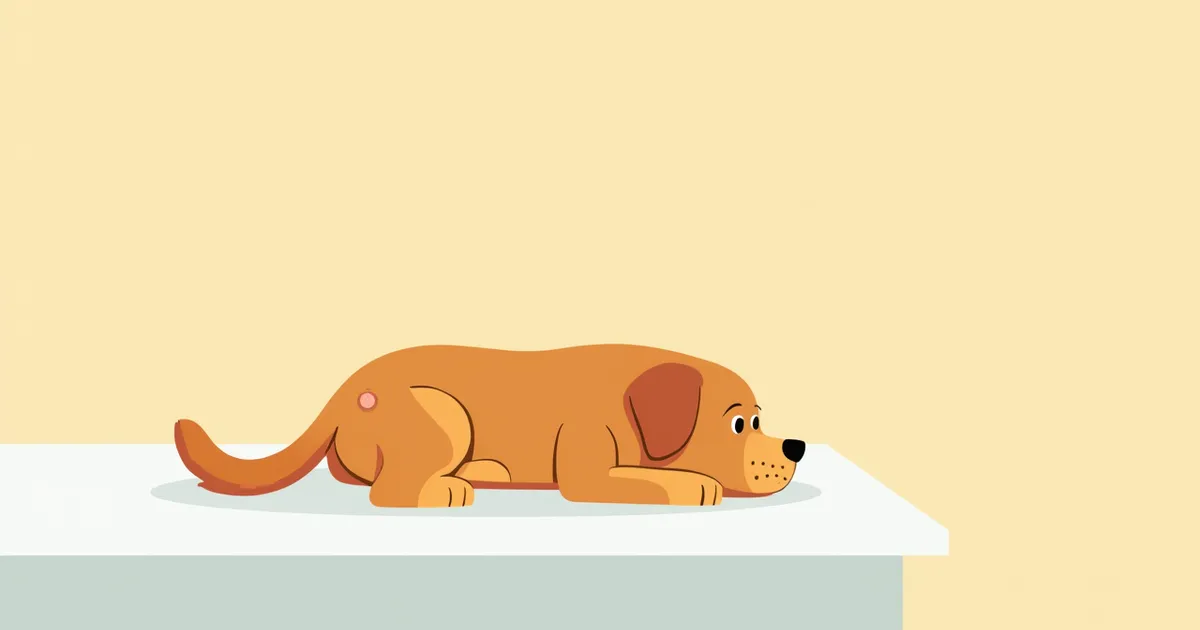
A puppy cowering in fear in an unfamiliar situation
A lack of socialization in puppies stems from insufficient exposure to various people, animals, and environmental stimuli during the critical sensitive period of 3 to 14 weeks of age, leading to behavioral issues such as excessive fear or aggression in unfamiliar situations. The most crucial point is that once this sensitive period passes, the difficulty of correcting these behaviors increases significantly. The less a puppy is exposed to certain stimuli before 12 to 14 weeks of age, the higher the likelihood that avoidance or aggressive responses will become ingrained and persist into adulthood.

Why Does Insufficient Socialization Occur in Puppies?

According to veterinary behavior textbooks, the socialization sensitive period begins at around three weeks of age and concludes by 12 to 14 weeks. The preferences and fear responses formed during this window lay the foundation for lifelong behavior.
Early separation: Isolating puppies from their mother and littermates before 6 to 8 weeks of age can lead to underdeveloped social skills with other dogs.
Isolated environments: Puppies from commercial breeding facilities with limited stimulation often have little to no exposure to people, noises, or other animals.
Overprotective guardians: Well-intentioned but excessive restrictions on outings can completely block the sensory experiences needed during this critical period.

Checklist for Symptoms of Insufficient Socialization

If you notice any of the following signs recurring, it may indicate a lack of socialization.
Avoidance or barking at strangers: The dog may bark in a warning manner or back away when encountering unfamiliar people.
Excessive trembling: The dog may tremble severely in new environments, such as veterinary clinics or elevators.
Aggression toward other animals: The dog may growl or lunge when encountering other dogs or cats.
Fear of loud noises: The dog may become highly startled or attempt to hide upon hearing sounds like motorcycles, thunder, or fireworks.
Refusal to walk: The dog may resist moving forward, attempting to avoid the outdoor environment altogether.
These signs largely overlap with stress and fear indicators in dogs, as defined in veterinary behavior science (including trembling, growling, hiding, avoidance, and fear of strangers, other dogs, or thunder). If only one or two of these signs appear occasionally, you can monitor the situation while adjusting the environment. However, if multiple signs occur frequently or worsen over time, it is advisable to consult a professional.
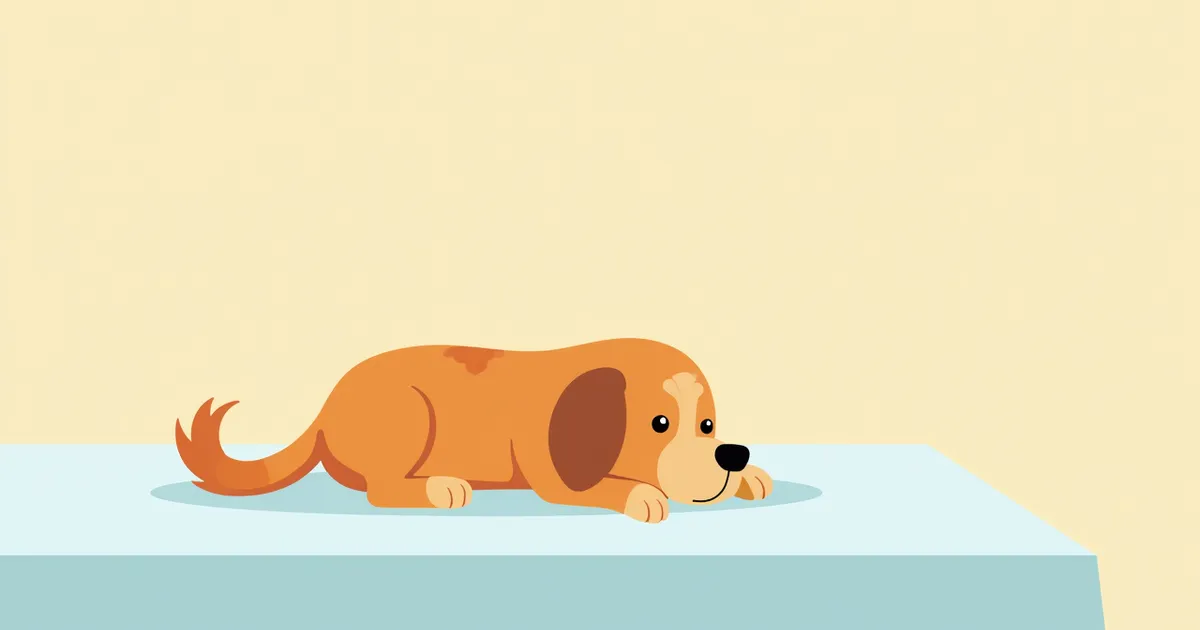
A puppy lacking socialization, trembling all over while clinging to the wall of the veterinary clinic.

When to Consult a Veterinary Behavior Specialist

If aggression has escalated to actual bites, if your dog is exhibiting self-harm due to extreme panic, or if symptoms are worsening despite your dog being over six months old, a structured treatment plan with a veterinary behavior specialist is necessary rather than attempting correction alone.

Socialization Sensitive Periods by Stage — Identifying What Was Missed

Understanding your puppy’s developmental stages helps you identify which experiences may have been missed during key periods.
StageTimeframeKey Development
Neonatal period0–2 weeksTactile and temperature sensation, dependence on the mother
Transitional period3 weeksEyes and ears open, beginning of upright movement
Critical socialization period4–14 weeksFormation of species-specific preferences, environmental preferences, and fear responses
Juvenile period3–6 monthsDiminished socialization effects, onset of fixed behavioral responses
Just because the critical socialization period has passed doesn’t mean socialization is impossible. It simply requires significantly more time and effort.

Correcting Insufficient Socialization — A Step-by-Step Approach
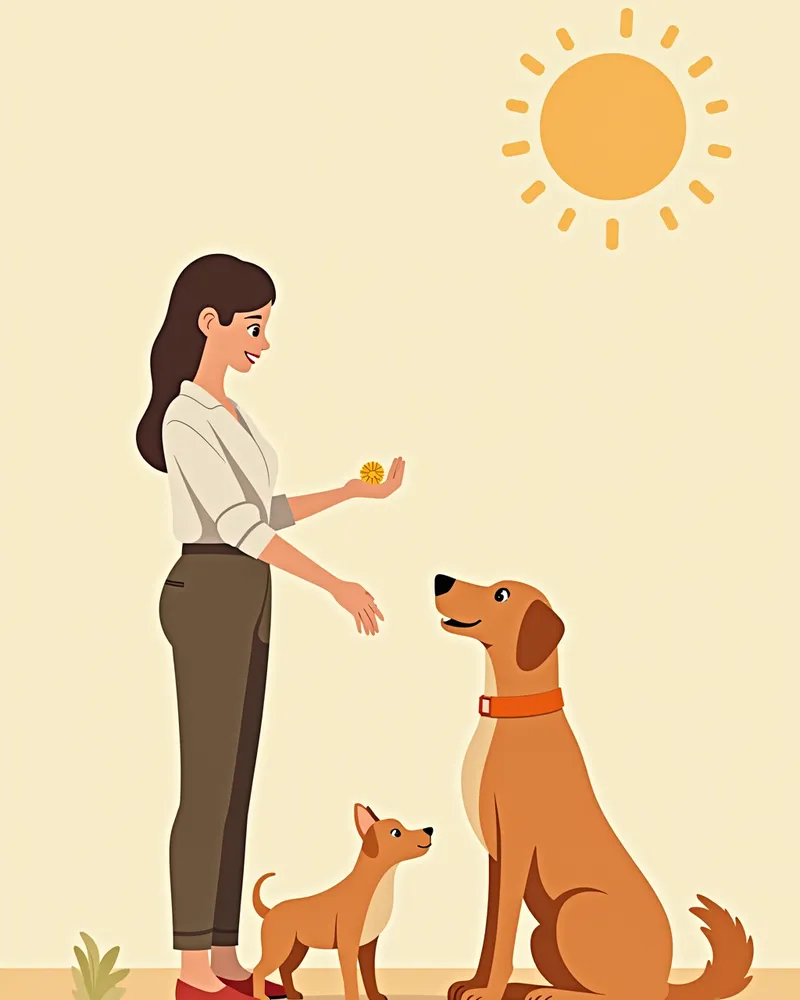
The core of behavior modification lies in desensitization and counter-conditioning. This approach involves gradually exposing your pet to a frightening stimulus at a very low intensity while simultaneously pairing the experience with special treats to create positive associations. 1. Manage distance: Start by keeping a sufficient distance from the object or situation that causes fear. 2. High-value rewards: Offer special treats, such as chicken breast or tuna, exclusively during exposure to the stimulus. 3. Gradual approach: Move closer only when your dog appears comfortable. It is important to respect your dog’s pace, allowing them to approach and investigate at their own speed. 4. Short and consistent sessions: Rather than forcing long exposure periods, keep sessions short and consistent within your dog’s tolerance level to reduce stress.
A trainer using treats to help a puppy with socialization training

What to Absolutely Avoid During Correction

Forcing a dog to endure a frightening situation for an extended period may make it appear frozen on the outside, but it often intensifies internal fear. Forced exposure, physical punishment, and threatening corrections can erode trust in people. When fear responses are severe, the guiding principle is to consistently reduce stimulus intensity and slow down the pace.

Daily Management Tips for Pet Owners
Even between professional consultations, there are practical steps you can consistently take at home.
Environmental enrichment: Regularly rotate toys, scents, and background sounds to increase sensory variety.
Frequent short outings: Instead of one long walk, take your dog on several shorter walks to different locations to broaden their experiences.
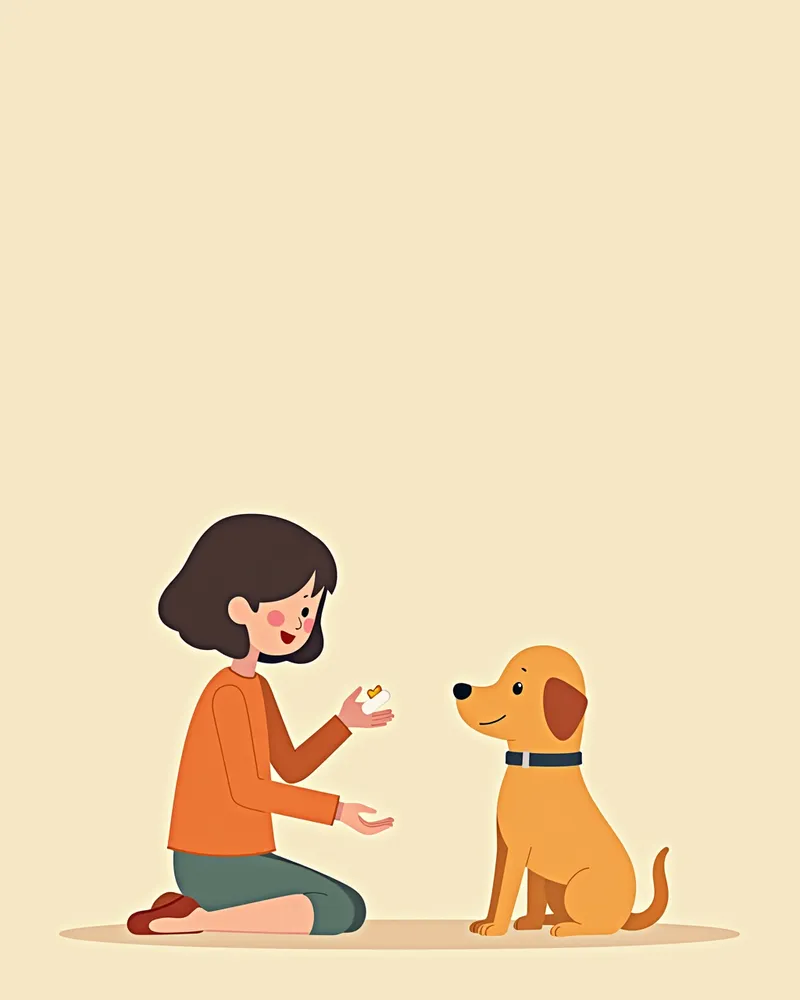
Clicker training: Basic obedience training helps build your dog’s confidence by showing them that their actions lead to rewards.
Progress tracking: Briefly note your dog’s reaction intensity each week to objectively monitor improvement.
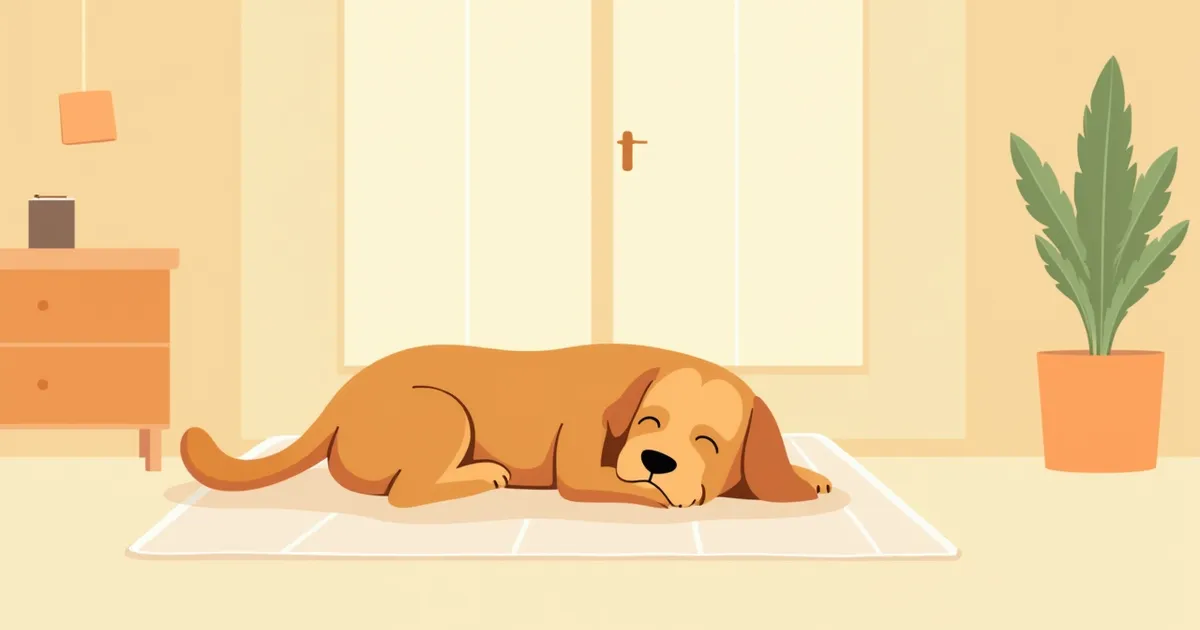
Building confidence in dogs and their owners through clicker training

Reviewed by a veterinarian

Dr. Tony — Punnawat Phongkittirak

Dr. Tony — Punnawat Phongkittirak

Veterinarian

A veterinarian who majored in veterinary medicine at Khon Kaen University, Thailand, and completed the IVSA program at North Carolina State University in the United States. Drawing on clinical experience at animal hospitals, he works in the pet healthcare field and is dedicated to building a digital care environment that connects pet parents with veterinarians.

Frequently Asked Questions

Is it possible to correct behavioral issues in adult dogs who have already passed their socialization sensitive period?
It is possible, but the changes won’t be as rapid as those seen in puppies aged 3 to 14 weeks. In adult dogs, desensitization and counterconditioning often take several months or more, and in severe cases, a veterinary behaviorist may recommend adjunctive medication.
Is it dangerous to socialize my pet before they’ve completed their vaccinations?
A lack of socialization is a significant issue that can profoundly impact your dog’s behavioral health throughout its life. However, the timing and methods of socialization before vaccinations are complete vary depending on the puppy’s health status and local conditions, so it is safest to consult your veterinarian first about which experiences to start with. The key is to begin by gradually exposing your puppy to positive, non-overwhelming experiences in a hygienic, controlled environment.
My dog was doing fine, but suddenly became very shy around strangers. Why might that be?
Dogs may go through a sensitive developmental stage where negative experiences leave a particularly strong impression, so even if they’ve been doing well, they might suddenly appear fearful at a certain point. Additionally, pain-causing illnesses or injuries are common causes of sudden behavioral changes, so if your dog’s behavior has changed abruptly, it’s a good idea to have them checked for physical health issues at a veterinary clinic first.
Is it okay to take a poorly socialized puppy to a dog café or a dog park?
We don’t recommend it if your dog still shows aggression toward other dogs or exhibits extreme fear responses. Negative experiences in uncontrolled environments can backfire. It’s safer to first practice one-on-one interactions with a calm-tempered puppy, then gradually introduce your dog to group settings.
Are puppy socialization classes really effective?
Providing ample positive socialization experiences at the right time is known to help reduce fear and aggression in adult dogs. However, the trainer’s qualifications and methodology are crucial. We recommend certified programs that operate on a positive reinforcement (reward-based) foundation rather than coercive or punishment-based methods.

Share

Related Guides

References

[1] Houpt KA. Domestic Animal Behavior for Veterinarians and Animal Scientists, 6th ed. Wiley-Blackwell, 2018.

[2] Serpell J (ed.). The Domestic Dog: Its Evolution, Behavior and Interactions with People, 2nd ed. Cambridge University Press, 2017.

[3] Freedman DG, King JA, Elliot O. Critical period in the social development of dogs. Science, 133(3457): 1016–1017, 1961.

[4] Howell TJ, King T, Bennett PC. Puppy parties and beyond: the role of early age socialization practices on adult dog behavior. Veterinary Medicine: Research and Reports, 6: 143–153, 2015.

This information is based on veterinary literature and does not replace diagnosis or treatment. Please consult a veterinarian for specific health concerns.

Metapet Co., Ltd. | CEO: Park Sung-yong | Business Reg. No. 417-88-02562 | Seoul, South Korea | Customer Center

Puppy Trembles at Strangers? Is Poor Socialization to Blame? | Meongsiljang