Like
Share
멍실장
강아지 과잉 흥분·충동 조절 불가 자주 묻는 질문 Q&A — 보호자가 꼭 알아야 할 핵심

My Dog Is Too Excited — Causes and Management of Overexcitement and Impulse Control Issues Q&A

Brain & CognitionQ&AMeongsiljang Veterinary Advisory Board

Excessive excitement and impulse-control issues in dogs result from a complex interplay of genetics, environment, and learned behaviors. We’ve outlined a step-by-step approach, starting with ruling out medical causes, followed by practical behavior modification techniques you can implement at home, and guidance on when to seek professional help.

What Is Canine Overexcitement and Inability to Control Impulses?
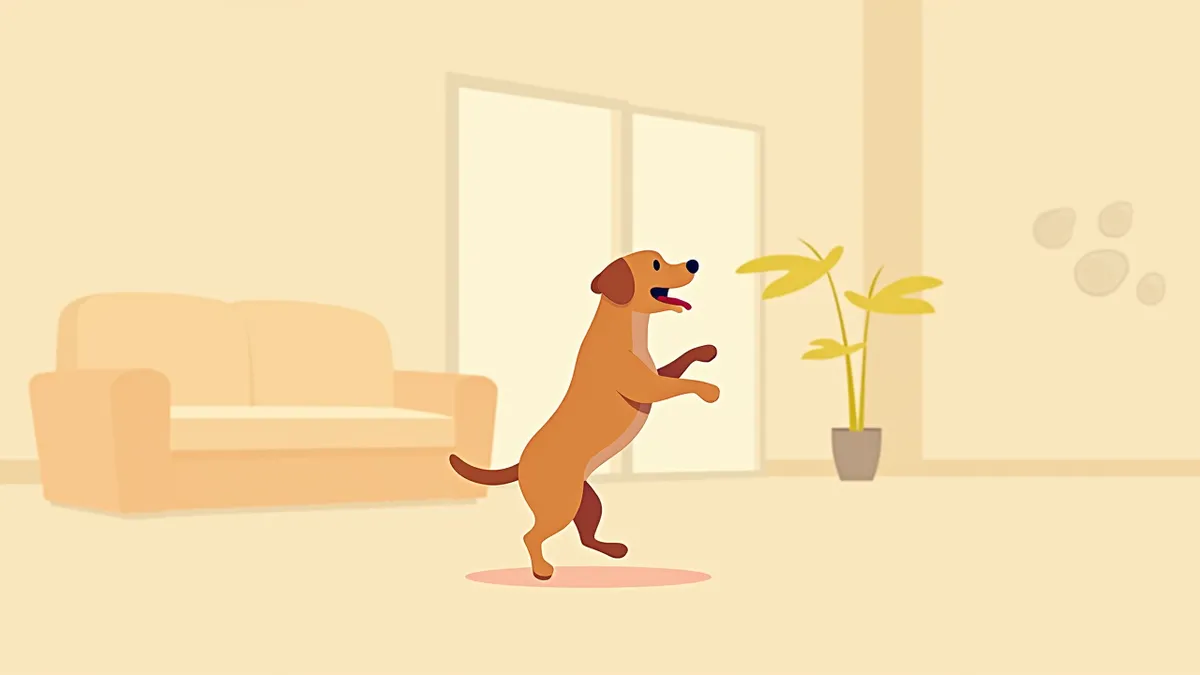
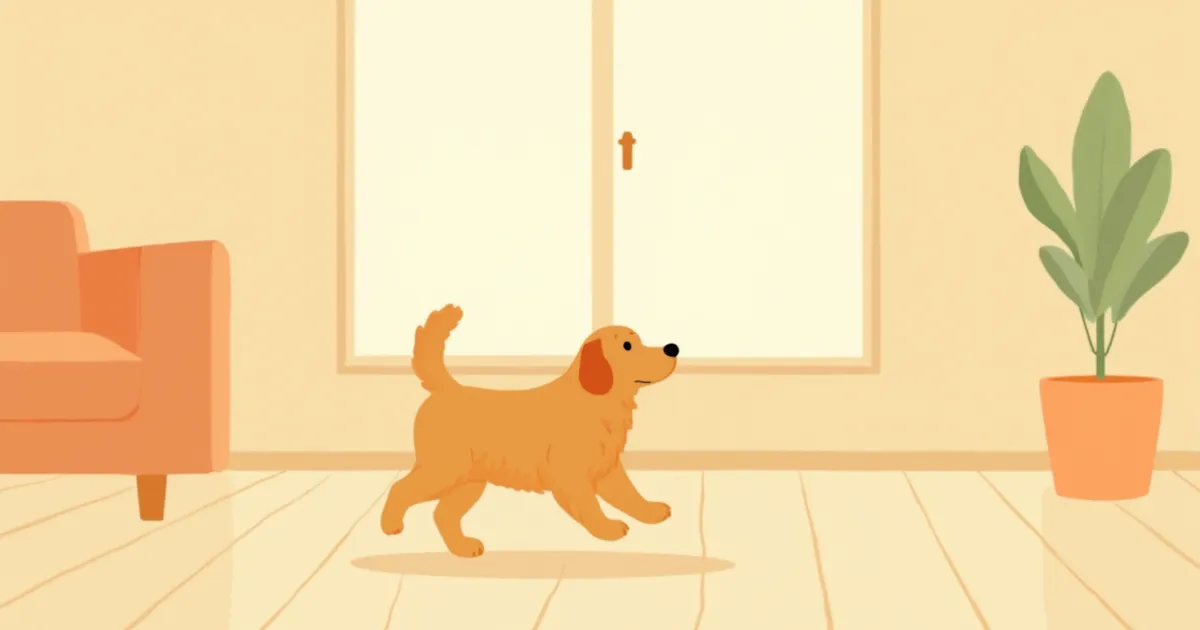
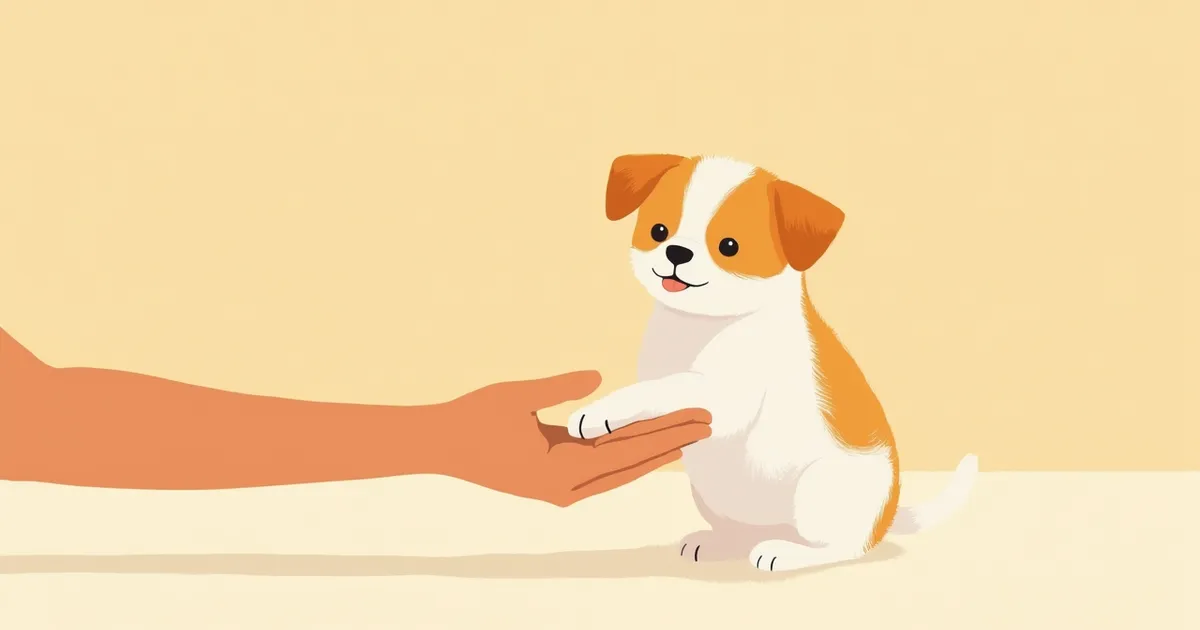
Overly excited puppies that jump on their owners
Canine overexcitement is a behavioral state in which a dog reacts excessively to minor stimuli and is unable to self-soothe. The key distinction lies in differentiating this from simply having an energetic temperament. An overexcited dog may fail to respond when called by name and can take more than ten minutes to calm down. In many cases, the more the owner attempts to control the behavior, the more intense the excitement becomes. The first step before initiating behavior modification training is to rule out any underlying medical causes.

Why Do Overexcitement and Impulse Control Problems Occur?

Excessive excitement and difficulty with impulse control usually stem from a combination of three factors.
Genetic predisposition: Certain breeds, such as Border Collies, Jack Russell Terriers, and Siberian Huskies, are naturally born with higher arousal levels.
Insufficient exercise and stimulation: When dogs lack adequate opportunities to expend energy, their threshold for excitement lowers, causing them to overreact to even minor stimuli.
Learned behavior: If a dog receives attention, treats, or play when excited, they learn that "excitement leads to rewards."

Stages of Overexcitement — Which Stage Is My Dog In?

Check your pet’s current state against the following criteria: Stage 1 (Mild): Responds within 1–2 seconds when called by name and calms down on its own within 2–3 minutes. Stage 2 (Moderate): Takes 3–5 seconds to respond and requires more than 5 minutes to calm down. Stage 3 (Severe): Shows no response when called by name, and excitement persists for over 10 minutes. Stage 4 (Loss of Impulse Control): Lunges at people or other dogs, or bites or scratches the owner hard. If your pet is at Stage 3 or higher, we recommend consulting a professional.

First, Distinguish Between Behavioral and Medical Issues
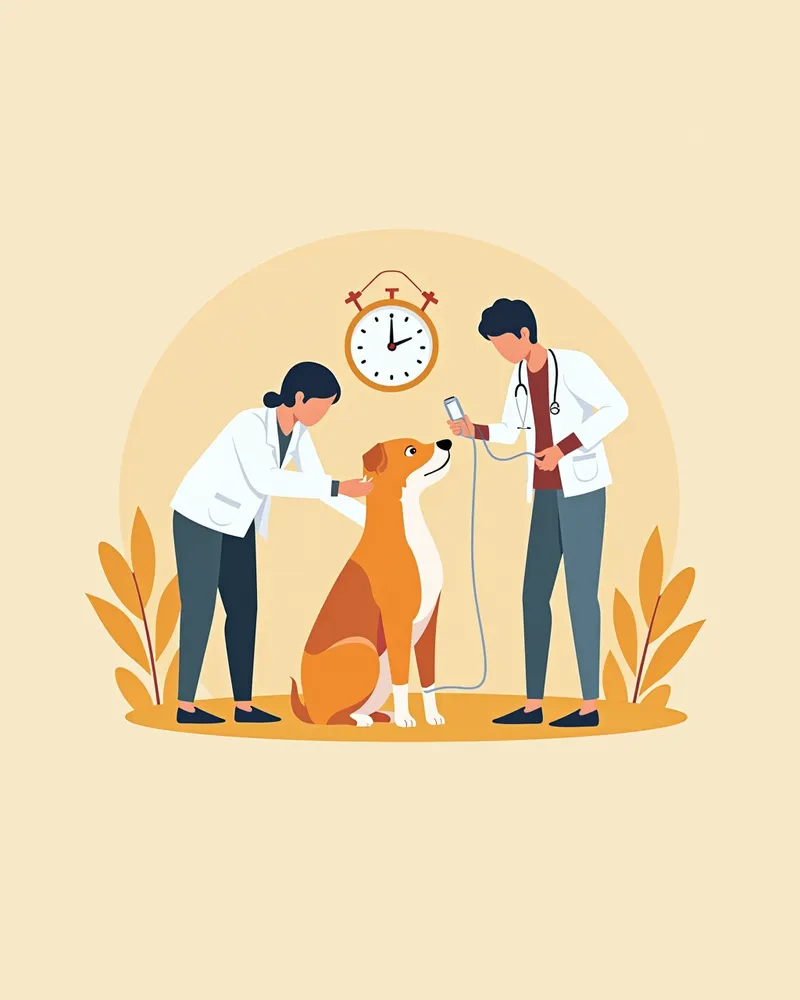
If your pet has suddenly become excessively hyperactive, it’s essential to rule out any underlying medical causes before starting behavior modification training. Behavioral issues are typically diagnosed by exclusion, meaning all possible medical factors must be thoroughly investigated first. Conditions such as endocrine (hormonal) disorders like thyroid disease, neurological abnormalities, or pain-induced arousal and hypersensitivity can mimic hyperactivity. Sudden changes in behavior, especially those that deviate from your pet’s normal routine, should always raise suspicion of hidden illness or discomfort. Veterinarians will conduct a physical examination along with comprehensive diagnostic tests, including a complete blood count (CBC), serum biochemistry, urinalysis, and endocrine testing, to identify any medical causes. Only after confirming that no medical issues are present can behavior modification training be expected to yield effective results.
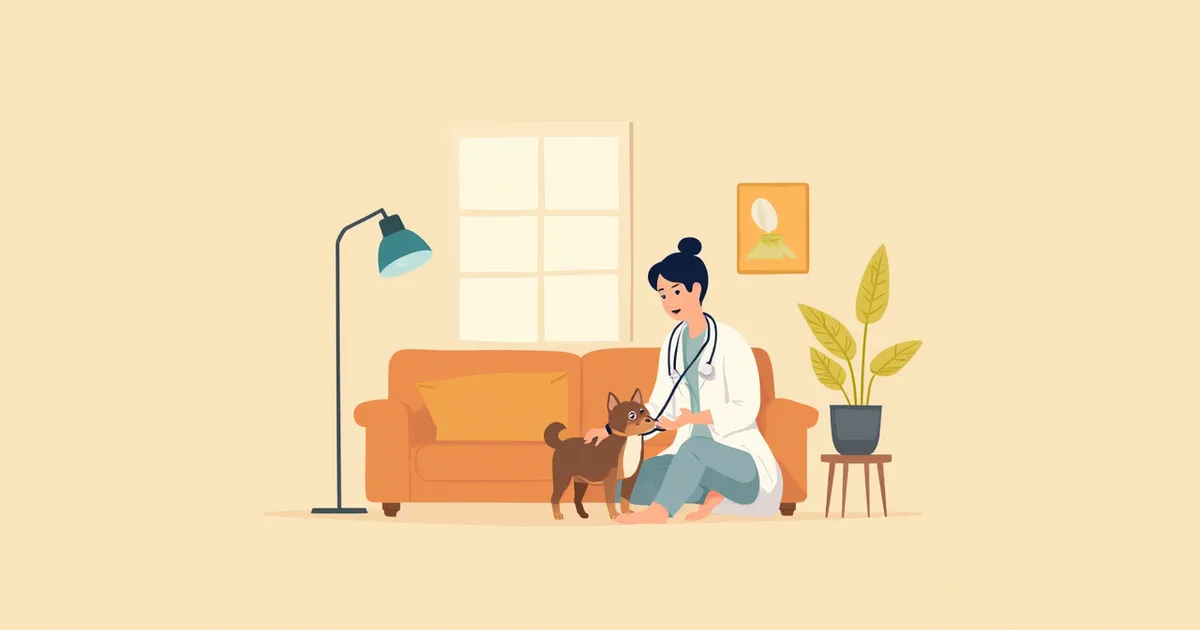
A puppy undergoing a behavioral and physical examination by a veterinarian

When You Must Definitely Visit the Veterinary Clinic

If your pet suddenly exhibits severe agitation or seizure-like behavior, seek immediate veterinary care. If these symptoms are accompanied by aggressive biting, unfocused eyes, or self-harming behavior, a detailed neurological or endocrine evaluation may be necessary.

Three Behavior Modification Techniques You Can Start at Home
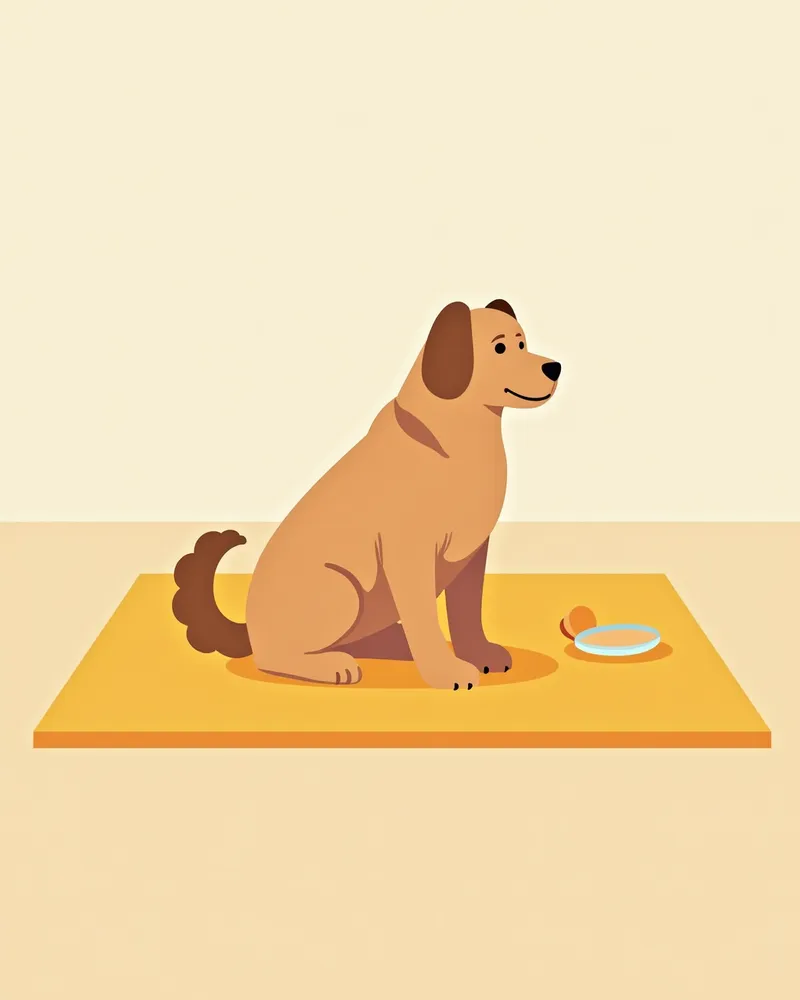
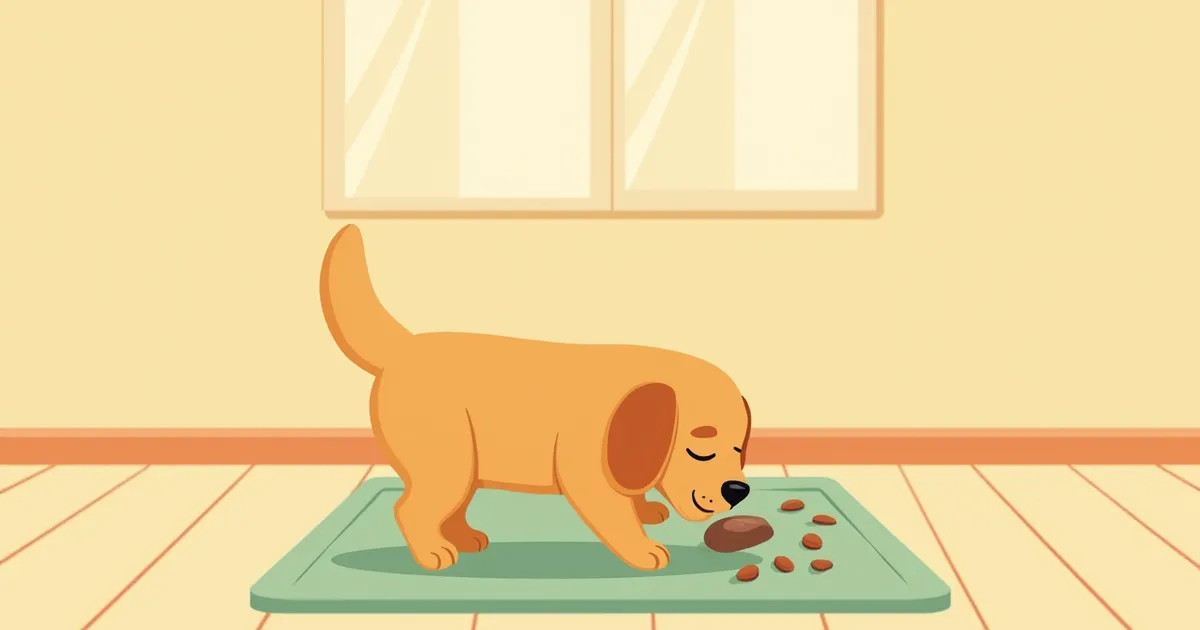
Place training: When you notice signs of excitement, gently guide your dog to a specific mat or designated spot, and quietly reward them once they sit. With repetition, your dog will learn to seek out this calming space on their own.
Ignoring excitement: If your dog jumps or barks, avoid all eye contact, verbal interaction, and physical touch. Only respond once their excitement has completely subsided.
Adequate aerobic exercise: For dogs prone to overexcitement, regular and sufficient aerobic exercise is essential. Providing consistent daily exercise time helps them healthily release built-up energy, which in turn helps maintain a stable threshold for excitement.
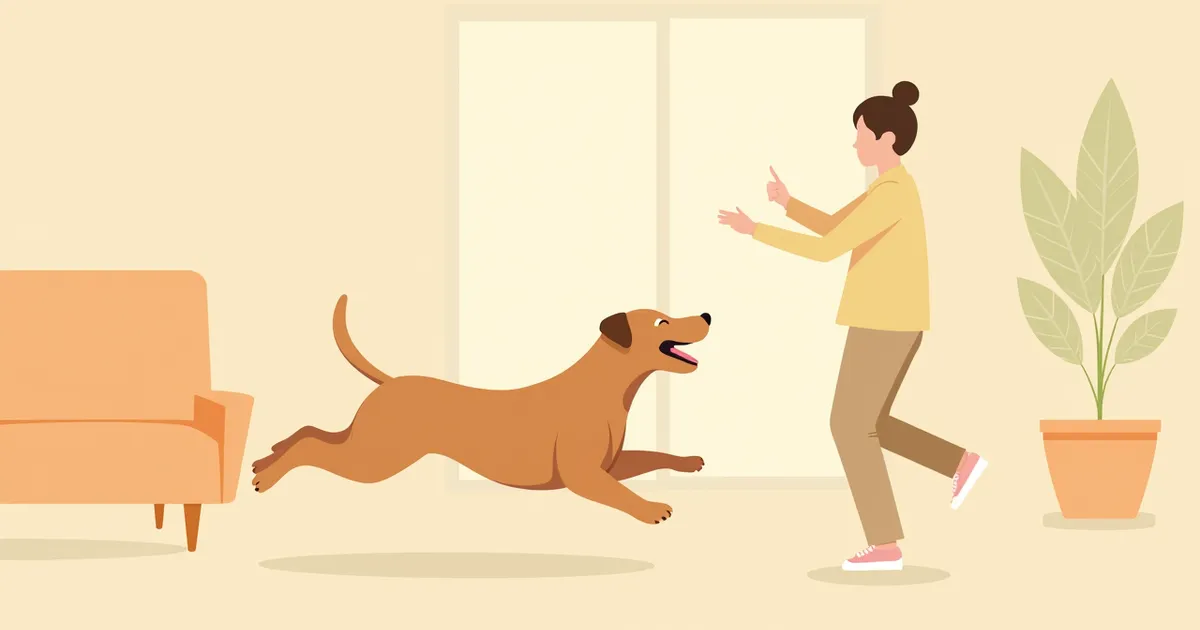
A puppy and its owner practicing mat training.

When Professional Help Is Needed

If there’s no improvement after 2–4 weeks of consistent training, or if your pet struggles to control impulses around other people or animals, it’s a good idea to consult a veterinary behaviorist or a qualified trainer. A veterinary behaviorist may recommend anti-anxiety medication as an adjunct to behavior modification training. Medication doesn’t replace training; rather, it helps lower arousal levels to a point where training can be more effective.
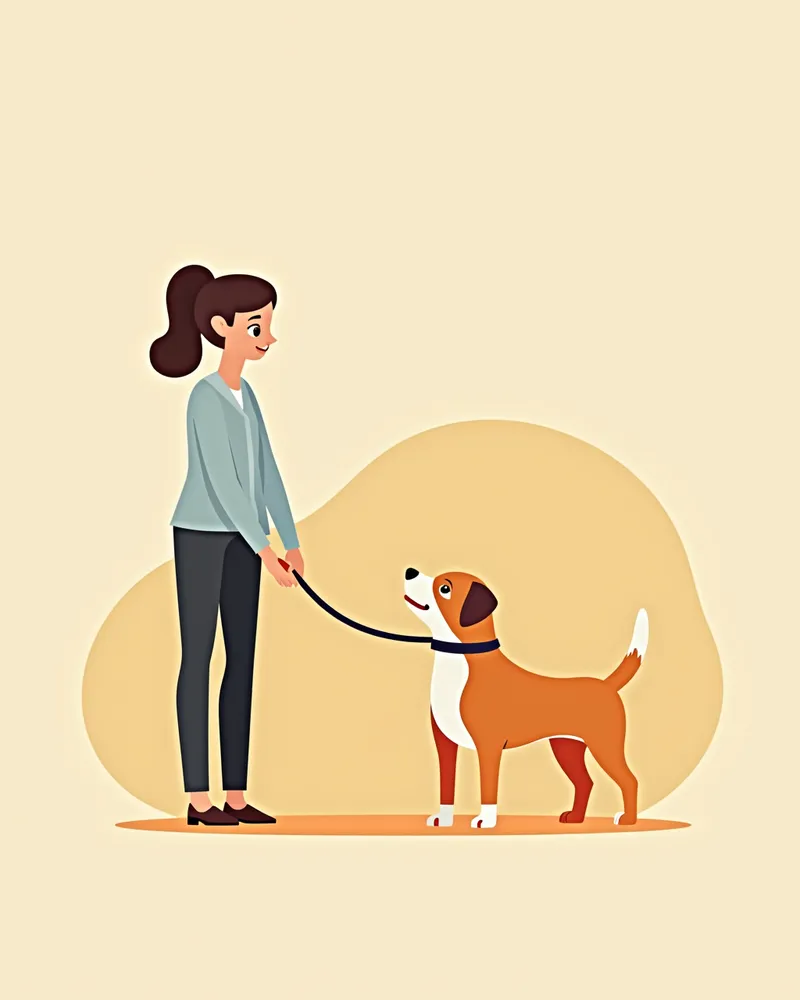
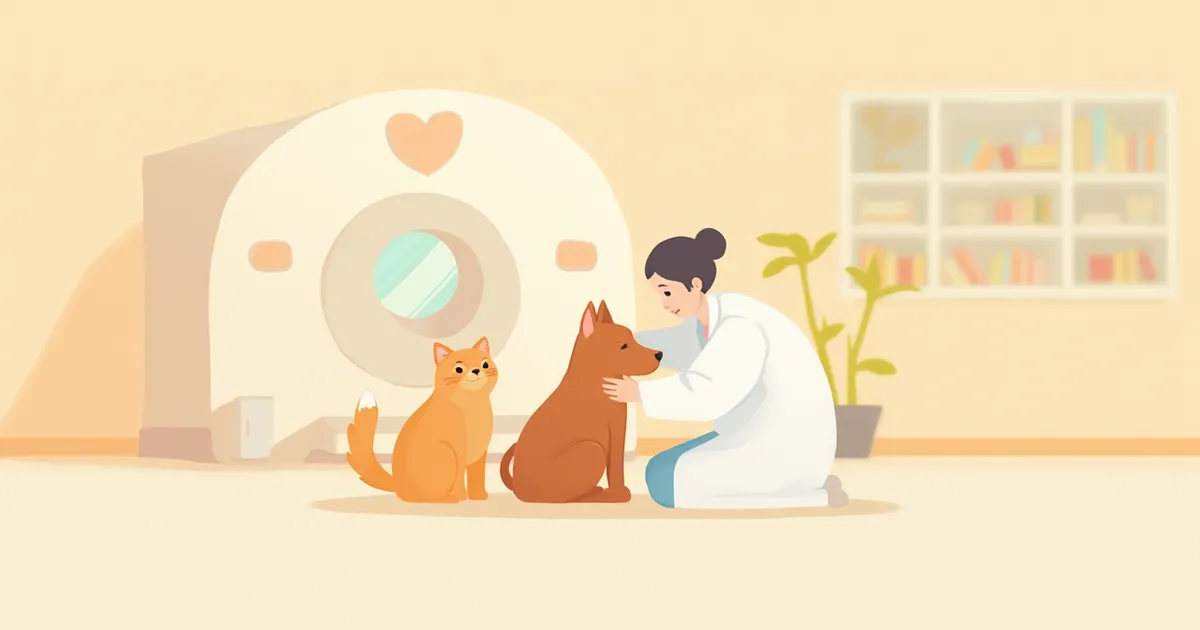
A puppy receiving professional training and behavior modification from a certified trainer

Mistakes Owners Make Without Realizing

If you shout “No!” or “Stop!” or physically restrain your dog when they’re excited, they may interpret your reaction as a sign that you’re excited too. The most effective approach is to calmly turn away and ignore the behavior. Consistency on your part is key to successfully modifying your dog’s behavior.

Reviewed by a veterinarian

Dr. Tony — Punnawat Phongkittirak

Dr. Tony — Punnawat Phongkittirak

Veterinarian

A veterinarian who majored in veterinary medicine at Khon Kaen University, Thailand, and completed the IVSA program at North Carolina State University in the United States. Drawing on clinical experience at animal hospitals, he works in the pet healthcare field and is dedicated to building a digital care environment that connects pet parents with veterinarians.

Frequently Asked Questions

Are there certain breeds that are more prone to excessive excitement?
Breeds known for high energy, such as Border Collies, Jack Russell Terriers, Siberian Huskies, and Dalmatians, tend to be more prone to overexcitement. However, please remember that environment and training often have a greater impact than breed alone.
Shouldn’t I distract my dog with treats when he’s excited?
Giving treats while your pet is excited reinforces the pattern that "excitement leads to treats." Treats should only be given when your pet has calmed down and is sitting quietly.
Is medication ever necessary to treat excessive excitement in dogs?
In severe cases, a veterinary behaviorist may prescribe short-term adjunctive anti-anxiety or serotonin-modulating medications. These medications do not replace training; rather, they help lower arousal levels to a point where training can be effectively conducted.
Will it naturally improve as my pet gets older?
While some dogs naturally experience a decline in energy levels as they age, impulse control issues rarely improve on their own without training. Behavioral modification is most effective when started early, so it's best to begin as soon as possible.
Can neutering help with excessive excitement?
Neutering can help reduce impulsivity driven by sex hormones. However, if excessive excitement stems from learned behaviors or environmental factors, neutering alone may offer limited improvement.

Share

Related Guides

References

[1] Landsberg, G., Hunthausen, W., and Ackerman, L. Handbook of Behavior Problems of the Dog and Cat, 3rd Edition. Elsevier, 2013.

[2] Overall, K.L. Manual of Clinical Behavioral Medicine for Dogs and Cats. Elsevier Mosby, 2013.

[3] Simpson, B.S., Landsberg, G.M., Reisner, I.R. et al. Effects of reconcile (fluoxetine) chewable tablets plus behavior management for canine separation anxiety. Veterinary Therapeutics, 8(1), 18–31. 2007.

This information is based on veterinary literature and does not replace diagnosis or treatment. Please consult a veterinarian for specific health concerns.

Metapet Co., Ltd. | CEO: Park Sung-yong | Business Reg. No. 417-88-02562 | Seoul, South Korea | Customer Center

My Dog Is Too Excited: Overexcitement and Impulse Control | Meongsiljang